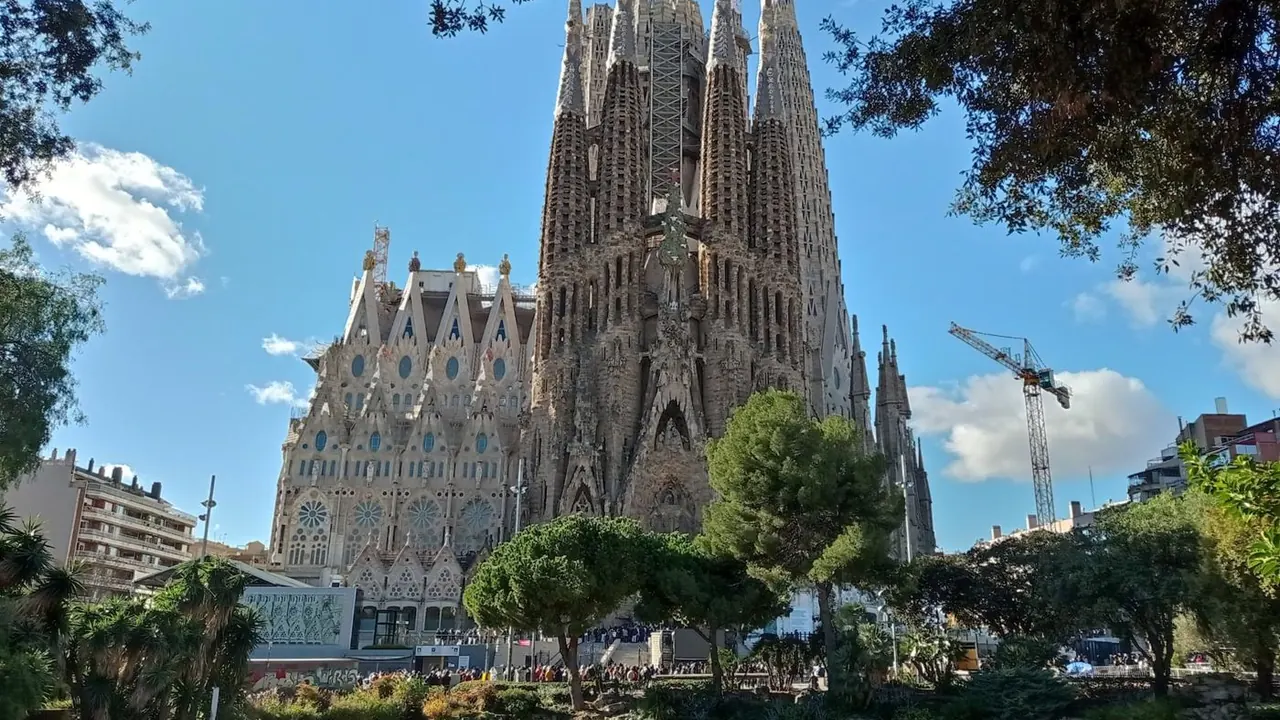
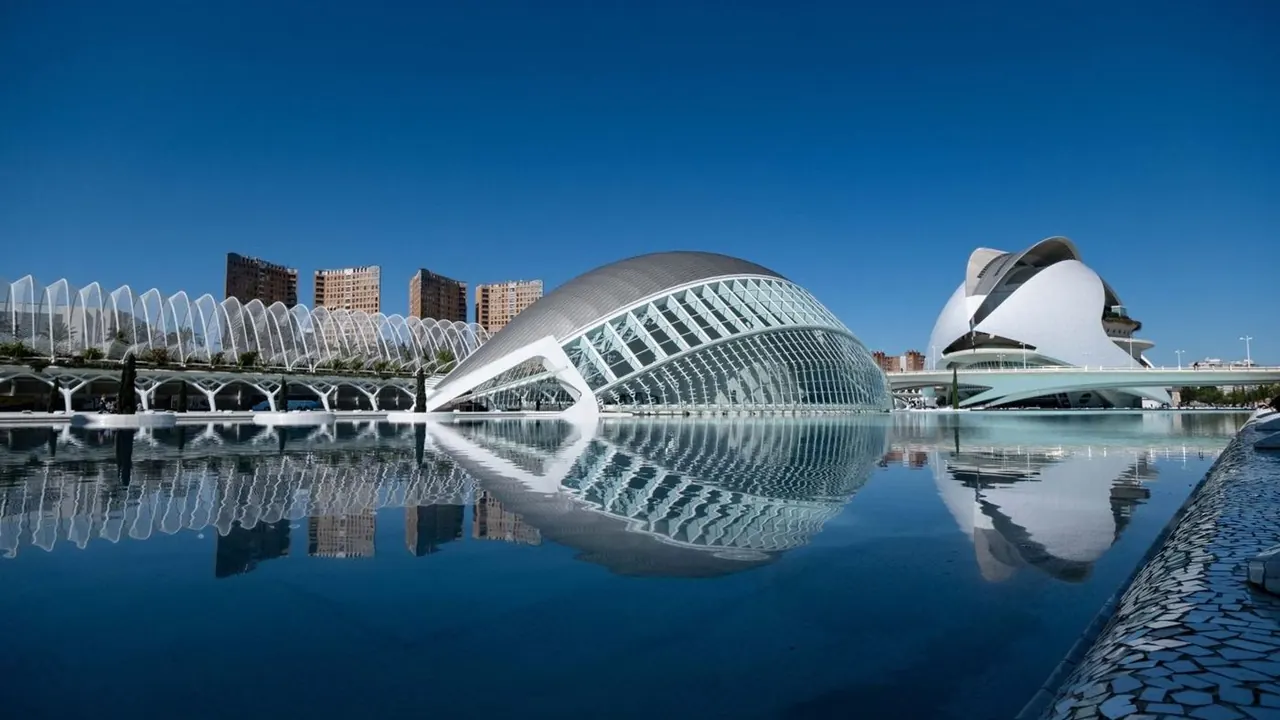
Photos: Barcelona by Canaan, CC BY-SA 4.0, cropped; Valencia by Francesco Ungaro, Pexels License.
Barcelona or Valencia?
Our verdict in twelve categories, each scored against the same fixed benchmark cities, and the climate month by month, so you can choose for your trip.
Choose Barcelona for
- culture and sights
- shopping
- nightlife
Barcelona suits the traveller who wants a full city as much as a seaside one. Gaudí's Modernista buildings, the Gothic Quarter and the Picasso and Miró collections fill a week without repeating, the food runs from market counters to serious tasting menus, and the nights go on until dawn. Fast trains to Girona, Figueres and Tarragona add a second layer of sightseeing. You pay for all this in hotel bills and busier streets.
Choose Valencia for
- prices
- wellness
- beaches
Valencia is the better pick for a slower, cheaper Mediterranean trip built around the beach and the table. The sand is wide enough to spread out on, the rice dishes are eaten where they were invented, and the city is flat and easy to cycle along the Turia gardens to the City of Arts and Sciences. Its sights fit into a long weekend, so the rest of the time can go on lunches by the sea and evenings in Ruzafa.
Scoreboard
Twelve categories on one fixed scale from 0 to 100. The shaded stretch is the gap between the two.
Your match
Pick a travel style or drag the sliders, and both match scores follow your weighting.
Wins on culture and sights and shopping with your weighting.
Wins on prices and wellness with your weighting.
What matters to you?
Category by category
What the scores mean for a trip.
Beaches & swimming
The two are evenly matched for a beach trip, but the beaches themselves are quite different. Barcelona's strip from Barceloneta to Mar Bella is man-made and right on the edge of the city centre. That is handy for a swim after sightseeing, but it is packed and watched by pickpockets in July and August. For space, people take the train to Sitges or Castelldefels.
Valencia's Las Arenas and Malvarrosa are broad natural sands with shallow, calm water, and there is room on them even in high summer. Further south, the dune beaches of El Saler and La Devesa lie behind pine woods inside the Albufera park, so you can find a wilder shore without leaving the city's reach.
Food & drink
Barcelona has more range and depth. Catalan dishes such as suquet, botifarra and calçots in late winter are only the start. Above them come tapas bars, cava and one of Europe's leading tasting-menu scenes, and neighbourhood markets like Santa Caterina and Sant Antoni are where you eat at the counters with locals.
Valencia's strength is narrower and very deep: rice. Paella valenciana, arroz negro and the eel stew all i pebre are best at the beach restaurants of Las Arenas or in the Albufera villages. Horchata in Alboraya and the Mercado Central round it out, but beyond rice and the creative kitchens of Ruzafa there is less to explore.
Culture & sights
Barcelona is in a different league here. No other city has its Modernista heritage, from the Sagrada Família and Park Güell to the façades of Passeig de Gràcia. Underneath it lies a Gothic Quarter with Roman walls, Santa Maria del Mar and museums such as the MNAC and the Picasso. A week passes easily.
Valencia has real highlights in a much smaller package. The Lonja de la Seda, the cathedral with its Holy Grail chalice, and the Serranos and Quart gates are all a short walk apart, and the City of Arts and Sciences adds a striking modern counterpoint. Two or three days covers it well.
Nightlife
Barcelona goes out harder and in more ways. Each district has its own scene: medieval cellar bars in the Born, the alternative Raval, outdoor drinking in Gràcia's squares, and the pintxos bars of Blai. Serious electronic club nights and summer open-air parties take it through to dawn.
Valencia's nights are just as late but more local. Most of it happens in the cocktail and wine bars of Ruzafa, the scruffier student haunts of El Carmen, and bars near Malvarrosa in summer. The big exception is Fallas in March, when whole neighbourhoods party in the street for days.
Nature & outdoors
Barcelona has hills on its doorstep. The Collserola park rises behind the city, and its Carretera de les Aigües path looks out over the whole of it. Montserrat's pinnacles are an hour away, and the Costa Brava cliff paths and the Montseny range are within reach for a day.
Valencia's outdoors is flat and watery. The Albufera lagoon begins about 10km south, with rice fields, herons and sunset boat trips, and the Turia gardens make a 9km green corridor through the city. For hills or the climbing gorge at Chulilla, you need a car.
Day trips
Barcelona has the stronger list of trips, and they are easy to reach. Girona's walled old town is under forty minutes by high-speed train, the Dalí Theatre-Museum in Figueres is a little beyond, and Roman Tarragona can be paired with the monastery at Poblet. Closer to the city are Montserrat, Sitges and the cava cellars of the Penedès.
From Valencia, Sagunto's Roman theatre and Xàtiva's ridge-top castle are each about half an hour away. The hanging houses of Cuenca are an hour by fast train. Beyond those, Peñíscola, Elche and the Costa Blanca take closer to two hours.
Good for families
Both work very well with children, with different strengths. Barcelona has the aquarium at the old port, CosmoCaixa, and the old funfair on Tibidabo reached by funicular, and PortAventura's theme parks are about an hour away. Its crowded, narrow old town is hard going with a pushchair.
Valencia gathers its big attractions in one place. The Oceanogràfic with its belugas and sharks stands beside the science museum, and Bioparc is a short ride away. The Gulliver playground in the Turia gardens and the shallow city beaches suit small children, though there is no theme park nearby.
Getting around
Both centres are flat and easy on foot, but you get around them differently. Barcelona has the larger metro, with buses, trams and local trains on one ticket. Its effort comes at the edges, where Park Güell, Montjuïc and Tibidabo mean a climb, a funicular or a cable car.
Valencia is a cycling city first. The car-free Turia gardens run from the old town to the City of Arts and Sciences, backed by bike-share and bike lanes. Its tram and metro network is smaller, and the beaches are a ride from the centre.
Shopping & style
Barcelona is the better place for a shopping trip. Passeig de Gràcia combines luxury and Spanish fashion houses with Modernista façades, Rambla de Catalunya is calmer and more local, and the small streets add independent designers in the Born, craft shops in Gràcia and vintage in the Raval. Els Encants flea market is worth a morning.
Valencia's chains and boutiques around Calle Colón cover the basics, and El Carmen and Ruzafa have some independent shops. The best things to bring home are saffron and rice from the Mercado Central, Manises ceramics, painted fans and silk. It is pleasant shopping, but rarely the reason to come.
Affordability
Barcelona is the dearer of the two, and the gap shows most in costs you cannot eat your way around. Rooms near the old town and the seafront are expensive in summer, a city tourist tax is added to the bill, and tickets for the Sagrada Família, Casa Batlló and the other Gaudí houses add up quickly over a few days of sightseeing. The food side stays reasonable if you stick to market counters, neighbourhood tapas bars and the weekday set lunch.
In Valencia the same trip costs less at almost every step. A central bed is cheaper for most of the year, and the old-town museums are cheap or free, so the Lonja, the cathedral and the medieval gates add little to the bill compared with Barcelona's Modernista houses. Your money goes instead on a long rice lunch at a beach restaurant in Las Arenas and tickets for the Oceanogràfic and the rest of the City of Arts and Sciences.
Live music & performing arts
Barcelona offers more, and more of it is historic. The Liceu on the Rambla is one of Europe's old opera houses, and a concert under the stained glass of the Palau de la Música Catalana is memorable whatever is on the programme. Jazz cellars, flamenco and Sónar, Primavera Sound and the Grec festival fill out the year.
Valencia has one big asset, the Palau de les Arts in the City of Arts and Sciences, with a serious opera season and its own highly regarded orchestra. Its Palau de la Música and a small jazz circuit cover the rest. The region's village wind bands are something Barcelona has no equivalent for.
Wellness & relaxation
Neither city is a place for a spa trip. Both rely on Arab-style bath houses and hotel spas, and anyone wanting real rest is pointed towards the coast. The difference is in the pace. Barcelona's old town is crowded and loud late into the night, so calm means escaping to the Collserola trails or the Montjuïc gardens.
Valencia is gentler day to day. The shaded paths of the Turia gardens, the seafront promenade in the evening and a milder winter make it easier to slow down without leaving the city. The medieval Baños del Almirante survive as a monument to its Moorish past.
When should you go?
Pick your month. The climate figures are measured averages, not a forecast.
Barcelona in July
Valencia in July
Daytime high, °C
Rainfall in the month, mm
Temperature and rainfall are climate normals, averaged over the years shown. Barcelona: 1991-2020 normals, Barcelona / Aeropuerto (14.4 km from centre). Valencia: 1991-2020 normals, Valencia (1.6 km from centre).
Both cities have beach weather from June to September, but Valencia runs warmer all year. Its summer highs reach about 31°C against 29°C in Barcelona, and its sea gets to 26°C in August, so swimming stays pleasant into October. July in Valencia is almost completely dry. Barcelona's August already brings more rain and slightly cooler water. In both cities high summer is hot work for sightseeing on foot, and Valencia feels it more.
Autumn is when the rain comes, heaviest in September and October, with up to 83mm a month in Barcelona and a little less in Valencia. Winter is mild in both, but Valencia stays nearer 17°C by day and gets more sunshine, which makes it the better choice for a winter break in the sun. Barcelona is at its best for walking in May, June and late September to October.
Which traveller are you?
On a culture and arts trip, Barcelona is the clear choice. The Sagrada Família, La Pedrera and the Palau de la Música Catalana sit beside the Roman and Gothic old town, and the Liceu's opera season and summer festivals give you plenty for the evenings too.
For a food and nightlife trip, go to Barcelona. Catalan cooking, vermouth mornings and the markets of Sant Antoni and Gràcia lead into nights that move from Born cellar bars to clubs open until dawn. Valencia's rice and Ruzafa terraces are good, but there is less of everything.
On a trip with a tight budget, Valencia makes the money last longer. Central hotels are reasonably priced for most of the year, the set lunch is a local habit, the old-town museums cost little, and bikes and trams are cheap. Just avoid March, when Fallas fills every room.
Before you go
| Measure | Barcelona | Valencia |
|---|---|---|
| Official language | Spanish | Spanish |
| Currency | Euro (EUR) | Euro (EUR) |
| Sockets | CF230 V, 50 Hz | CF230 V, 50 Hz |
| Driving side | Right | Right |
| Time zone | UTC+1, UTC+2 in summer | UTC+1, UTC+2 in summer |
| Emergency number | 112 | 112 |
| Elevation | 9 m | 15 m |
| Main airport | Josep Tarradellas Barcelona-El Prat Airport (BCN)13 km from centre235 non-stop destinations | Valencia Airport (VLC)9 km from centre109 non-stop destinations |
| Public holidays this year | 14 days | 13 days |
By the numbers
| Measure | Barcelona | Valencia |
|---|---|---|
| City population | 1,731,649 | 840,792 |
| People per km² | 17,094 | 6,242 |
| Museums within 10 km | 95 | 45 |
| UNESCO World Heritage sites within 50 km | 3 | 2 |
| Swim season, months above 21 °C | 3 months | 5 months |
Where else could you go?
Every comparison below shares a destination with this one, so you can follow Barcelona or Valencia somewhere new.