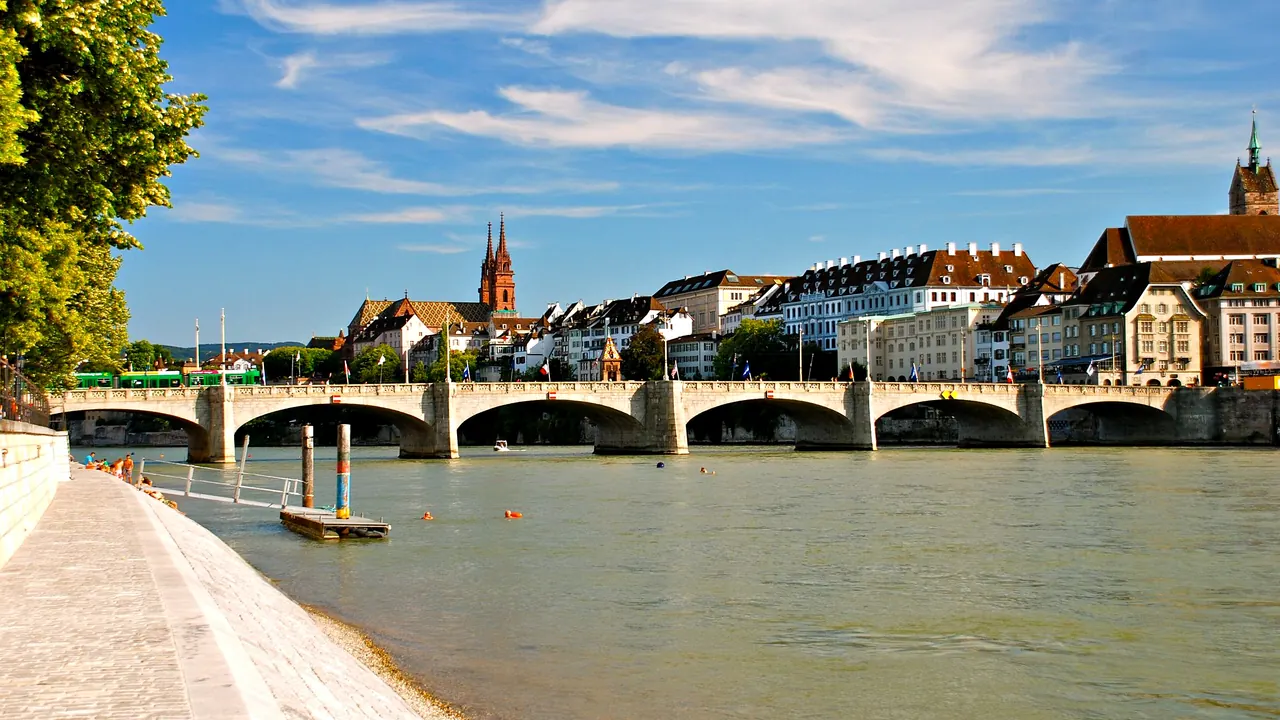
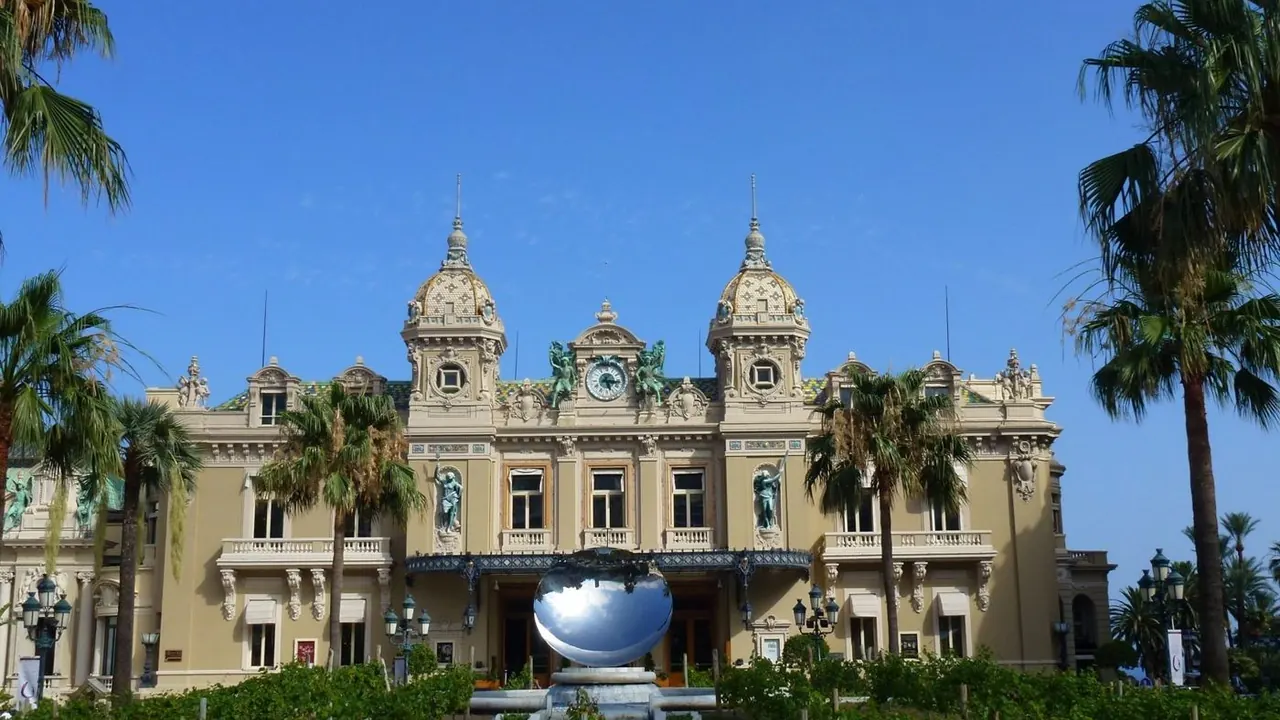
Photos: Basel by Lucazzitto, CC BY-SA 3.0, cropped; Monaco by otterboris, CC BY 3.0, cropped.
Basel or Monaco?
Our verdict in twelve categories, each scored against the same fixed benchmark cities, and the climate month by month, so you can choose for your trip.
Choose Basel for
- culture and sights
- getting around
- prices
Basel is the better choice for travellers who want a museum vacation with ease built in. The Kunstmuseum, the Fondation Beyeler and the Vitra campus give it far more art than its size suggests. Trams and fast trains make every day simple, whether you stay in the old town or head out to Alsace, the Black Forest or Lucerne. It suits a calm, curious trip more than a glamorous one.
Choose Monaco for
- beaches
- nightlife
- food and drink
Monaco suits those who want the Mediterranean and some polish. Its sea is warm and clear, its evenings are dressier and livelier, and limestone cliffs and coastal paths sit right behind the town. It works best as a sunny base on the Riviera, with Nice, Menton and Èze close by, for travellers happy to pay for the setting.
Scoreboard
Twelve categories on one fixed scale from 0 to 100. The shaded stretch is the gap between the two.
Your match
Pick a travel style or drag the sliders, and both match scores follow your weighting.
Wins on culture and sights and getting around with your weighting.
Wins on beaches and nightlife with your weighting.
What matters to you?
Category by category
What the scores mean for a trip.
Beaches & swimming
Basel has no sea at all. Its swimming is the summer ritual of floating down the Rhine past the old town, which is great fun but only for confident swimmers in a strong current, and only from June to early September.
Monaco has the Mediterranean, though not much sand. Larvotto is short and groomed, with calm, clear water, and there are beach clubs and rocky platforms besides. Cap d'Ail's coves and the long beaches at Menton and Nice are minutes away, so sea days are easy to arrange.
Food & drink
Monaco eats a little better, mainly at the top end. Its many starred and grand hotel dining rooms cook Riviera and Ligurian food, and barbagiuan and socca at the Condamine market give it a local flavour. Cheap, casual meals are hard to find.
Basel is careful rather than exciting. It has few specialities beyond Läckerli and Fasnacht's flour soup, borrows heavily from Alsace and Baden, and keeps a small, strong fine-dining tier. In both places, locals often cross a border to eat for less.
Culture & sights
Basel has much more to see. The Kunstmuseum's Holbeins and Old Masters, the Fondation Beyeler in its Renzo Piano building, the Tinguely and the Vitra Design Museum make it a real art destination. The sandstone Münster and the guild lanes up the Spalenberg add a medieval old town, and you need three or four days for it all.
Monaco's sights are fewer and more theatrical. You get the palace guard ceremony, Grace Kelly's cathedral and the Belle Époque Oceanographic Museum on the Rock, then the Casino across the harbour. A day or two covers them, and the setting is the main attraction.
Nightlife
Monaco has the livelier evenings, but only of one kind. Hotel bars around the Casino square, glossy clubs on the Larvotto seafront and champagne by the yachts make for a dressed-up night, at its busiest in summer and on Grand Prix weekend.
Basel is more casual and more modest. People drink on the Kleinbasel steps at the riverside kiosks, find bars around the Kaserne and dance in a few clubs in old harbour buildings. Its great night out is Fasnacht, which beats anything on Monaco's calendar for sheer strangeness.
Nature & outdoors
Monaco's surroundings are more dramatic. Limestone cliffs rise straight behind the town, with the view from Tête de Chien and the old mule path up to Èze. Clear water for snorkelling and diving, and the pine-shaded paths around Cap Martin, put the sea and the mountains side by side.
Basel's countryside is gentler but still varied. The Jura, the Black Forest and the Vosges are all close, with good marked trails, and the flat Rhine paths are ideal for cycling into Germany and France. It suits walkers and cyclists rather than people looking for scenery.
Day trips
Both are outstanding bases, and the difference is in what lies around them. From Basel, fast trains reach three countries: Colmar and the Alsace wine villages, Freiburg and the Black Forest, and Lucerne, Bern and Zurich, all about an hour away.
From Monaco, the coastal train and buses run along the Riviera to Villefranche, Nice and Menton. Èze and La Turbie are up the hill, and Antibes, Saint-Paul-de-Vence and Sanremo are further on. You choose between half-timbered towns and Swiss old towns on one side, and the sea and perched villages on the other.
Good for families
The two are about equal for children: both are safe, clean and small, and both run short of ideas after a couple of days. Basel's big draw is the Zolli, along with the Rhine ferries, and Europa-Park is the big outing beyond the city. The river is too strong for small children to swim in.
Monaco's draw is the aquarium in the Oceanographic Museum, and Larvotto's calm water is gentle for young swimmers. Against that, it has steep streets and formal restaurants.
Getting around
Basel is the simpler city to move around. Its centre on both sides of the Rhine is mostly level, with only short climbs up to the Münster and the Spalenberg. When your legs tire, a green tram is rarely far away, and some carry on over the border. Hotel guests ride free, so there are no tickets to sort out, and the small ferries pushed along by the current turn a river crossing into part of the day. Direct trains from the main station go to Swiss, German and French cities, so a car would only get in the way.
Monaco covers far less ground, but it is built on a slope. Going from the harbour up to the Rock or the Casino means climbing, and the trick is finding the free lifts and escalators tucked into the hillside, which can take a day to work out. Buses and the little solar ferry across the port fill the gaps, while driving is slow and parking is all underground. The station, reached through long tunnels in the cliff, is the real advantage: the coastal train makes Nice or Menton almost as easy to reach as the far side of town.
Shopping & style
Monaco has the edge, but only for luxury. The Carré d'Or around the Casino gardens packs fashion houses, jewellers and watchmakers into a short walk, and window-shopping there is part of the evening. Beyond that there are hardly any chains, independent designers or markets for goods.
Basel is broader but plainer. Freie Strasse has watches, chocolate and the usual chains, and Spalenberg has small design shops. Its Christmas market around the Münster is a real seasonal reason to visit.
Affordability
Neither is a place to save money, and both stretch the budget a long way. Basel softens it a little with free transport for hotel guests, cheaper meals a tram ride away in Germany or France, and the option of staying over the border, though Art Basel fills its rooms.
Monaco is steeper still, with hotels priced for the very wealthy and almost no cheap meals. Walking the Rock, the gardens and the harbour costs nothing, and many budget travellers stay in Nice, Menton or Beausoleil and come in for the day.
Live music & performing arts
Both towns punch above their size on stage, with different strengths. Basel's Theater Basel is known for bold opera, ballet and drama under one roof. The Stadtcasino and the city's early-music tradition anchor concerts, and a jazz school feeds small clubs, though the season goes quiet in July and August.
Monaco has more glamour: opera in the gilded Salle Garnier, Les Ballets de Monte-Carlo and the Philharmonic, mostly from winter to spring. Summer brings shows by the sea. There is little spoken theatre and almost no small live-music venues.
Wellness & relaxation
Neither is a spa town, and both leave you to arrange your own treatment day. Basel's calm comes from quiet Sundays and the riverside, and the real bathing is a short trip out, to the saline baths at Rheinfelden or the mineral pools of southern Baden.
Monaco keeps it in town. The seawater thalassotherapy centre by the Casino and the grand hotel spas offer polished treatments, and the Japanese Garden makes for a slow morning, except in Grand Prix week.
When should you go?
Pick your month. The climate figures are measured averages, not a forecast.
Basel in July
Monaco in July
Daytime high, °C
Rainfall in the month, mm
Temperature and rainfall are climate normals, averaged over the years shown. Basel: 1991-2020 (sunshine 1961-1990) normals, Basel / Binningen (1.9 km from centre). Monaco: 1991-2020 normals, Nice (19.9 km from centre).
Basel has a proper continental year. Summer is the season for floating down the Rhine, with July highs around 26°C, but it is also the wettest stretch, with regular showers from May to August. Spring and early autumn are comfortable for walking the old town and hiking the Jura. Winters are grey and cold, around 5°C in January, so plan on museums and concert halls then, or on Fasnacht's late-winter nights.
Monaco is warmer and much sunnier all year. July and August reach about 28°C with almost no rain, and the sea warms to around 25°C, so June to early October is beach weather. Autumn brings the heaviest rain, peaking near 138mm in November, but winter stays mild enough for walking the Rock and the coastal paths when Basel is at its coldest.
Which traveller are you?
For a beach and sun trip, Monaco is the clear pick. Larvotto's sheltered water, the coves at Cap d'Ail and the long beaches of Menton and Nice give it real sea days, while Basel offers only river swimming in summer.
On a culture and arts trip, Basel comes out ahead. Holbein and the Old Masters at the Kunstmuseum, the Beyeler's Impressionists, the Tinguely and the Vitra campus fill several days, where Monaco's palace, cathedral and Oceanographic Museum take one or two.
On a food and nightlife trip, Monaco gives more, if you dress for it. It has starred hotel dining rooms, Riviera cooking and Casino-square evenings that peak in summer. Basel's riverside kiosks and Kaserne bars are pleasant but quieter, and its kitchens rely on Alsace and Baden.
Before you go
| Measure | Basel | Monaco |
|---|---|---|
| Official language | French, German, Italian, Romansh | French |
| Currency | Swiss Franc (CHF) | Euro (EUR) |
| Sockets | CJ230 V, 50 Hz | CEF230 V, 50 Hz |
| Driving side | Right | Right |
| Time zone | UTC+1, UTC+2 in summer | UTC+1, UTC+2 in summer |
| Emergency number | 112 | 112 |
| Elevation | 247 m | 68 m |
| Main airport | EuroAirport Basel–Mulhouse–Freiburg (BSL)7 km from centre112 non-stop destinations | Nice-Côte d'Azur Airport (NCE)18 km from centre130 non-stop destinations |
| Public holidays this year | 10 days | 12 days |
By the numbers
| Measure | Basel | Monaco |
|---|---|---|
| City population | 176,329 | 38,857 |
| People per km² | 7,378 | 18,503 |
| Museums within 10 km | 61 | 14 |
| UNESCO World Heritage sites within 50 km | 2 | 2 |
| Swim season, months above 21 °C | - | 4 months |
Where else could you go?
Every comparison below shares a destination with this one, so you can follow Basel or Monaco somewhere new.