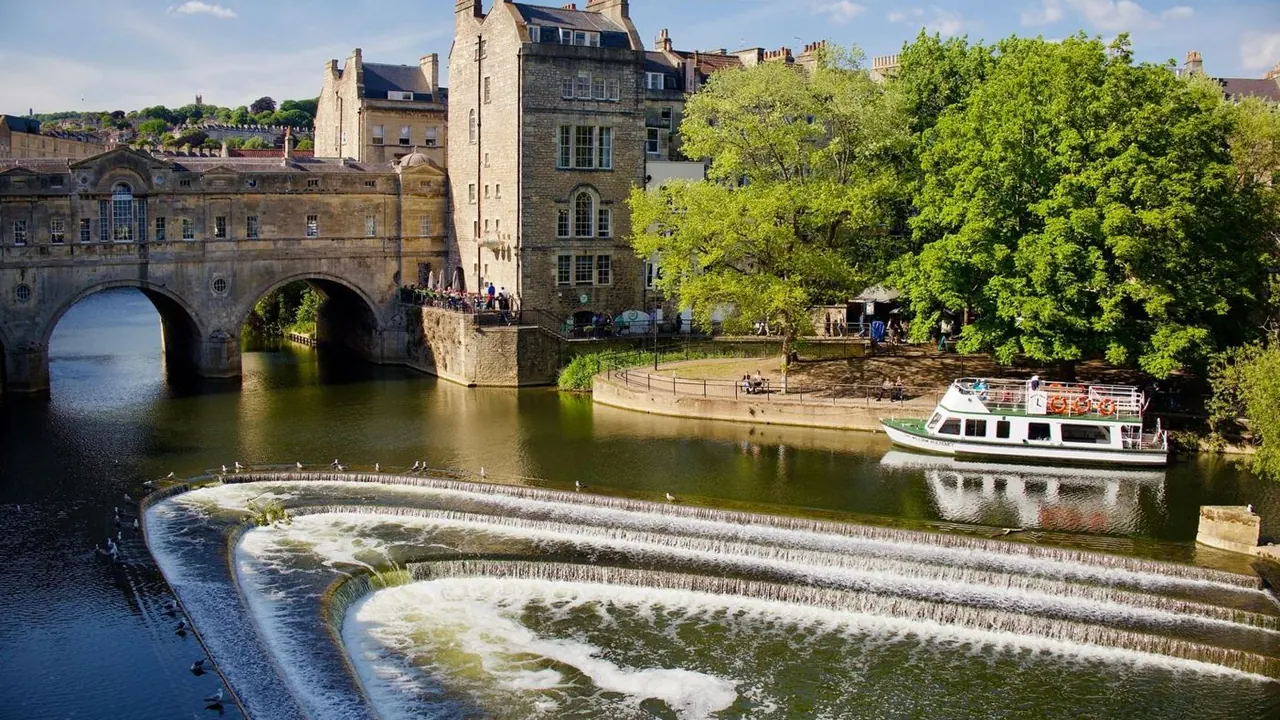
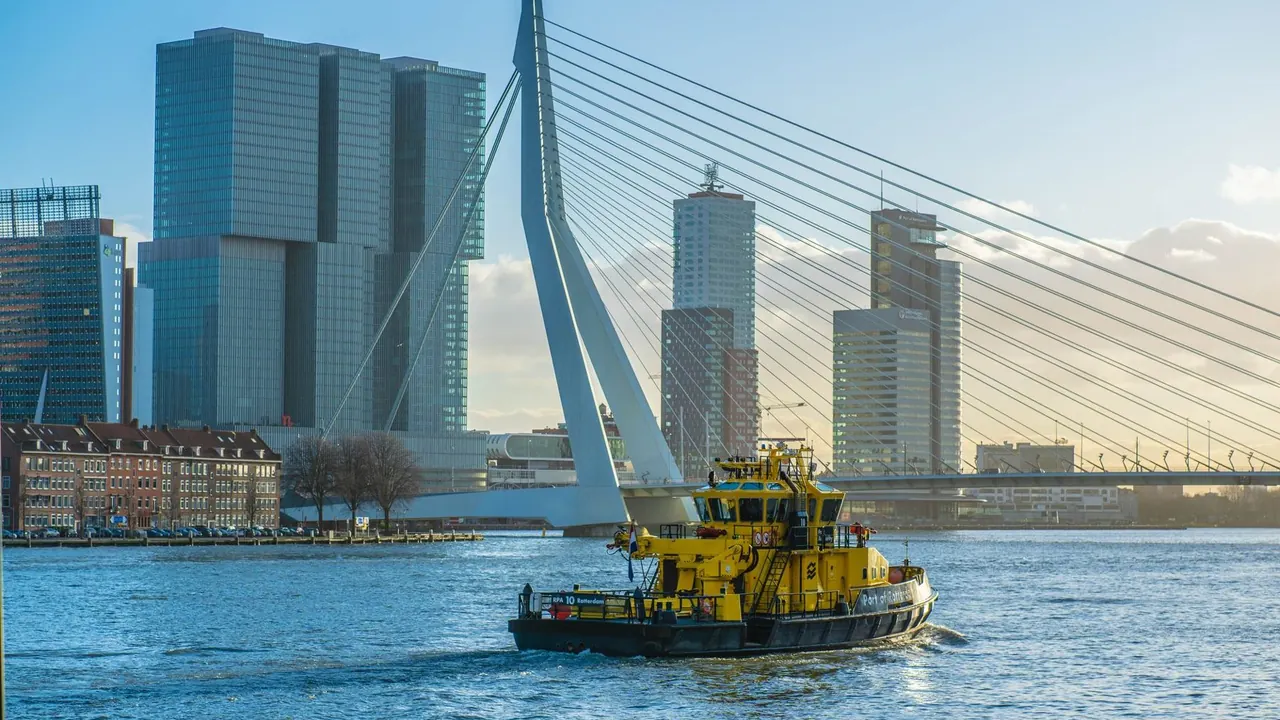
Photos: Bath by Lucas Carlini, Pexels License; Rotterdam by Bas Geerlings, Pexels License.
Bath or Rotterdam?
Our verdict in twelve categories, each scored against the same fixed benchmark cities, and the climate month by month, so you can choose for your trip.
Choose Bath for
- wellness
- nature and the outdoors
- culture and sights
Bath suits a slower, more contemplative trip: two or three days among Georgian crescents and Roman remains, an evening soak in the only natural hot springs in Britain, walks on the green hills around the town, and early nights. It is the better choice for couples and older travellers who care more about architecture and calm than late bars, and who accept that staying there costs more.
Choose Rotterdam for
- nightlife
- beaches
- families
Pick Rotterdam if you want a modern city with more going on after dark and more to keep children busy. Its food comes from Suriname, Turkey and Indonesia rather than the farm shop, and its clubs and jazz stages offer far more than Bath's pubs and playhouse. Its rail links also make it a cheaper base for Delft, The Hague and Amsterdam. Architecture here means bold postwar buildings rather than a preserved townscape.
Scoreboard
Twelve categories on one fixed scale from 0 to 100. The shaded stretch is the gap between the two.
Your match
Pick a travel style or drag the sliders, and both match scores follow your weighting.
Wins on wellness and nature and the outdoors with your weighting.
Wins on nightlife and beaches with your weighting.
What matters to you?
Category by category
What the scores mean for a trip.
Beaches & swimming
Neither city is a reason to pack swimwear, but Rotterdam at least has a proper beach of its own. Hoek van Holland is a wide sandy strand backed by dunes and reached by metro, with container ships passing close offshore. It is good for a windy walk, even if few people swim.
Bath has nothing comparable. The nearest sea is the brown, shallow Bristol Channel at Weston-super-Mare, an hour away, and in summer locals swim in the Avon by a weir. For clean sand you need the Dorset or Devon coast, which is a long day there and back.
Food & drink
Rotterdam eats more widely. It is a port city with large immigrant communities, so you will find Surinamese roti, Turkish bakeries and Moroccan and Cape Verdean cooking, and the Markthal and the Binnenrotte market make grazing easy.
Bath's strength is local and traditional: West Country cheese, Somerset cider, gastropubs and afternoon tea, plus its own Sally Lunn and Bath buns. It lacks variety and street food, and the evening winds down earlier than in Rotterdam.
Culture & sights
Bath is the better city for sightseeing. The whole city is a World Heritage Site, and the Royal Crescent, the Circus, Pulteney Bridge, the Abbey and the steaming Roman Baths all lie a few minutes' walk apart. Together they form an intact Georgian city built on Roman foundations.
Rotterdam offers the opposite: a centre destroyed in 1940 and rebuilt as a showcase of modern architecture, from the Cube Houses to the mirrored Depot Boijmans van Beuningen. Its museums are solid rather than outstanding, and the old city survives only in pockets such as Delfshaven.
Nightlife
Rotterdam is the better night out, mainly because of its clubs. As the birthplace of gabber, it still fills warehouse and harbour venues with techno and house nights that draw crowds from across the country. The terraces on the Witte de Withstraat and around the Oude Haven keep the bars busy in summer.
Evenings in Bath centre on the pub, from old coaching inns to the real-ale houses on Walcot Street, with a few student clubs in term time. Most weeknights end soon after dinner, and anyone wanting more takes the train to Bristol.
Nature & outdoors
Bath has the better countryside on its doorstep. Green hills rise straight from the streets, the Skyline loop follows the ridges, and the canal towpath runs through the Limpley Stoke valley. The Cotswolds and the Mendips, with Cheddar Gorge, are both within an hour.
Rotterdam's outdoors is flat and watery. You can cycle along the dykes into polder country, sail in the Kralingse Bos or canoe among the creeks of the Biesbosch. It is pleasant by bike, but walkers will miss the hills.
Day trips
Both are excellent bases, and the difference is in how you travel. From Rotterdam, fast trains reach Delft, The Hague, Leiden, Amsterdam, Utrecht and Antwerp within about an hour, so a week of excursions needs no car at all.
Bath's best day trips are rural and ancient: Stonehenge and Avebury, Wells and Glastonbury, Lacock and the Cotswold villages. Bristol and Cardiff are easy by rail, but most of the rest needs a car or a small-group tour.
Good for families
Bath gives children a short list of good things rather than a full programme. The costumed characters on the terraces of the Roman Baths, the big playground in Royal Victoria Park below the Royal Crescent, a boat trip on the Avon and the children's theatre will fill a day or two. After that, families go further: Bristol's science centre, aquarium and wildlife park are a short train ride away, and the safari park at Longleat is about forty minutes by car.
Rotterdam has more to keep children busy for a longer stay. Plaswijckpark in the north combines playgrounds and animals, the city's parks have plenty of play areas, and the Euromast and a harbour boat tour appeal to most ages. Madurodam's miniature Netherlands is a short train ride away in The Hague, and the Efteling theme park is about an hour by car, so a week with children has no shortage of plans.
Getting around
Both are easy without a car, in different ways. Bath is compact, with the main sights all within a twenty-minute walk, though the hills are steep and the countryside beyond needs a car or a tour. Rotterdam has a slight edge, because its metro, trams, water buses and cycle paths cover the city and reach the coast, even if the spread-out postwar centre means longer, windier walks between sights.
Shopping & style
There is little to choose between them, but the shopping is quite different. Bath is better for browsing: antiques on Bartlett Street, furniture makers and salvage dealers on Walcot Street, the centuries-old Guildhall Market and the little shops on Pulteney Bridge, all in Georgian stone.
Rotterdam is stronger on the high street. The Lijnbaan, one of Europe's first pedestrian shopping streets, has a department store and the major chains close together. Vintage, record and design shops run along the Meent and the Nieuwe Binnenweg.
Affordability
Neither city is cheap, but Rotterdam is easier on the budget. Hotel rooms are plentiful and often quiet at weekends in the business districts, and market stalls and Surinamese snack shops keep lunch modest, though restaurant meals and beer are expensive.
In Bath, rooms are scarce and dear, especially in summer and around Christmas, and the Roman Baths and the spa add to the bill. Pub lunches and a walkable centre help, and so does staying in Bristol and coming over by train.
Live music & performing arts
Rotterdam offers more on stage. The Rotterdam Philharmonic, one of the best orchestras in the country, plays a full season at De Doelen, and the conservatory helps keep the small jazz and pop venues lively. Each July the North Sea Jazz Festival brings hundreds of acts, although much of the city's theatre needs Dutch.
In Bath, stage life centres on the gilded Georgian Theatre Royal, with touring drama, opera and pantomime, along with concerts in the Abbey and long-running festivals. There is no resident orchestra, though, and most nights offer only a small choice of live music.
Wellness & relaxation
This is where Bath stands apart. It is the only place in Britain where you can bathe in natural hot spring water, in the open-air rooftop pool overlooking the Abbey or in the small Georgian Cross Bath, and the whole town moves at a strolling pace.
Rotterdam is brisk and practical. Its best option is a large Dutch sauna complex on the edge of the city, usually textile-free, and the centre has only hotel and day spas.
When should you go?
Pick your month. The climate figures are measured averages, not a forecast.
Bath in July
Rotterdam in July
Daytime high, °C
Rainfall in the month, mm
Where the figures come from
Bath's temperatures are measured 29 km from the centre, at Lyneham.
Bath has no rain gauge within 25 km of the centre, so its rainfall comes from a gridded climate dataset read at the city rather than from a gauge further away.
Rotterdam has no rain gauge within 25 km of the centre, so its rainfall comes from a gridded climate dataset read at the city rather than from a gauge further away.
Rotterdam's sunshine is measured 52 km from the centre, at De Bilt.
Temperature and rainfall are climate normals, averaged over the years shown. Bath: 1991-2020 normals, Lyneham (29.2 km from centre). Rotterdam: 1993-2020 (sunshine 1991-2020, rainfall 1991-2020) normals, Rotterdam Airport Zestienhoven (3.9 km from centre).
Both cities have a mild, changeable northern European climate, and neither is warm enough for a beach trip at any time of year. In July and August highs reach about 21°C in Bath and 22°C in Rotterdam, comfortable for walking all day. The sea off Weston or Hoek van Holland only creeps up to 18-19°C by late summer, which is bracing at best. Winters in both are cold, grey and short of sunshine, though rarely too cold for an hour or two on the streets.
The real difference is when the rain falls. Bath stays fairly dry from late winter through September and turns wet in October, so late spring and early autumn are its best times, with the rooftop thermal pool as the winter consolation. Rotterdam is driest in April, at around 44mm, and its summer and autumn months are steadily wetter, so April to June is its best stretch.
Which traveller are you?
For a relaxing and wellness trip, Bath is the clear pick. You can bathe in natural thermal water on a rooftop above the Abbey or soak quietly in the Georgian Cross Bath, then spend slow afternoons over tea. Rotterdam's saunas are out of town.
On a food and nightlife trip, Rotterdam gives you much more. Surinamese, Turkish and Indonesian kitchens line its restaurant streets, and warehouse clubs run techno and house nights late into the night. Bath has good pubs and local produce, then goes quiet early.
On a family trip with children, Rotterdam is easier. It is flat for pushchairs, the trams and water taxis are fun in themselves, and Blijdorp zoo and the Maritime Museum's harbour play area can fill whole days. Bath's steep streets and grown-up pleasures run out sooner.
Before you go
| Measure | Bath | Rotterdam |
|---|---|---|
| Official language | English | Dutch |
| Currency | Pound Sterling (GBP) | Euro (EUR) |
| Sockets | G230 V, 50 Hz | CF230 V, 50 Hz |
| Driving side | Left | Right |
| Time zone | UTC, UTC+1 in summer | UTC+1, UTC+2 in summer |
| Emergency number | 112 or 999 | 112 |
| Elevation | 132 m | 10 m |
| Main airport | Bristol Airport (BRS)25 km from centre117 non-stop destinations | Rotterdam The Hague Airport (RTM)5 km from centre53 non-stop destinations |
| Public holidays this year | 8 days | 11 days |
By the numbers
| Measure | Bath | Rotterdam |
|---|---|---|
| City population | 94,092 | 664,311 |
| People per km² | 3,245 | 2,080 |
| Museums within 10 km | 17 | 40 |
| UNESCO World Heritage sites within 50 km | 2 | 5 |
| Swim season, months above 21 °C | None | None |
Where else could you go?
Every comparison below shares a destination with this one, so you can follow Bath or Rotterdam somewhere new.