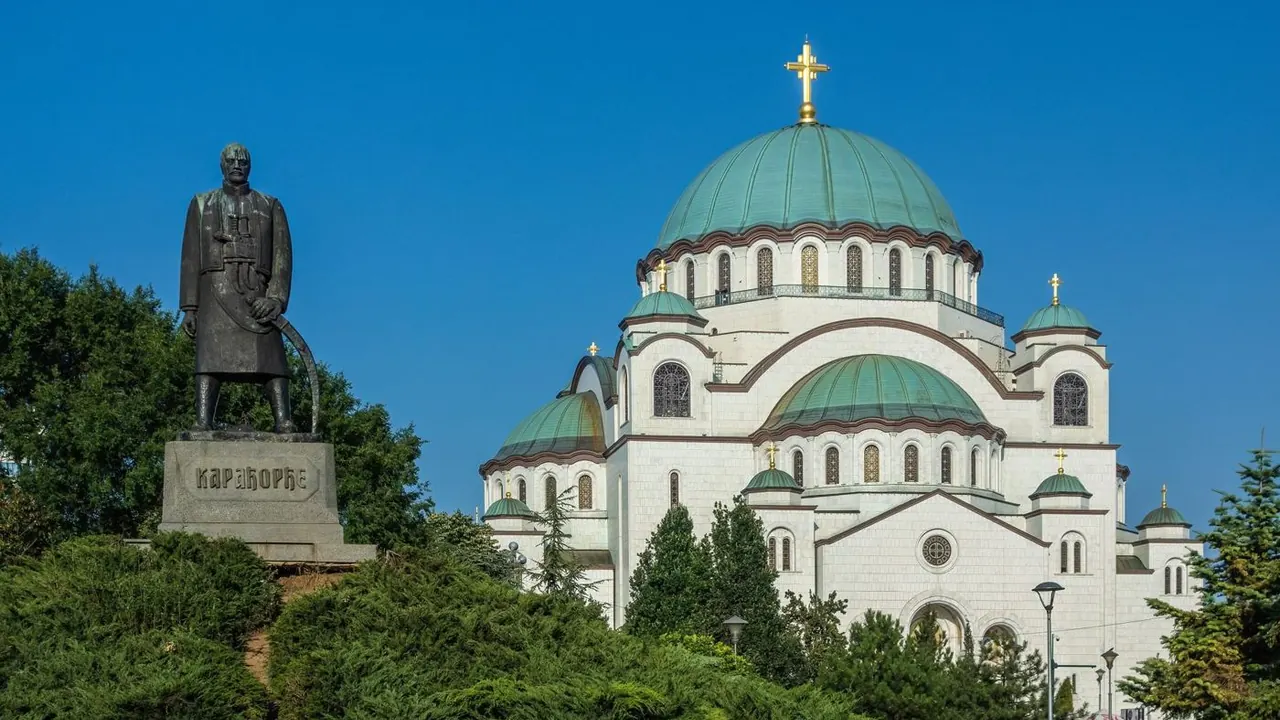
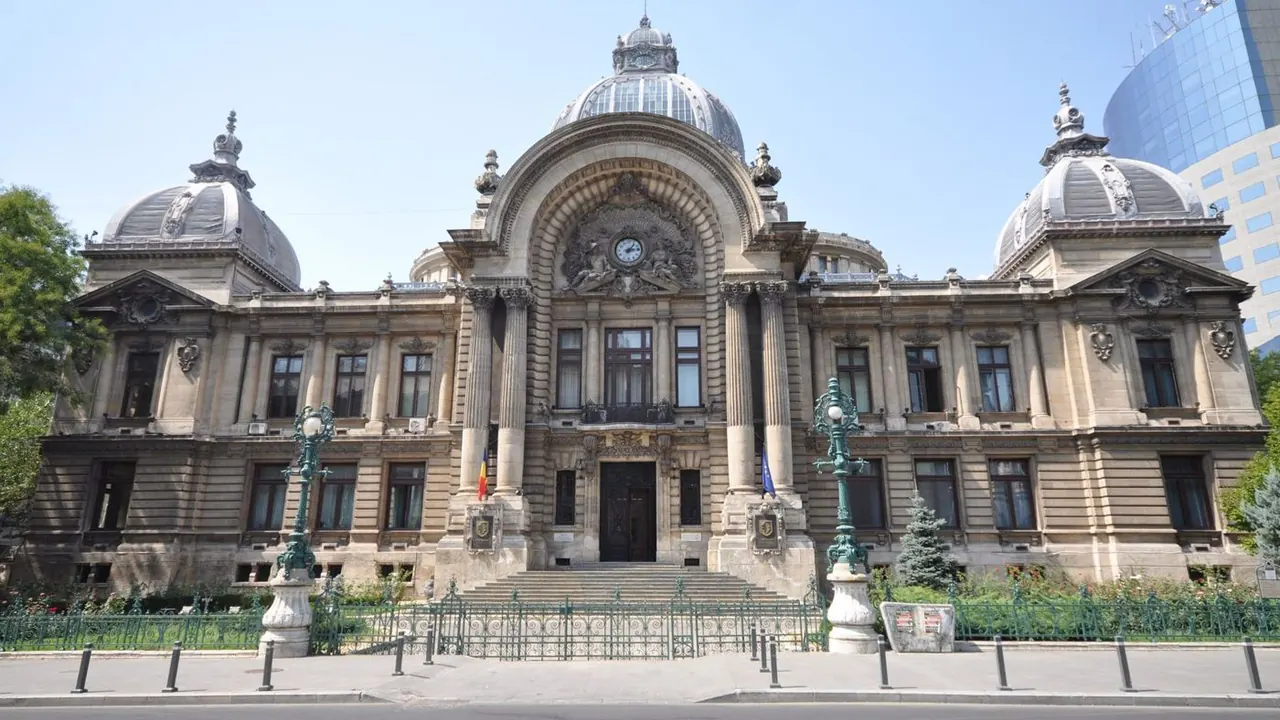
Photos: Belgrade by Petar Milošević, CC BY-SA 4.0, cropped; Bucharest by Jorge Láscar, CC BY 2.0, cropped.
Belgrade or Bucharest?
Our verdict in twelve categories, each scored against the same fixed benchmark cities, and the climate month by month, so you can choose for your trip.
Choose Belgrade for
- beaches
- nightlife
- day trips
Belgrade suits a trip built around the evenings. Its river clubs, Dorćol bars and long kafana nights make it the stronger place to go out, and in summer the gravel beaches of Ada Ciganlija give you a proper swim that Bucharest cannot match. Easy outings to Novi Sad and the Fruška Gora wine country fill the days between.
Choose Bucharest for
- wellness
- families
- culture and sights
For a slower and more varied city stay, choose Bucharest. The Belle Epoque mansions of Calea Victoriei, the Palace of the Parliament and the Village Museum give it a little more to see. The large thermal complex north of the city offers a real day of rest, and children have more to do. Its classical music, centred on the Athenaeum, is a reason to go in its own right.
Scoreboard
Twelve categories on one fixed scale from 0 to 100. The shaded stretch is the gap between the two.
Your match
Pick a travel style or drag the sliders, and both match scores follow your weighting.
Too close to call, 2 points apart
Wins on beaches and nightlife with your weighting.
Wins on wellness and families with your weighting.
What matters to you?
Category by category
What the scores mean for a trip.
Beaches & swimming
Belgrade clearly wins here, which is unusual for an inland capital. Ada Ciganlija's 7km of gravel shore on the Sava lake gives it a real summer swimming scene, with lifeguards and warm, shallow water. The sandy Lido on Great War Island is a quieter spot, reached by boat.
Bucharest has nothing like it. Its city lakes are for boating, not swimming, and the Black Sea is a separate trip, so in the heat the choice is Lake Snagov or a pool complex on the edge of town.
Food & drink
Both kitchens are hearty and built around meat, and you eat about as well in one as in the other. Belgrade is the grill city, with ćevapi, pljeskavica and kajmak at the kafanas of Skadarlija and Zemun, where rakija and a band come with the meal.
Bucharest leans more on soups and slow-cooked dishes such as ciorba and sarmale with polenta. It also has a broader modern layer of bistros, specialty coffee and wine bars around Dorobanti and Piata Romana, so anyone looking beyond the traditional table has more choice there. In both cities the markets are worth a morning: Kalenić and Zeleni Venac in Belgrade, Piata Obor in Bucharest.
Culture & sights
Bucharest has the edge, with more major sights to fill two or three days. Along Calea Victoriei are the Romanian Athenaeum and the Belle Epoque mansions, and beyond them stand the vast Palace of the Parliament, the National Museum of Art in the former royal palace and the open-air Village Museum.
Belgrade has fewer sights and leans heavily on Kalemegdan, whose layered walls above the meeting of the two rivers are the best thing in the city. The gold mosaics of Saint Sava and the Museum of Yugoslavia complete the main list. Both cities were rebuilt many times, but in Bucharest the contrasts are bolder, while Belgrade's older streets survive only in patches.
Nightlife
Belgrade is the stronger night out, and for many visitors going out is the reason to come. Its signature is the splav, a floating club moored on the Sava or Danube. Add Dorćol's pavement bars and the big clubs, where people dress up and book a table to order by the bottle.
Bucharest also stays out late, but most of its nightlife is in the crowded Old Town. The more local nights are in the bars around Piata Romana, the garden bars in old villas and the techno and minimal clubs that play past sunrise. Fans of electronic music may prefer Bucharest, but for range and the river setting Belgrade wins.
Nature & outdoors
Neither city has dramatic scenery close by, and both build their outdoor life around water. Belgrade's is shaped by its rivers: long promenades on the Sava and Danube for walking and cycling, the protected wetland of Great War Island, the forest paths of Ada Ciganlija, and easy hikes among the vineyards of Fruška Gora an hour north.
Bucharest is flat and its outdoors means parks: Herastrau's lake, the reed wetland of Vacaresti for birdwatching and the forests of Comana nearby. Its big advantage is the Bucegi mountains around Sinaia, about two hours away, with cable cars, proper hiking and winter skiing, though they are best given a night.
Day trips
Belgrade has the easier and fuller choice of outings. Novi Sad and its Petrovaradin fortress are under an hour by fast train, and Sremski Karlovci and the Fruška Gora monasteries add wine and churches in the same day. The Smederevo fortress and the Roman site of Viminacium lie to the south-east.
From Bucharest, Sinaia and Peles Castle make one excellent day, with Mogosoaia palace and the Snagov monastery closer in. After that the choice runs thin. Brasov and Bran are about three hours away and really need an overnight stay.
Good for families
Bucharest is the easier city with children. The Grigore Antipa natural history museum, the farmhouses and windmills of the Village Museum, boat hire in the parks and the huge thermal complex with slides give it several full days, some of which work in any weather.
Belgrade has Kalemegdan, with ramparts, tanks outside the military museum and a small zoo, plus Ada Ciganlija's shallow lake in summer, but little else built for children. The two share the same drawbacks: heavy traffic, hot summers and pavements blocked by parked cars, so neither is easy with a pushchair.
Getting around
Both cities have a walkable centre and congested streets beyond it, so the difference lies in how you travel. Belgrade has no metro. Its trams, trolleybuses and buses reach everywhere but are crowded and hard for a visitor to work out, and the centre has steep climbs up from the rivers.
Bucharest has a simple, reliable metro, though it misses parts of the centre, and its flat boulevards are long, with wide crossings. In both cities visitors rely on cheap ride-hailing, and a car is more trouble than it is worth.
Shopping & style
Neither city is a shopping destination, and what they offer is similar: malls for the international chains, one main street, and local designers in the residential districts. Belgrade's main street is Knez Mihailova, with young designers in Dorćol and Vračar. Bucharest has a few more luxury labels along Calea Victoriei.
For gifts, Belgrade's markets are the place for honey, ajvar and rakija. In Bucharest, the Village Museum shop and the craft fairs in the parks are better for embroidered blouses, ceramics and painted eggs.
Affordability
The two are equally good value, and your daily spending stays modest in either. In Belgrade the savings show at the table and in taxis, while central rooms are the main cost. Bucharest's hotels are reasonably priced for a capital and its metro costs very little. In both cities, the smarter cocktail bars and international restaurants are where bills climb.
Live music & performing arts
The two are close, with serious classical calendars in both, but they differ in character. Belgrade has opera and ballet at the National Theatre on Republic Square, the Philharmonic at the historic Kolarac hall, and the BITEF and BEMUS festivals in autumn. Its most distinctive music, though, is the tamburica and old-town bands playing at the tables in the kafanas of Skadarlija and Zemun.\n\nBucharest's concert life has the grander centrepiece.
The frescoed Romanian Athenaeum is home to the George Enescu Philharmonic, and the Enescu Festival, founded in 1958 and held every other year, brings leading orchestras for several weeks in late summer and early autumn. In both cities, theatre is mostly in the local language.
Wellness & relaxation
Bucharest is clearly better for unwinding, thanks to the vast thermal complex half an hour north of the city. Its warm pools under a glass dome, saunas and quiet areas among palms make a full day of rest.
Belgrade has no bathing tradition, only hotel spas, and Serbia's spa towns are hours away. Its calm comes from long coffees on terraces and the lake at Ada Ciganlija, set against late nights, heavy traffic and smoking indoors.
When should you go?
Pick your month. The climate figures are measured averages, not a forecast.
Belgrade in July
Bucharest in July
Daytime high, °C
Rainfall in the month, mm
Temperature and rainfall are climate normals, averaged over the years shown. Belgrade: 1991-2020 normals, Beograd (2.1 km from centre). Bucharest: 1991-2020 normals, Bucuresti / Imh (10 km from centre).
The two cities share a continental climate and follow almost the same calendar. Both are good for walking from late April to early June and again in September, with highs of around 24°C. July and August are hot in both, around 30°C. In Belgrade that is the time for a swim from the gravel shore of Ada Ciganlija, right in the city. Bucharest has no swimming in the city itself, so cooling off means a trip out to the edge of town, and sightseeing along the wide boulevards gets tiring by midday.
June is the wettest month in each city, a little more so in Belgrade at 95mm, though the summer months stay sunny in both.\n\nWinter is grey and cold in both cities. Bucharest is a couple of degrees colder, at 3°C in January. In December and January both get only about two hours of sunshine a day, rising to three or four in November and February. Neither is a place for winter sun. In the cold months you go for Belgrade's indoor clubs or Bucharest's concert and opera season.
Which traveller are you?
For a food and nightlife trip, Belgrade is the better choice. Its floating splav clubs on the rivers, packed Dorćol bars and long kafana evenings of grilled meat, rakija and live bands put the night at the centre of a stay, more than Bucharest's Old Town does.
On a relaxing and wellness trip, Bucharest comes out ahead. The huge thermal-water complex north of the city gives you a full day of warm pools and saunas, and Herastrau's lake is calm. Belgrade offers only hotel spas, loud traffic and late nights.
On a family trip with children, Bucharest is the easier city. The natural history museum, the farmhouses of the Village Museum, boat hire in the parks and the slides at the thermal complex fill several days. Belgrade has Kalemegdan and lake swimming in summer, but little else for children.
Before you go
| Measure | Belgrade | Bucharest |
|---|---|---|
| Official language | Serbian | Romanian |
| Currency | Serbian Dinar (RSD) | Romanian Leu (RON) |
| Sockets | CF230 V, 50 Hz | CF230 V, 50 Hz |
| Driving side | Right | Right |
| Time zone | UTC+1, UTC+2 in summer | UTC+2, UTC+3 in summer |
| Emergency number | Police 92/192, ambulance 94/194, fire 93/193 | 112 |
| Elevation | 117 m | 70 m |
| Main airport | Belgrade Nikola Tesla Airport (BEG)12 km from centre125 non-stop destinations | Bucharest Henri Coandă International Airport (OTP)18 km from centre121 non-stop destinations |
| Public holidays this year | 11 days | 17 days |
By the numbers
| Measure | Belgrade | Bucharest |
|---|---|---|
| City population | 1,197,714 | 1,716,961 |
| People per km² | 3,327 | 7,597 |
| Museums within 10 km | 65 | 41 |
| UNESCO World Heritage sites within 50 km | 0 | 0 |
Where else could you go?
Every comparison below shares a destination with this one, so you can follow Belgrade or Bucharest somewhere new.