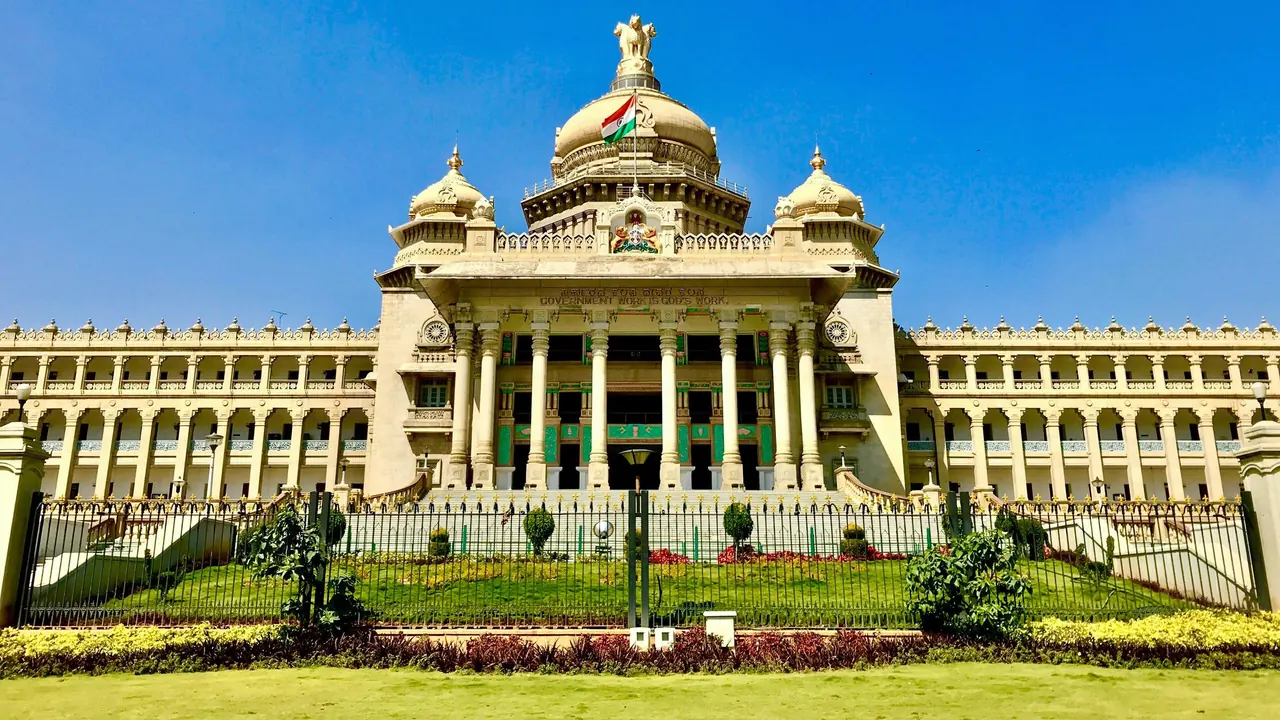
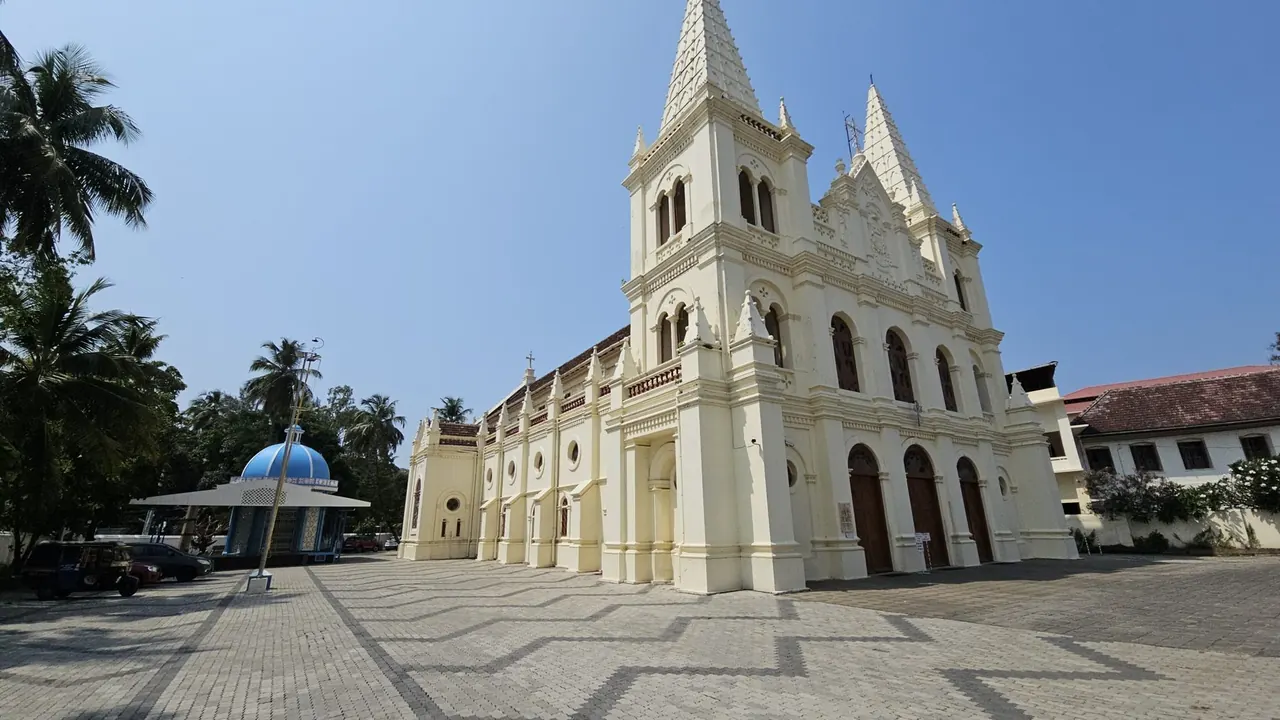
Photos: Bengaluru by IM3847, CC BY-SA 4.0, cropped; Kochi by Vis M, CC BY-SA 4.0, cropped.
Bengaluru or Kochi?
Our verdict in twelve categories, each scored against the same fixed benchmark cities, and the climate month by month, so you can choose for your trip.
Choose Bengaluru for
- nightlife
- shopping
- live music and the arts
Bengaluru suits travellers who want a modern Indian city with evenings to match. Its brewpub and bar districts are the liveliest in this pairing, its breakfast culture of darshinis and filter coffee is a reason to visit in itself, and its silk lanes and malls give shoppers more to work with. The mild plateau air helps too. It is a poor choice for anyone hoping to walk between sights, though, and its heritage is scattered rather than concentrated.
Choose Kochi for
- beaches
- wellness
- culture and sights
Kochi is the better pick for a slower, more atmospheric trip. Fort Kochi and Mattancherry pack centuries of spice-trade history into lanes you can explore on foot, the backwaters and canals are right on the doorstep, and Ayurveda here is a serious medical tradition rather than a spa menu. It is also the cheaper of the two. Evenings, on the other hand, end early and quietly.
Scoreboard
Twelve categories on one fixed scale from 0 to 100. The shaded stretch is the gap between the two.
Your match
Pick a travel style or drag the sliders, and both match scores follow your weighting.
Wins on nightlife and shopping with your weighting.
Wins on beaches and wellness with your weighting.
What matters to you?
Category by category
What the scores mean for a trip.
Beaches & swimming
Neither city is a beach destination, but Kochi at least has the sea within reach. Cherai Beach, about an hour north, is a long palm-backed strand with a lagoon behind it, good for a swim in the calm months, though the sand at Fort Kochi itself is only for evening walks.
Bengaluru sits on a plateau far inland, and the nearest coast is an overnight trip away. Swimming there means a hotel pool, so beach time has to be planned as a separate leg in Goa, Kerala or coastal Karnataka.
Food & drink
Both are excellent places to eat, and the difference is one of flavour and timing. Bengaluru is at its best in the morning, with stand-up darshinis, crisp dosas and filter coffee, then military-hotel biryanis and the VV Puram street-food lanes later on. It also brings together cooking from every corner of India, and its brewpubs add good beer.
Kochi's cooking is coconut, pepper and seafood: pearl spot in banana leaf, sour kudampuli fish curry, Syrian Christian duck roast and Malabar snacks, with fish from the nets cooked to order. Drink is the weak point, limited mostly to hotels and toddy shops.
Culture & sights
Kochi has the stronger and more coherent heritage. Fort Kochi and Mattancherry make one historic district shaped by Portuguese, Dutch, British and Jewish traders, where you can walk from St Francis Church to the tiled Paradesi Synagogue and the murals of Mattancherry Palace in an afternoon. The Biennale brings contemporary art to the warehouses in the years it runs.
Bengaluru's sights are fewer and far apart: Tipu Sultan's wooden palace, Bangalore Palace, the Vidhana Soudha and the Bull Temple each need a separate ride. Its finest heritage lies out of town.
Nightlife
This is Bengaluru's strongest advantage. India's self-styled pub city fills 100 Feet Road, Koramangala and the Church Street area with brewpubs, cocktail bars and a young after-work crowd, although early closing means it is a night of drinking rather than dancing.
Kochi has almost none of this. Alcohol is tightly controlled, the few bars are mostly in hotels, and an evening means a sunset walk by the fishing nets followed by dinner.
Nature & outdoors
Around Bengaluru the land is dry granite country. The main outings are early walks in Cubbon Park and Lalbagh, sunrise at Nandi Hills, climbing on the Ramanagara boulders and a safari at Bannerghatta. Heavy traffic out of the city cuts into every one of these trips.
Kochi has the richer landscape, and it sits closer to hand because it is built on water. You can kayak or take a country boat through the canals of Kumbalangi and around Vembanad Lake, watch herons in the Mangalavanam mangroves, or head inland for the birdlife of Thattekad and the falls at Athirappilly. Its weak point is the monsoon, which stops many outdoor plans.
Day trips
The two are evenly matched for excursions, but the days out feel different. From Bengaluru they are about royal and temple history: the express train to Mysuru's palace, Tipu Sultan's island capital at Srirangapatna, the Hoysala temple at Somanathapura and the painted ceilings of Lepakshi.
From Kochi the trips lean towards water and older trade routes, with houseboats and ferries from Alappuzha, the Roman-era port remains of Muziris and Thrissur's great temple. Both cities suffer from slow roads.
Good for families
Bengaluru has more places built for children, while in Kochi the appeal comes from everyday sights that children enjoy. Bengaluru has the zoo, butterfly park and big-cat safari at Bannerghatta, plus the science museum and planetarium near Cubbon Park, and its milder air is a real comfort. The catch is the long car rides between them.
Kochi's attractions are ferry crossings, backwater boats and watching the fishing nets being hauled in. The humidity never lets up, so families usually do best with a pool hotel and outings kept to the cooler mornings.
Getting around
Kochi is the easier of the two by some distance. The old quarter is compact and flat enough to walk, and the ferries and water metro across the harbour to Ernakulam are a pleasure rather than a chore.
Bengaluru has no walkable centre. Its traffic jams are notorious, so a few kilometres can take an hour. The Namma Metro helps along its lines, but most trips end in an auto or app taxi, and days work best planned one district at a time.
Shopping & style
Bengaluru gives shoppers more range. Mysore silk in the crowded lanes of Chickpet, sandalwood carving and Channapatna's lacquered toys in the state emporia, everyday fashion on Commercial Street, Indian designer labels in Indiranagar and large malls all sit in one city.
Kochi's shopping is narrower but full of character: antique dealers in the old Jew Town warehouses, spice merchants selling pepper and cardamom by the sack, and kasavu handloom. Beyond those and one huge mall, there is little else.
Affordability
Both are cheap by international standards, and Kochi is cheaper still. Fort Kochi's family homestays, banana-leaf meals and largely free sights keep daily costs very low, and the scarcity of alcohol limits evening spending. The only real costs are optional extras such as heritage hotels and private houseboats.
Bengaluru's hotels are set up for business travel, so better rooms cost more on weekdays, and heavily taxed beer means a night in the brewpubs adds up quickly.
Live music & performing arts
Bengaluru's stage life is a broad local mix, while Kochi's rests on one classical tradition performed every night. In Bengaluru that means Carnatic music in the sabhas and at Chowdiah Memorial Hall, theatre in three languages at Ranga Shankara, and rock and indie gigs in bars most weekends.
Kochi has nightly Kathakali in small Fort Kochi theatres, where you can watch the performers put on their make-up first, often followed by Kalaripayattu. In festival season, temple drumming adds to it. It is worth one evening, while Bengaluru rewards several.
Wellness & relaxation
Kochi is far the better place to slow down. Kerala is Ayurveda's home ground, and treatment here ranges from a shirodhara session at a Fort Kochi clinic to doctor-supervised courses lasting weeks. The quiet lanes of the old quarter and the backwater resorts beyond make for real stillness.
Bengaluru has good yoga schools, Ayurvedic clinics and retreats on its outskirts, but the city itself is loud and congested. Its calm is limited to early mornings in the parks and the old garden suburbs.
When should you go?
Pick your month. The climate figures are measured averages, not a forecast.
Bengaluru in July
Kochi in July
Daytime high, °C
Rainfall in the month, mm
Where the figures come from
Kochi has no weather station within reach, so its figures come from a gridded climate model rather than a measured record, and read a broad area rather than the city itself.
Temperature and rainfall are climate normals, averaged over the years shown. Bengaluru: 1991-2020 normals, Bangalore (1.6 km from centre). Kochi: 2001-2020 normals, NASA POWER reanalysis grid, no weather station within 90 km.
Bengaluru's height keeps it milder than most of India. December to March is the best time to walk the city: dry, sunny and warm without being oppressive. April and May are the hottest months, peaking around 34°C, and they are also when the rain starts to build, with May already wetter than June. The wet season then runs through the summer and peaks in September and October at about 200mm a month. Even then the heat stays moderate, though July and August see little sunshine.
Kochi is hotter and far wetter. December to February is the time to aim for: dry, with highs in the low thirties and a sea at around 29°C for a swim at Cherai. Showers build through April, and in May the monsoon arrives in force, with nearly 494mm in June. The surf makes swimming unsafe until autumn. October and November stay wet too, so Kochi's good season is shorter than Bengaluru's. The monsoon months are, though, the traditional time for Ayurvedic treatment.
Which traveller are you?
For a food and nightlife trip, Bengaluru is the clear choice. Its brewpubs and rooftop bars around Indiranagar and Koramangala give you long evenings over local beer, while Kerala's tight alcohol rules mean Kochi's nights end with dinner and an early bed.
On a relaxing and wellness trip, Kochi wins. Kerala is the home of Ayurveda, and Kochi has doctor-led treatment courses lasting weeks, quiet shaded lanes in Fort Kochi and backwater resorts nearby. Bengaluru's traffic and noise make real rest hard without leaving town.
For a culture and arts trip, choose Kochi. The synagogue, St Francis Church, the palace murals and the Kathakali theatres all sit within a walkable old quarter. Bengaluru's palaces and temples are fewer and spread across a city that is slow to cross.
Before you go
| Measure | Bengaluru | Kochi |
|---|---|---|
| Official language | Hindi, English | Hindi, English |
| Currency | Indian Rupee (INR) | Indian Rupee (INR) |
| Sockets | CM230 V, 50 Hz | CM230 V, 50 Hz |
| Driving side | Left | Left |
| Time zone | UTC+5:30 | UTC+5:30 |
| Emergency number | 108 or 112 | 108 or 112 |
| Elevation | 920 m | 0 m |
| Main airport | Kempegowda International Airport Bengaluru (BLR)27 km from centre98 non-stop destinations | Cochin International Airport (COK)24 km from centre36 non-stop destinations |
By the numbers
| Measure | Bengaluru | Kochi |
|---|---|---|
| City population | 12,327,000 | 677,381 |
| People per km² | 16,636 | 7,138 |
| Museums within 10 km | 9 | 4 |
| UNESCO World Heritage sites within 50 km | 0 | 0 |
| Swim season, months above 21 °C | - | 12 months |
Where else could you go?
Every comparison below shares a destination with this one, so you can follow Bengaluru or Kochi somewhere new.
- Mysorevs Bengaluru
- Mysorevs Kochi
- Pondicherryvs Bengaluru
- Chennaivs Bengaluru
- Pondicherryvs Kochi
- Colombovs Kochi