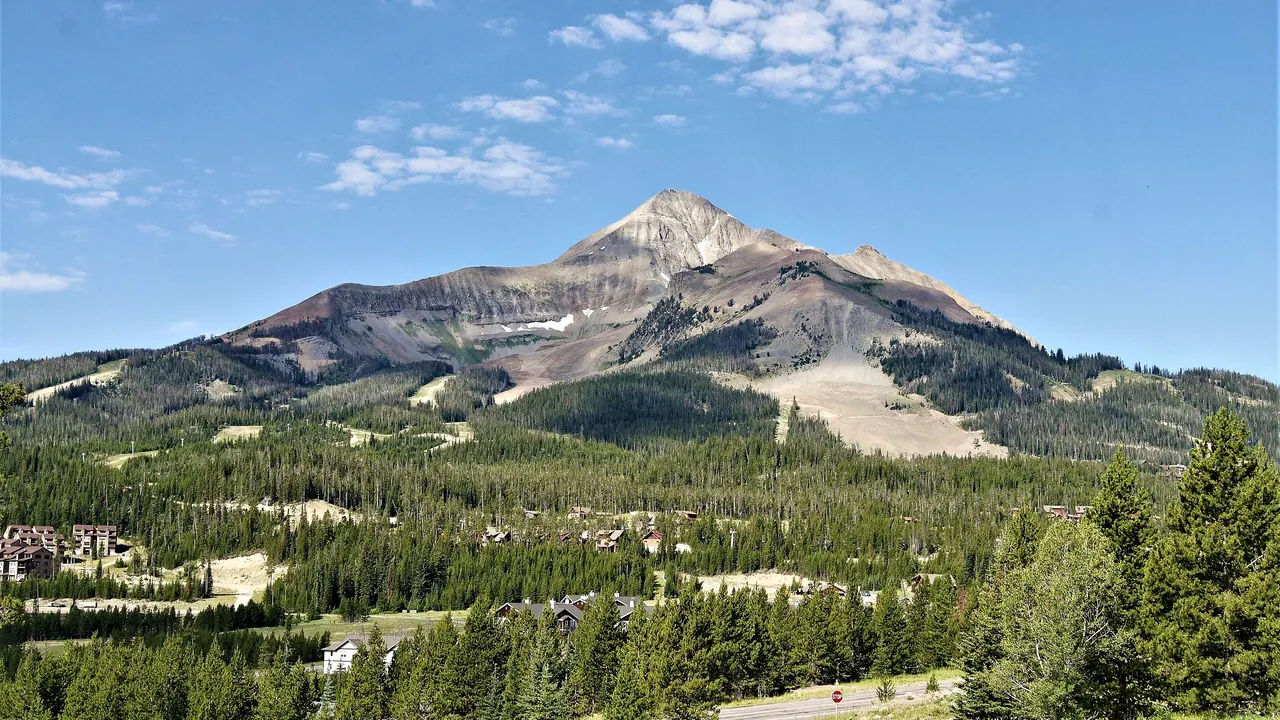
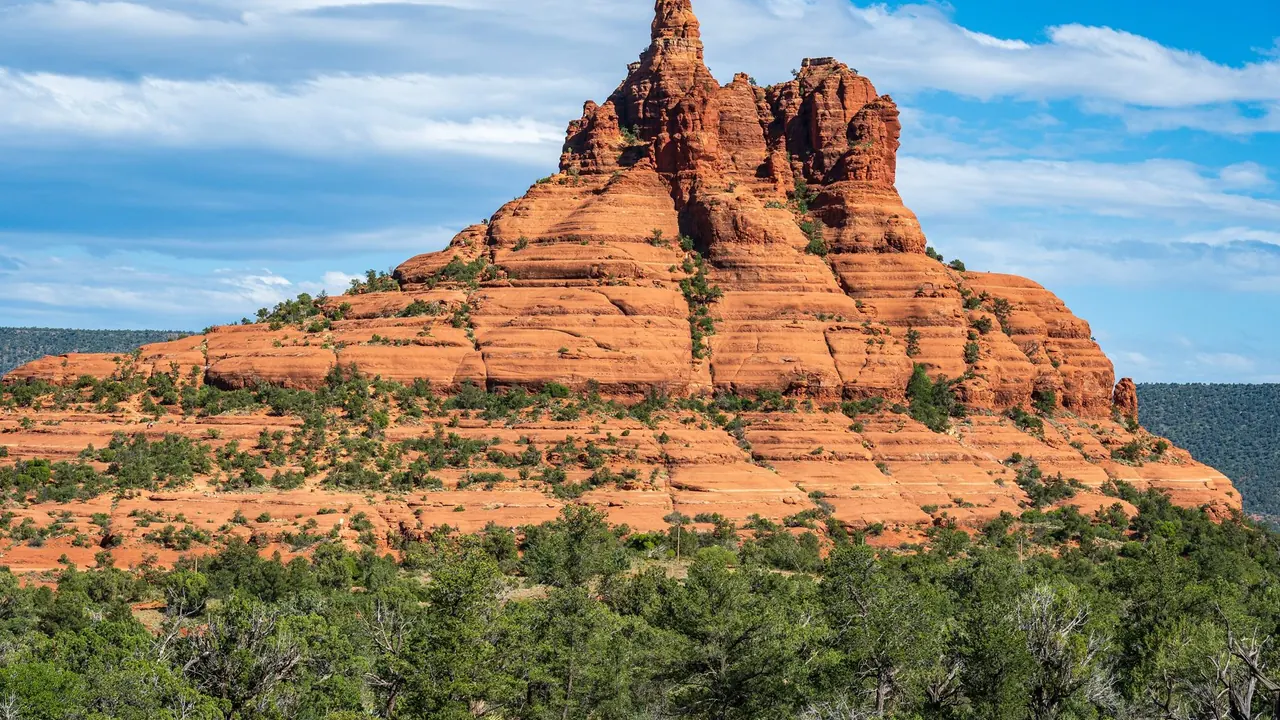
Photos: Big Sky by Greg Gjerdingen, CC BY 2.0, cropped; Sedona by dconvertini, CC BY-SA 2.0, cropped.
Big Sky or Sedona?
Our verdict in twelve categories, each scored against the same fixed benchmark cities, and the climate month by month, so you can choose for your trip.
Choose Big Sky for
- families
- nightlife
- live music and the arts
Big Sky is the choice when the mountain is the whole point. It suits skiers who want big, high terrain and lifts outside the door in winter, and families who want ski school, a summer adventure park and Yellowstone wildlife within reach. Evenings are après-ski rather than late nights, and you need a generous budget.
Choose Sedona for
- wellness
- day trips
- shopping
Sedona is better for travellers who want red-rock walking alongside a slower, more restorative trip: spa treatments, yoga and sunrise walks to the vortexes, with galleries, ancient cliff dwellings and Verde Valley towns to fill the days off the trail. It is the stronger pick in spring and autumn, and for anyone with no interest in snow.
Scoreboard
Twelve categories on one fixed scale from 0 to 100. The shaded stretch is the gap between the two.
Your match
Pick a travel style or drag the sliders, and both match scores follow your weighting.
Wins on families and nightlife with your weighting.
Wins on wellness and day trips with your weighting.
What matters to you?
Category by category
What the scores mean for a trip.
Beaches & swimming
Neither place has a beach, but Sedona at least gives you a proper swim. Slide Rock's sandstone chute and the deeper pools at Grasshopper Point and Red Rock Crossing make a cool break below the red cliffs on a hot afternoon, though they fill up fast.
In Big Sky the Gallatin River is too cold and fast for anything but a paddle at the edge, so summer swimming means a hotel pool or a small reservoir.
Food & drink
Both towns serve resort food at resort prices, but Sedona has a little more range. Big Sky cooks hearty mountain fare, such as bison, elk, trout and big pre-ski breakfasts, and some kitchens cut their hours between seasons, so for variety you drive to Bozeman.
Sedona adds Southwestern cooking with chilli and corn, plenty of choice for vegetarians and health-minded eaters, sunset terraces facing the rocks, and Verde Valley tasting rooms just down the road.
Culture & sights
Sedona offers more to see, though it is still modest. The Chapel of the Holy Cross, built into a butte, is a real sight. The Sinagua cliff dwellings at Palatki and Honanki and the V Bar V petroglyphs lie a short drive away, and the town has many galleries of Western and Native American art.
Big Sky, built from the 1970s on, has little beyond the log cabins of the Crail Ranch homestead in Meadow Village.
Nightlife
Big Sky has the better hour after the lifts close. In ski season, people still in their boots crowd the base-area decks in Mountain Village, a few Town Center taverns stay open after dinner, and old saloons in the Gallatin Canyon have pool tables and a ranch-country crowd. In spring and autumn the resort goes almost silent.
Sedona is quieter still. Its brewpubs, wine bars and resort lounges in Uptown are good for one drink after dinner, and the main event is the dark desert sky.
Nature & outdoors
Both are first-rate outdoor destinations, but they offer very different landscapes. Big Sky is alpine: Lone Peak towers over the ski runs, summer trails lead into the Spanish Peaks and Lee Metcalf Wilderness, and the Gallatin River offers fly fishing and rafting, with Yellowstone's geysers and wolves about an hour south.
Sedona is red-rock desert, with sandstone buttes such as Cathedral Rock and Bell Rock, the arch at Devil's Bridge, slickrock singletrack for mountain bikers and jeep roads into the backcountry. Oak Creek Canyon climbs into pine forest, and the Grand Canyon's South Rim is about two hours away.
Day trips
Sedona has far more to fill a day away. Jerome, an old copper town on a mountainside, the Verde Canyon Railroad, and the ancient sites of Montezuma Castle, Tuzigoot, Walnut Canyon and Wupatki are all within reach, with Flagstaff and Prescott as pleasant small towns besides.
From Big Sky the choice is thinner: Bozeman and its dinosaur fossils at the Museum of the Rockies, then the gold-rush boardwalks of Virginia City and Nevada City two hours out.
Good for families
Big Sky does more for children. Its ski school and beginner slopes make winter simple, and in summer the base area becomes an adventure park with zip lines, a climbing wall and gondola rides, plus horse riding and calm-water rafting. The altitude can tire small children for the first day or two.
Sedona has Slide Rock, short trails and jeep tours, but little else aimed at children, and its summer heat and exposed trails need care.
Getting around
Big Sky has a free bus that runs the 15km from the Gallatin Canyon through Meadow Village and Town Center to Mountain Village, and slopeside lodging lets skiers manage without a car until they head for Yellowstone. Bozeman airport is about an hour away, though winter driving through the canyon needs care.
Sedona has no link like that, only a shuttle to some of the busiest trailheads, so a car does almost everything beyond walkable Uptown. Weekend traffic builds up around the Y junction, trailhead car parks fill early, and the drive up from Phoenix takes about two hours.
Shopping & style
Sedona is the better place to browse. Tlaquepaque's courtyards and the galleries along the main road sell Native American jewellery, pottery and rugs alongside Western painting, and the crystal and metaphysical shops are a local speciality.
Big Sky offers ski and fly-fishing gear, a few Western boutiques and wildlife art, and serious shoppers head to Bozeman.
Affordability
Both are expensive, but Big Sky is the harder on a budget. Slopeside lodging, lift passes, ski school and guided fishing add up quickly in winter, and summer is the cheaper season.
In Sedona the trails need only a parking pass and a picnic costs little. Staying in Cottonwood or Flagstaff cuts the room bill further, though jeep tours, balloon flights and spa treatments are where the money goes.
Live music & performing arts
Big Sky has slightly more of a programme. A performing arts centre in Meadow Village brings in touring musicians, chamber music and theatre in winter, and summer adds free concerts on the Town Center lawn and a short classical festival.
Sedona has an occasional arts calendar: its long-running film festival in late winter, some chamber concerts and local theatre, and acoustic sets or Native American flute in resort bars.
Wellness & relaxation
Wellness is one of Sedona's main draws and only a pleasant extra in Big Sky. Sedona's destination spas look out over red canyons, and yoga studios, meditation, breathwork and alternative therapies fill the town. Walks to the vortexes at sunrise give a trip its own rhythm.
In Big Sky, wellness mostly means a deck hot tub and a lodge massage for sore ski legs, though the natural hot springs towards Bozeman offer something Sedona does not.
When should you go?
Pick your month. The climate figures are measured averages, not a forecast.
Big Sky in July
Sedona in July
Daytime high, °C
Rainfall in the month, mm
Where the figures come from
Big Sky has no weather station within reach, so its figures come from a gridded climate model rather than a measured record, and read a broad area rather than the city itself.
Sedona's station stands 153 m above the city centre, so the centre is likely a little warmer than the figures say.
Sedona has no rain gauge within 25 km of the centre, so its rainfall comes from a gridded climate dataset read at the city rather than from a gauge further away.
Temperature and rainfall are climate normals, averaged over the years shown. Big Sky: 2001-2020 normals, NASA POWER reanalysis grid, no weather station within 90 km. Sedona: 2009-2025 (rainfall 1991-2020) normals, Sedona / West Sedona (1.3 km from centre).
The two run on opposite calendars. Big Sky is a snow resort from late autumn into spring, with daytime highs around -4°C in midwinter, which is ideal for skiing and too cold for much else. Spring is wet and slushy. The short summer is the other high point: July and August reach about 26°C and are the driest months, so they suit hiking, fishing and rafting. September is crisp and still pleasant.
Sedona is at its best when Big Sky is in between seasons. March to May and October to November bring warm, mostly dry days of around 22°C, perfect for long trail days. June to August climbs to 34°C, so hikes have to start at dawn, and July and August also bring summer storms, with up to 56mm of rain. Winter is mild enough for walking, with only the odd dusting of snow.
Which traveller are you?
On a family trip with children, Big Sky works as a base for a whole week. In winter, lessons fill the mornings. In summer, days at the resort alternate with drives into Yellowstone. Sedona is better as a two-day stop on a Grand Canyon loop.
For a relaxing and wellness trip, Sedona suits a slow retreat of several days in spring or autumn: an early hike while it is cool, then yoga or a treatment in the afternoon. In Big Sky, rest is the reward for a ski day rather than the point of the trip.
Skiers have only one real choice here. Lone Peak's high, steep runs and long groomers make Big Sky one of North America's largest ski areas, with ski-in lodging and après-ski decks. Sedona has no slopes, only occasional snow on the red rock.
Before you go
| Measure | Big Sky | Sedona |
|---|---|---|
| Currency | US Dollar (USD) | US Dollar (USD) |
| Sockets | AB120 V, 60 Hz | AB120 V, 60 Hz |
| Driving side | Right | Right |
| Time zone | UTC-7, UTC-6 in summer | UTC-7 |
| Emergency number | 911 | 911 |
| Elevation | 2,200 m | 1,319 m |
| Main airport | Bozeman Yellowstone International Airport (BZN)59 km from centre27 non-stop destinations | Phoenix Sky Harbor International Airport (PHX)160 km from centre149 non-stop destinations |
| Public holidays this year | 12 days | 12 days |
By the numbers
| Measure | Big Sky | Sedona |
|---|---|---|
| City population | 3,591 | 9,684 |
| People per km² | 12 | 195 |
| Museums within 10 km | 0 | 0 |
| UNESCO World Heritage sites within 50 km | 0 | 0 |
Where else could you go?
Every comparison below shares a destination with this one, so you can follow Big Sky or Sedona somewhere new.
- Flagstaffvs Sedona
- Scottsdalevs Sedona
- Phoenixvs Sedona
- Jackson Holevs Big Sky
- Page, Arizonavs Sedona
- Sun Valleyvs Big Sky