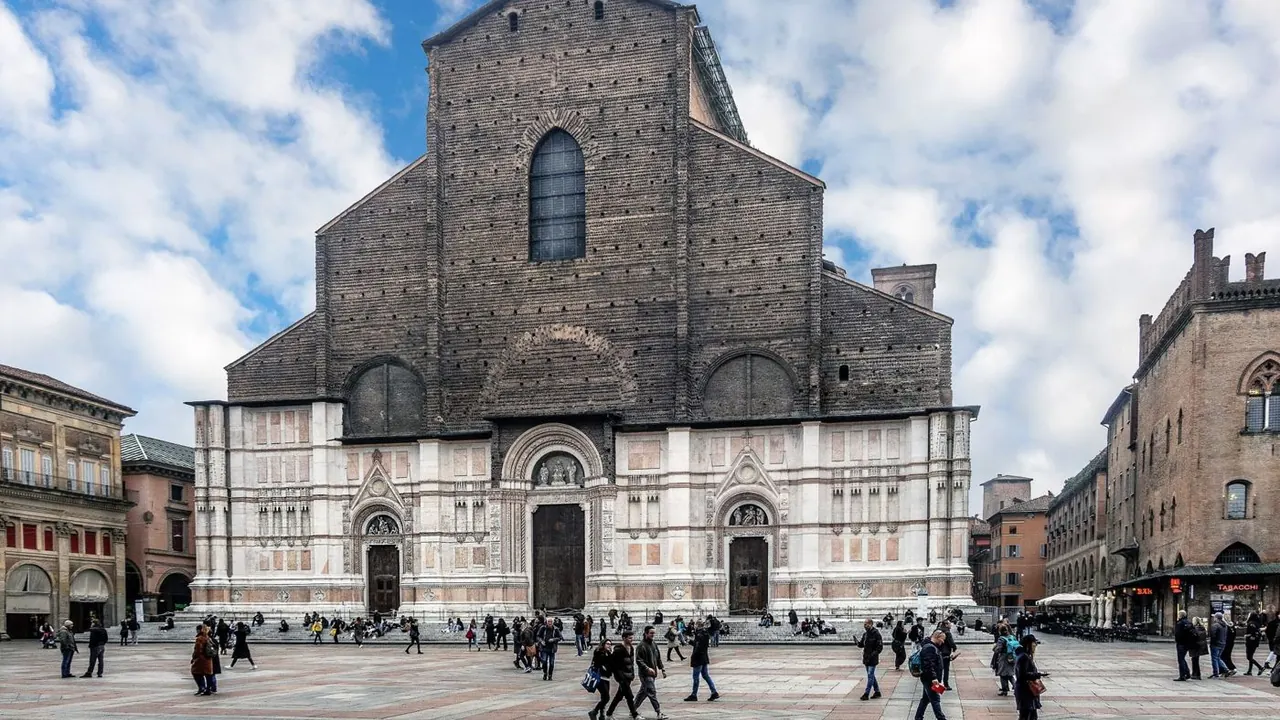
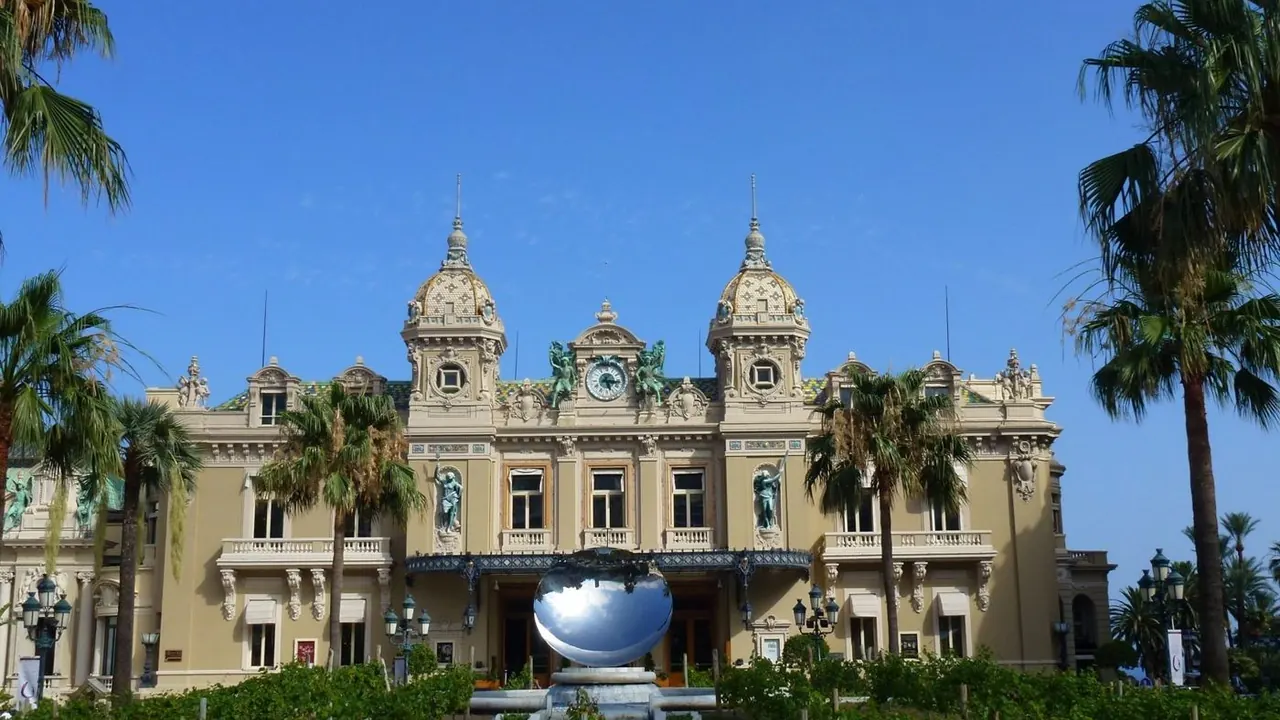
Photos: Bologna by Vanni Lazzari, CC BY-SA 4.0, cropped; Monaco by otterboris, CC BY 3.0, cropped.
Bologna or Monaco?
Our verdict in twelve categories, each scored against the same fixed benchmark cities, and the climate month by month, so you can choose for your trip.
Choose Bologna for
- prices
- food and drink
- culture and sights
Bologna is the choice for travellers who want to eat seriously, walk a whole medieval city and use the trains to see more of Italy. The food is the reason many people come, the brick centre and its porticoes fill two or three days, and Florence, Ravenna and Venice are all within reach for a day. It costs far less than Monaco, and its student bars keep the evenings informal.
Choose Monaco for
- beaches
- nature and the outdoors
- wellness
Monaco works best as a polished seaside stay where money is no great worry. You get clear water at Larvotto, steep coastal paths to Èze and Cap Martin, a fine aquarium for children and seawater spas, all on a dramatic stretch of the Riviera. It is a place for a few glamorous days rather than a deep look at history or food, and many visitors base themselves along the coast to keep costs down.
Scoreboard
Twelve categories on one fixed scale from 0 to 100. The shaded stretch is the gap between the two.
Your match
Pick a travel style or drag the sliders, and both match scores follow your weighting.
Too close to call, 2 points apart
Wins on prices and food and drink with your weighting.
Wins on beaches and nature and the outdoors with your weighting.
What matters to you?
Category by category
What the scores mean for a trip.
Beaches & swimming
Bologna is inland, and swimming plays no part in a stay there. The nearest sea is the Romagna Riviera around Rimini, about an hour by train, where the Adriatic is warm but shallow and often green, and the shore is lined with rows of rented sunbeds.
Monaco has the sea at its feet, though not much sand. Larvotto is short and groomed but has clear, calm water, and the coves of Cap d'Ail and the longer beaches of Menton and Nice are close by. If swimming matters to the trip, Monaco is far better placed.
Food & drink
This is Bologna's strongest ground. Tagliatelle al ragù, tortellini in brodo and mortadella are made with care in old osterie, the Quadrilatero lanes are full of delicatessens, and Parmigiano and balsamic vinegar come from towns nearby. The cooking is heavy and almost entirely Emilian, but it is the real thing at everyday prices.
Monaco eats at the top end, in starred hotel dining rooms and harbour terraces where the view counts as much as the plate. The Riviera cooking of fish, olive oil and herbs is lighter, and barbagiuan from the Condamine market is a good local snack. Casual eating is scarce, which is why many visitors go to Menton or Nice for an ordinary meal.
Culture & sights
Bologna has much more to see. Its entire medieval brick centre is the main attraction: the porticoes that UNESCO lists, San Petronio on Piazza Maggiore, the Two Towers and the seven churches of Santo Stefano. Add the anatomical theatre in the Archiginnasio and the Bolognese painting in the Pinacoteca, and you have two or three full days.
Monaco's sights are fewer and more polished. On the Rock you find the Prince's Palace, the cathedral with Grace Kelly's tomb and the Oceanographic Museum on its cliff. Across the harbour are the Casino and the Belle Époque hotels of Monte-Carlo. A day or two covers it, and the setting stays with you longer than the history.
Nightlife
Bologna's nights are cheaper, looser and more varied, thanks to its huge student population. Crowds spill out of bars around Piazza Verdi, Via del Pratello's taverns stay busy late, and wine bars near the Quadrilatero suit an older crowd. Clubs are out of town, and the city goes quiet in August.
Monaco is about dressing up for hotel bars on the Casino square and glossy clubs along Larvotto and the port. It comes alive in summer and on Grand Prix weekend, but it is calm for the rest of the year, with no pubs or dive bars to fall back on.
Nature & outdoors
Monaco has the more dramatic surroundings. Limestone mountains rise straight from the sea, old mule paths climb from Èze-sur-Mer to the village above, and the Tête de Chien looks down over the whole principality. The clear water also allows snorkelling, diving and paddleboarding, which Bologna cannot offer.
Bologna's outdoors are gentler. The Colli Bolognesi and the arcaded climb to San Luca give easy hill walks from the centre, the Parco dei Gessi has gypsum caves, and the Via degli Dei sets off over the Apennines towards Florence. North of the city the plain is flat farmland, better for cycling than for views.
Day trips
Both make excellent bases, but Bologna has the stronger list. As the rail hub of northern Italy it puts Florence about half an hour away, Ravenna's mosaics and Ferrara's castle about an hour, Modena and Parma a short ride along the Via Emilia, and Venice, Verona and Padua within an hour and a half.
Monaco's trips follow a single coastline: Villefranche and Nice to the west, Menton to the east, Èze and La Turbie on the hill above, and Sanremo and Dolceacqua over the Italian border. These are mostly seaside towns and perched villages rather than great art cities, though Antibes and Saint-Paul-de-Vence add some painting.
Good for families
Monaco gives children a bit more to do. The aquarium in the Oceanographic Museum, with its sharks and turtles, is a real draw, Larvotto's sheltered water suits small swimmers, and the palace guard and the yachts go down well. The downsides are formal restaurants and steep streets.
Bologna is easy with children, being flat, mostly closed to traffic and full of pasta and gelato, and older children enjoy climbing the Asinelli tower. Beyond that the sights are aimed at adults. Families tend to add a day at Mirabilandia or on the beach at Rimini, and the summer heat can wear out small children.
Getting around
Both are compact enough to walk, and in both a car is more trouble than it is worth. The difference lies in the ground. Bologna's centre is flat, and its porticoes keep you out of the sun and rain, with buses for the hills and no metro.
Monaco is only about 3km long but climbs steeply from the sea. Free public lifts, escalators and a small harbour ferry take the strain once you know where they are. In both places the railway station is the real asset, leading to northern Italy from Bologna and along the Riviera from Monaco.
Shopping & style
Neither is a shopping destination, and they appeal to different shoppers. In Bologna the best buys are edible: mortadella, aged Parmigiano and fresh tortellini from the Quadrilatero. Ordinary chains line Via dell'Indipendenza, the Montagnola market and the Santo Stefano antiques market add some browsing, and the university quarter has vintage shops and bookshops.
Monaco is almost entirely luxury. The fashion houses, jewellers and watchmakers of the Carré d'Or can be walked in a quarter of an hour, and window-shopping is part of the Monte-Carlo scene, but there are no chains or flea markets worth mentioning.
Affordability
The gap here is huge. Bologna is mid-priced for Western Europe: trattoria meals, aperitivo with food and local wine all cost less than in Italy's big tourist cities, and most churches are free. Hotels are the main cost, especially when a trade fair fills the city.
Monaco is one of the most expensive places in the world to visit, with hotels, meals and even coffee priced for the very wealthy. The free lifts and walks around the Rock help only a little, and many visitors sleep in Beausoleil, Menton or Nice and come in for the day.
Live music & performing arts
The two are broadly level but differ in kind. Bologna's scene runs through the year at street level: opera and concerts at the historic Teatro Comunale, jazz in basement clubs most nights, student gigs in small venues, and summer films and concerts in Piazza Maggiore.
Monaco offers prestige on a seasonal calendar. The Monte-Carlo Opera plays in the gilded Salle Garnier, Les Ballets de Monte-Carlo and the Philharmonic have international names, and most performances fall between winter and spring. On an ordinary night, though, there is nowhere small to wander into.
Wellness & relaxation
Monaco is the more restful choice. A large thalassotherapy centre beside the Casino has heated seawater pools and treatments, several grand hotels have big spas, and the Japanese Garden and the ramparts of the Rock are good for a slow morning. Grand Prix week and busy summer weekends are the exceptions.
Bologna has no bathing culture of its own, its university quarter is noisy, and its summers are heavy. Its thermal water lies outside the city, at Castel San Pietro Terme and the old spa town of Porretta Terme in the Apennines, which are good for a calm half day.
When should you go?
Pick your month. The climate figures are measured averages, not a forecast.
Bologna in July
Monaco in July
Daytime high, °C
Rainfall in the month, mm
Where the figures come from
Bologna has no rain gauge within 25 km of the centre, so its rainfall comes from a gridded climate dataset read at the city rather than from a gauge further away.
Bologna's sunshine is measured 82 km from the centre, at Cervia.
Temperature and rainfall are climate normals, averaged over the years shown. Bologna: 1991-2020 normals, Bologna / Borgo Panigale (5.5 km from centre). Monaco: 1991-2020 normals, Nice (19.9 km from centre).
Bologna has hot summers and cold winters. July and August reach about 32°C in humid inland air, which makes walking the streets tiring even with the shade of the porticoes. Winter days hover around 7°C. The best months to visit are May, June and late September, when it is warm but not oppressive. Rain is fairly light all year and is heaviest from September to November.
Monaco is milder at both ends of the year. Winter days still reach about 13°C under plenty of sun, which suits walking, and the sea is warm enough for swimming from June to September, peaking near 25°C in August. July and August are almost dry. The rain comes in autumn, with November the wettest month at around 138mm, so October and November are less reliable than the same months in Bologna.
Which traveller are you?
On a beach and sun trip, Monaco is the clear pick. Larvotto has clear, calm water, coves at Cap d'Ail are a short walk away, and Nice and Menton are a few minutes by train. Bologna's nearest sea is Rimini's crowded lidos, an hour away.
For a food and nightlife trip, Bologna wins easily. Hand-rolled tortellini, ragù and mortadella fill its trattorias, and aperitivo leads on to student bars around Piazza Verdi and Via del Pratello. Monaco's evenings are formal, expensive and mostly over early outside summer.
On a tight budget, choose Bologna. Trattoria meals, aperitivo with food and free churches keep daily spending modest, and only the hotels are costly. Monaco is among the most expensive places anywhere, and budget visitors usually sleep across the border and visit for the day.
Before you go
| Measure | Bologna | Monaco |
|---|---|---|
| Official language | Italian | French |
| Currency | Euro (EUR) | Euro (EUR) |
| Sockets | CFL230 V, 50 Hz | CEF230 V, 50 Hz |
| Driving side | Right | Right |
| Time zone | UTC+1, UTC+2 in summer | UTC+1, UTC+2 in summer |
| Emergency number | 112 | 112 |
| Elevation | 54 m | 68 m |
| Main airport | Bologna Guglielmo Marconi Airport (BLQ)6 km from centre98 non-stop destinations | Nice-Côte d'Azur Airport (NCE)18 km from centre130 non-stop destinations |
| Public holidays this year | 13 days | 12 days |
By the numbers
| Measure | Bologna | Monaco |
|---|---|---|
| City population | 387,971 | 38,857 |
| People per km² | 2,754 | 18,503 |
| Museums within 10 km | 68 | 14 |
| UNESCO World Heritage sites within 50 km | 3 | 2 |
| Swim season, months above 21 °C | - | 4 months |
Where else could you go?
Every comparison below shares a destination with this one, so you can follow Bologna or Monaco somewhere new.