Photos: Borneo by kallerna, CC BY-SA 4.0, cropped; Langkawi by CEphoto, Uwe Aranas, CC BY-SA 3.0, cropped.
Borneo or Langkawi?
Our verdict in twelve categories, each scored against the same fixed benchmark cities, and the climate month by month, so you can choose for your trip.
Choose Borneo for
- culture and sights
- nature and the outdoors
- food and drink
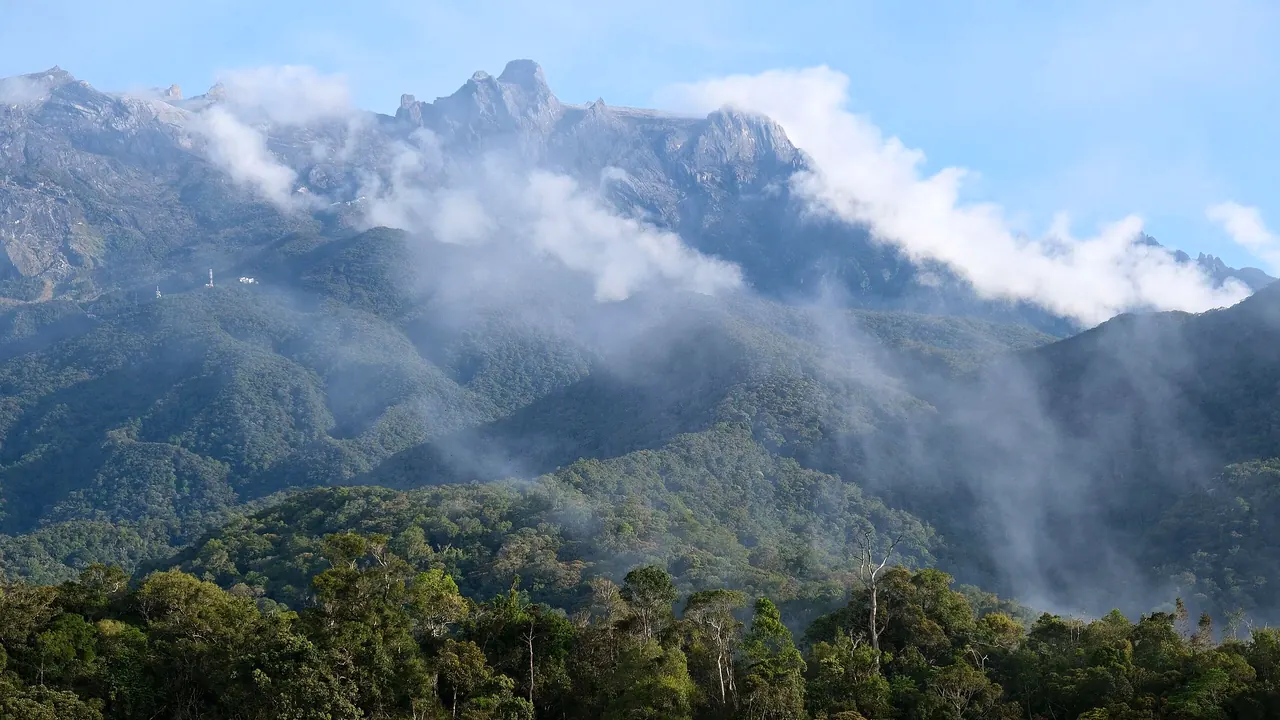
Borneo is for a trip built around rainforest and wildlife. You can watch orangutans at Sepilok, take dawn boat rides on the Kinabatangan, climb Mount Kinabalu and see the caves of Mulu, then spend days in Kuching between them for its laksa stalls and riverfront museums. It asks a lot of you, with internal flights, long transfers, early starts and several days in each area. It rewards a long trip and a traveller who wants to be out in the forest more than lying still.
Choose Langkawi for
- wellness
- getting around
- beaches
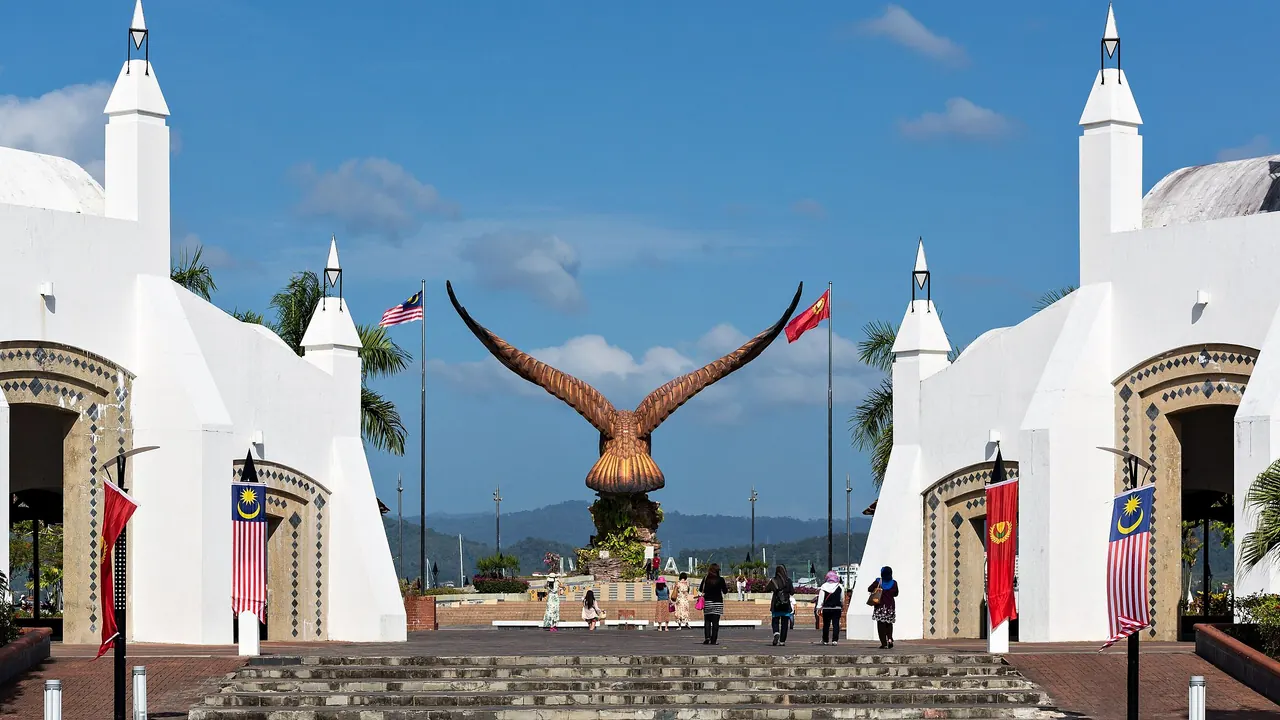
For an easy beach vacation, Langkawi is the simpler answer. It is one small island with a long sandy bay at Pantai Cenang, calm resort spas and mangrove boat trips, all a short drive from each other. That makes it restful from the first day and good for families with young swimmers. What it gives up is depth. The sights fill a morning, the food is plain and there is little to explore beyond the island itself.
Scoreboard
Twelve categories on one fixed scale from 0 to 100. The shaded stretch is the gap between the two.
Your match
Pick a travel style or drag the sliders, and both match scores follow your weighting.
Too close to call, 2 points apart
Wins on culture and sights and nature and the outdoors with your weighting.
Wins on wellness and getting around with your weighting.
What matters to you?
Category by category
What the scores mean for a trip.
Beaches & swimming
Beaches are the whole point of Langkawi. Pantai Cenang is a long, wide bay of pale sand with shallow water right in front of the hotels, and Tanjung Rhu and Datai Bay give you quieter sand when you want it. From November to April you can walk out of your room and swim.
In Borneo, the best swimming needs a boat. The short white-sand beaches of Manukan, Sapi and Mamutik off Kota Kinabalu have clear water for snorkelling but fill with day-trippers at weekends, and Sipadan and Mabul suit divers more than sunbathers. Borneo's islands have the clearer water, but Langkawi makes the easier beach days.
Food & drink
Kuching gives Borneo a real food culture. Breakfast is Sarawak laksa, the rest of the day brings kolo mee, midin fern with belacan and Dayak dishes cooked in bamboo, and Kota Kinabalu adds charcoal-grilled seafood at its waterfront night market and hinava, raw fish cured in lime.
Langkawi eats more simply. Its night markets, which move to a different village each evening, and its seafood places where you pick fish by weight are good and cheap, but much of the food on the Pantai Cenang strip is ordinary tourist fare. Its advantage is duty-free beer and wine, which is cheap and easy to find and sets the tone of beach evenings.
Culture & sights
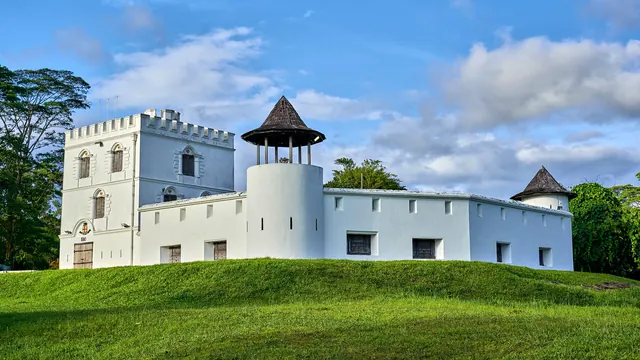
Neither is a destination for monuments, but Borneo has far more to understand. Kuching's Brooke-era riverfront, the Borneo Cultures Museum, the Sarawak Cultural Village and a night in an Iban longhouse explain a patchwork of peoples. The Niah Caves go back to some of the oldest human remains in South-East Asia.
Langkawi's sights are small and local: Mahsuri's tomb and its heritage village, Eagle Square in Kuah and the rice-growing story at Laman Padi. A morning covers them, while Kuching alone deserves two or three days.
Nightlife
Both go quiet early, and the difference is in the setting. On Langkawi, evenings gather on Pantai Cenang, with beanbags on the sand, fire-twirling shows and cheap duty-free drinks, but there are no clubs and most of the island is dark before midnight.
Borneo's evenings are split between two cities. Kota Kinabalu has sunset bars on the waterfront, karaoke lounges and a small club or two that fill at weekends, and Kuching drinks in its old shophouse streets. Out at the jungle lodges, the night ends at dinner.
Nature & outdoors
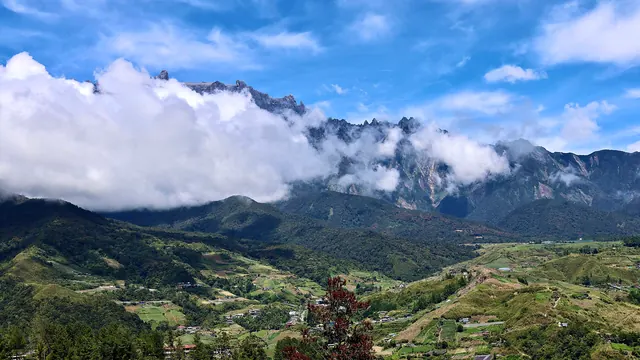
Borneo is in another league. It has the two-day climb up Mount Kinabalu to 4,095m, the caves and razor-edged Pinnacles of Mulu, wild orangutans and pygmy elephants on the Kinabatangan, and the reef walls of Sipadan. The cost is time, since each area takes several days and the travel between them adds more.
Langkawi's landscape is compact but striking. There are the mangrove channels and limestone cliffs of Kilim with sea eagles overhead, and the cable car up the Machinchang range to the sky bridge. It gives you a taste of old rainforest within a short drive, but serious hiking is limited and it has none of the great apes or large mammals that draw people to Borneo.
Day trips
Neither works well as a base for outings, but Borneo has more within reach. From Kuching you can visit the Santubong peninsula, the Bidayuh longhouses at Annah Rais and the old gold-mining town of Bau. From Kota Kinabalu there is the Sunday market at Kota Belud, where Bajau horsemen and hill farmers meet.
From Langkawi, the realistic day out means crossing into Thailand by ferry to Koh Lipe, or making a long mainland day to Alor Setar. Most visitors simply take another island boat trip instead.
Good for families
Langkawi is the easier choice with children. It has shallow, warm water at Pantai Cenang and Pantai Tengah, resorts with pools and kids' clubs, an aquarium on the beach strip and the cable car for older children, all a short drive apart. The attractions run out after a few days, but that suits a resort week.
Borneo gives children more vivid memories, such as orangutans at feeding time and proboscis monkeys seen from a river boat. It also brings leeches, constant humidity, simple lodges and long transfers. It suits school-age children who love animals, ideally with a beach base near Kota Kinabalu.
Getting around
Langkawi is small. It is about 25km across, the roads are good and quiet, and nothing is more than about forty minutes away, so a hire car, a scooter or a ride-hailing app covers everything. The airport sits beside the main beach.
Borneo is a matter of domestic flights between Kuching, Kota Kinabalu and Sandakan, slow two-lane roads and a boat for the last leg to the wildlife areas, while Mulu is reached only by plane or a long river journey. Its one edge is on foot, since the compact centres of Kuching and Kota Kinabalu are easier to walk than Langkawi's patchy Cenang strip.
Shopping & style
Borneo has the better things to bring home. Kuching's Main Bazaar sells pua kumbu weavings, Orang Ulu carvings, beadwork and Sarawak pepper, and Kota Kinabalu's handicraft market has pearls and Rungus beadwork.
Langkawi's shopping is mostly duty-free halls of chocolate, alcohol and cosmetics, plus batik and night-market stalls. That is useful for stocking up, but there are no serious crafts to look for, and neither place is for fashion.
Affordability
Both are cheap day to day, and in both the total depends on your choices. Langkawi comes out slightly cheaper. Car hire, fuel, mid-range hotels around Cenang and duty-free drinks all cost little, and only the luxury resorts, boat tours and the cable car push the bill up.
Borneo's street prices are just as low, but its headline experiences are sold as packages. Kinabalu needs permits, a guide and a hut booking, the Danum Valley and Kinabatangan lodges are all-inclusive, and Sipadan dive permits are allocated through resorts. A trip built around wildlife costs far more than one based in Kuching or Kota Kinabalu.
Live music & performing arts
Borneo has one real draw, the Rainforest World Music Festival, held each midsummer at the foot of Mount Santubong. Around the end of May, the Gawai and Kaamatan harvest festivals bring sape music and hornbill dances to longhouses and villages. Langkawi offers little more than fire-dancing on the beach, cover bands and the occasional resort dinner show, and neither place has a theatre or concert season.
Wellness & relaxation
Langkawi is built for doing very little. Traffic is light and evenings are quiet, the rainforest resorts in the northwest and at Tanjung Rhu have spas with treatment pavilions among the trees, and simple massage shops line the Cenang strip.
In Borneo, calm comes in pockets: the island resorts off Kota Kinabalu, the resorts at Santubong and the sulphur baths at Poring after the Kinabalu climb. A typical trip of dawn starts and humid treks is tiring rather than restful. Neither place has a bathing tradition to plan around.
When should you go?
Pick your month. The climate figures are measured averages, not a forecast.
Borneo in July
Langkawi in July
Daytime high, °C
Rainfall in the month, mm
Where the figures come from
Langkawi's temperatures are measured 75 km from the centre, at Alor Star.
Langkawi has no rain gauge within 25 km of the centre, so its rainfall comes from a gridded climate dataset read at the destination rather than from a gauge further away.
Temperature and rainfall are climate normals, averaged over the years shown. Borneo: 1991-2020 (sunshine 1981-2010) normals, Kuching (8.3 km from centre). Langkawi: 2004-2020 (rainfall 1991-2020) normals, Alor Star (75 km from centre).
Where most visitors stay, Borneo is hot and humid all year and never really dry. Rain is heaviest from December to February, with January bringing about 671mm, then eases to its lowest from June to August, around 200mm in July. Those midsummer months are also the sunniest, and the best time for forest trips and the mountain. The sea is warm enough for swimming in every month, but the north-east monsoon roughens the Sabah coast from November to February.
Langkawi's year runs almost the other way. January to March is the dry season, with only about 38mm in February, and that is when the sea is calmest and clearest for the beach. March is the hottest month, at around 35°C, so walking is best kept to mornings and evenings. Rain builds from April and peaks in September and October at about 385mm. In practice, Langkawi is at its best in the northern winter, when Borneo is at its wettest, and Borneo is at its best in midsummer, when Langkawi's monsoon has set in.
Which traveller are you?
On an outdoors trip, Borneo is the clear pick. You can climb Mount Kinabalu, watch bats pour out of the Mulu caves at dusk and look for wild orangutans along the Kinabatangan. Langkawi's mangroves and cable car cannot match this, though Borneo's highlights need time and organised transfers.
For a beach and sun trip, choose Langkawi. Pantai Cenang's wide sandy bay lies right in front of the hotels, with shallow, warm water. The dry months bring calm seas, and resort spas and sunset beach bars round off the day without any travelling.
On a culture and arts trip, Borneo offers far more. Kuching's riverfront, the Borneo Cultures Museum, a night in an Iban longhouse and the Rainforest World Music Festival introduce living peoples and their traditions. Langkawi's few sights fit into a single morning.
Before you go
| Measure | Borneo | Langkawi |
|---|---|---|
| Official language | Malay | Malay |
| Currency | Malaysian Ringgit (MYR) | Malaysian Ringgit (MYR) |
| Sockets | G240 V, 50 Hz | G240 V, 50 Hz |
| Driving side | Left | Left |
| Time zone | UTC+8 | UTC+8 |
| Emergency number | 999 | 999 |
| Main airport | Kuching International Airport (KCH)23 non-stop destinations | Langkawi International Airport (LGK)9 non-stop destinations |
By the numbers
| Measure | Borneo | Langkawi |
|---|---|---|
| Population | 18,590,000 | 64,792 |
| People per km² | - | 136 |
| Swim season, months above 21 °C | 12 months | 12 months |
Where else could you go?
Every comparison below shares a destination with this one, so you can follow Borneo or Langkawi somewhere new.
- Koh Lipevs Langkawi
- Penangvs Langkawi
- Koh Lantavs Langkawi
- Koh Phi Phivs Langkawi
- Phuketvs Langkawi
- Perhentian Islandsvs Langkawi