Malaysia
Borneo
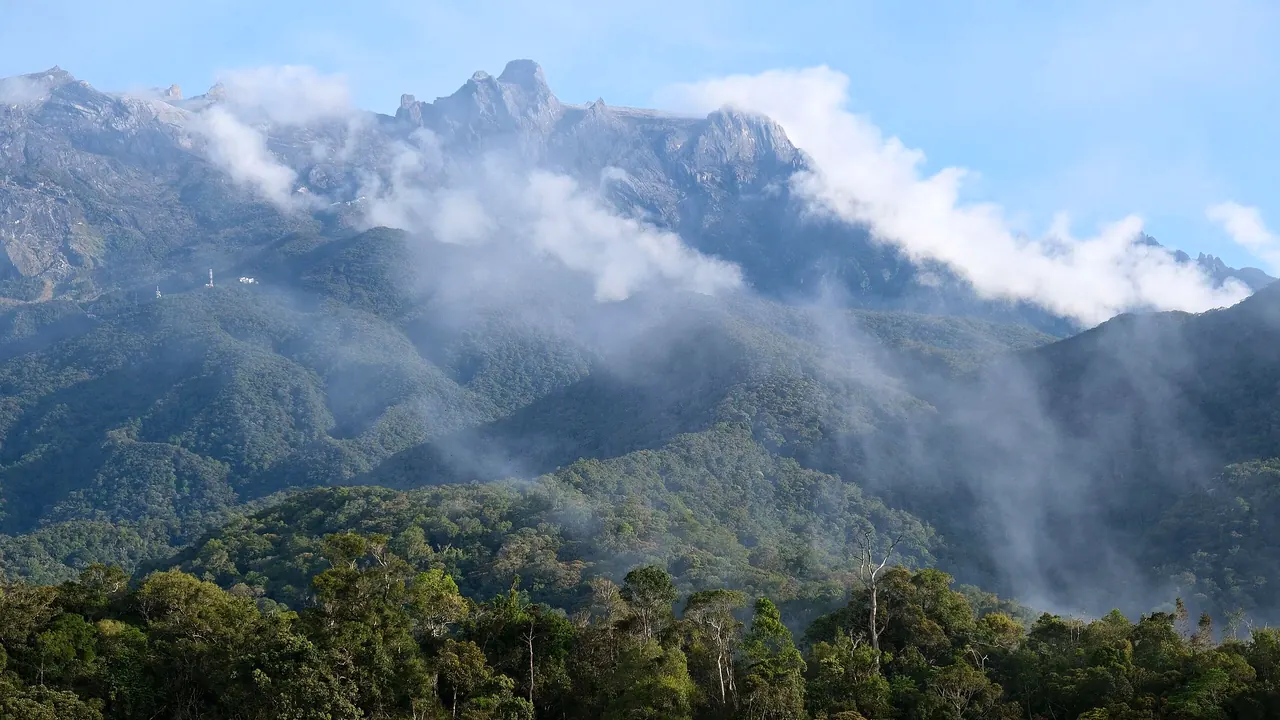
Rainforest and rising cloud below Mount Kinabalu
- Nature & outdoors94
- Affordability66
- Beaches64
Photo: kallerna, CC BY-SA 4.0, cropped
Match
47
Every category weighted equally
- Beach & sun52
- Culture & arts41
- Food & nightlife41
- Family trip53
- Outdoors54
- Relax & unwind51
- Shopping & style42
- On a budget49
Borneo in twelve categories
Our verdict on each, scored 0 to 100 against the same fixed benchmark cities, so a score means the same thing on every page.
Beaches & swimming. Scores 64 out of 100.
Food & drink. Scores 62 out of 100.
Culture & sights. Scores 44 out of 100.
Nightlife. Scores 26 out of 100.
Nature & outdoors. Scores 94 out of 100.
Day trips. Scores 30 out of 100.
Good for families. Scores 52 out of 100.
Getting around. Scores 30 out of 100.
Shopping & style. Scores 34 out of 100.
Affordability. Scores 66 out of 100.
Live music & performing arts. Scores 20 out of 100.
Wellness & relaxation. Scores 38 out of 100.
Borneo category by category
Beaches & swimming
64The sea around Malaysian Borneo is warm all year, around 29°C, and the best swimming is on its small offshore islands rather than the mainland. From Kota Kinabalu, boats cross in about fifteen minutes to the islands of Tunku Abdul Rahman Park, where Manukan, Sapi and Mamutik have short white-sand beaches and clear water for snorkelling, busy with day-trippers at weekends. Further north, the coast around Kudat and the Tip of Borneo has long quiet beaches, and Mantanani and Pulau Tiga suit a night or two.
In the far south-east, the islands off Semporna, Mabul, Kapalai and the waters of Sipadan, are famous for diving more than lying on the sand, and reaching them takes a flight and a road transfer. Near Kuching, Damai and Santubong have resort beaches, but the water there is murkier. City seafronts are for walking, not swimming. The north-east monsoon, roughly November to February, brings rougher seas on the Sabah coast.
Food & drink
62Eating well here means eating in Kuching and Kota Kinabalu, at hawker stalls and kopitiams more than in restaurants. Kuching is the stronger food town: a bowl of Sarawak laksa, with its sambal and coconut broth, is the classic breakfast, followed through the day by springy kolo mee, Hakka and Foochow noodles, midin fern stir-fried with belacan, and layered kek lapis cakes in bright stripes. Dayak cooking appears as rice and chicken cooked in bamboo and dishes flavoured with wild ginger and tuak rice wine.
In Kota Kinabalu the waterfront night market grills fish, squid and prawns over charcoal, and live-tank seafood halls cook to order. Kadazan-Dusun food brings hinava, raw fish cured in lime, and tuaran mee, and Sabah grows its own tea in the hills near Ranau. Outside these two cities, food is simple and practical, and fine dining is limited to a handful of hotel restaurants.
Culture & sights
44Borneo's heritage is mostly about its peoples rather than monuments. Kuching has the best of it: a compact riverfront of white Brooke-era buildings, including the Astana and Fort Margherita across the river, Chinese temples and shophouse streets, and the Borneo Cultures Museum, the natural place to understand the Iban, Bidayuh, Orang Ulu and other communities. Just outside the city, the Sarawak Cultural Village shows the different longhouse styles in one place.
The Niah Caves, near Miri, are UNESCO-listed for some of the oldest human remains in South-East Asia and cave paintings. In Sabah, Sandakan keeps its colonial hillside houses and the memorial to the wartime death marches, and Kota Kinabalu has the Sabah Museum and a large floating mosque. Staying overnight in an Iban longhouse upriver is the experience that lingers longest, though it takes a day's travel. Much of the historic fabric is modest, and two or three days in Kuching covers the core.
Nightlife
26Evenings in Borneo are quiet. Kota Kinabalu has the most going on, with a strip of waterfront bars and pubs facing the sunset over the South China Sea, a few karaoke lounges and a small club or two that fill up at weekends. Kuching's going out happens in the old shophouse streets near the river and in a handful of pubs, with locals drinking tuak and beer late into the evening on festival nights. Elsewhere, especially in jungle lodges and dive islands, the night ends at dinner, and most visitors are up before dawn for wildlife anyway.
Nature & outdoors
94This is one of the great places on earth for rainforest and wildlife. Mount Kinabalu, at 4,095m, is climbed over two days from cloud forest full of pitcher plants and orchids to a granite summit at sunrise. Gunung Mulu, reachable by plane, has enormous caves, millions of bats streaming out at dusk and the razor limestone Pinnacles. On the Kinabatangan River, boat trips at dawn and dusk find proboscis monkeys, pygmy elephants, hornbills and wild orangutans, and Danum Valley offers old-growth forest with canopy walkways and night walks.
Orangutans can also be seen at Sepilok near Sandakan and Semenggoh near Kuching. Bako National Park, a short boat ride from Kuching, packs coastal cliffs, mangroves and bearded pigs into easy trails. Under water, Sipadan is among the world's finest dive sites, with turtles, barracuda and reef walls. The forests are hot and humid all year, wettest in the north-east monsoon, and each area takes several days.
Day trips
30Most outings in Borneo are into forest, rivers and islands rather than to other towns, so the list of places to visit is short. From Kuching, the best day out is the Santubong peninsula with the Sarawak Cultural Village and the fishing village at its foot, and the Bidayuh longhouses at Annah Rais, about an hour away, give a look at community life in the hills. The old gold-mining town of Bau is another half-day.
From Kota Kinabalu, the Sunday market at Kota Belud brings Bajau horsemen and hill farmers together, and Kudat and the Rungus longhouses of the north take a full day. Brunei's capital, with its gold-domed mosques and water village, is a longer journey than a comfortable day out from either city. Visitors with an interest in towns and heritage will find the outings thin.
Good for families
52Borneo works for families whose children love animals. Watching orangutans come in to feed at Sepilok or Semenggoh, spotting proboscis monkeys from a river boat and snorkelling off the islands near Kota Kinabalu are memorable for children of school age, and the Lok Kawi wildlife park outside the city is easy for younger ones. English is widely spoken and Malaysians are warm towards children.
The effort is real, though. Heat and humidity are constant, leeches and mosquitoes come with the forest, jungle lodges are simple and many trips involve long drives, small boats or internal flights. There is nothing made specifically for children beyond the wildlife. Families tend to do best with a beach resort near Kota Kinabalu or Santubong as a base and short excursions from it.
Getting around
30Borneo is large and its highlights are far apart. Domestic flights link Kuching, Miri, Kota Kinabalu, Sandakan and Tawau, and Mulu is reached only by plane or a long river journey. The roads are slow, two-lane for long stretches and twisting through the hills on the way to Mount Kinabalu, and long-distance buses are infrequent. Most visitors use organised transfers for the wildlife areas, where the last leg is often by boat.
The centres of Kuching and Kota Kinabalu are compact enough to walk, with small river ferries crossing the Sarawak River in Kuching, and ride-hailing apps work in both cities. Plan a trip around two or three bases rather than trying to cover the whole island.
Shopping & style
34Shopping here is about crafts. Kuching's Main Bazaar, a row of old shophouses along the river, sells pua kumbu woven textiles, rattan and bead work, Orang Ulu carvings and pepper, the region's famous crop. In Kota Kinabalu, the Sunday Gaya Street market spreads produce, plants and trinkets along the old centre, and the handicraft market by the waterfront has pearls, Rungus beadwork and woven baskets. Both cities also have ordinary shopping malls, but fashion and design shopping are limited and nobody comes here for them.
Affordability
66Daily life is cheap: hawker meals, city hotels in Kuching and Kota Kinabalu, taxis and domestic flights all cost little by international standards. The catch is that Borneo's main draws are reached through packages. Climbing Mount Kinabalu requires permits, a guide and a booked mountain hut, lodges in Danum Valley and on the Kinabatangan are priced as all-inclusive stays, and diving at Sipadan is limited by permits that resorts allocate. A trip built around these costs a good deal more than the street-level prices suggest, while one based in the cities with day excursions stays inexpensive. Alcohol is taxed, but less heavily than in the rest of the country.
Live music & performing arts
20The one major event is the Rainforest World Music Festival, held each year in midsummer at the foot of Mount Santubong near Kuching, which brings indigenous and world musicians together for three days of outdoor concerts and workshops. The rest of the year, performance means the traditional dance shows at the Sarawak Cultural Village and in resort dinner programmes, with the sape lute and hornbill dances of Sarawak's peoples. The harvest festivals, Gawai in Sarawak and Kaamatan in Sabah, bring music and dancing to longhouses and villages around the end of May. There is no regular theatre, concert or opera season.
Wellness & relaxation
38Borneo is not a place people come to for spas. The resorts on the islands off Kota Kinabalu, on the beaches north of the city and at Santubong near Kuching have good spas, and Malay and Chinese massage is easy to find in town. Poring Hot Springs, on the edge of Kinabalu Park, has simple sulphur baths that are welcome after the climb, but there is no real bathing tradition. The pace in Kuching is gentle and the island resorts are calm, though most journeys here, with early wildlife starts, humid treks and boat transfers, are tiring rather than restful.
Where to stay in Borneo
Most trips here are split between Sarawak in the west and Sabah in the north. The usual plan is two or three bases joined by domestic flights, with no attempt to cover everything. Kuching is the gentlest place to start. It's a walkable riverside city with the best food and most of the heritage, and it suits a quiet stay with day trips to Bako, Semenggoh and Annah Rais. Families and anyone wanting a beach can stay on the resort coast at Santubong or Damai instead, though the sea there is murky.
In Sabah, Kota Kinabalu has the liveliest evenings, with its waterfront bars and seafood markets. Boats reach the island beaches in about fifteen minutes. The resorts on the beaches north of the city are a calmer choice for families. Walkers heading for Mount Kinabalu spend a night or two near the park, with Poring's hot springs nearby.
The wildlife and diving bases come next. Sandakan is the base for Sepilok and a lodge stay on the Kinabatangan. Semporna, a flight and a road transfer away, is the base for diving at Sipadan, Mabul and Kapalai. Mulu is a stay of its own, reached by plane. For a first visit, pair Kota Kinabalu with Sandakan and the river, or Kuching with Mulu. Save the other state and the dive islands for a second trip.
When should you go?
Pick a month to see what it is like. The climate figures are measured averages, not a forecast.
Borneo in July
Daytime high, °C
Rainfall in the month, mm
The whole year
Shaded against this destination’s own year: the deepest cell is its best month for that figure and the palest its weakest.
Temperature and rainfall are climate normals, averaged over the years shown. Borneo: 1991-2020 (sunshine 1981-2010) normals, Kuching (8.3 km from centre).
Before you go
| Measure | Borneo |
|---|---|
| Official language | Malay |
| Currency | Malaysian Ringgit (MYR) |
| Sockets | G240 V, 50 Hz |
| Driving side | Left |
| Time zone | UTC+8 |
| Emergency number | 999 |
| Main airport | Kuching International Airport (KCH)23 non-stop destinations |
By the numbers
| Measure | Borneo |
|---|---|
| Population | 18,590,000 |
| Swim season, months above 21 °C | 12 months |
Compare Borneo with
Every comparison with a written verdict behind it.