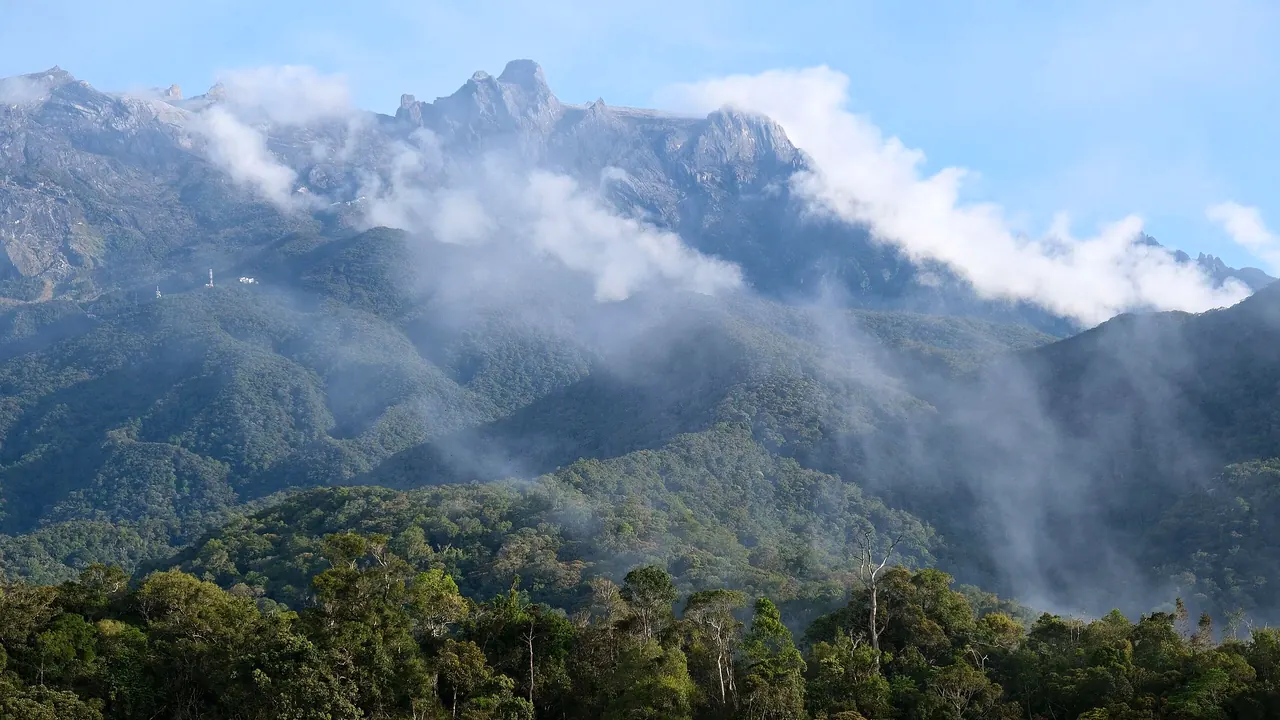
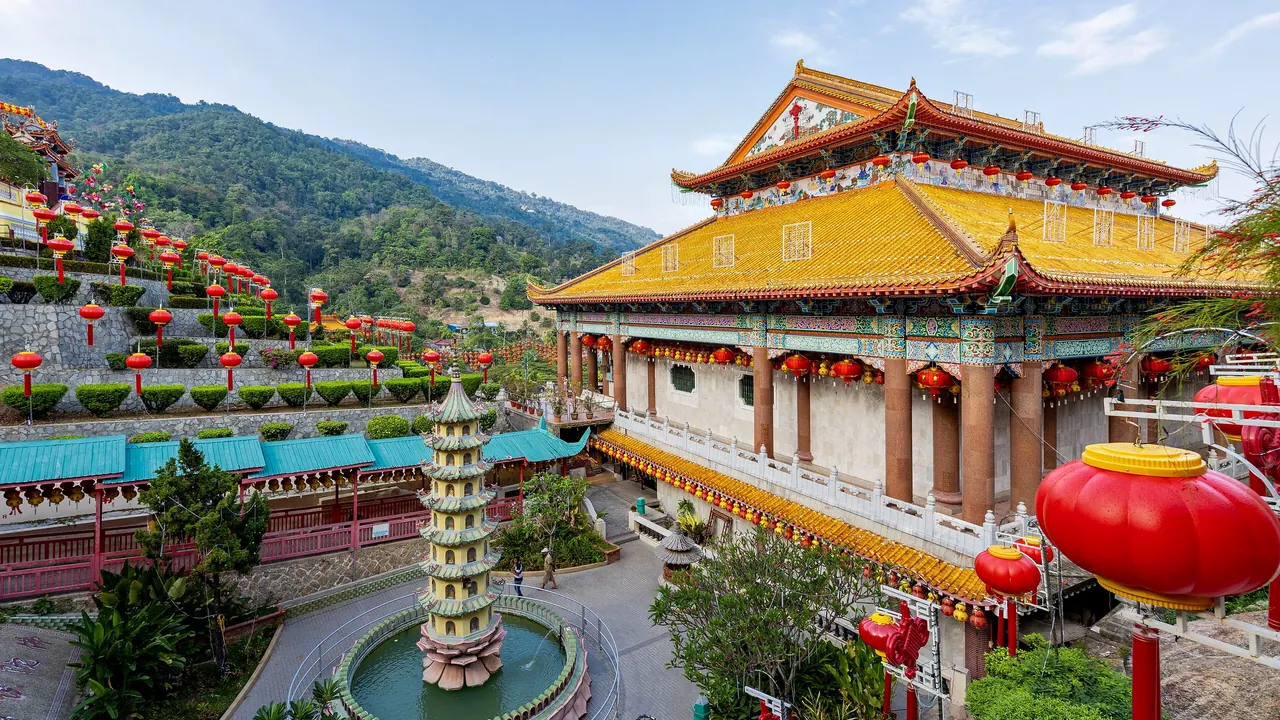
Photos: Borneo by kallerna, CC BY-SA 4.0, cropped; Penang by Supanut Arunoprayote, CC BY 4.0, cropped.
Borneo or Penang?
Our verdict in twelve categories, each scored against the same fixed benchmark cities, and the climate month by month, so you can choose for your trip.
Choose Borneo for
- nature and the outdoors
- beaches
Borneo is for travellers who want the rainforest itself: climbing Mount Kinabalu, watching wild orangutans and proboscis monkeys from a river boat on the Kinabatangan, walking through the caves at Mulu or diving the reef walls of Sipadan. It also has the better swimming, on the small islands off Kota Kinabalu. In return you accept long transfers, internal flights, packaged lodges and quiet evenings, and you should plan around two or three bases rather than one.
Choose Penang for
- culture and sights
- food and drink
- getting around
Penang is the easier, more urban choice. It suits people who travel to eat and to wander, with George Town's shophouse streets, clan temples and hawker centres all close together, cheap ride-hailing for anything further out, and Ipoh within reach by train. The nature is gentler and the beaches are weaker, but you can settle in one place and spend very little.
Scoreboard
Twelve categories on one fixed scale from 0 to 100. The shaded stretch is the gap between the two.
Your match
Pick a travel style or drag the sliders, and both match scores follow your weighting.
Wins on nature and the outdoors and beaches with your weighting.
Wins on culture and sights and food and drink with your weighting.
What matters to you?
Category by category
What the scores mean for a trip.
Beaches & swimming
Borneo has the better swimming, though it lies offshore. A short boat ride from Kota Kinabalu reaches the white-sand islands of Tunku Abdul Rahman Park, where the water is clear enough for snorkelling, and the far north around Kudat has long, empty beaches. Off Semporna, the islands near Sipadan are mainly for divers.
On Penang, the beaches are a sideshow. Batu Ferringhi is a resort strip with jet skis and murky water, and jellyfish at certain times of year send many people back to the hotel pool. The nicer sand, at Monkey Beach and Kerachut inside the national park, is reached on foot or by boat and has few facilities.
Food & drink
Penang is one of Asia's great eating towns, and Borneo cannot match it for range. In George Town, Hokkien, Teochew, Malay, Tamil and Peranakan cooking sit side by side, from charcoal-fried char kway teow and assam laksa to banana-leaf meals in Little India and slow-cooked Nyonya dishes, all within a short walk.
Borneo eats well only in its two cities. Kuching is worth a detour for Sarawak laksa, kolo mee and midin fern, and Kota Kinabalu's waterfront night market grills seafood over charcoal, but once you head into the jungle lodges and small towns, meals become simple and practical.
Culture & sights
George Town gives Penang the stronger heritage. It is a whole UNESCO-listed port town: carved clan temples like the Khoo Kongsi, stilted clan jetties, the Cheong Fatt Tze and Peranakan mansions, all close enough to see on foot, with Kek Lok Si on the hill outside.
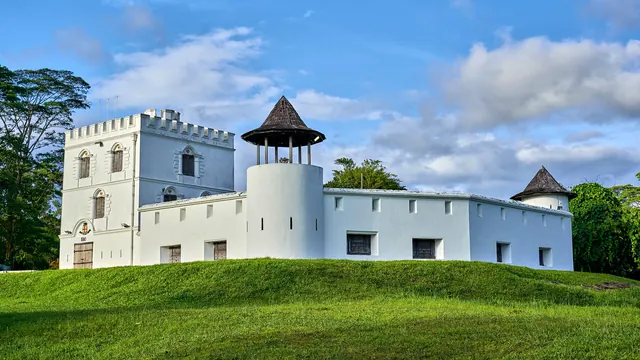
Borneo's culture is about its peoples rather than its buildings. Kuching's Brooke-era riverfront and the Borneo Cultures Museum explain the Iban, Bidayuh and Orang Ulu, and a night in an upriver longhouse or a visit to the ancient Niah Caves stays with you. These places are spread out, though, and the built heritage is modest.
Nightlife
Neither is a place to travel for nights out, but Penang has a little more to choose from: backpacker bars around Love Lane and Chulia Street, cocktail bars in restored shophouses, and a few late clubs on Upper Penang Road. In Borneo, evenings mean sunset drinks on Kota Kinabalu's waterfront or a pub in Kuching's old streets. At the jungle lodges and dive islands the night ends at dinner, ahead of a pre-dawn start.
Nature & outdoors
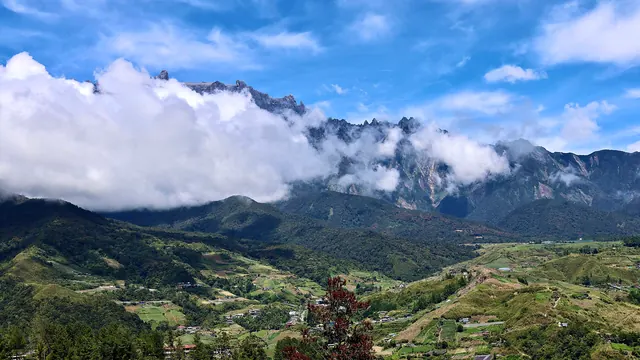
This is where Borneo is in a different league. You can climb Mount Kinabalu, at 4,095m, overnight to a sunrise summit, watch bats stream out of Mulu's huge caves, see pygmy elephants and wild orangutans along the Kinabatangan, and dive Sipadan's reef walls. Each of these needs several days.
Penang's nature fits into a city stay. There is the funicular and canopy walkway on Penang Hill, the macaques in the Botanic Gardens, forest trails to a lighthouse and turtle beaches in the national park, and quiet cycling through the durian orchards of Balik Pulau. It is pleasant, but there is no wilderness.
Day trips
Penang is better placed for day trips, because it sits by the mainland railway. Ipoh's old town and cave temples are about two hours away by train, and Taiping's lake gardens can be paired with royal Kuala Kangsar, so a stay here can take in several distinct towns.
From Kuching or Kota Kinabalu, the outings are shorter and more rural: the Bidayuh longhouses at Annah Rais, the Santubong peninsula, or the Sunday market at Kota Belud with its Bajau horsemen. Brunei is too far to make a comfortable day trip.
Good for families
Both work for families, in different ways. Borneo's draw is animals: orangutans feeding at Sepilok or Semenggoh, monkeys seen from a river boat and island snorkelling thrill school-age children, but the leeches, the humidity and the long drives and boat rides take some stamina.
Penang offers more built-for-children attractions within short distances, including the water and adventure park, the butterfly park at Teluk Bahang and the funicular ride up Penang Hill. The difficulty is George Town's stepped, broken walkways, which are hard going with a pushchair.
Getting around
In Borneo, getting around means crossing one of the world's largest islands. Going from the orangutans near Kuching to the caves at Mulu and on to the Kinabatangan takes internal flights, slow roads through the hills and a boat for the last stretch, usually on a transfer the lodge arranges. Much of every trip goes on getting from one place to the next. In town it is easier, because Kuching and Kota Kinabalu are both small enough to walk, and the little ferries across the Sarawak River are a pleasure in themselves.
Penang's distances are short, since everything is on one small island and Batu Ferringhi is about forty minutes from George Town. The difficulties are closer to hand. Rapid Penang buses crawl in traffic, so most visitors use cheap ride-hailing instead, and a full day on George Town's broken, stepped walkways in the heat is tiring. When you want the mainland, the railway is a short ferry ride away at Butterworth.
Shopping & style
Penang has the broader mix, with mainstream malls along Gurney Drive, antique and curio shops in George Town, Peranakan beadwork and batik from small studios, and fabrics, spices and gold in Little India. Borneo is almost entirely about crafts, but they are distinctive: pua kumbu weavings, Orang Ulu carvings and Sarawak pepper along Kuching's Main Bazaar, and pearls and Rungus beadwork at Kota Kinabalu's handicraft market.
Affordability
Day to day, both are cheap, but Penang stays cheap whatever you do. Hawker meals and ride-hailing cost little, most temples and clan houses are free or nearly so, and only the beach resorts and taxed drinks push up the bill.
In Borneo, a city-based trip is just as easy on the budget. The famous experiences, though, come as packages: the permits, guide and hut for Kinabalu, the all-inclusive lodges in Danum Valley and on the Kinabatangan, and the dive permits for Sipadan all add up quickly. Beer is one thing that costs less here.
Live music & performing arts
Formal performance is thin in both, though Penang offers a bit more through the year. There is the George Town Festival's weeks of theatre and dance, a performing-arts centre on the north coast, and Chinese street opera and puppet shows at temple festivals. Borneo's single big event is the Rainforest World Music Festival under Mount Santubong in midsummer. Otherwise it has cultural-village dance shows and the Gawai and Kaamatan harvest festivals at the end of May.
Wellness & relaxation
Neither is a spa destination, and both rely on resort spas and inexpensive massage. Penang makes rest easier, with reflexology shops on almost every street, the cooler air at the top of Penang Hill and the quiet of Balik Pulau. Borneo has the only hot water: the simple sulphur baths at Poring after the Kinabalu climb. Its early starts and boat transfers, though, make most trips tiring rather than restful.
When should you go?
Pick your month. The climate figures are measured averages, not a forecast.
Borneo in July
Penang in July
Daytime high, °C
Rainfall in the month, mm
Temperature and rainfall are climate normals, averaged over the years shown. Borneo: 1991-2020 (sunshine 1981-2010) normals, Kuching (8.3 km from centre). Penang: 1991-2020 (sunshine 1981-2010) normals, Penang / Bayan Lepas (14.5 km from centre).
Both are hot in every month, with daytime highs never far from 33°C, so streets and forest trails are best walked early or late in the day. The sea is warm enough to swim in all year. Rain is where they differ. Borneo's figures show a long wet spell from November to February, heaviest in January at about 671mm, and at the same time the north-east monsoon makes the sea rough off the Sabah coast. From about May to September it is drier and sunnier, and July is the driest month at about 200mm.
Penang's year runs almost the other way round. January and February are its driest months, at around 81mm, and the long sunny days then suit the north-coast beaches. The rain builds from April and is heaviest in September and October, at about 335mm, when the sunshine is also at its lowest. Penang suits the northern winter, and Borneo the middle of the year.
Which traveller are you?
On an outdoors trip, Borneo is the clear choice. Mount Kinabalu, the caves and Pinnacles of Mulu, the wildlife river trips on the Kinabatangan and old-growth Danum Valley are on a different scale from Penang's hill trails and the coastal paths in its small national park.
For a food and nightlife trip, Penang suits better. George Town packs Hokkien, Malay, Tamil and Nyonya cooking into hawker centres and old coffee shops, and the evenings move easily from Gurney Drive stalls to the small bars of Love Lane and Upper Penang Road.
On a culture and arts trip, Penang again comes out ahead. The UNESCO-listed streets of George Town, with clan houses, Peranakan mansions and Harmony Street's mix of temples, can be explored on foot, whereas Borneo's heritage centres on Kuching and on longhouses a day's travel away.
Before you go
| Measure | Borneo | Penang |
|---|---|---|
| Official language | Malay | Malay |
| Currency | Malaysian Ringgit (MYR) | Malaysian Ringgit (MYR) |
| Sockets | G240 V, 50 Hz | G240 V, 50 Hz |
| Driving side | Left | Left |
| Time zone | UTC+8 | UTC+8 |
| Emergency number | 999 | 999 |
| Main airport | Kuching International Airport (KCH)23 non-stop destinations | Penang International Airport (PEN)32 non-stop destinations |
By the numbers
| Measure | Borneo | Penang |
|---|---|---|
| Population | 18,590,000 | 794,313 |
| Swim season, months above 21 °C | 12 months | 12 months |
Where else could you go?
Every comparison below shares a destination with this one, so you can follow Borneo or Penang somewhere new.
- Langkawivs Penang
- Koh Lipevs Penang
- Perhentian Islandsvs Penang
- Koh Lantavs Penang
- Kuala Lumpurvs Penang
- Koh Phi Phivs Penang