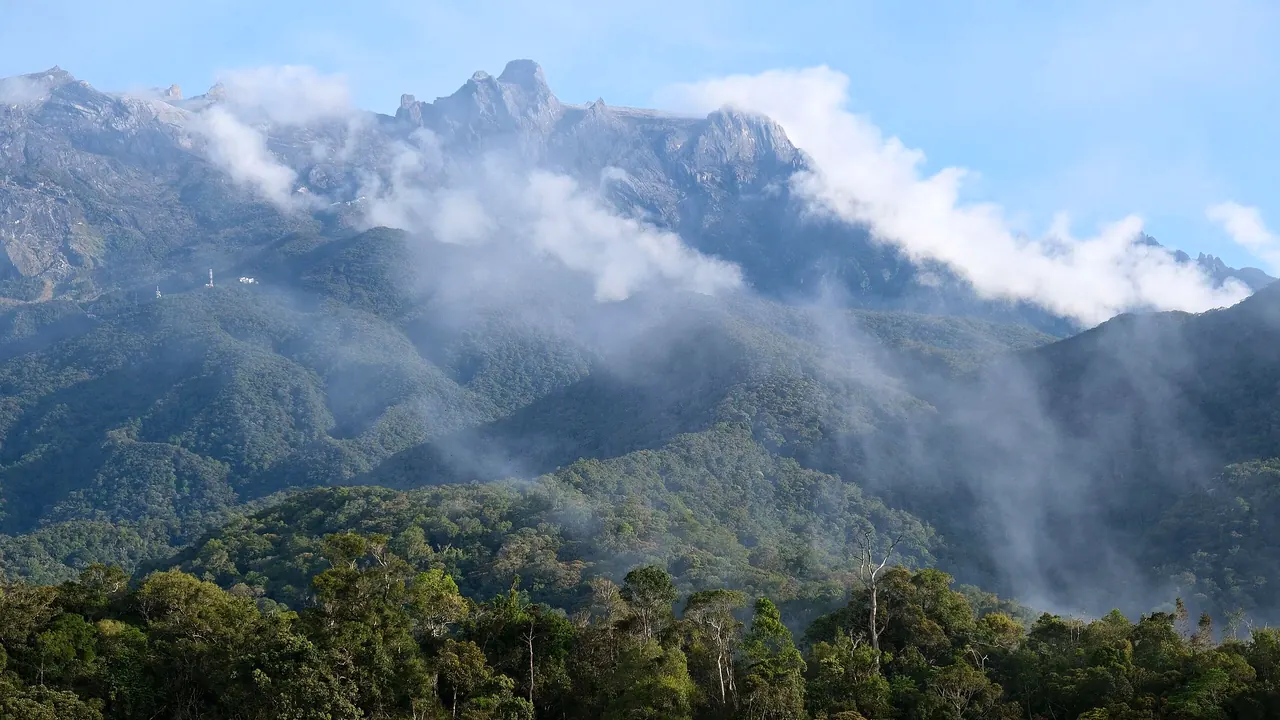
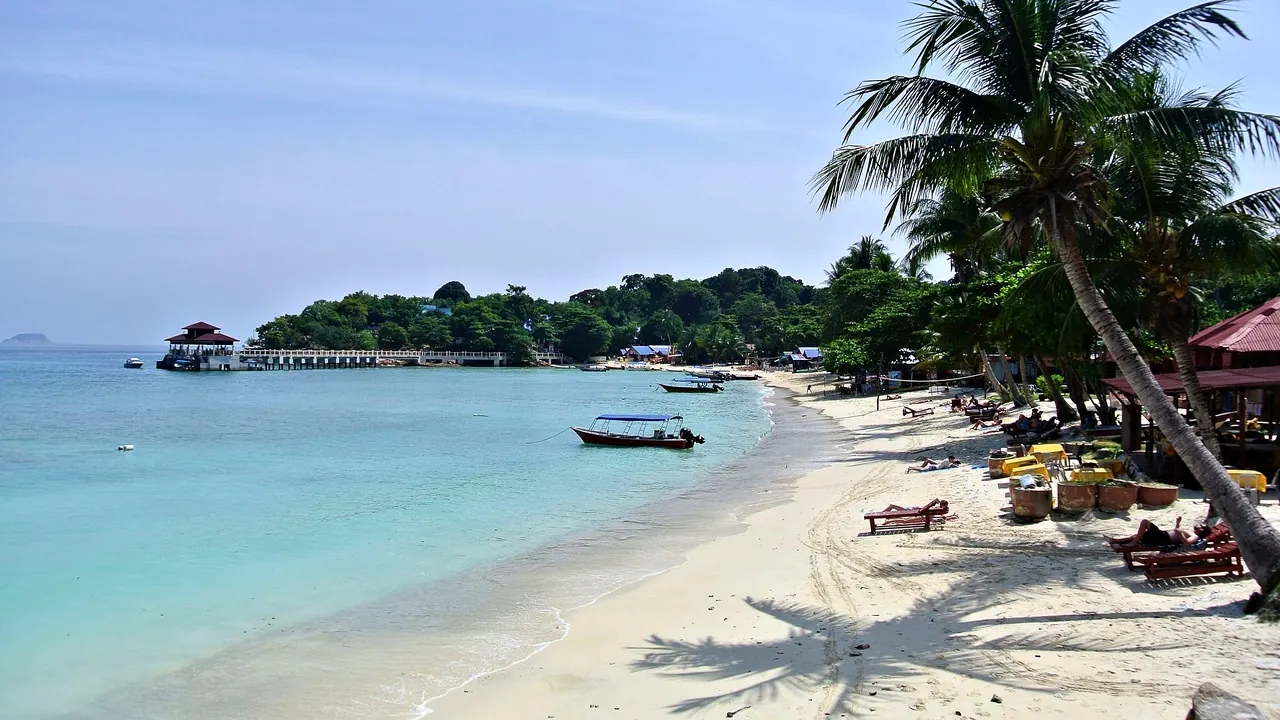
Photos: Borneo by kallerna, CC BY-SA 4.0, cropped; Perhentian Islands by DTravel AU, CC BY-SA 3.0, cropped.
Borneo or Perhentian Islands?
Our verdict in twelve categories, each scored against the same fixed benchmark cities, and the climate month by month, so you can choose for your trip.
Choose Borneo for
- culture and sights
- food and drink
- shopping
Borneo is for travellers who want wildlife and rainforest at the heart of the trip: orangutans at Sepilok, dawn boat rides on the Kinabatangan, the caves of Mulu and the overnight climb of Mount Kinabalu. It also eats far better, with laksa breakfasts in Kuching and charcoal-grilled seafood in Kota Kinabalu, and has real heritage along Kuching's riverfront. The cost is distance, so plan on two or three bases linked by flights and slow roads.
Choose Perhentian Islands for
- beaches
- getting around
If the trip is really about sand and clear water, the Perhentians are the simpler and better choice. Two small car-free islands give you fine pale beaches, snorkelling straight off the shore, gentle reefs for a first dive course and a pace that slows right down. Expect little else: plain resort food, almost nothing to see or buy, and a season that ends when the monsoon arrives late in the year.
Scoreboard
Twelve categories on one fixed scale from 0 to 100. The shaded stretch is the gap between the two.
Your match
Pick a travel style or drag the sliders, and both match scores follow your weighting.
Wins on culture and sights and food and drink with your weighting.
Wins on beaches and getting around with your weighting.
What matters to you?
Category by category
What the scores mean for a trip.
Beaches & swimming
Beaches are the whole point of the Perhentians and only one part of Borneo. On the islands you swim and snorkel straight off fine pale sand, choosing between the livelier sweep of Long Beach, sunsets at Coral Bay and the sheltered coves of Perhentian Besar, and a water taxi takes you to the next bay whenever you like.
Borneo's best swimming means a boat out to Manukan, Sapi or Mamutik from Kota Kinabalu, short white beaches that fill with day-trippers at weekends, or a longer journey to the quiet sands near Kudat. Its famous islands off Semporna are about diving rather than lying on the sand, and the resort beaches near Kuching have murkier water.
Food & drink
Borneo is a real food destination and the Perhentians are not. Kuching alone justifies a few days of eating, from a morning bowl of Sarawak laksa to kolo mee, midin fern with belacan and striped kek lapis, and Kota Kinabalu adds a waterfront night market and Kadazan-Dusun dishes such as hinava.
On the islands you mostly eat where you sleep: resort kitchens, plain nasi goreng and curries, and grilled fish laid out on the beach at night. With no markets, everything arriving by boat and beer only at some resorts in conservative Terengganu, the menu feels narrow after a few days.
Culture & sights
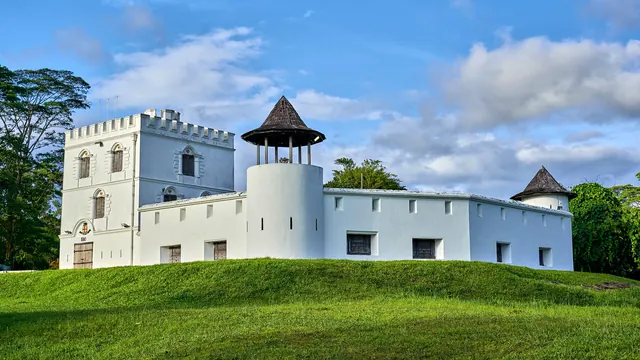
Borneo has a genuine cultural side, centred on its peoples. Kuching's Brooke-era riverfront, the Borneo Cultures Museum and the longhouses of the Sarawak Cultural Village fill two or three days, and the Niah Caves, Sandakan's war memorial and a night in an Iban longhouse upriver reach further.
The Perhentians have essentially none of this. A short stroll through the stilt houses of Kampung Pasir Hantu on Kecil is the extent of it, and Malay heritage means a trip back to the mainland.
Nightlife
Neither is a place to go out, but Borneo's cities give you more choice: sunset bars and pubs along the Kota Kinabalu waterfront, karaoke and a small club or two at weekends, and late drinking in Kuching's old shophouse streets. The Perhentians offer one thing, cushions on the sand at Long Beach with music and fire shows in high season, which fades early on quiet nights and never turns into clubbing.
Nature & outdoors
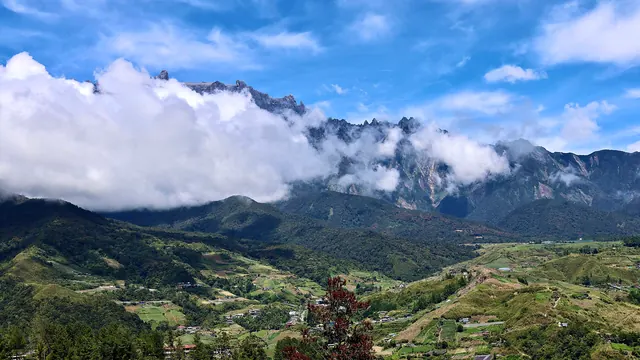
Borneo is one of the world's great rainforest destinations, and that is where it pulls clearly ahead. Climbing Mount Kinabalu, watching bats pour out of the Mulu caves, spotting pygmy elephants and wild orangutans on the Kinabatangan and walking the canopy in Danum Valley are each trips in their own right, and Sipadan ranks among the finest dives anywhere.
The Perhentians' nature lies mostly underwater, in a protected marine park with turtles in Besar's shallow bays, blacktip reef sharks at Shark Point and easy reefs that suit a first dive course. Above water there are short jungle trails with monitor lizards and monkeys, pleasant but small next to Borneo's forests.
Day trips
Outings are limited from both, though Borneo has a little more to offer. From Kuching you can spend a day on the Santubong peninsula or visit the Bidayuh longhouses at Annah Rais, and from Kota Kinabalu the Sunday market at Kota Belud is worth the drive. From the Perhentians, Redang and Lang Tengah just give you more beaches and reefs, and Kota Bharu's markets and wooden palaces make a long day that most people save for the journey in or out.
Good for families
Borneo gives children more to remember, as long as they love animals: orangutans coming in to feed at Sepilok or Semenggoh, proboscis monkeys from a river boat and the Lok Kawi wildlife park for younger ones. The price is constant heat, leeches, simple lodges and long transfers, so a beach base near Kota Kinabalu or Santubong with short trips works best.
The Perhentians are simpler but narrower. Besar's sheltered, shallow bays let a young child snorkel among turtles with no traffic around, yet there is nothing else built for children, medical care is basic and every move means a speedboat or a hot path, and Long Beach's surf suits families less well.
Getting around
Both take effort, but of different kinds. Borneo is about distance: domestic flights between Kuching, Kota Kinabalu, Sandakan and Mulu, slow two-lane roads, and organised transfers ending in a boat, though both main cities are walkable and ride-hailing works there.
The Perhentians have no roads or cars at all. After a speedboat crossing from Kuala Besut that can be rough, you walk along the sand, hail a water taxi or climb a jungle trail over the headland, which is easy once you are settled but slow for every change of beach.
Shopping & style
Borneo has proper craft shopping and the Perhentians have nothing to buy. Kuching's Main Bazaar sells pua kumbu weaving, beadwork, carvings and Sarawak pepper, and Kota Kinabalu's Gaya Street Sunday market and waterfront handicraft stalls add pearls and Rungus beadwork. On the islands it is sun cream, snacks and dive-shop T-shirts, so bring what you need.
Affordability
Both are cheap at street level, and both can cost more than they first appear. In Borneo, hawker meals, city hotels and domestic flights cost little, but the big draws come as packages: Kinabalu permits and huts, all-inclusive lodges in Danum Valley and on the Kinabatangan, and Sipadan dive permits allocated by resorts.
On the Perhentians, fan chalets on Long Beach and Coral Bay and some of the region's cheapest dive courses keep a backpacker budget low. Island markups on food, water and beer, water taxis and mid-range resort prices on Besar push the cost up, so your choice of beach matters most.
Live music & performing arts
The Rainforest World Music Festival is the one real reason to plan around live music on either trip. It is held every midsummer at the foot of Mount Santubong near Kuching and brings indigenous and world musicians together for outdoor concerts. The rest of the year, performance in Borneo means sape music and hornbill dances at the Sarawak Cultural Village and in resort dinner shows, plus Gawai and Kaamatan harvest dancing in the villages around the end of May.
The Perhentians have no venues at all. The fire shows and guitar sessions on Long Beach are part of an evening on the sand, not a performance you would plan around.
Wellness & relaxation
Neither is a spa destination, but they relax you in different ways. Borneo has good resort spas on the islands off Kota Kinabalu and at Santubong, easy massage in town and the sulphur baths at Poring after the Kinabalu climb, but dawn wildlife starts and humid treks make most journeys tiring. The Perhentians offer few treatments beyond beach massage huts, yet the car-free pace and early evenings mean rest comes on its own, best on Besar's quieter coves.
When should you go?
Pick your month. The climate figures are measured averages, not a forecast.
Borneo in July
Perhentian Islands in July
Daytime high, °C
Rainfall in the month, mm
Where the figures come from
Perhentian Islands has no weather station within reach, so its figures come from a gridded climate model rather than a measured record, and read a broad area rather than one spot.
Temperature and rainfall are climate normals, averaged over the years shown. Borneo: 1991-2020 (sunshine 1981-2010) normals, Kuching (8.3 km from centre). Perhentian Islands: 2001-2020 normals, NASA POWER reanalysis grid, no weather station within 90 km.
Borneo is hot in every month, with daytime highs a little above 30°C, and the sea stays warm all year, so the real question is rain. Around the main base where most visitors stay, the wettest stretch runs from December to February, with January bringing about 670mm. June to August are the driest and sunniest months, July falling to about 200mm. Even then, forest days come with showers, and the Sabah coast has rough seas from November to February.
The Perhentians are a touch milder, from 27°C in January to 31°C in May, and much drier for most of the year. Rain stays moderate from February to September, then climbs in October. November and December are as wet as Borneo's worst months, and with the monsoon seas most places close, so the islands are a March to October destination. Both are at their best from about April to September. Only Borneo stays open through the northern winter, and it is very wet then.
Which traveller are you?
For a beach and sun trip, the Perhentians win easily. Their fine sand, calm clear bays and snorkelling straight off the shore are the main event, while Borneo's best beaches sit on small offshore islands that most visitors treat as a day out.
On an outdoors trip, Borneo is the place. Mount Kinabalu, the caves and Pinnacles of Mulu, river safaris on the Kinabatangan and the reef walls of Sipadan add up to weeks of wildlife and forest, against the Perhentians' gentler reefs and short jungle trails.
On a food and nightlife trip, choose Borneo. Kuching's noodle and laksa culture and Kota Kinabalu's night market grills and waterfront bars give the evenings real substance, whereas the islands offer resort menus, limited beer and a few beach bars on Long Beach.
Before you go
| Measure | Borneo | Perhentian Islands |
|---|---|---|
| Official language | Malay | Malay |
| Currency | Malaysian Ringgit (MYR) | Malaysian Ringgit (MYR) |
| Sockets | G240 V, 50 Hz | G240 V, 50 Hz |
| Driving side | Left | Left |
| Time zone | UTC+8 | UTC+8 |
| Emergency number | 999 | 999 |
| Main airport | Kuching International Airport (KCH)23 non-stop destinations | Sultan Ismail Petra Airport (KBR)8 non-stop destinations |
By the numbers
| Measure | Borneo | Perhentian Islands |
|---|---|---|
| Population | 18,590,000 | - |
| Swim season, months above 21 °C | 12 months | 12 months |
Where else could you go?
Every comparison below shares a destination with this one, so you can follow Borneo or Perhentian Islands somewhere new.
- Penangvs Perhentian Islands
- Langkawivs Perhentian Islands
- Tiomanvs Perhentian Islands
- Koh Lipevs Perhentian Islands
- Koh Lantavs Perhentian Islands
- Koh Phi Phivs Perhentian Islands