Photos: Borneo by kallerna, CC BY-SA 4.0, cropped; Tioman by Jorge Cancela, CC BY 2.0, cropped.
Borneo or Tioman?
Our verdict in twelve categories, each scored against the same fixed benchmark cities, and the climate month by month, so you can choose for your trip.
Choose Borneo for
- food and drink
- culture and sights
- nature and the outdoors
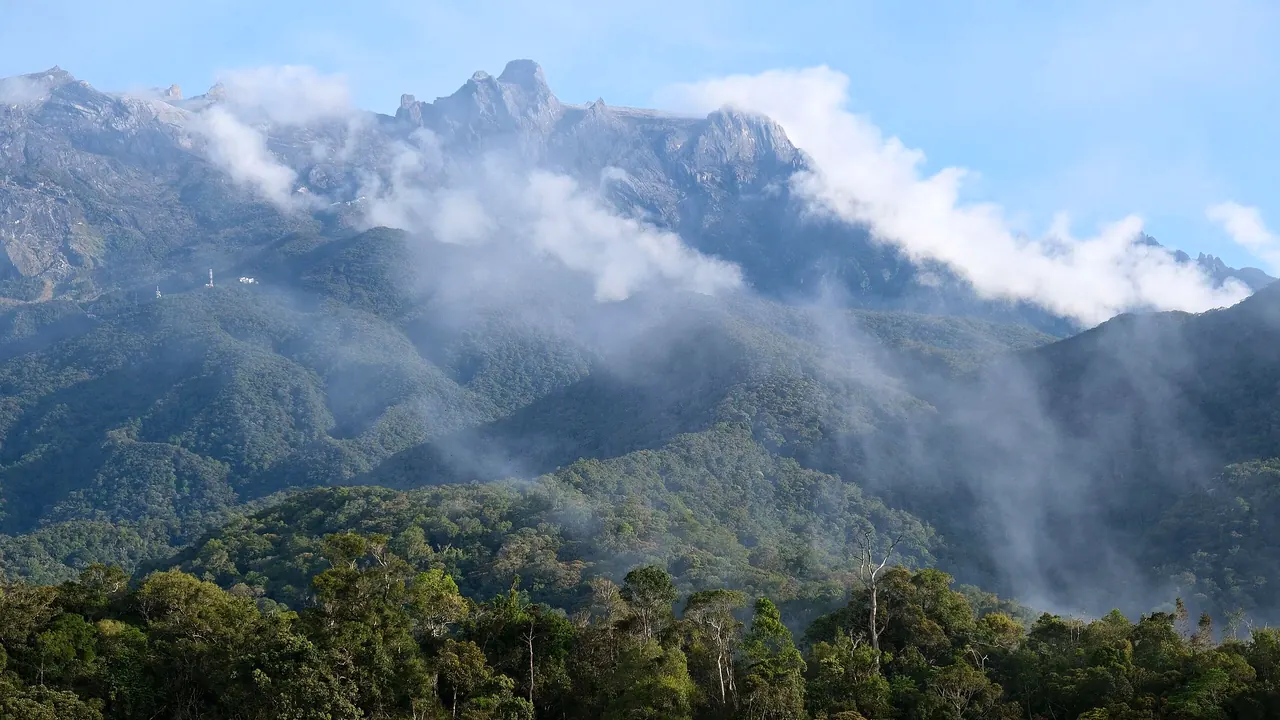
Borneo is the choice for travellers who want wildlife at the centre of the trip: orangutans at Sepilok, proboscis monkeys on the Kinabatangan, a two-day climb of Mount Kinabalu and the great caves of Mulu. It also has two real cities, Kuching and Kota Kinabalu, with hawker food, a historic riverfront and museums devoted to the island's peoples. The cost is distance. Expect flights, slow roads and boat transfers between two or three bases.
Choose Tioman for
- beaches
- prices
- wellness
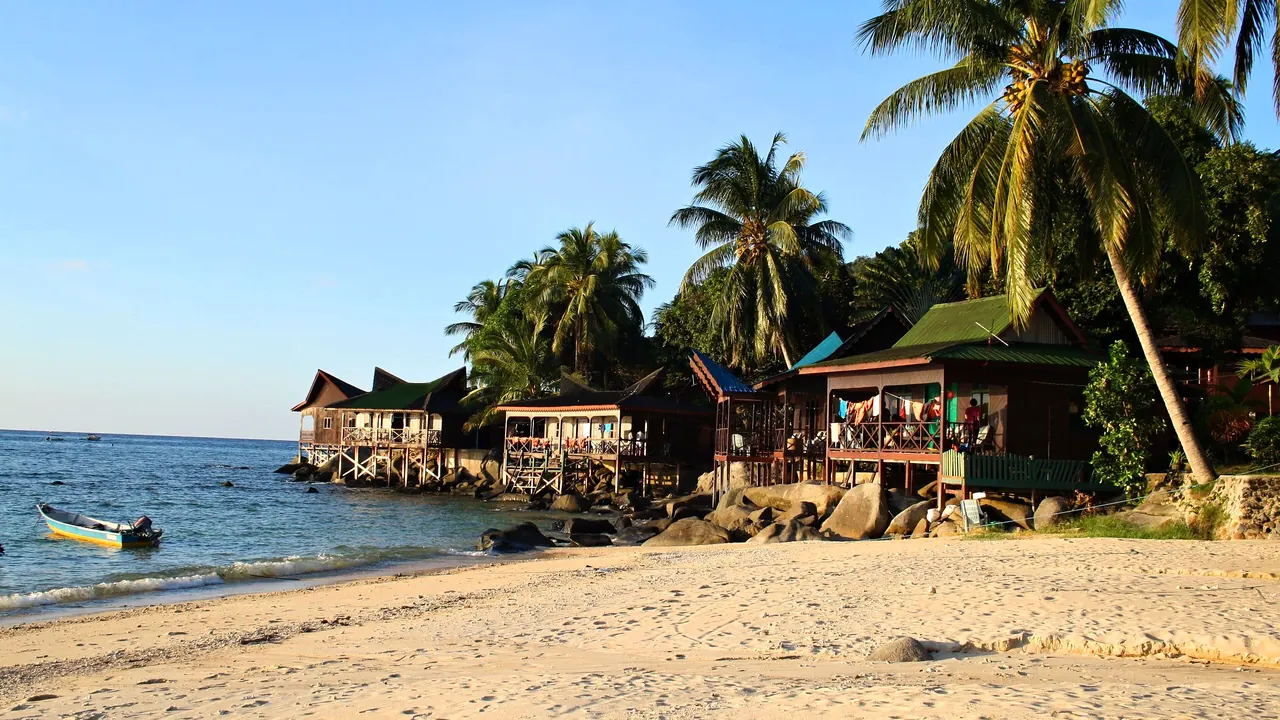
If the sea is the point, Tioman makes more sense. Coral starts a few steps from the sand in the sheltered west-coast bays, and the long beach at Juara lies on the far side of a jungle trail. It is a place to settle into one village and slow right down, with snorkelling, a dive course and a forest walk as the outings. Food, sights and evenings are simple, and once you arrive you mostly stay put.
Scoreboard
Twelve categories on one fixed scale from 0 to 100. The shaded stretch is the gap between the two.
Your match
Pick a travel style or drag the sliders, and both match scores follow your weighting.
Wins on food and drink and culture and sights with your weighting.
Wins on beaches and prices with your weighting.
What matters to you?
Category by category
What the scores mean for a trip.
Beaches & swimming
Borneo's swimming is mostly a boat ride away. The islands of Tunku Abdul Rahman Park off Kota Kinabalu have short white-sand beaches that fill with day-trippers at weekends, the coast around Kudat is quieter, and the famous waters off Semporna are for diving rather than lying on the sand. Near Kuching the resort beaches have murkier water.
Tioman is the better beach destination by some distance, because the beaches are the whole island. You can snorkel straight off the sand at Salang or Air Batang, the bays further south at Paya and Genting are calmer still, and Juara on the east coast is a long, open beach of pale sand.
Food & drink
Borneo has proper food towns, Kuching above all. The day there starts with a bowl of Sarawak laksa and carries on through kolo mee, midin fern fried with belacan and Dayak dishes cooked in bamboo, while Kota Kinabalu grills fish and squid over charcoal at its waterfront night market.
Tioman keeps things basic: nasi lemak and roti canai in village eateries, grilled seafood on the beach in the evening, and many kitchens closed in the monsoon. Its one advantage is duty-free beer, which is cheaper than on the mainland.
Culture & sights
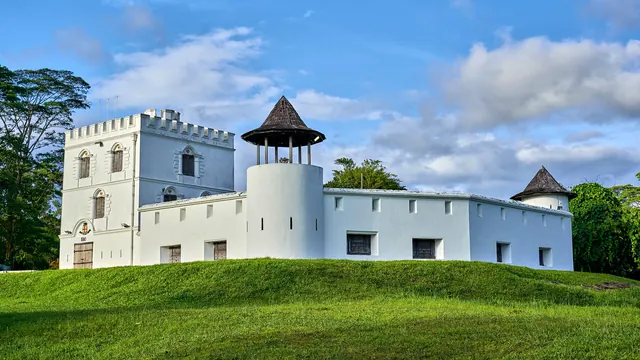
Borneo's heritage is about its peoples, and Kuching presents it well, with its Brooke-era riverfront, Fort Margherita, the Borneo Cultures Museum and longhouse stays upriver, while the Niah Caves near Miri hold some of the region's oldest human remains. Tioman has little beyond the timber houses and small mosques of fishing villages such as Juara and Mukut, and a legend about its twin peaks. Even so, Borneo's sights fill two or three days, not a whole trip.
Nightlife
Neither is a place for late nights, but Borneo has more to do after dinner: waterfront bars in Kota Kinabalu facing the sunset, a club or two at weekends and tuak in Kuching's old shophouse streets. On Tioman an evening means a duty-free beer at a beach bar in Salang, Air Batang or Tekek, sometimes with a bonfire, and an early night. There are no clubs at all.
Nature & outdoors
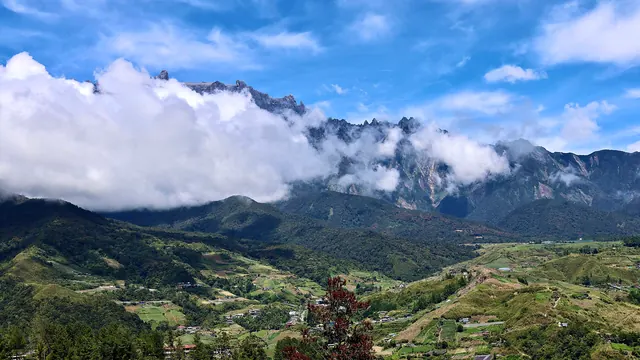
Borneo is one of the world's great wildlife destinations. It has wild orangutans and pygmy elephants along the Kinabatangan, old-growth forest in Danum Valley, a two-day climb of Mount Kinabalu to 4,095m, the caves and razor-sharp Pinnacles of Mulu, and Sipadan's reef walls for divers. Each area deserves several days.
Tioman is wilder than most beach islands, with rainforest climbing to Gunung Kajang and a steep half-day trail from Tekek to Juara where you may meet macaques and hornbills. Its reefs at Renggis and Chebeh make it a good place to learn to dive. Still, it is a beach island with forest behind it, not a wildlife expedition.
Day trips
Day trips are few in both, but Borneo at least has some. From Kuching you can visit the Santubong peninsula and the Bidayuh longhouses at Annah Rais, and from Kota Kinabalu the Sunday market at Kota Belud. On Tioman the only outings are boats to the coral islets for snorkelling, and the mainland ports are not worth the ferry ride.
Good for families
Borneo gives children more to remember: orangutans coming in to feed at Sepilok or Semenggoh, proboscis monkeys seen from a river boat, and the Lok Kawi wildlife park for younger ones. It also asks for more stamina, with leeches, long drives and simple lodges, so a beach base near Kota Kinabalu with short outings works best.
Tioman is simpler, with sheltered west-coast bays, fish a few steps from the sand and a turtle hatchery at Juara. Beyond that there is little to vary the days, the ferry can be choppy and medical care is basic.
Getting around
Borneo is somewhat easier to get around, for all its size. Domestic flights link Kuching, Miri, Kota Kinabalu, Sandakan and Tawau, the centres of Kuching and Kota Kinabalu are compact enough to walk, and ride-hailing apps work in both. The catch is distance. The hill roads are slow, Mulu can be reached only by plane or river, and the wildlife areas usually end with an organised transfer by boat.
Tioman depends on the sea. Everyone arrives by ferry from Mersing or Tanjung Gemok, a crossing of up to two hours with far fewer sailings in the monsoon. On the island, villages are joined mostly by water taxis and jungle trails, and only one road crosses the hills to Juara. Moving between bays takes real planning, so most visitors choose one village and stay there.
Shopping & style
Borneo has crafts worth carrying home: pua kumbu textiles, beadwork and Sarawak pepper along Kuching's Main Bazaar, and pearls and Rungus beads at Kota Kinabalu's handicraft market. On Tioman, shopping means duty-free alcohol and chocolate in Tekek and sarongs and sunscreen in the village stores.
Affordability
Both are cheap at street level, so the difference is where the extra costs hide. In Borneo they come with the big draws: permits and a hut for Kinabalu, all-inclusive lodges in Danum Valley and on the Kinabatangan, and dive permits for Sipadan. A trip based in the cities stays cheap, while one built around wildlife does not.
On Tioman, a simple chalet, village meals and duty-free beer keep a week inexpensive, and dive courses are good value. The extras are the ferry, the marine park fee and the water taxis, and the resorts cost noticeably more than the chalets.
Live music & performing arts
Borneo has one real event, the Rainforest World Music Festival held each midsummer at the foot of Mount Santubong. Around the end of May, the Gawai and Kaamatan harvest festivals also bring sape music and dancing to the longhouses. Tioman has a guitar at a beach bar or a resort cultural evening, and nothing more.
Wellness & relaxation
Neither is a spa destination, and the difference is in the kind of rest. Borneo has good resort spas at Santubong and on the islands off Kota Kinabalu, plus the sulphur baths at Poring after the Kinabalu climb, but dawn starts and humid treks tire you more than they restore you.
On Tioman the rest comes from the pace itself: no cars in most villages, days set by the tide and the light, and massage or beach yoga at some chalets.
When should you go?
Pick your month. The climate figures are measured averages, not a forecast.
Borneo in July
Tioman in July
Daytime high, °C
Rainfall in the month, mm
Where the figures come from
Tioman's temperatures are measured 55 km from the centre, at Mersing.
Tioman has no rain gauge within 25 km of the centre, so its rainfall comes from a gridded climate dataset read at the destination rather than from a gauge further away.
Temperature and rainfall are climate normals, averaged over the years shown. Borneo: 1991-2020 (sunshine 1981-2010) normals, Kuching (8.3 km from centre). Tioman: 1991-2020 normals, Mersing (54.5 km from centre).
Both lie close to the equator, so the heat hardly changes. Daytime highs stay between 30°C and 33°C all year, which is too warm for long walks at midday in either place, and the sea stays around 29°C. The rain is what changes. Borneo's figures, measured where most visitors stay, show a long wet season that peaks in January at 671mm and eases to its lowest in July, which is also the sunniest month. Roughly April to September is the most comfortable time for forest trips and the Sabah islands.
Tioman's dry season is longer and more clearly defined, running from about February to September, with August the driest month. From November the monsoon arrives hard and peaks in December at 721mm, when the seas turn rough and ferries become scarce. Midsummer is a good season for both, but in the turn of the year Tioman is largely closed for beach-going, while Borneo is simply very wet.
Which traveller are you?
On a beach and sun trip, Tioman is the clear pick. Coral grows close to shore along the west-coast bays, Juara has a long sweep of pale sand, and from March to October the sea is calm and clear. Borneo's better beaches are on islands a boat ride out.
For an outdoors trip, Borneo is in another league. Wild orangutans on the Kinabatangan, a sunrise summit on Mount Kinabalu, the bat caves of Mulu and Sipadan's reef walls justify the flights and transfers. Tioman offers one fine jungle crossing and good beginner diving.
On a food and nightlife trip, Borneo wins, mainly because of what is on the plate: Sarawak laksa and kolo mee in Kuching, then seafood grilled over charcoal at Kota Kinabalu's night market and a drink at the waterfront bars. Tioman has village eateries, beach grills and beach bars that go quiet early.
Before you go
| Measure | Borneo | Tioman |
|---|---|---|
| Official language | Malay | Malay |
| Currency | Malaysian Ringgit (MYR) | Malaysian Ringgit (MYR) |
| Sockets | G240 V, 50 Hz | G240 V, 50 Hz |
| Driving side | Left | Left |
| Time zone | UTC+8 | UTC+8 |
| Emergency number | 999 | 999 |
| Main airport | Kuching International Airport (KCH)23 non-stop destinations | Singapore Changi Airport (SIN)168 non-stop destinations |
By the numbers
| Measure | Borneo | Tioman |
|---|---|---|
| Population | 18,590,000 | 432 |
| Swim season, months above 21 °C | 12 months | 12 months |
Where else could you go?
Every comparison below shares a destination with this one, so you can follow Borneo or Tioman somewhere new.
- Bintanvs Tioman
- Perhentian Islandsvs Tioman
- Penangvs Tioman
- Langkawivs Tioman
- Koh Samuivs Tioman
- Perhentian Islandsvs Borneo