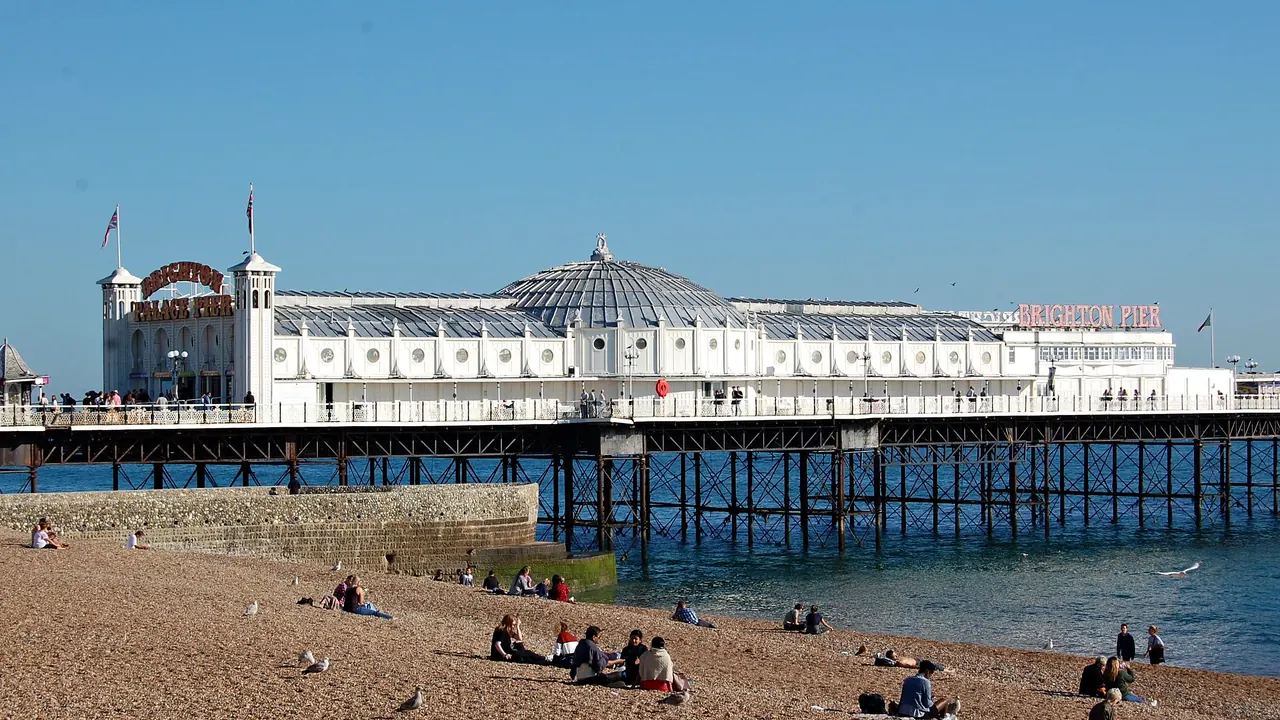
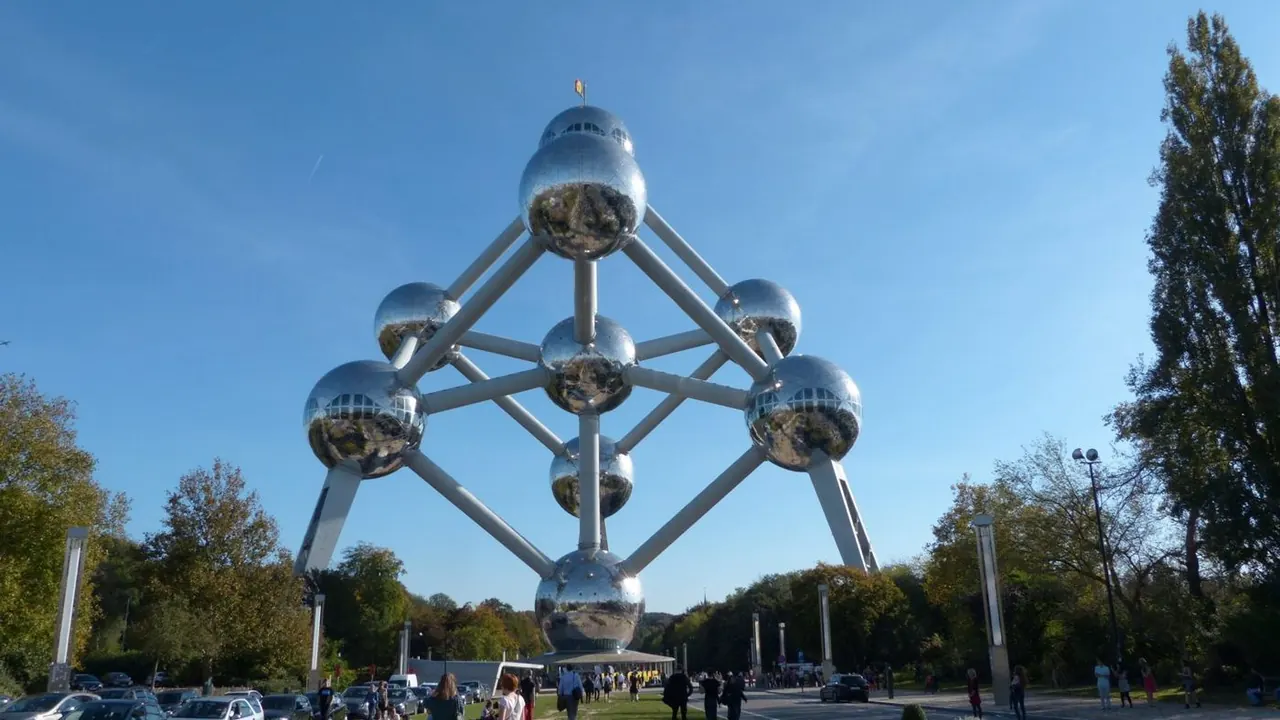
Photos: Brighton by Hassocks5489, CC0; Brussels by Ettanghe, CC BY-SA 4.0, cropped.
Brighton or Brussels?
Our verdict in twelve categories, each scored against the same fixed benchmark cities, and the climate month by month, so you can choose for your trip.
Choose Brighton for
- nature and the outdoors
- beaches
- nightlife
Brighton suits a looser, outdoor sort of trip: a seafront to walk, the chalk hills of the South Downs at the end of a bus ride, and the white cliffs at the Seven Sisters within easy reach. It is the better pick if you want the sea in view, a good night out in Kemptown or the Lanes, and a small, independent town where the pleasure is wandering rather than sightseeing. London is close enough to add a big-city day.
Choose Brussels for
- culture and sights
- food and drink
- day trips
For a trip built around great buildings, paintings and food, Brussels is the stronger choice. The Grand-Place, the Flemish masters and Horta's Art Nouveau houses give it far more to see, and its kitchens and beer cafés run deeper than anything on the Sussex coast. It also makes a superb base, with Ghent, Bruges and Antwerp each a short train ride away.
Scoreboard
Twelve categories on one fixed scale from 0 to 100. The shaded stretch is the gap between the two.
Your match
Pick a travel style or drag the sliders, and both match scores follow your weighting.
Too close to call, 2 points apart
Wins on nature and the outdoors and beaches with your weighting.
Wins on culture and sights and food and drink with your weighting.
What matters to you?
Category by category
What the scores mean for a trip.
Beaches & swimming
Brighton at least has a beach on its doorstep, a long shingle shore running from the Marina to Hove, with lifeguards in season and a cold but swimmable Channel in late summer. Most people sit on the stones with chips rather than swim, but on a warm day the seafront is where the whole town goes.
Brussels is inland, so a beach day means a train of a little over an hour to Ostend or Knokke. The sand there is wide and soft, which Brighton cannot offer, but the North Sea is just as chilly and the trip is an outing rather than part of daily life.
Food & drink
Brussels eats far better. It has a real cuisine of its own, from frites and mussels to beer-braised carbonnade and waterzooi, a beer culture with lambics brewed nowhere else, and chocolatiers around the Sablon. Its immigrant quarters add Congolese, Moroccan and Turkish cooking.
Brighton's strength is small independent kitchens in the North Laine and Kemptown, with a long-standing vegetarian and vegan reputation, serious coffee and Sussex sparkling wine. It is good eating for an English town, but there is no local cuisine and only a small top end.
Culture & sights
Brussels has much more to see. The Grand-Place is among Europe's finest squares, the Royal Museums of Fine Arts hold Bruegel, Rubens and Magritte, and Horta's UNESCO-listed Art Nouveau houses in Saint-Gilles and Ixelles have no parallel in Sussex. Add the Cinquantenaire museums and the Atomium and you have several full days.
Brighton has one sight of real fame, the Royal Pavilion with its Indian domes and chinoiserie rooms, plus the Regency crescents of Kemptown and Hove and the alleys of the Lanes. It rewards a stroll more than a sightseeing list, and a day or two covers it.
Nightlife
Both are good places to go out, but in different ways. Brighton is the louder and later of the two, with clubs in the seafront arches and on West Street, a student crowd, one of Britain's oldest LGBTQ+ scenes in Kemptown, and stag and hen parties at weekends.
Brussels is built around the bar, not the dance floor: wood-panelled taverns pouring Trappist ales and gueuze, terraces at Saint-Géry and Place Flagey, and one well-known techno club in the Marolles. Expect long, sociable evenings there rather than nights that end at dawn.
Nature & outdoors
Brighton has far better countryside on its doorstep. The South Downs begin at the city's edge, with chalk grassland at Devil's Dyke and the South Downs Way, and the white cliffs of the Seven Sisters and Beachy Head lie about forty minutes east. The sea adds sailing, paddleboarding and kitesurfing.
Brussels has the tall beech stands of the Sonian Forest and some fine parks, but the land around it is flat farmland. For hills and kayaking you have to travel to the Meuse valley around Dinant, a long day out.
Day trips
Both are excellent bases, but Brussels is the better one. Ghent, Bruges, Antwerp, Leuven and Mechelen are all within an hour by frequent trains, each a first-rank historic town, and Paris is close enough for a day by high-speed rail.
Brighton's ace is London, about an hour away, with Lewes, Arundel, Chichester and the medieval streets of Rye nearby. Sussex's vineyards and Weald gardens are lovely, but several are easier by car than by train.
Good for families
Children will be happy in either, in different ways. Brighton is the old-fashioned seaside: pier rides and arcades, the Victorian aquarium, Volk's Electric Railway and paddling at Hove Lagoon, though the shingle and cold water rule out sandcastles.
Brussels works better on wet days, with the Iguanodon hall at the Natural Sciences museum, the Atomium and Mini-Europe, comic murals across the centre and Walibi nearby. Its cobbles and heavy traffic are harder work with small children than Brighton's compact centre.
Getting around
Both centres are compact enough to walk, and both have one steep climb, from Brighton's seafront up to the station and from the lower to the upper town in Brussels. In both a car is more trouble than it is worth.
The difference is in what you ride. Brighton relies on a dense bus network and a flat promenade that is good for cycling, while Brussels has metro, trams and three main stations with direct trains to the airport. The trams out to Ixelles and Saint-Gilles are a pleasure in themselves.
Shopping & style
Brussels has the wider range. It has master chocolatiers in the glass Galeries Royales Saint-Hubert, antiques on the Sablon, a daily flea market in the Marolles, Belgian designers on Rue Antoine Dansaert and luxury labels on Avenue Louise.
Brighton has no luxury street at all, but the North Laine's vintage clothes, record shops and retro furniture, along with the jewellers and antique dealers of the Lanes, make it a great place for odd finds. Shoppers after quirky things will enjoy Brighton, while shoppers after chocolate, lace and designer fashion should go to Brussels.
Affordability
Neither is cheap, and in both the room is the main cost. In Brighton, rooms are dearest on summer weekends, when Londoners and party groups arrive, so a midweek or winter stay works out much cheaper. Once you are there, the beach, piers and Downs cost nothing.
Brussels works the other way round. Business hotels fill on weekdays and empty at weekends, so a Friday-to-Sunday stay is the better deal. Frites, immigrant cooking and good-value beer help keep daily costs down.
Live music & performing arts
Brussels has the richer stage. La Monnaie is an opera house with a taste for bold productions, Bozar hosts the national orchestra, Flagey is known for its acoustics and the Queen Elisabeth Competition is a fixture of the classical year. Add dance and theatre in two languages and the big touring concerts.
Brighton is more about fringe, comedy and small rooms. Its May festival and the largest fringe in England take over the town for weeks, and the pub music circuit runs deep. Glyndebourne's summer opera in the Downs nearby is its one rival to Brussels' formal music.
Wellness & relaxation
Neither city is a place for a spa break, and neither has thermal baths. What relaxation each offers reflects its character. In Brighton it is a dawn swim in the Channel followed by a seafront sauna, or quiet off-season walks past the beach huts of Hove.
In Brussels it means North African hammams, swims in Art Deco public pools, long lunches and walks in the Sonian Forest, set against the pace of a working capital.
When should you go?
Pick your month. The climate figures are measured averages, not a forecast.
Brighton in July
Brussels in July
Daytime high, °C
Rainfall in the month, mm
Where the figures come from
Brighton has no rain gauge within 25 km of the centre, so its rainfall comes from a gridded climate dataset read at the city rather than from a gauge further away.
Brighton's sunshine is measured 37 km from the centre, at London Gatwick Airport.
Temperature and rainfall are climate normals, averaged over the years shown. Brighton: 1999-2020 (sunshine 1981-2010, rainfall 1991-2020) normals, Shoreham Airport (10.3 km from centre). Brussels: 1991-2020 normals, Uccle (5.2 km from centre).
Neither city gets hot, and both are at their best from late May to September. Brighton's summer is cooler, with afternoons around 20°C in July and August, and the Channel at its warmest, about 17°C, in August and September, which is bracing but swimmable on calm days. Brussels runs a few degrees warmer, reaching about 23°C in high summer, which is pleasant weather for walking the streets and sitting out on café terraces.
Their rain falls differently. Brighton's summers are fairly dry, but the rain sets in hard from October, peaking at about 105mm in December, so autumn and winter are wet and grey on the coast. Brussels has rain in every season and is actually at its wettest in high summer, around 90mm in August, so pack an umbrella whenever you go. Both get similar sunshine, long in summer and very little in December and January, when short, chilly days favour museums over the seafront.
Which traveller are you?
On a culture and arts trip, Brussels is the clear choice. The Grand-Place, the Royal Museums with Bruegel and Magritte, Horta's houses and La Monnaie's opera fill a week, while Brighton has the Royal Pavilion and lovely Regency streets but not much more.
For an outdoors trip, Brighton wins. The South Downs National Park starts at the edge of town, with walking and mountain biking on the South Downs Way, the Seven Sisters cliffs nearby and windsurfing off the seafront. Brussels has the Sonian Forest but flat land around it.
On a food and nightlife trip, Brussels has the edge for eating: mussels, carbonnade, lambic beers and the cooking of Matonge and Saint-Gilles. The nights are equally good in both cities, so choose Brussels for long tavern evenings and Brighton for clubs and late bars.
Before you go
| Measure | Brighton | Brussels |
|---|---|---|
| Official language | English | French, German, Dutch |
| Currency | Pound Sterling (GBP) | Euro (EUR) |
| Sockets | G230 V, 50 Hz | CE230 V, 50 Hz |
| Driving side | Left | Right |
| Time zone | UTC, UTC+1 in summer | UTC+1, UTC+2 in summer |
| Emergency number | 112 or 999 | 112 |
| Elevation | 22 m | 70 m |
| Main airport | London Gatwick Airport (LGW)37 km from centre224 non-stop destinations | Brussels Airport (BRU)11 km from centre191 non-stop destinations |
| Public holidays this year | 8 days | 14 days |
By the numbers
| Measure | Brighton | Brussels |
|---|---|---|
| City population | 134,293 | 195,546 |
| People per km² | 1,624 | 5,908 |
| Museums within 10 km | 11 | 106 |
| UNESCO World Heritage sites within 50 km | 0 | 11 |
| Swim season, months above 21 °C | None | - |
Where else could you go?
Every comparison below shares a destination with this one, so you can follow Brighton or Brussels somewhere new.
- Antwerpvs Brussels
- Ghentvs Brussels
- Londonvs Brighton
- Brugesvs Brussels
- Maastrichtvs Brussels
- Lillevs Brussels