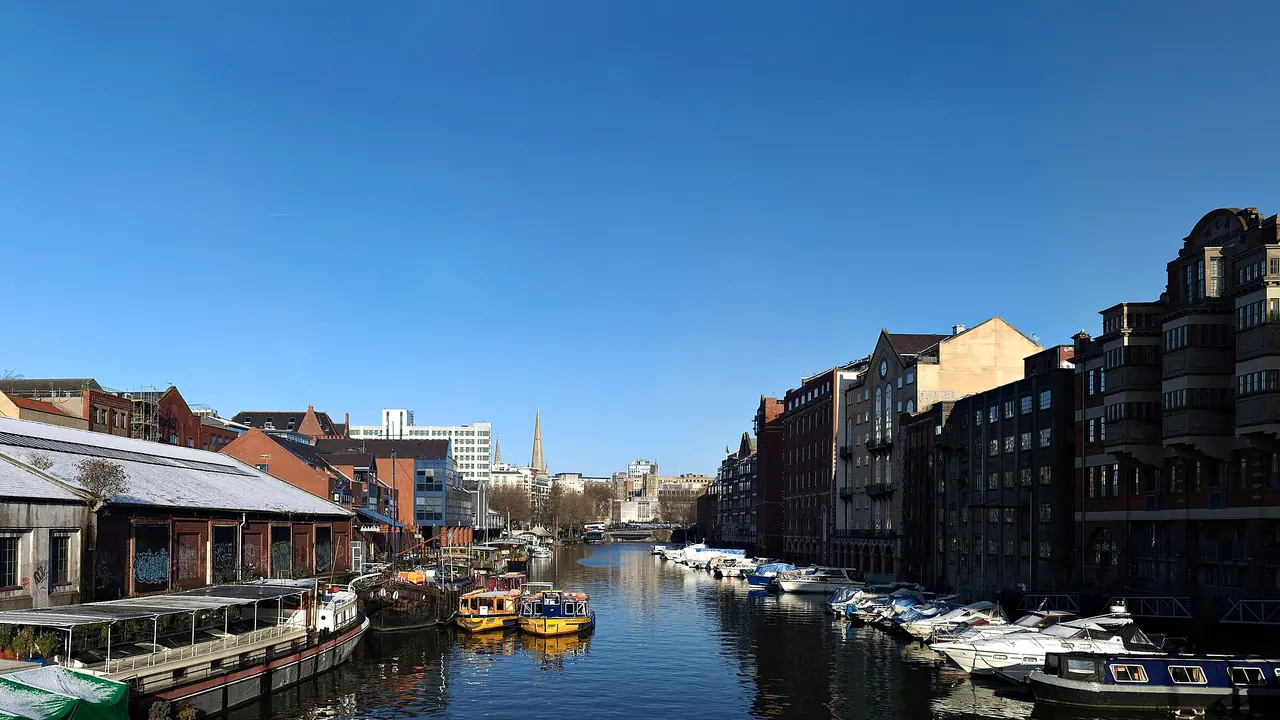
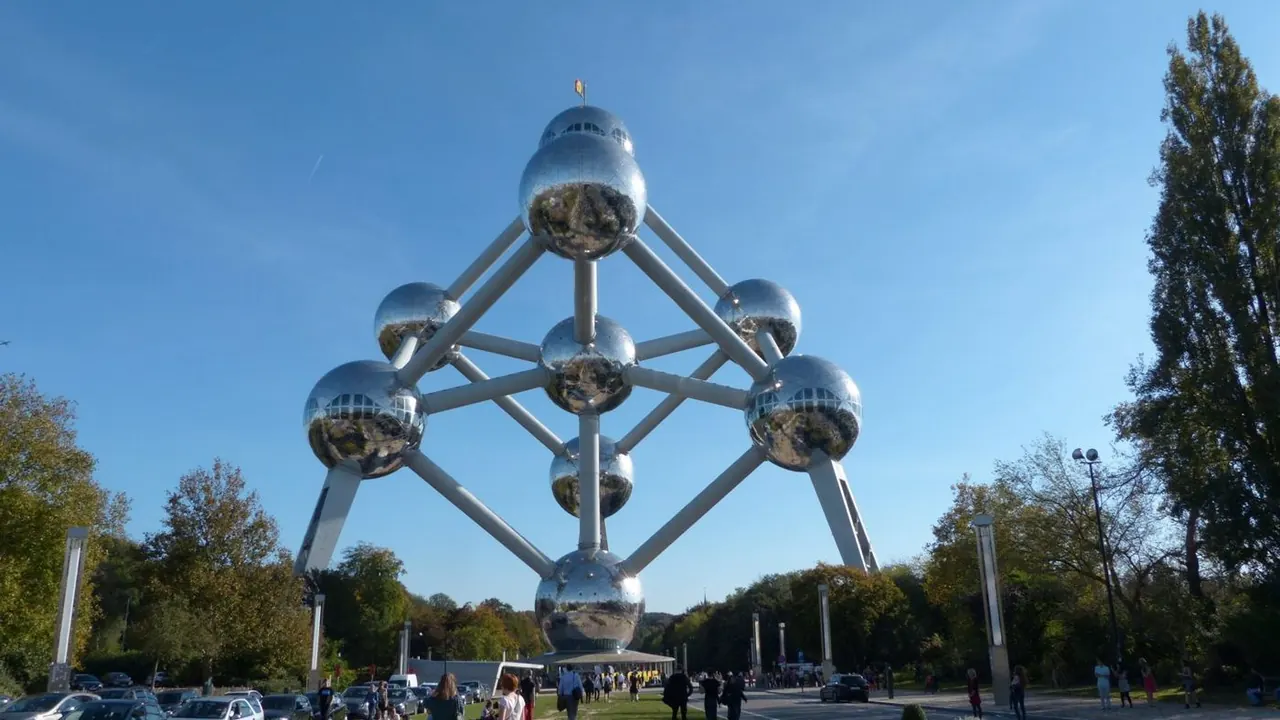
Photos: Bristol by NotFromUtrecht, CC BY-SA 3.0, cropped; Brussels by Ettanghe, CC BY-SA 4.0, cropped.
Bristol or Brussels?
Our verdict in twelve categories, each scored against the same fixed benchmark cities, and the climate month by month, so you can choose for your trip.
Choose Bristol for
- nature and the outdoors
- wellness
- nightlife
Bristol suits a traveller who wants green space and a creative streak more than grand monuments. The Avon Gorge, Ashton Court and the Mendips are close at hand, Bath's hot springs are a short train ride away, and the warehouse clubs and sound-system culture give its nights a character of their own. Two or three days cover the city itself, and the West Country fills the rest of the trip.
Choose Brussels for
- culture and sights
- getting around
- food and drink
For art, food and easy travel without a car, Brussels is the stronger pick. The Grand-Place, the Bruegels and Magrittes, Horta's Art Nouveau houses and the opera at La Monnaie make for a fuller cultural stay. Beer and Belgian cooking give its eating a real identity, and the metro, trams and fast trains put Ghent, Bruges and Antwerp within easy reach.
Scoreboard
Twelve categories on one fixed scale from 0 to 100. The shaded stretch is the gap between the two.
Your match
Pick a travel style or drag the sliders, and both match scores follow your weighting.
Wins on nature and the outdoors and wellness with your weighting.
Wins on culture and sights and getting around with your weighting.
What matters to you?
Category by category
What the scores mean for a trip.
Beaches & swimming
Neither city is a place to swim in the sea, and the shores within reach are different. Bristol looks onto the silty, brown Severn estuary, where low tide leaves mud and Weston's sands lie a long walk from the water. The Victorian marine lake at Clevedon is where cold-water swimmers actually get in.
Brussels is inland, but a train of a little over an hour reaches the wide, clean sands at Ostend or Knokke, which make a windy North Sea day out. Back in the city, swimming happens in its Art Deco indoor pools.
Food & drink
Brussels has a cuisine to travel for, and Bristol does not. Mussels, carbonnade stewed in beer, waterzooi, proper frites and the praline makers of the Sablon give eating there a clear identity. The sour lambics and gueuzes are brewed only in and around the city. The Congolese, Moroccan and Turkish kitchens of Matonge and Schaerbeek add range.
Bristol is a city for grazing: stalls at St Nicholas Market, container kitchens on the harbourside and bakeries along Gloucester Road. What it does best is drink, with West Country cider and warehouse taprooms.
Culture & sights
Brussels offers more to see. The Grand-Place is one of Europe's great squares, the Royal Museums hold Bruegel, Rubens and a whole museum of Magritte, and Horta's houses in Saint-Gilles show where Art Nouveau began. It can fill several days, though office blocks break up its historic quarters.
Bristol's sights are narrower and more industrial: the SS Great Britain in its dry dock, the Clifton Suspension Bridge over the gorge, and St Mary Redcliffe. It also has Banksy's early street art, which makes it a good two or three days.
Nightlife
Both are good cities for a night out, but in different ways. Bristol's nights are built on clubs and sound systems, the culture that produced trip hop and drum and bass. It has warehouse and railway-arch venues near Temple Meads, a club on a boat in the harbour and scruffy late bars in Stokes Croft.
Brussels centres on the bar: crowds of drinkers around Saint-Géry, wood-panelled taverns pouring strong ales, and the local terraces of Flagey and Châtelain. Its club life is smaller and leans on one respected techno venue in the Marolles and the queer bars of Rue du Marché au Charbon.
Nature & outdoors
Bristol has much better outdoors on its doorstep. Climbers use the cliffs of the Avon Gorge, Leigh Woods and Ashton Court are just across the river, and Cheddar Gorge and the Mendips are within an hour for walking and caving. Exmoor and the Brecon Beacons are close enough for proper hill days.
Brussels has one fine asset, the tall beech stands of the Sonian Forest. Beyond it the land is flat farmland, and hills or kayaking mean a trip of up to two hours to the Meuse valley around Dinant.
Day trips
Both are good bases, but Brussels reaches more first-rank towns by train alone. From Temple Meads, Bath's Roman baths and crescents are a quarter of an hour away, Cardiff's castle is under an hour across the Severn, and direct trains also run to the cathedrals of Salisbury and Gloucester. The rural West Country days are a different matter. Wells and Glastonbury Tor, the stone villages of Lacock and Castle Combe, the circle at Avebury, Stonehenge and Tintern Abbey are all far easier with a hire car.
From Brussels, frequent trains reach the Van Eyck altarpiece in Ghent in about half an hour, Antwerp's Rubens house in forty minutes and medieval Bruges in about an hour, and Leuven and Mechelen are closer still. Paris is about an hour and a half away by high-speed train, so you can fill a week with day trips and never need a car.
Good for families
Children are equally well served in both, in different ways. Bristol is about the harbour: ferries hop between the SS Great Britain, the hands-on science centre and the aquarium, and the Downs and the deer at Ashton Court give space to run about. The steep hills are hard work with a pushchair.
Brussels has the bigger set pieces. There are the Iguanodons in the dinosaur hall, the Atomium and Mini-Europe, and the Walibi amusement park half an hour out, which Bristol cannot match. Its cobbles and traffic are the trade-off.
Getting around
Brussels is easier to get around. Its metro, trams and buses take a tapped bank card, trams run out to Ixelles and the Bois de la Cambre, and the stations connect directly to the airport.
Bristol has no metro or tram. Outside its walkable core, visitors rely on buses that get stuck in traffic, though the yellow harbour ferries are a pleasant way to get about on the water. Both cities have a stiff climb, up to Clifton in Bristol and up to the upper town in Brussels.
Shopping & style
Brussels gives shoppers more to look for. Master chocolatiers line the Galeries Royales and the Sablon, antiques dealers fill the Sablon, and the Jeu de Balle flea market runs every day. Belgian designers cluster on Rue Antoine Dansaert, and Avenue Louise has the luxury labels.
Bristol's character is in its independents: record shops, delis and vintage clothes along Gloucester Road and boutiques up Park Street. Beyond that it has the chain stores of Cabot Circus and very little at the luxury end.
Affordability
Both cost about the same, a little below the priciest cities without being cheap, but the timing works in opposite directions. Bristol's hotels fill up and get dearer at weekends. Brussels' business hotels empty on Friday, so weekends there are the better buy.
Day to day, Bristol saves money with its free museums and churches and its market stalls. In Brussels the savings are frites, sandwiches and the cooking in the immigrant neighbourhoods.
Live music & performing arts
Brussels has the stronger formal stage. La Monnaie stages adventurous opera in the house where the 1830 revolution began, and Bozar is home to the national orchestra. On top of that it has a serious contemporary dance and theatre scene in two languages.
Bristol's pride is the Bristol Old Vic, the oldest continuously working theatre in the English-speaking world, together with fringe Shakespeare at the Tobacco Factory. Its real strength is the small venues in Stokes Croft and Old Market, where bands play most nights.
Wellness & relaxation
Bristol is the better choice for slowing down, mostly because of Bath. A quarter of an hour by train, you can bathe in Britain's only natural hot springs on a rooftop above the abbey. In Bristol itself, the heated Victorian lido behind Clifton's terraces makes a quiet half day.
Brussels has no bathing tradition and is a busy working capital. Its options are the North African hammams, its Art Deco pools and a long lunch on a terrace in Ixelles, while the town of Spa is a long way off.
When should you go?
Pick your month. The climate figures are measured averages, not a forecast.
Bristol in July
Brussels in July
Daytime high, °C
Rainfall in the month, mm
Where the figures come from
Bristol's station stands 178 m above the city centre, so the centre is likely a little warmer than the figures say.
Bristol has no rain gauge within 25 km of the centre, so its rainfall comes from a gridded climate dataset read at the city rather than from a gauge further away.
Bristol's sunshine is measured 43 km from the centre, at Lyneham.
Temperature and rainfall are climate normals, averaged over the years shown. Bristol: 1991-2020 normals, Lulsgate Bottom (11.8 km from centre). Brussels: 1991-2020 normals, Uccle (5.2 km from centre).
Neither city has real beach weather. Bristol peaks at around 20°C in July, and the sea off its coast only reaches 18°C in late summer, which is fine for a bracing dip but not for lazing in the water. May to September is the best time to walk the gorge and the hills, with the most sunshine. The rain builds from October, and late autumn into early winter is the wettest stretch, at nearly 100mm a month.
Brussels runs a few degrees warmer in summer, reaching 23°C in July and August, which is pleasant for café terraces and walking around town. Its rain falls differently, though. August is its wettest month at 90mm, and April is the driest. Late spring and September suit both cities well. Their winters are cold, grey and short of sun, better spent in museums, pubs and beer cafés than out of doors.
Which traveller are you?
On a culture and arts trip, Brussels gives more. The Grand-Place, the Flemish masters and Magritte, Horta's UNESCO-listed houses and an evening at La Monnaie or Bozar go deeper than Bristol's Brunel sights and its Old Vic.
For an outdoors trip, Bristol is the better base. You can climb the limestone of the Avon Gorge, ride the mountain-bike trails at Ashton Court or cycle the railway path, and Cheddar Gorge and the Mendips are close. Flat Brussels has its beech forest, and that is about all.
On a food and nightlife trip, Brussels wins at the table with its mussels, lambics and Congolese cooking in Matonge, and its nights centre on beer taverns. Clubbers may still lean towards Bristol, where the warehouses and railway arches carry a homegrown sound.
Before you go
| Measure | Bristol | Brussels |
|---|---|---|
| Official language | English | French, German, Dutch |
| Currency | Pound Sterling (GBP) | Euro (EUR) |
| Sockets | G230 V, 50 Hz | CE230 V, 50 Hz |
| Driving side | Left | Right |
| Time zone | UTC, UTC+1 in summer | UTC+1, UTC+2 in summer |
| Emergency number | 112 or 999 | 112 |
| Elevation | 11 m | 70 m |
| Main airport | Bristol Airport (BRS)11 km from centre117 non-stop destinations | Brussels Airport (BRU)11 km from centre191 non-stop destinations |
| Public holidays this year | 8 days | 14 days |
By the numbers
| Measure | Bristol | Brussels |
|---|---|---|
| City population | 472,465 | 195,546 |
| People per km² | 4,311 | 5,908 |
| Museums within 10 km | 23 | 106 |
| UNESCO World Heritage sites within 50 km | 3 | 11 |
| Swim season, months above 21 °C | None | - |
Where else could you go?
Every comparison below shares a destination with this one, so you can follow Bristol or Brussels somewhere new.
- Bathvs Bristol
- Cardiffvs Bristol
- Antwerpvs Brussels
- Ghentvs Brussels
- Brugesvs Brussels
- Maastrichtvs Brussels