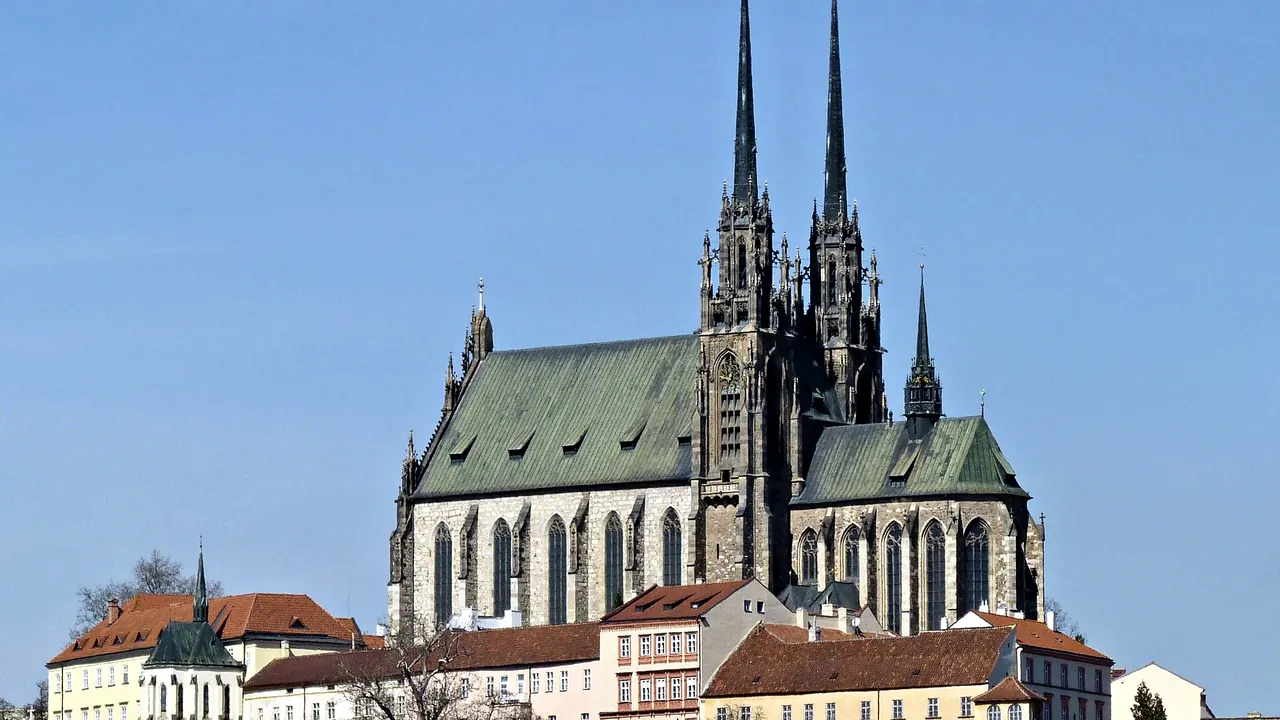
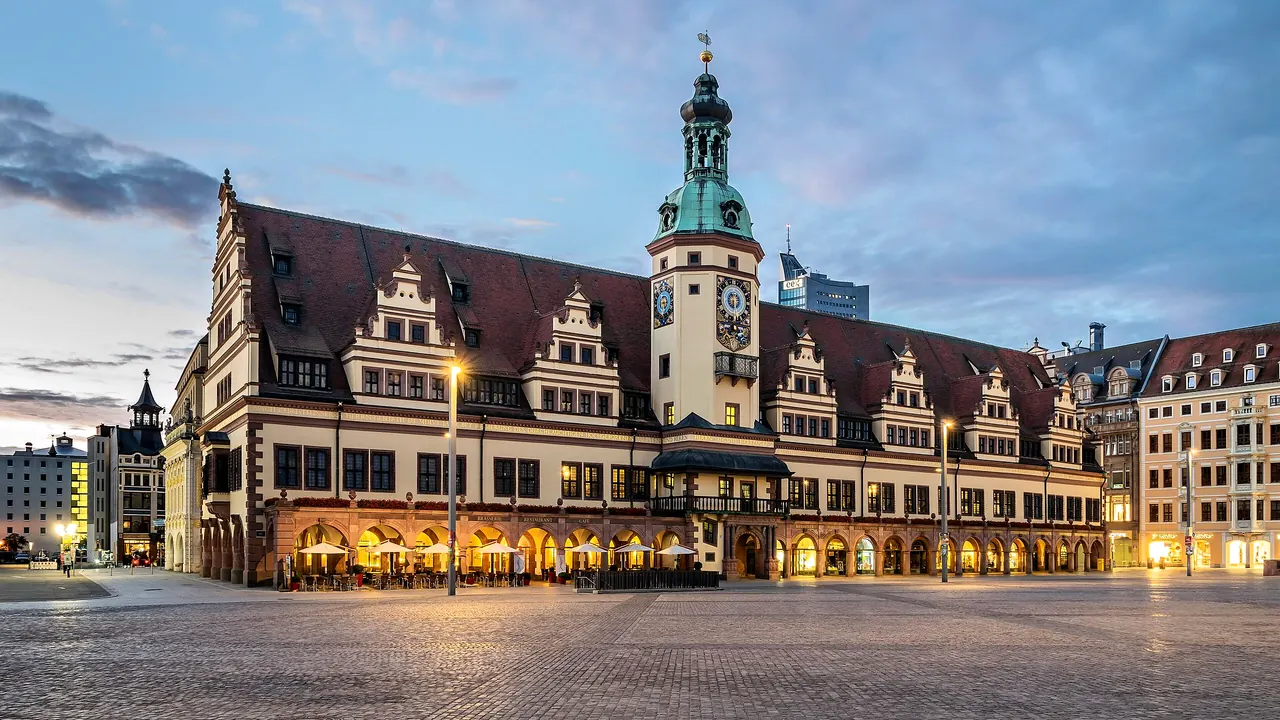
Photos: Brno by Michal Klajban, CC BY-SA 3.0, cropped; Leipzig by Krzysztof Golik, CC BY-SA 4.0, cropped.
Brno or Leipzig?
Our verdict in twelve categories, each scored against the same fixed benchmark cities, and the climate month by month, so you can choose for your trip.
Choose Brno for
- prices
- nature and the outdoors
Brno suits a traveller who wants a cheap, unhurried base with the countryside on the doorstep. Villa Tugendhat and the interwar functionalist districts fill a day or two in town. Then the caves of the Moravian Karst, the chateaux of Lednice-Valtice and the wine villages around Mikulov are all close by. Evenings mean cocktails, Moravian wine and Janacek at the opera rather than clubbing, and almost everything costs little.
Choose Leipzig for
- live music and the arts
- beaches
- nightlife
Pick Leipzig if music is the point of the trip, or if you want nights that go on past dawn. The Gewandhaus Orchestra, the opera on Augustusplatz and the Thomanerchor at Bach's own church give it a concert life Brno cannot match, and the clubs in old factories keep the weekends going. It also works better with children, thanks to the zoo and the sandy lakes south of town, though apart from the hotel room you pay full German prices.
Scoreboard
Twelve categories on one fixed scale from 0 to 100. The shaded stretch is the gap between the two.
Your match
Pick a travel style or drag the sliders, and both match scores follow your weighting.
Wins on prices and nature and the outdoors with your weighting.
Wins on live music and the arts and beaches with your weighting.
What matters to you?
Category by category
What the scores mean for a trip.
Beaches & swimming
Leipzig is the better place for a swim. The flooded mines south of town, the Cospudener See and Markkleeberger See, have sandy shores, clear water and beach bars, and you can reach them by tram or by bike. On a hot day you can spend the whole afternoon there.
Brno's answer is the reservoir on the Svratka, with grassy banks and small beaches, but algae can spoil the water in hot spells. The Nove Mlyny lakes are an hour away. In neither city is swimming a reason to book.
Food & drink
Neither city is a food destination, and both serve filling regional cooking with dumplings and roasts. The difference is in the glass. Brno is in Moravian wine country, so light whites and Frankovka reds from vineyards less than an hour away are poured by the glass. It also has a strong specialty coffee scene and the Zelny trh market.
Leipzig's drinks are beer and coffee with a long history: the salty, sour Gose and coffee houses going back to the early eighteenth century. Its casual international kitchens and beer gardens in the Südvorstadt and Plagwitz give a little more variety than Brno's lunch-menu places. In both cities, fine dining is hard to find.
Culture & sights
Both cities fill two or three days, but the subjects are very different. Brno's draw is architecture: Mies van der Rohe's Villa Tugendhat and a rare concentration of interwar functionalist buildings. Underground there are the Capuchin Crypt's mummified monks and the ossuary under St James's.
Leipzig's sights tell the story of music and of the end of East Germany. Bach is buried in the Thomaskirche, the Nikolaikirche prayers led to 1989, and the Runde Ecke is the former Stasi headquarters. The trade-fair arcades and the Grassi museums round it out, and its range of museums is a little broader.
Nightlife
Leipzig is the place for a big night out. Its club culture grew up in disused factories and warehouses, electronic music runs past dawn at weekends, and the doors are easy-going. Away from the clubs, there are bars along the Karli, in Connewitz and in the canal-side mills of Plagwitz.
Brno's evenings are smaller and quieter. Its specialty is the serious cocktail bar, often behind an unmarked door or down cellar steps, along with wine bars and student pubs around Jakubske namesti. It is excellent for a long night of drinks, but there is little dancing. Both cities go quiet when the students leave, Brno especially in July and August.
Nature & outdoors
Brno has the more varied countryside. Half an hour north, the Moravian Karst holds more than a thousand caves, and at the Punkva Caves a boat runs along an underground river below the 138m Macocha Abyss. To the south are the limestone Palava hills and the Dyje valley in Podyji National Park.
Leipzig's nature is flat and watery. The Auwald floodplain forest runs right through the city, canoes can paddle in from Plagwitz, and the mine lakes suit sailing and cycling circuits. For hills you need a two-hour train ride to Saxon Switzerland or the Harz.
Day trips
Both cities make outstanding bases, and the choice comes down to what you want to see. From Brno the trips are rural and Baroque: the chateaux and parkland of Lednice-Valtice, the Austerlitz battlefield, UNESCO towns such as Telc and Trebic, and wine towns like Mikulov. Vienna and Bratislava are each about an hour and a half away.
From Leipzig you reach the great names of German culture. Dresden and Weimar are each a little over an hour away, and Wittenberg, Naumburg, Dessau's Bauhaus and the Wartburg also make easy trips. Berlin is closer than Vienna is to Brno.
Good for families
Leipzig is easier with children. Its zoo is one of Europe's best, and the covered Gondwanaland hall saves a rainy day. In summer the lakes have sandy, shallow shores, Belantis theme park is next door, and the flat centre is easy with a pushchair.
Brno is safe and simple to get around, but it has fewer places aimed at children. The VIDA science centre, the hillside zoo and the Anthropos mammoths fill a couple of days. The boat through the Punkva Caves is the outing children remember best. Cobbles and hills call for a sturdy pushchair.
Getting around
Both have compact old towns that take about a quarter of an hour to cross on foot, with trams covering the rest. In Brno, one integrated ticket also covers regional trains across South Moravia, which keeps wine-country trips simple, though the streets up to Spilberk and the cathedral are steep. Leipzig is completely flat and full of cycle lanes, so a bike is often quickest, and an S-Bahn line under the centre runs south to the lakes.
Shopping & style
Leipzig is the better place to shop. Its covered trade-fair arcades make browsing pleasant in any weather. In the west, Karl-Heine-Strasse has design, vintage and record shops, and the Spinnerei mill opens its galleries and studios for weekend tours.
Brno has the usual chains on Ceska and Masarykova and a few independent shops in the side streets. The best things to take home are bottles of Moravian wine, bought from a cellar on a day trip.
Affordability
Brno is the cheaper of the two across the whole stay, and the gap shows less in the hotel bill than in what you spend once you are there. It also costs clearly less than Prague, so it is one of the easier places in central Europe to stretch a vacation over extra days. Its specialty coffee and cocktail bars are the only places where a bill catches up with home, and even they rarely change the overall picture.
Leipzig is closest to Brno on accommodation. Mid-range rooms within walking distance of the old town are plentiful and cheaper than in most big German cities. The difference grows with every meal out and every round of drinks, so the longer you stay, the further apart the two become. A night at the Gewandhaus or the opera is fair for the quality. In both cities a big trade fair fills the hotels, and in Leipzig rates climb sharply, so check the fair calendar before booking.
Live music & performing arts
Leipzig is one of Europe's great music cities. The Gewandhaus Orchestra faces the opera house across Augustusplatz, and the Thomanerchor sings Bach in the church where he worked. The Bachfest fills the churches each June, and every Whitsun the Wave-Gotik-Treffen brings a huge gathering of goth music fans.
Brno has a fine stage life of its own, built around Janacek. His operas lead the repertoire at the Janacek Theatre, and Mozart once played at the Reduta. The Brno Philharmonic gives a regular season. Much of the drama is in Czech, so visitors are better off with opera, ballet and concerts.
Wellness & relaxation
Neither city has thermal springs, and in both, wellness mostly means pool complexes with saunas. Leipzig has the edge through German sauna culture and a few lakeside saunas, and the spa towns of Bad Düben and Bad Lausick are a short drive away. Brno's calm is found in café afternoons, Luzanky park and the Spilberk slopes, while Leipzig's is found on long walks in the floodplain forest.
When should you go?
Pick your month. The climate figures are measured averages, not a forecast.
Brno in July
Leipzig in July
Daytime high, °C
Rainfall in the month, mm
Temperature and rainfall are climate normals, averaged over the years shown. Brno: 1991-2020 normals, Brno / Turany (8.4 km from centre). Leipzig: 1991-2020 (sunshine 1961-1990, rainfall 1961-1990) normals, Leipzig-Holzhausen (5.7 km from centre).
Both cities have a central European climate with warm summers and cold, grey winters, and both are at their most comfortable for walking in May, June and September, when afternoons are around 20°C. July and August peak at about 26°C in Brno and a degree cooler in Leipzig. That is warm enough for an afternoon at the reservoir or the lakes, but rarely too hot for sightseeing. Brno is the sunnier of the two in summer by a clear margin, but early summer is also its wettest stretch, with June and July bringing around 70mm each.
Winter separates them a little. Brno is colder, with daytime highs near 2°C in December and January, but it is also drier than Leipzig through those months. Leipzig spreads its rain more evenly across the year and has fewer sunny hours in every season. From November to February neither city is at its best, and a visit then is for museums, concerts and warm interiors.
Which traveller are you?
For a culture and arts trip, Leipzig is the stronger choice. Both cities have enough sights for two or three days, but Leipzig adds the Gewandhaus Orchestra, a full opera and ballet house, the Thomanerchor singing Bach most term weekends and the Bachfest each June.
On a trip with a tight budget, Brno goes further. Pub lunch menus, beer, local wine, tram tickets and museum entry all cost little there. Leipzig keeps its rooms cheap, but meals, drinks and taxis are priced like anywhere else in Germany.
For an outdoors trip, Brno has more to offer. The Moravian Karst's caves and wooded trails are half an hour away, with the Palava hills and the Dyje valley to the south. Leipzig's floodplain forest and mine lakes suit gentle cycling and paddling, but real hills are two hours away.
Before you go
| Measure | Brno | Leipzig |
|---|---|---|
| Official language | Czech | German |
| Currency | Czech Koruna (CZK) | Euro (EUR) |
| Sockets | CE230 V, 50 Hz | CF230 V, 50 Hz |
| Driving side | Right | Right |
| Time zone | UTC+1, UTC+2 in summer | UTC+1, UTC+2 in summer |
| Emergency number | 112 | 112 |
| Elevation | 237 m | 110 m |
| Main airport | Brno-Tuřany Airport (BRQ)8 km from centre40 non-stop destinations | Leipzig/Halle Airport (LEJ)13 km from centre20 non-stop destinations |
| Public holidays this year | 13 days | 11 days |
By the numbers
| Measure | Brno | Leipzig |
|---|---|---|
| City population | 402,739 | 615,932 |
| People per km² | 1,750 | 2,068 |
| Museums within 10 km | 25 | 40 |
| UNESCO World Heritage sites within 50 km | 2 | 1 |
Where else could you go?
Every comparison below shares a destination with this one, so you can follow Brno or Leipzig somewhere new.