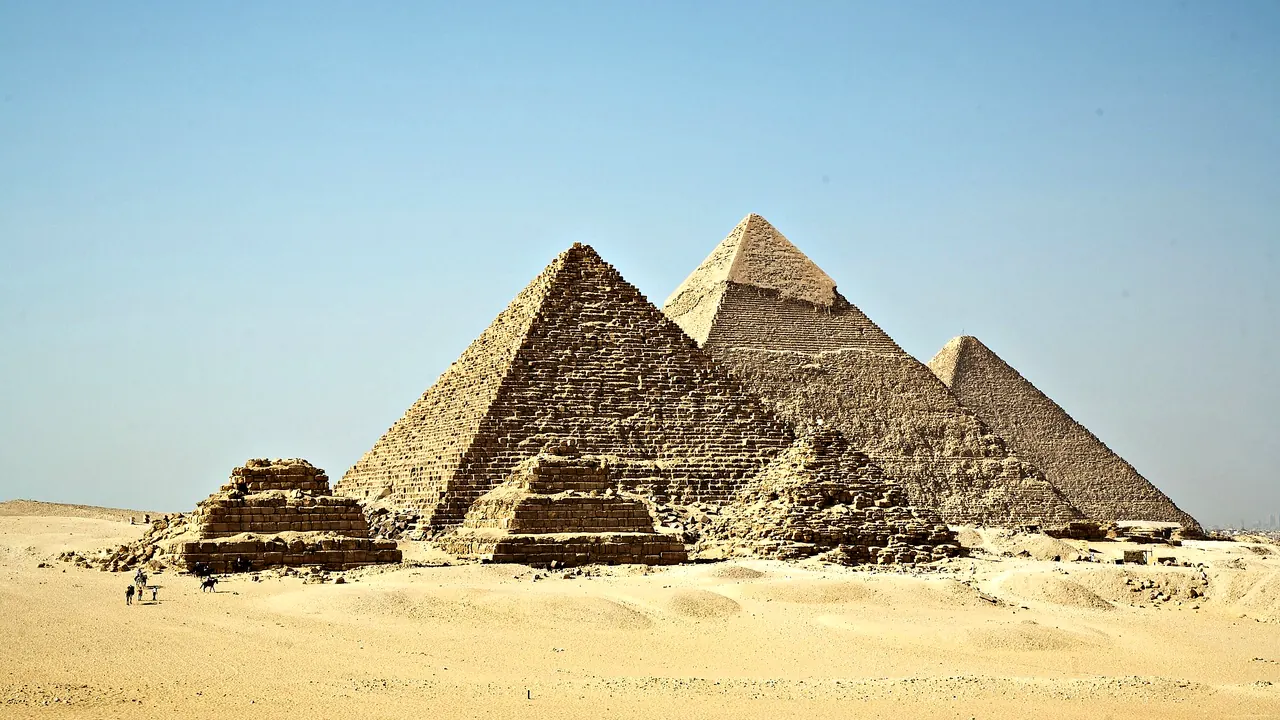
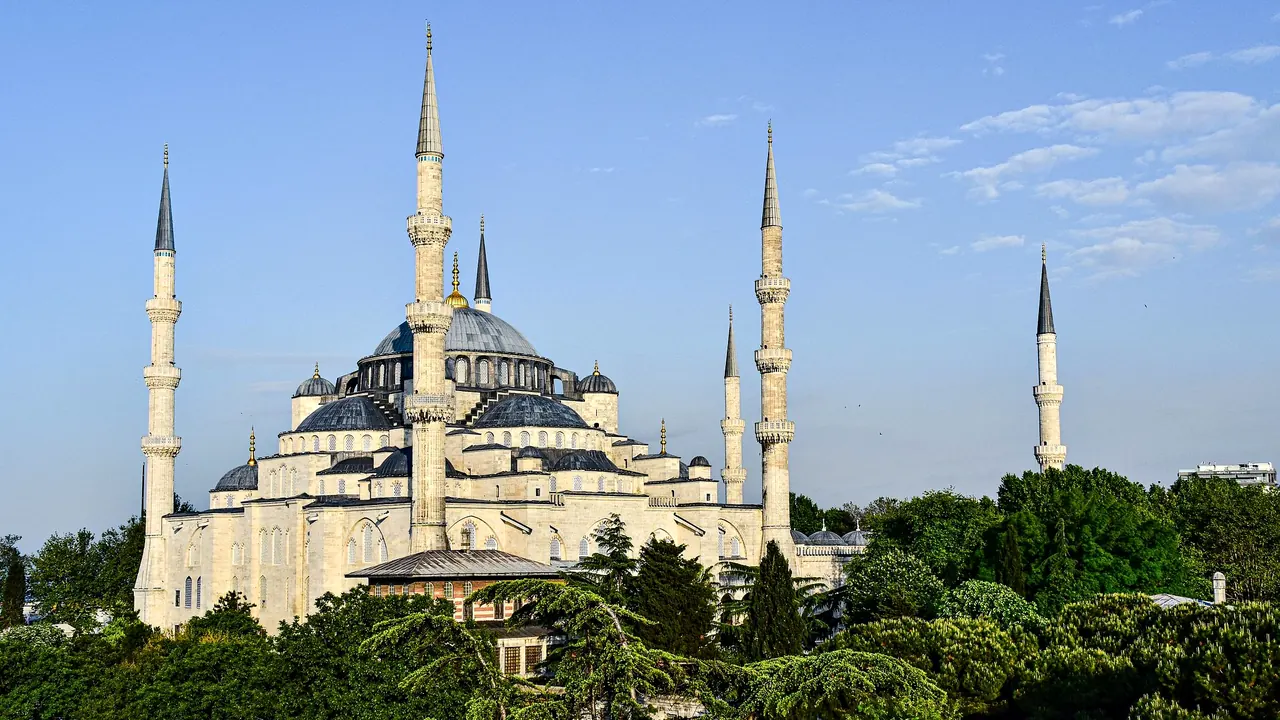
Photos: Cairo by Ricardo Liberato, CC BY-SA 2.0, cropped; Istanbul by AXP Photography, Pexels License.
Cairo or Istanbul?
Our verdict in twelve categories, each scored against the same fixed benchmark cities, and the climate month by month, so you can choose for your trip.
Choose Cairo for
- prices
- day trips
- culture and sights
Cairo is the pick for travellers who come for antiquity above all: the pyramids, the great museums and the medieval mosques of Islamic Cairo, with the pyramid fields of Saqqara and Dahshur close by and a budget that stretches a long way. It asks for patience, with heavy traffic, hard walking and little to relax into. It suits a determined sightseer more than someone who wants an easy city.
Choose Istanbul for
- wellness
- beaches
- nightlife
For a more rounded trip, Istanbul gives you far more around the sights: meyhane dinners, late bars in Beyoglu and Kadikoy, the Grand Bazaar, working Ottoman hammams and ferries that make crossing the city a pleasure. It costs more once you stay near the monuments, but it is much easier to get around and to unwind in. Food lovers, shoppers and couples will all find it the more comfortable choice.
Scoreboard
Twelve categories on one fixed scale from 0 to 100. The shaded stretch is the gap between the two.
Your match
Pick a travel style or drag the sliders, and both match scores follow your weighting.
Wins on prices and day trips with your weighting.
Wins on wellness and beaches with your weighting.
What matters to you?
Category by category
What the scores mean for a trip.
Beaches & swimming
Cairo has no beach to speak of. The Nile is not for swimming, and the nearest sea is the Red Sea at Ain Sokhna, about 130km away and lined with resort compounds. A swim in the city means a hotel pool, and a proper beach means adding extra nights on the coast.
Istanbul is no beach city either, but it at least has sand about an hour away: the long Black Sea strands at Kilyos and Sile, warm enough in high summer, though their currents mean you should stay near the lifeguards. The pebbly coves of the Princes' Islands make an easy half day by ferry.
Food & drink
Cairo eats well and cheaply at street level, with ful and taameya at breakfast, koshari shops at lunch, feteer and stuffed pigeon, and the ahwa for tea and Turkish coffee. Beyond that the range narrows: fine dining is thin and alcohol stays at the edge of meals.
Istanbul is the stronger food city because it draws on cooking from every corner of Turkey, from Black Sea anchovies to south-eastern kebabs and Ottoman palace dishes. Lunch at a lokanta, grazing through Kadikoy's market streets and a long evening of meze and rakı in a meyhane give it a depth and a social side that Cairo's tables do not match.
Culture & sights
Both are among the world's great heritage cities, so the choice is about which past you want. Cairo reaches further back in time and comes out just ahead. It has the pyramids and Sphinx at Giza, Tutankhamun's treasures in the Grand Egyptian Museum and the royal mummies at Fustat, then the medieval mosques and madrasas of Islamic Cairo along Al-Muizz Street.
Istanbul's strength is Byzantine and Ottoman, and its sights sit closer together. Hagia Sophia, Topkapi, the Blue Mosque and the Basilica Cistern are a short walk apart, with the Chora mosaics and the Bosphorus palaces further on. Sightseeing there is easier, while Cairo asks for more days and more patience and gives a larger reward.
Nightlife
Cairo's nights are long but sober. Families stroll the Nile corniche and Qasr el-Nil bridge, and the ahwas stay full of shisha and backgammon past midnight. Drinking is limited to Zamalek, hotel bars and a few party boats.
Istanbul has a real going-out scene. Beyoglu has rooftop bars and meyhanes where the evening ends in singing, Karakoy has polished cocktail bars, Kadikoy and Moda have cheaper bar streets, and in summer the clubs on the Bosphorus shore stay open until dawn. Drinks are expensive in both cities, but only Istanbul is worth travelling to for a night out.
Nature & outdoors
There is not much green in Cairo itself. Al-Azhar Park is the standout, and a felucca sail on the Nile is the classic way to get some air. The real landscape is desert: the canyons of Wadi Degla, the lakes and dunes of the Fayoum and the whale fossils of Wadi Al-Hitan. These are best between October and April and hard going in summer.
Istanbul has the easier outdoor life. You can see the wooded Bosphorus from a ferry or the shore path at Bebek, find tulips in Emirgan Park in April, walk the trails of Belgrad Forest and cycle on the car-free Princes' Islands. It is green and watery rather than wild, but you can enjoy it without leaving the city behind.
Day trips
Cairo has the stronger day trips, because the ancient world carries on just south of the city. The Step Pyramid at Saqqara, the Bent and Red Pyramids at Dahshur and the ruins of Memphis are all under an hour away. The Wadi Natrun monasteries, the Fayoum and a long day in Alexandria add more choice, though nearly all of them need a driver or a tour.
Istanbul's outings are simpler and mostly by water: a ferry to the Princes' Islands, a cruise up the Bosphorus to Anadolu Kavagi, or Bursa, the first Ottoman capital, by fast ferry and bus. Edirne and Iznik make long days, and Gallipoli and Troy need a night away.
Good for families
Cairo has the single biggest wow for children: the pyramids, a camel ride and Tutankhamun's gold. Beyond those there is little made for them. Traffic, missing pavements, touts and summer heat make it hard work, and it goes best in the cooler months with a driver and a hotel pool.
Istanbul is just as warm towards children and gives families much more to do between the sights. There are ferry rides, the ships, trains and submarine of the Rahmi M. Koç Museum, Miniaturk, aquariums and seaside parks on the Asian shore. The hills, cobbles and crowds still tire small legs and defeat pushchairs.
Getting around
In Cairo the metro helps for Tahrir, Coptic Cairo and Heliopolis but does not reach the pyramids. Most visitors rely on ride-hailing or a hired driver and spend a long time in traffic. Walking works in short stretches, such as Al-Muizz Street or Zamalek, while crossing a major road on foot is an ordeal.
Istanbul is far easier to move around. One card covers the metro, the T1 tram through the old city, the Marmaray tunnel, the funiculars and the ferries, and crossing between continents by ferry is a highlight in itself. The tram gets packed at rush hour and the hills are steep, but you never need a car.
Shopping & style
Each city has a great historic bazaar where you are expected to haggle. Cairo's Khan el-Khalili has been trading since the fourteenth century, and real craft is close by among the tourist stock: hand-stitched appliqué on the Street of the Tentmakers and the coppersmiths' alley. Zamalek's small boutiques add contemporary Egyptian design.
Istanbul has far more range. The Grand Bazaar and Spice Bazaar sell carpets, kilims, leather, ceramics and spices. Nisantasi adds designer fashion, Cukurcuma has antiques and Kadikoy has flea markets, so a shopping day can run from medieval lanes to luxury labels.
Affordability
Cairo is the cheaper city by a wide margin. Street food, the metro and ride-hailing cost very little, and mid-range hotels downtown or in Zamalek are a bargain. The main extras are site entry fees for foreigners, alcohol, guided tours and the small tips that are part of daily life.
Istanbul can be good value if you live on simit, fish sandwiches, lokanta lunches and ferries. But in Sultanahmet, Galata and along the Bosphorus shore, hotels and menus come close to Southern European levels. Staying in Kadikoy keeps costs down, though a stay still costs well above one in Cairo.
Live music & performing arts
Formal performance in Cairo centres on the Opera House on Gezira Island, with its symphony orchestra and ballet. The more memorable evening is the tanoura, the whirling Sufi dance performed in the medieval Wikala of al-Ghouri. Small venues for zar and traditional Egyptian music round out a modest scene.
Istanbul has its own whirling ritual, the Sema ceremonies in old dervish lodges, and a good deal more besides. There is opera and ballet at the Ataturk Cultural Centre, summer music and jazz festivals in historic courtyards, fasil musicians in the meyhanes and plenty of small rock, Anatolian folk and jazz venues in Beyoglu and Kadikoy. In both cities theatre is in the local language, so visitors get the most from music and dance.
Wellness & relaxation
This is where the two differ most. Cairo offers little rest: the noise, dust and traffic rarely ease, and its old hammams have mostly fallen out of use. Calm means a hotel spa, a felucca at dusk or the courtyard garden of a historic house.
Istanbul's bathing tradition is still alive in sixteenth-century hammams such as Cemberlitas and Haseki Hürrem, with their marble domes, heated stone and full scrub. Add a long tea on a terrace at Kandilli or a slow ferry ride, and the city, hectic as it is, gives you real ways to unwind.
When should you go?
Pick your month. The climate figures are measured averages, not a forecast.
Cairo in July
Istanbul in July
Daytime high, °C
Rainfall in the month, mm
Temperature and rainfall are climate normals, averaged over the years shown. Cairo: 1991-2020 normals, Helwan (21.9 km from centre). Istanbul: 1991-2020 normals, Istanbul / Goztepe (9.9 km from centre).
Cairo is at its best from October to April, when days are warm and sunny and rain barely registers. Even January reaches around 19°C. From May to September the heat climbs to about 36°C, which makes long days at the open-air sites and trips into the desert punishing.
Istanbul runs the other way. Winters are cool, grey and wet, with highs near 9°C in January and about 101mm of rain in December, so the city is best from May to early October. June to September brings warm, sunny days, and July and August are when the Black Sea warms to around 24°C for swimming. Late spring and September are the most comfortable months for walking. Between them the two cover the year: Cairo for winter, Istanbul for summer.
Which traveller are you?
On a trip on a tight budget, Cairo goes much further. Koshari, ful and taameya cost very little, the metro and ride-hailing are cheap and mid-range hotels in Zamalek are a bargain. In Istanbul, central hotels and heavily taxed drinks add up quickly.
For a food and nightlife trip, Istanbul is the clear choice. Its regional cooking, lokanta lunches and long meyhane evenings of meze and rakı lead straight into Beyoglu's rooftop bars and Kadikoy's bar streets. Cairo's late nights revolve around tea and shisha.
On a relaxing and wellness trip, pick Istanbul. A scrub on the heated stone of a Sinan-designed hammam, tea on a Bosphorus terrace and slow ferry rides give real rest. Cairo's noise and traffic mean most visitors go elsewhere to unwind.
Before you go
| Measure | Cairo | Istanbul |
|---|---|---|
| Official language | Arabic | Turkish |
| Currency | Egyptian Pound (EGP) | Turkish Lira (TRY) |
| Sockets | CF220 V, 50 Hz | CF230 V, 50 Hz |
| Driving side | Right | Right |
| Time zone | UTC+2, UTC+3 in summer | UTC+3 |
| Emergency number | Police 122, ambulance 123, fire 180 | 112 |
| Elevation | 23 m | 100 m |
| Main airport | Cairo International Airport (CAI)17 km from centre128 non-stop destinations | İstanbul Airport (IST)36 km from centre343 non-stop destinations |
| Public holidays this year | 15 days | 14 days |
By the numbers
| Measure | Cairo | Istanbul |
|---|---|---|
| Population | 9,801,536 | 15,655,924 |
| People per km² | 18,564 | 2,930 |
| Museums within 10 km | 48 | 75 |
| UNESCO World Heritage sites within 50 km | 2 | 1 |
| Swim season, months above 21 °C | - | 3 months |
Where else could you go?
Every comparison below shares a destination with this one, so you can follow Cairo or Istanbul somewhere new.