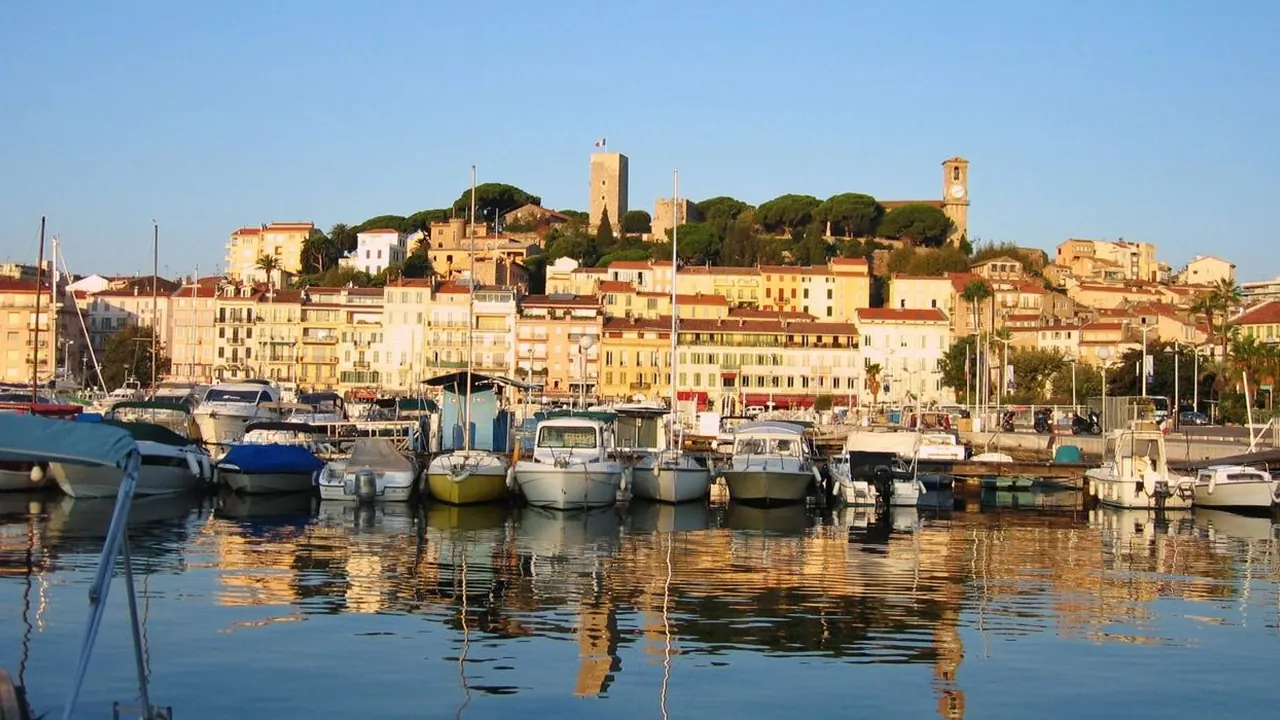
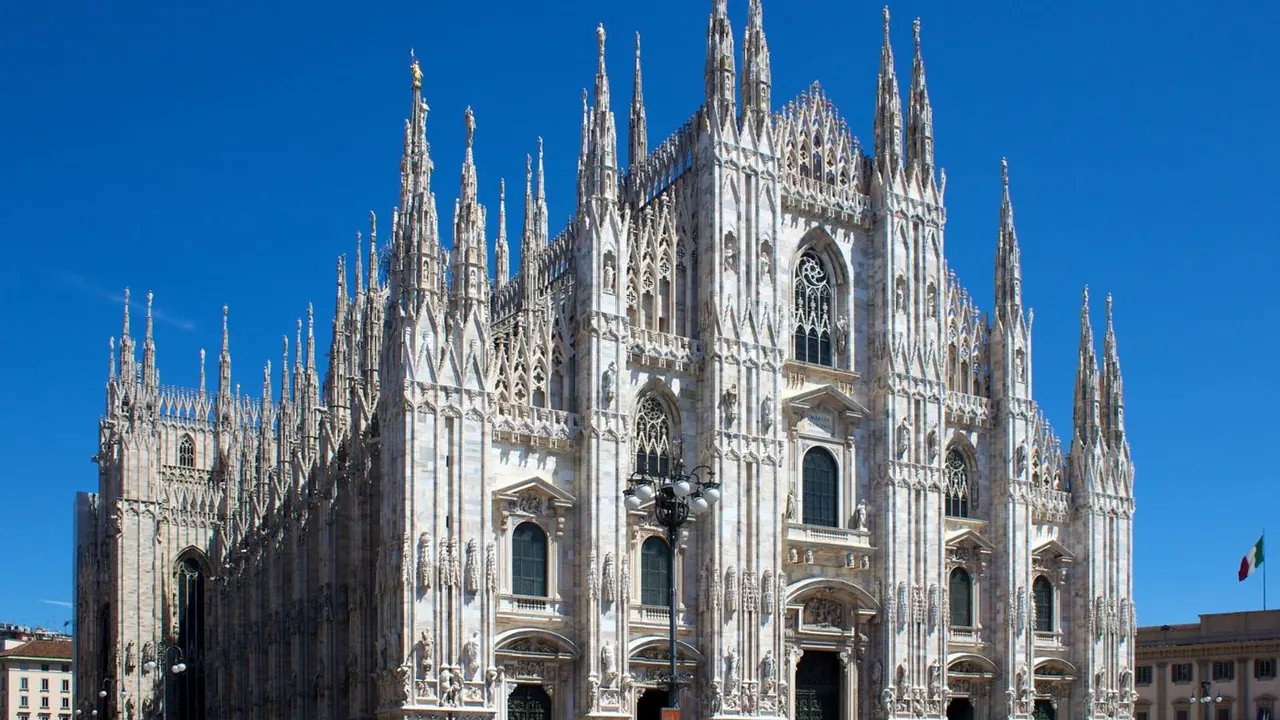
Photos: Cannes by qwesy qwesy, CC BY 3.0, cropped; Milan by Jiuguang Wang, CC BY-SA 3.0, cropped.
Cannes or Milan?
Our verdict in twelve categories, each scored against the same fixed benchmark cities, and the climate month by month, so you can choose for your trip.
Choose Cannes for
- beaches
- nature and the outdoors
- families
Cannes suits a summer vacation built around the sea. It has fine sand along the Croisette, clearer water off the Lérins islands and the red rock of the Esterel close by, and the Riviera towns are a short train ride along the coast. Choose it for sun, swimming and slow evenings by the bay. The town itself has few museums, though, and outside the summer season there is little to do at night.
Choose Milan for
- live music and the arts
- culture and sights
- shopping
For anyone who wants a city that fills both the days and the evenings, Milan is the stronger pick. The Duomo, the Last Supper and Brera's paintings, a night at La Scala, the fashion houses of the Quadrilatero and the aperitivo hour on the Navigli give it far more depth. It has as much to offer in winter as in summer. There is no beach, however, and swimming means a trip to the lakes.
Scoreboard
Twelve categories on one fixed scale from 0 to 100. The shaded stretch is the gap between the two.
Your match
Pick a travel style or drag the sliders, and both match scores follow your weighting.
Wins on beaches and nature and the outdoors with your weighting.
Wins on live music and the arts and culture and sights with your weighting.
What matters to you?
Category by category
What the scores mean for a trip.
Beaches & swimming
Here the gap is wide. Cannes has a curve of fine sand and calm Mediterranean water at the foot of the town. Free public stretches such as the Plage du Midi lie between the private concessions, and there is rocky swimming off the Lérins islands, a short boat ride away.
Milan has no sea at all. Summer swimming there means the Idroscalo basin, a public pool, or a train of about an hour to the pebbly lidos of Lake Como or Lake Maggiore. That makes a pleasant day out, but you won't swim there every day.
Food & drink
Milan is the better place to eat. Its own rich, buttery cooking of saffron risotto, ossobuco and cotoletta comes with good food from every Italian region and a serious fine-dining tier. The early-evening aperitivo in Brera, Isola and along the Navigli is a ritual of its own.
Cannes is more limited. The Forville market and the bistros of Le Suquet serve good fish, socca and stuffed vegetables with a glass of rosé, but much of the food on the seafront is routine and overpriced.
Culture & sights
Milan has sights of real weight. There is the marble Duomo with its rooftop among the spires, the Last Supper, Brera's Italian painting and Michelangelo's Rondanini Pietà in the Castello Sforzesco, and behind them Sant'Ambrogio and the Ambrosiana.
Cannes is pretty to look at but has few major sights. A walk up Le Suquet to the castle museum and the church, then a look at the Belle Époque hotels and the steps of the Palais des Festivals, makes a pleasant morning. For serious art you have to travel along the coast.
Nightlife
Milan has the fuller night out, and it lasts all year apart from a quieter August. Aperitivo leads on to bars along the Navigli towpaths and a more mixed crowd in Isola and Porta Venezia. The clubs range from dressy Corso Como to warehouse nights on the edge of town.
Cannes comes alive only in summer and during festival weeks, when the beach clubs on the Croisette become champagne venues and the lanes behind the old port fill with cocktail bars. The rest of the year, an evening there means an aperitif and dinner.
Nature & outdoors
Cannes has the better landscape on its doorstep. The red volcanic rock of the Esterel is about twenty minutes away, with trails to the summits and a corniche road above the inlets. The sea adds sailing, kayaking and diving around the islands.
Milan itself sits on the flat Po plain and has a few parks, plus canal towpaths for cycling. Its reward lies about an hour north, where the lakes and the Grigne ridges offer serious hiking and via ferrata, for anyone happy to take a train to the start of the walk.
Day trips
Both are excellent bases, and the difference is in the kind of outing. From Cannes the coastal train runs through a string of Riviera towns, including Antibes, Nice, Monaco and Menton. Inland lie perched villages such as Saint-Paul-de-Vence and Èze, and the perfume town of Grasse.
From Milan, fast trains reach whole historic cities: Verona, Turin, Bergamo and Bologna. Pavia's monastery, Mantua and the Borromean Islands on Lake Maggiore add more. Pick Cannes for seaside towns and hill villages, and Milan for cities of art and the lakes.
Good for families
Neither city is built around children, and families will find them about equally easy. The difference is the kind of day out. Cannes has gently sloping sand, calm water, the flat Croisette for scooters and a boat trip to picnic in the pine woods of the Lérins islands.
Milan has the science and technology museum with its submarine for a rainy day, and playgrounds in Parco Sempione. Older children can be taken to theme parks such as Leolandia and Gardaland.
Getting around
Milan is easier to get around. It has a five-line metro you can tap into with a contactless card, a dense tram network and a compact, flat centre, so you never need a car. Trains also run straight to the lakes.
Cannes is small enough to walk, apart from the steep climb up Le Suquet. The station is in the middle of town and coastal trains reach Nice and Monaco. The hill villages, Grasse and the Esterel corniche are much easier by car, though, and in summer the traffic is heavy and parking is hard to find.
Shopping & style
In Milan shopping is a reason to go in itself, which it isn't in Cannes. The Quadrilatero holds the flagships of fashion houses founded in the city. Beyond it are La Rinascente, the Galleria, Corso Buenos Aires, vintage and independent shops in Brera and Porta Ticinese, and furniture and lighting showrooms.
Cannes packs a short run of Paris fashion and jewellery houses onto the Croisette. Behind it, Rue d'Antibes has mid-range French fashion and Rue Meynadier sells Provençal food and soaps, but there is little independent shopping.
Affordability
Neither is a cheap vacation, but Milan is easier on a budget. Its hotels are expensive and trade fairs push prices higher, but reasonably priced public transport, aperitivo snacks that can stand in for a light supper, and the set lunches aimed at office workers keep costs down.
In summer, Cannes is priced for a wealthy crowd, from seafront rooms to beach loungers. Picnics from Forville, the free public beaches and staying in a neighbouring town all help. Spring and autumn are much more reasonable, outside the weeks of the big events.
Live music & performing arts
Milan is one of Europe's great music cities. La Scala's season of opera, ballet and concerts opens each December on the feast of Sant'Ambrogio. The Piccolo Teatro, the symphony orchestra at the Auditorium and the jazz rooms keep the calendar full, though summer is quieter.
Most visitors can't get into the famous Cannes film festival, although free screenings on the beach give the public a taste of it. Beyond that, Cannes has touring shows at the Palais, the regional philharmonic, a dance festival and summer concerts in the castle courtyard.
Wellness & relaxation
Rest in Cannes comes from the pace of the town more than from its spas. The palace hotels on the Croisette have polished spas, and there is seawater thalassotherapy along the coast. In spring and autumn the seafront is calm, mornings start slowly on a terrace and evenings end with a walk by the bay. Festival weeks and August are too crowded for that.
Milan has the proper bathing that Cannes lacks: a thermal spa complex with outdoor pools and saunas, and in summer the restored 1930s Bagni Misteriosi. The city around them is busy and focused on work, though, so most visitors who want real calm take the train to the lakes, about an hour away.
When should you go?
Pick your month. The climate figures are measured averages, not a forecast.
Cannes in July
Milan in July
Daytime high, °C
Rainfall in the month, mm
Where the figures come from
Milan has no rain gauge within 25 km of the centre, so its rainfall comes from a gridded climate dataset read at the city rather than from a gauge further away.
Milan's sunshine is measured 41 km from the centre, at Novara / Cameri.
Temperature and rainfall are climate normals, averaged over the years shown. Cannes: 2004-2020 (sunshine 1991-2020, rainfall 1991-2020) normals, Cannes (5.8 km from centre). Milan: 1991-2020 normals, Milano / Linate (8 km from centre).
Cannes has the kinder climate for most of the year. Summers are hot and very dry, with highs around 29°C in July and August and hardly any rain. The sea warms to about 25°C in August, so beach days run from June into early October. Autumn is the wet season, peaking at 138mm in November, but winters stay mild and sunny enough for walks along the seafront. Spring and early autumn are the most comfortable months for exploring on foot.
Milan's climate swings further. Winter days are grey and hover around 7°C, and summer peaks near 30°C, with a humidity that makes sightseeing tiring in the middle of the day. Rain falls through much of the year and is heaviest in May and from September to November. In every month the city gets clearly less sunshine than the coast. April, June and late September are the best times for its streets and museums.
Which traveller are you?
For a beach and sun trip, Cannes is the clear choice. Its sandy bays and calm, warm sea are right in town, the summers are long and dry, and the Esterel coves and the Lérins islands have clearer water. In Milan, a swim means a day out to the lakes.
On a culture and arts trip, Milan offers far more. Leonardo's Last Supper, the Duomo rooftops, the Brera collection and an evening of opera or ballet at La Scala fill several days. Cannes's castle museum and the Palais des Festivals fit into a morning.
On a shopping trip, Milan is in another league. The Italian flagships around Via Montenapoleone, La Rinascente, the boutiques of Brera and the design showrooms go well beyond Cannes's luxury strip on the Croisette and its high street, Rue d'Antibes.
Before you go
| Measure | Cannes | Milan |
|---|---|---|
| Official language | French | Italian |
| Currency | Euro (EUR) | Euro (EUR) |
| Sockets | CE230 V, 50 Hz | CFL230 V, 50 Hz |
| Driving side | Right | Right |
| Time zone | UTC+1, UTC+2 in summer | UTC+1, UTC+2 in summer |
| Emergency number | 112 | 112 |
| Elevation | 0 m | 138 m |
| Main airport | Nice-Côte d'Azur Airport (NCE)20 km from centre130 non-stop destinations | Milan Malpensa International Airport (MXP)40 km from centre208 non-stop destinations |
| Public holidays this year | 11 days | 13 days |
By the numbers
| Measure | Cannes | Milan |
|---|---|---|
| City population | 74,350 | 1,354,196 |
| People per km² | 3,793 | 7,453 |
| Museums within 10 km | 16 | 88 |
| UNESCO World Heritage sites within 50 km | 2 | 4 |
| Swim season, months above 21 °C | 4 months | - |
Where else could you go?
Every comparison below shares a destination with this one, so you can follow Cannes or Milan somewhere new.