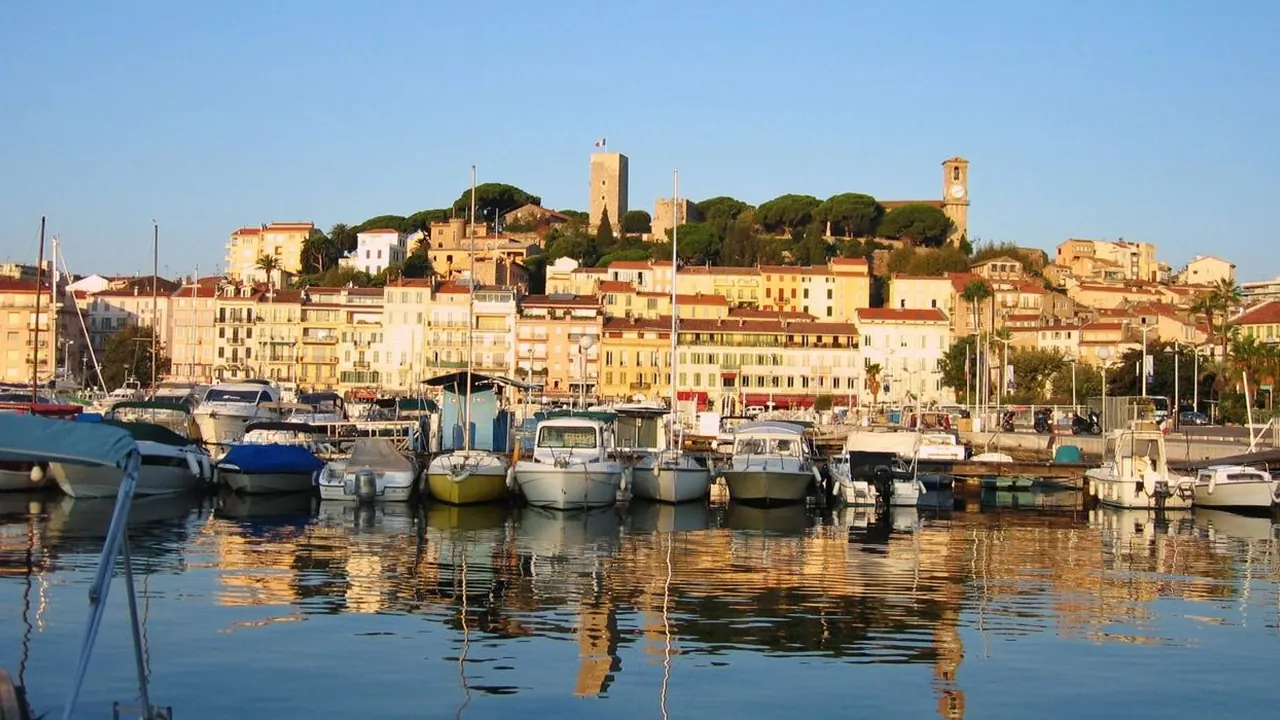
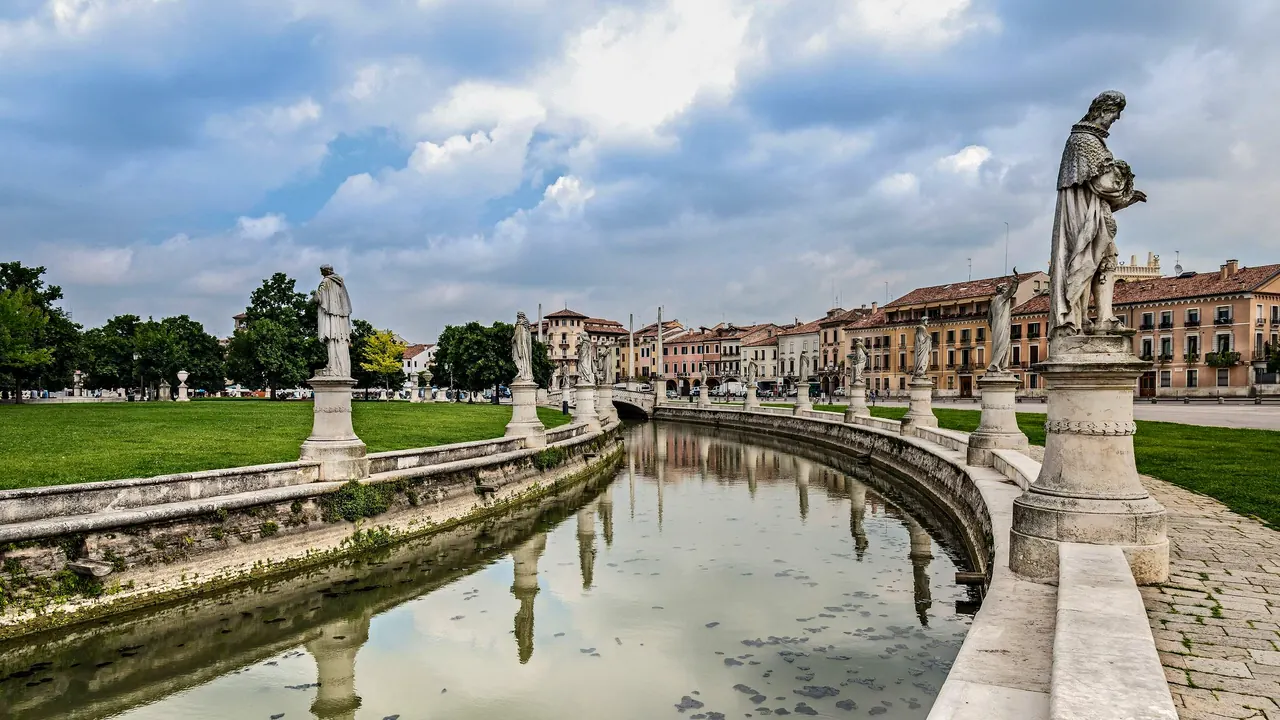
Photos: Cannes by qwesy qwesy, CC BY 3.0, cropped; Padua by Didier Descouens, CC BY-SA 4.0, cropped.
Cannes or Padua?
Our verdict in twelve categories, each scored against the same fixed benchmark cities, and the climate month by month, so you can choose for your trip.
Choose Cannes for
- beaches
- nature and the outdoors
- shopping
Cannes is the choice for a summer by the sea. It has fine sand and calm water along the Croisette, the red rock of the Esterel for walking and swimming, and the whole Riviera along one coastal train line. It suits couples and families who want beach days, some glamour and smart shop windows, and who accept that it is an expensive place to sleep with few sights of its own.
Choose Padua for
- culture and sights
- prices
- wellness
Travellers who come for art and history will get more from Padua. Giotto's frescoes in the Scrovegni Chapel, the Basilica of Saint Anthony and the old university make a far richer centre, and Venice, Vicenza and Verona are short train rides away. It is cheaper to stay in, its food is more its own, and the thermal pools of Abano are on its doorstep. The trade-off is that it has no beach.
Scoreboard
Twelve categories on one fixed scale from 0 to 100. The shaded stretch is the gap between the two.
Your match
Pick a travel style or drag the sliders, and both match scores follow your weighting.
Too close to call, 2 points apart
Wins on beaches and nature and the outdoors with your weighting.
Wins on culture and sights and prices with your weighting.
What matters to you?
Category by category
What the scores mean for a trip.
Beaches & swimming
Cannes has the sea on its doorstep. There is a curve of fine sand along the Croisette, the broad and mostly free Plage du Midi, and clearer water off the rocks of the Lérins islands, a short boat ride away. Swimming is comfortable from June into early October, though the central beaches fill up in high summer.
Padua is inland, so a swim means an hour's journey to Sottomarina or the Lido of Venice. The Adriatic there is warm, shallow and good for paddling children, but the shore is a flat line of umbrellas. It has none of the coves and red rock within easy reach of Cannes.
Food & drink
Padua's food is better and more its own. Dishes such as bigoli with duck sauce, baccalà and the local Padovana hen come from the region. Daily life centres on the morning markets in Piazza delle Erbe and Piazza della Frutta and the arcaded shops under the Palazzo della Ragione. The standing spritz in the squares and wines from the Euganean Hills complete the picture.
Cannes has fine Provençal produce at the Forville market, good bouillabaisse and socca in Le Suquet, and a genuine top tier of grand restaurants, which Padua lacks. But much of the waterfront serves predictable food to passing crowds, and few dishes belong to the town itself.
Culture & sights
For sights, Padua is in another league. It has Giotto's Scrovegni Chapel, a UNESCO-listed group of fourteenth-century fresco cycles, and the Basilica of Saint Anthony with Donatello's altar and his Gattamelata outside. Add the frescoed hall of the Palazzo della Ragione and the oldest university botanical garden still on its original site, and the city fills two or three unhurried days.
Cannes offers a pleasant morning: the climb through Le Suquet to the castle museum, the Belle Époque hotels on the Croisette and the red-carpet steps of the Palais des Festivals. Art lovers who stay there spend their days in Antibes or Saint-Paul-de-Vence.
Nightlife
Neither is a big night-out city, but the evenings feel very different. In summer and during festival weeks, the beach clubs in Cannes become party venues, a few clubs stay open until dawn and cocktail bars fill the streets behind the old port. It is all glamorous and expensive, and the town goes quiet for the rest of the year.
In Padua, evenings revolve around the aperitivo, with students and locals standing over spritz glasses in Piazza delle Erbe and Piazza dei Signori, and wine bars in the old ghetto. The city is at its liveliest in term time and quietest in summer, almost the opposite of the rhythm in Cannes.
Nature & outdoors
Cannes has the more dramatic outdoors. The red volcanic rock of the Esterel drops into the sea twenty minutes to the west. The Lérins islands have pine-shaded paths, and a wild coastal footpath runs round Cap d'Antibes. Sailing, kayaking and diving are all close at hand, though in high summer fire risk can close the forest trails.
Padua's countryside is gentler. The Euganean Hills rise from the plain about 15km away, with vineyards, chestnut woods and quiet roads popular with cyclists, and level towpaths follow the Brenta. For real mountain walking you need a drive of about an hour and a half to Monte Grappa or the Asiago plateau.
Day trips
Both make excellent bases, but Padua's position is hard to beat. Venice is under half an hour away by train, close enough to visit on several separate days. Palladio's Vicenza, Verona, Bologna and Ferrara are all within about an hour, and the Brenta villas and the walled towns around the Euganean Hills are closer still.
From Cannes, the coastal line offers almost as much: Antibes, Nice, Villefranche, Monaco and Menton along the sea, with Grasse, Mougins, Saint-Paul-de-Vence and Èze inland. The difference is in the kind of trip. Padua's list includes more great cities, while Cannes offers a chain of seaside towns and hill villages.
Good for families
Cannes is the easier choice with children, mainly because of the beach. It has gently sloping sand, calm water, the flat Croisette with its carousels and play areas, and a boat trip to picnic under the Lérins pines. Beyond that, little in the town is aimed at children, and the aquarium in Monaco is the usual extra outing.
Padua is safe and flat, and children are welcome in its trattorias. Prato della Valle and the botanical glasshouses help, but the main sights are frescoes and churches. For younger children, the fun is mostly a day trip away, at the lake beaches and theme park of Lake Garda or on the Adriatic.
Getting around
Both centres are compact and easy on foot, but Padua is simpler to get around. Much of its core is closed to traffic, arcades shelter you from rain and sun, a tram runs from the station to Prato della Valle, and plenty of people get about by bicycle. Main rail lines run in every direction, so you only need a car for the hills.
The centre of Cannes is just as walkable, apart from the steep climb up Le Suquet, and the coastal train serves the Riviera well. The inland villages and the Esterel corniche are harder to reach without a car, but heavy summer traffic and scarce parking make driving a chore.
Shopping & style
Cannes has the stronger shopping, in a style Padua does not offer. The great Paris fashion and jewellery houses face the sea along the Croisette. Rue d'Antibes adds a long run of mid-range French fashion and chocolatiers, and Rue Meynadier sells olive oil, soaps and Provençal fabrics.
Padua's arcades have Italian fashion and shoe shops, independent boutiques and university bookshops, and its markets are good for cheese and Euganean wine to take home. Its most distinctive draw is the monthly antiques market in Prato della Valle. For big-name fashion, shoppers go to Venice or Milan.
Affordability
Padua is much the cheaper place to stay. Hotels are moderately priced for northern Italy, which is why many visitors sleep there and spend their days in Venice. A standing spritz and food from the market cost little, and because the centre is walkable you spend little on transport.
Cannes is priced for a wealthy crowd, especially in summer and during the film festival and trade fairs. Backstreet lunch menus, picnics from the Forville market, the public beaches, the cheap coastal trains or a room in a neighbouring town all bring costs down. Even so, it rarely comes close to Padua.
Live music & performing arts
Cannes's live culture peaks in summer and around its festivals, while Padua keeps a small season going through the year. In Cannes, the public's share of the film festival is the free open-air screenings on the beach. Summer brings classical concerts in the castle courtyard on Le Suquet and, just along the coast, the long-established jazz festival at Juan-les-Pins. Outside those weeks there is a more modest programme: concerts and touring shows at the Palais des Festivals, the regional philharmonic orchestra and the town's respected dance festival.
Padua offers less glamour but a steadier calendar. The nineteenth-century horseshoe Teatro Verdi stages plays and some opera, the city's chamber orchestra plays in the frescoed Sala dei Giganti and the Basilica of Saint Anthony, and students keep small live-music venues busy. For grand opera, the Fenice in Venice and Verona's summer Arena are both easy to reach.
Wellness & relaxation
Padua has a real thermal tradition close by. Abano Terme and Montegrotto Terme, about 12km away, make up one of Europe's largest spa districts, with hot mineral water and mud treatments used since Roman times. Many spa hotels let day visitors use their pools, and the city's slow provincial pace adds to the calm.
Cannes has polished hotel spas and seawater thalassotherapy, but no public baths or springs. There, rest comes from slow mornings on a terrace and evening walks by the bay in spring and autumn, while festival weeks and August are too noisy and crowded to unwind.
When should you go?
Pick your month. The climate figures are measured averages, not a forecast.
Cannes in July
Padua in July
Daytime high, °C
Rainfall in the month, mm
Where the figures come from
Padua's temperatures are measured 35 km from the centre, at Treviso / Istrana.
Padua has no rain gauge within 25 km of the centre, so its rainfall comes from a gridded climate dataset read at the city rather than from a gauge further away.
Padua's sunshine is measured 36 km from the centre, at Treviso / S. Angelo.
Temperature and rainfall are climate normals, averaged over the years shown. Cannes: 2004-2020 (sunshine 1991-2020, rainfall 1991-2020) normals, Cannes (5.8 km from centre). Padua: 1991-2020 normals, Treviso / Istrana (35.4 km from centre).
Cannes is at its best from June to September, when daytime highs sit in the upper twenties and the sea warms to 25°C by August. July is almost dry, with about 13mm of rain, and the coast gets clearly more sunshine than Padua in every month. The weather turns in autumn: October and November are the wettest months, with 138mm in November. Winter stays mild enough for walks along the bay.
Padua is hotter in midsummer and colder in winter. July and August reach 31°C on the humid plain, which makes long days among churches tiring, and January highs of around 8°C often come with fog. Rain is spread across the year rather than falling in one season, so no month is reliably dry. Late April, May and September are the most comfortable months for walking the arcades and heading out to the hills.
Which traveller are you?
For a beach and sun trip, Cannes wins easily. Its sandy shore, calm water and the free Plage du Midi are a short walk from town, with the coves of the Lérins islands and the Esterel close by. Padua's nearest sand is an hour away.
On a culture and arts trip, Padua is the stronger choice. Giotto's chapel, a UNESCO-listed group of fresco cycles, Donatello's bronzes and the oldest permanent anatomical theatre will fill several days. In Cannes, the old quarter and the festival palace take a morning.
For a trip on a tight budget, Padua makes more sense. Rooms are moderately priced, a spritz and food from the market cost little, and trains reach Venice and Verona cheaply. Cannes is priced for a wealthy crowd, except in quieter spring and autumn weeks.
Before you go
| Measure | Cannes | Padua |
|---|---|---|
| Official language | French | Italian |
| Currency | Euro (EUR) | Euro (EUR) |
| Sockets | CE230 V, 50 Hz | CFL230 V, 50 Hz |
| Driving side | Right | Right |
| Time zone | UTC+1, UTC+2 in summer | UTC+1, UTC+2 in summer |
| Emergency number | 112 | 112 |
| Elevation | 0 m | 12 m |
| Main airport | Nice-Côte d'Azur Airport (NCE)20 km from centre130 non-stop destinations | Venice Marco Polo Airport (VCE)39 km from centre103 non-stop destinations |
| Public holidays this year | 11 days | 13 days |
By the numbers
| Measure | Cannes | Padua |
|---|---|---|
| City population | 74,350 | 206,496 |
| People per km² | 3,793 | 2,220 |
| Museums within 10 km | 16 | 29 |
| UNESCO World Heritage sites within 50 km | 2 | 5 |
| Swim season, months above 21 °C | 4 months | 4 months |
Where else could you go?
Every comparison below shares a destination with this one, so you can follow Cannes or Padua somewhere new.