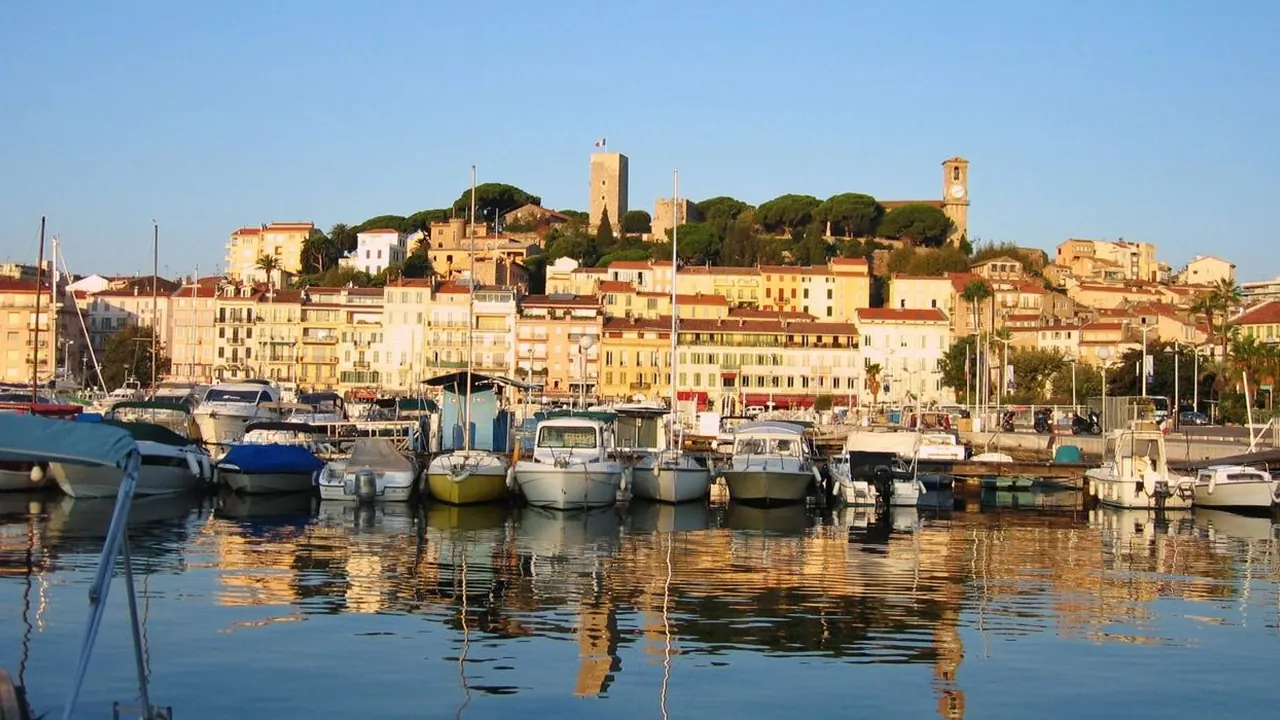
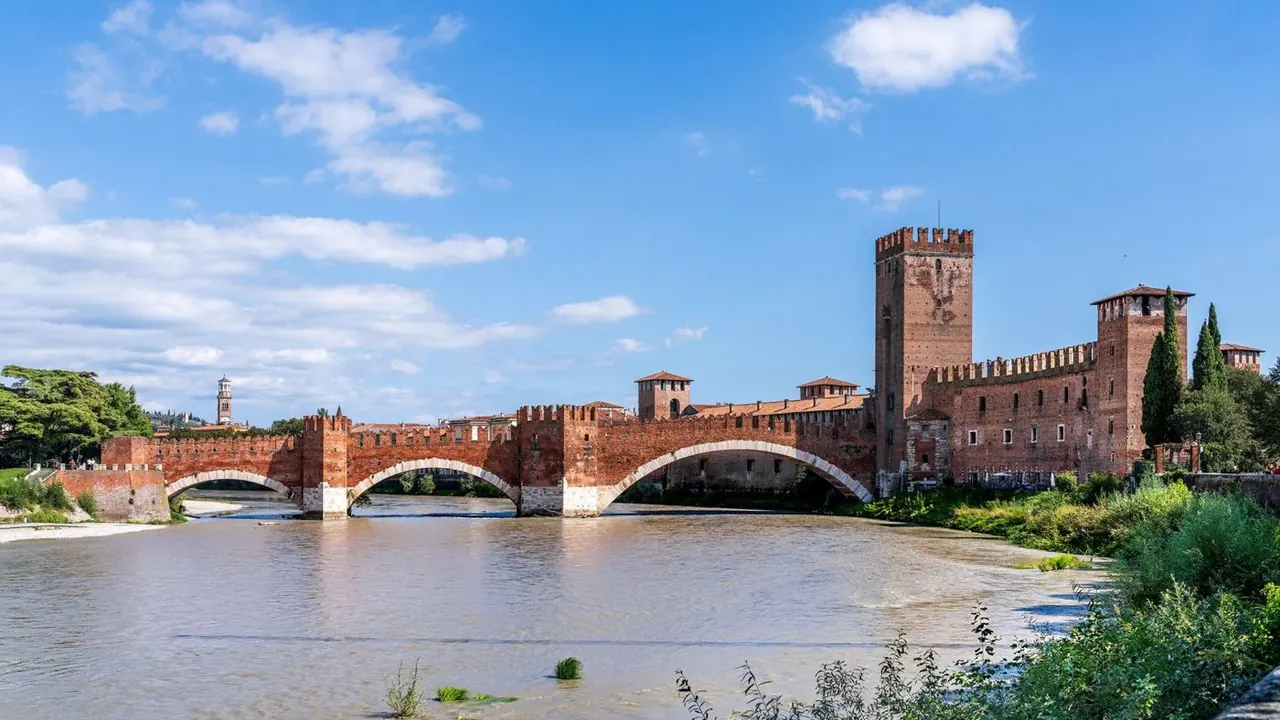
Photos: Cannes by qwesy qwesy, CC BY 3.0, cropped; Verona by NorbertNagel, CC BY-SA 4.0, cropped.
Cannes or Verona?
Our verdict in twelve categories, each scored against the same fixed benchmark cities, and the climate month by month, so you can choose for your trip.
Choose Cannes for
- beaches
- shopping
- nature and the outdoors
Cannes is the pick for a seaside vacation where the beach anchors every day. There is fine sand along the Croisette, calm warm water, the Lérins islands and the red rock of the Esterel close by, and the luxury shops along the front add some glamour. It suits travellers who want sun, swimming and coastal walks, with the rest of the Riviera a short train ride away. They should be ready for high prices and a town with few sights.
Choose Verona for
- culture and sights
- live music and the arts
- prices
History, food and wine are what Verona does best. The Roman Arena, San Zeno and Castelvecchio sit inside the bend of the Adige, summer brings opera on the ancient stone tiers, and the vineyards of Valpolicella begin just outside town. Venice, Padua and Vicenza are easy train rides away. It costs less than Cannes, but swimming means a trip out to Lake Garda.
Scoreboard
Twelve categories on one fixed scale from 0 to 100. The shaded stretch is the gap between the two.
Your match
Pick a travel style or drag the sliders, and both match scores follow your weighting.
Wins on beaches and shopping with your weighting.
Wins on culture and sights and live music and the arts with your weighting.
What matters to you?
Category by category
What the scores mean for a trip.
Beaches & swimming
The gap here is wide. Cannes has the sea in town: fine sand along the Croisette, the long and mostly free Plage du Midi, and calm water warm enough from June into early October. For a change you can swim off the rocks of the Lérins islands or in the red coves of the Esterel.
Verona has no coast. Swimming means a half-hour trip to the southern shore of Lake Garda, where you find lidos, lawns, narrow pebble beaches and the limestone shelves at Sirmione. It makes a good afternoon out, but it is a side trip and no basis for a beach vacation.
Food & drink
Verona's food belongs more to its own place. The osterie around Piazza delle Erbe and in Veronetta serve dishes you will not find elsewhere, such as Amarone risotto, bigoli with duck and bollito with pearà, and the vineyards of Valpolicella and Soave start just beyond the city.
Cannes has excellent produce at the Forville market and real fine dining up towards Mougins. Its everyday Provençal cooking, though, is shared with the whole coast, and many seafront tables serve overpriced food to passers-by. Rosé on a terrace against a glass of Ripasso and snacks at a counter sums up the difference.
Culture & sights
Culture is where Verona most clearly leads. Inside the bend of the Adige you find a Roman amphitheatre still in use, a Roman theatre on the hillside, the Scaliger tombs, the Romanesque church of San Zeno and Castelvecchio's museum in its Scarpa setting. That is enough for two or three full days.
Cannes fills a pleasant morning: the climb up Le Suquet to the castle museum and church, the Belle Époque hotels on the Croisette and the red-carpet steps of the Palais des Festivals. For serious art, visitors to Cannes head along the coast.
Nightlife
Neither city is made for big nights out, and the two are close. Cannes is glamorous and seasonal. From June to September and in festival weeks, the Croisette beach clubs turn into party venues, a few clubs stay open until dawn and the bars behind the old port serve champagne. Outside those times the town goes quiet.
Verona's evenings centre on the aperitivo in Piazza delle Erbe and along the river, and the student bars of Veronetta stay busy later during term. There is no dance scene in the centre, but evenings depend less on the season, and the opera crowd fills the streets again near midnight in summer.
Nature & outdoors
Cannes has the more dramatic scenery close at hand. The red volcanic rock of the Esterel drops into the sea about twenty minutes west, Sainte-Marguerite's pine paths are a ferry ride away and Cap d'Antibes has a wild shoreline path. Sailing, kayaking and diving around the islands mean you can spend your outdoor days on the water as well as on foot.
Verona's surroundings are gentler. There are vineyard walks and bike rides in the Valpolicella, the Adige cycle route north and the pastures and gorges of the Lessinia plateau. Its big landscape is Lake Garda, an hour away, with the ridges of Monte Baldo and steady winds for windsurfing at the northern end.
Day trips
Both are superb bases, and Verona is slightly the richer. From Cannes the coastal train links Antibes, Nice, Villefranche, Monaco and Menton, and Grasse, the perched villages and the monastery on the Lérins are all close. These are fine outings, but they all share the character of the Riviera.
From Verona the choice is wider. Venice is a little over an hour away, and Palladio's Vicenza, Giotto's chapel in Padua and Mantua are all on the train. Garda's harbour towns and the wine cellars of Valpolicella and Soave are closer still. Art cities, a lake and wine country make each day out feel different.
Good for families
Verona gives children more to look forward to, though mostly outside its walls. Gardaland, the water parks on Garda's southern shore and the drive-through safari at Parco Natura Viva are each about half an hour away, and the Arena tends to catch a child's imagination. Most of these outings need a car or a transfer.
Cannes is easy for families rather than exciting. Gently sloping sand, a calm sea and the flat Croisette with its carousels suit small children, and the boat to the Lérins makes a good picnic outing. Little else in town is built for them, so families take the coastal train for bigger days out.
Getting around
Both cities have compact, flat centres that are best seen on foot, and both rely on the train for days out. In Cannes the station is in the middle of town and coastal trains reach Antibes, Nice and Monaco without fuss. The climb up Le Suquet is the only steep stretch.
Verona's centre inside the river loop is largely closed to traffic, which makes walking there more pleasant. Porta Nuova station, though, is twenty minutes on foot from Piazza Bra, so a bus helps with luggage. In both places the hill villages and countryside are far easier by car, but driving into the centre is best avoided.
Shopping & style
Cannes is the better shopping stop. The big Paris fashion and jewellery houses face the sea along the Croisette, Rue d'Antibes adds more than a kilometre of mid-range French labels and chocolatiers, and Rue Meynadier sells olive oil, soaps and Provençal fabrics.
Verona's Via Mazzini is smart but provincial, with Italian labels on the marble street and smaller boutiques in the lanes off it. What most visitors carry home is food and wine: Amarone, olive oil from Garda and pandoro. Serious shoppers go to Milan.
Affordability
Neither is cheap, but Verona costs noticeably less. Most of the expense there is the room, especially on summer opera nights and during trade fairs. Student osterie in Veronetta, wine counters and a centre you can walk keep daily spending down.
Cannes prices its waterfront for a wealthy crowd: hotels, seafront dining, cocktails and loungers on the private beaches, with steep peaks around the film festival. Backstreet lunches, picnics from the market, the public beaches and staying in a cheaper town nearby all help, but the bill stays higher.
Live music & performing arts
Verona has the one unmissable event of the two: summer opera in the Roman Arena, with Verdi and Puccini on a vast scale in front of thousands on the stone tiers. It adds Shakespeare, dance and jazz in the Roman theatre in summer, and an opera season at the Teatro Filarmonico in the cooler months.
The Cannes film festival is famous, but most visitors can see it only through the free screenings on the beach. The rest of the year brings touring shows at the Palais, the regional philharmonic and a dance festival, with summer concerts in the castle courtyard on Le Suquet and the jazz festival at Juan-les-Pins nearby.
Wellness & relaxation
Verona has a small edge thanks to warm springs. Sirmione's thermal centre has pools facing Lake Garda, a spring-fed lake near Lazise sits in an old villa garden, and the springs at Caldiero have been used since Roman times. All of them lie outside the city, but Cannes has nothing like them.
Cannes offers palace hotel spas and seawater thalassotherapy instead, polished but private. In both cities the slow pace does more for rest than any facility: a slow coffee on a seafront terrace in Cannes, an evening passeggiata by the river in Verona.
When should you go?
Pick your month. The climate figures are measured averages, not a forecast.
Cannes in July
Verona in July
Daytime high, °C
Rainfall in the month, mm
Temperature and rainfall are climate normals, averaged over the years shown. Cannes: 2004-2020 (sunshine 1991-2020, rainfall 1991-2020) normals, Cannes (5.8 km from centre). Verona: 1991-2020 normals, Verona / Villafranca (11.6 km from centre).
Cannes has the longer, drier and sunnier summer. From June to September daytime highs sit in the mid to high twenties, the sea warms to about 25°C by August and July is almost rainless, so swimming is easy from June into early October. Rain arrives in autumn and peaks at about 138mm in November. Winters stay mild at around 13°C, and the bay is still pleasant for walks.
Verona swings harder between the seasons. July and August reach about 30°C, which makes the afternoons on its stone piazzas tiring, and January falls to about 7°C, too cold for long days on foot. Rain is spread across the year with no dry season, and summer is no drier than spring. May, early June and September are its best months for exploring. In winter and early spring, Cannes is the milder and brighter of the two.
Which traveller are you?
On a beach and sun trip, Cannes is the clear choice. Fine sand and calm sea are right in town, the water stays warm from June into early October, and the Lérins islands and Esterel coves add variety. Verona offers only afternoons on Lake Garda.
For a culture and arts trip, Verona wins easily. The Arena, the Roman theatre, San Zeno and Castelvecchio fill several unhurried days, summer opera on the ancient tiers is a highlight, and Venice, Padua and Vicenza are short train rides away.
On a trip with a tight budget, Verona is easier on the wallet. Student osterie in Veronetta, wine counters that serve a snack with each glass and a walkable centre keep daily costs down, while Cannes prices its seafront, hotels and beach loungers for a wealthy crowd.
Before you go
| Measure | Cannes | Verona |
|---|---|---|
| Official language | French | Italian |
| Currency | Euro (EUR) | Euro (EUR) |
| Sockets | CE230 V, 50 Hz | CFL230 V, 50 Hz |
| Driving side | Right | Right |
| Time zone | UTC+1, UTC+2 in summer | UTC+1, UTC+2 in summer |
| Emergency number | 112 | 112 |
| Elevation | 0 m | 59 m |
| Main airport | Nice-Côte d'Azur Airport (NCE)20 km from centre130 non-stop destinations | Verona Villafranca Valerio Catullo Airport (VRN)10 km from centre96 non-stop destinations |
| Public holidays this year | 11 days | 13 days |
By the numbers
| Measure | Cannes | Verona |
|---|---|---|
| City population | 74,350 | 255,588 |
| People per km² | 3,793 | 1,285 |
| Museums within 10 km | 16 | 18 |
| UNESCO World Heritage sites within 50 km | 2 | 5 |
| Swim season, months above 21 °C | 4 months | - |
Where else could you go?
Every comparison below shares a destination with this one, so you can follow Cannes or Verona somewhere new.