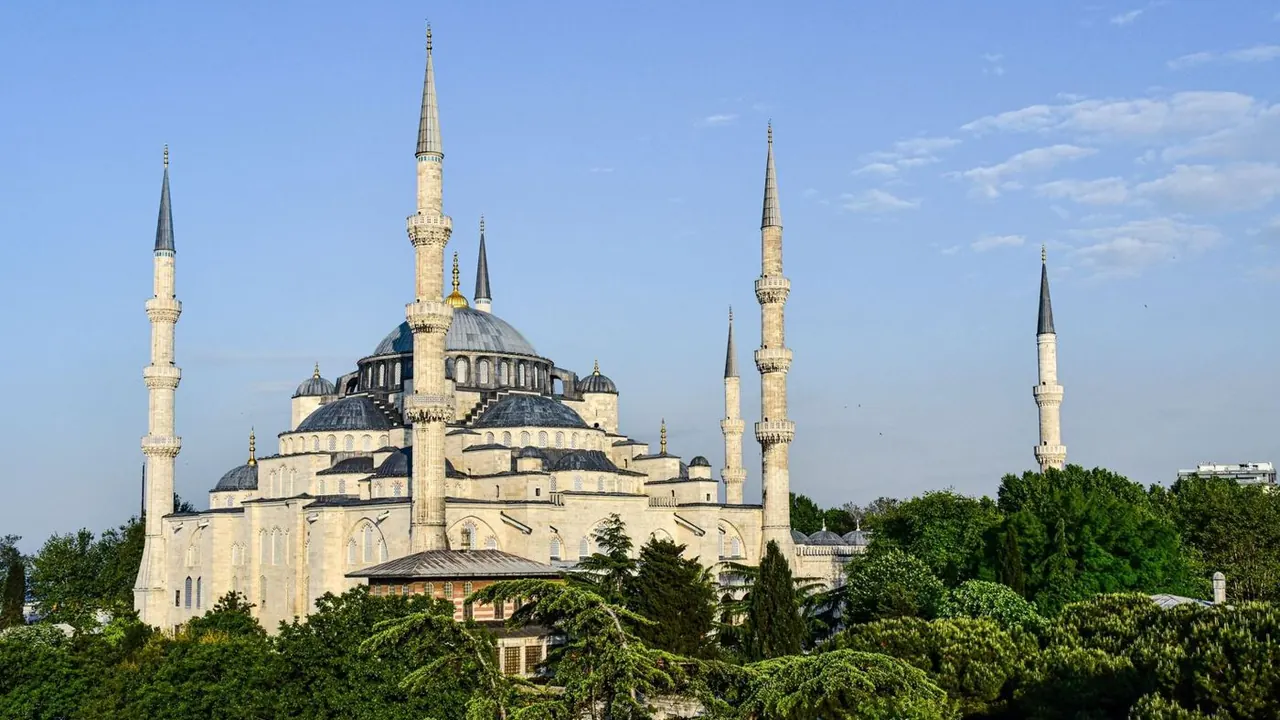
Photos: Istanbul by AXP Photography, Pexels License.
Cappadocia or Istanbul?
Our verdict in twelve categories, each scored against the same fixed benchmark cities, and the climate month by month, so you can choose for your trip.
Choose Cappadocia for
- nature and the outdoors
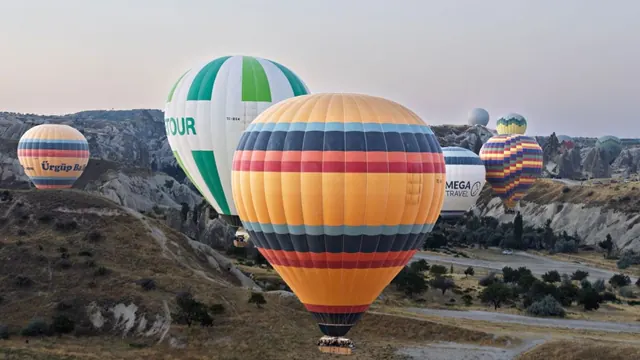
Cappadocia suits travellers who put landscape first: balloons rising at dawn over eroded tuff valleys, half-day walks between fairy chimneys, nights in a cave room and Byzantine churches cut into the rock. Evenings end early and it is quiet. It works best for couples and walkers who will give up restaurants, shops and nights out for silence and scenery.
Choose Istanbul for
- nightlife
- shopping
- live music and the arts
Pick Istanbul for a city trip with plenty in almost every direction: imperial monuments on the historic peninsula, meyhane dinners in Beyoglu, the Grand Bazaar, a Sinan hammam and ferries between two continents. It is louder and more crowded, and its green space means parks and waterfront rather than open country. In return it gives you far more to do after dark and on a rainy day.
Scoreboard
Twelve categories on one fixed scale from 0 to 100. The shaded stretch is the gap between the two.
Your match
Pick a travel style or drag the sliders, and both match scores follow your weighting.
Wins on nature and the outdoors with your weighting.
Wins on nightlife and shopping with your weighting.
What matters to you?
Category by category
What the scores mean for a trip.
Beaches & swimming
Cappadocia offers no swimming beyond hotel pools, and many cave hotels do not have one, so anyone who wants sea time needs a separate stop on the coast.
Istanbul is not a beach city either, but it does give you options. There are sandy Black Sea beaches at Kilyos and Sile about an hour north, though strong currents mean you should swim only where lifeguards are on duty. The Princes' Islands have pebbly coves for a half day out by ferry.
Food & drink
Cappadocia's cooking is rustic and regional: testi kebab broken open at the table, gözleme from roadside stalls and whites from the local emir grape at the wineries near Ürgüp. Kayseri's pastırma and mantı are an hour away. Göreme's choice is thin, so anyone who cares about food does better basing themselves in Ürgüp.
Istanbul is in another league because it draws on the cooking of the whole country. In a single day you can have lunch at a lokanta, graze through Kadikoy's market streets and spend a long meyhane evening over meze and rakı, a range no village in Cappadocia can match.
Culture & sights
Both reward serious sightseeing, but in different ways. Cappadocia's heritage is spread across the landscape: frescoed rock churches at the Göreme Open Air Museum, painted chapels along the Ihlara gorge, the Selime monastery and the eight-level underground cities of Derinkuyu and Kaymaklı, mostly reached by car or tour.
Istanbul has more to see, and it has the great institutions that Cappadocia lacks. Hagia Sophia, Topkapi Palace, the Basilica Cistern and the Archaeology Museums are all within walking distance of each other on the historic peninsula. Beyond them are the Süleymaniye, the Chora mosaics and the Bosphorus palaces, enough for a week of steady sightseeing.
Nightlife
Nights in Cappadocia end early because the balloons go up before dawn: dinner, a terrace above the darkening valleys, perhaps a glass in one of Ürgüp's few wine bars, then bed.
Istanbul is the opposite. There are late meyhanes and rooftop bars in Beyoglu, cocktail bars in Karakoy, cheaper bar streets in Kadikoy, and in summer, clubs on the Bosphorus shore at Ortakoy that run until dawn. Alcohol is heavily taxed, though, so a big night out costs more than the rest of the day.
Nature & outdoors
Cappadocia is far ahead here, because its scenery starts where the village ends. From Göreme or Uçhisar you can set off on foot into the Rose, Red, Pigeon or Zemi valleys without a bus or a guide, and pick your own way along unmarked paths through eroded rock and hidden orchards. The Ihlara gorge is the alternative: a longer, greener walk beside a river at the bottom of a canyon.
Istanbul has nothing like this open, rock-carved country. Its green side is the wooded Bosphorus seen from a ferry or the shore path at Bebek, tulips in Emirgan Park in April, forest trails in Belgrad Forest and cycling among the pines on the Princes' Islands. It is pleasant parkland and waterfront, but there are no mountains nearby, and getting to anything wilder takes a long time.
Day trips
The two are fairly evenly matched here, and in both the outings are mostly to towns rather than scenery. From Cappadocia you drive: to Kayseri's Seljuk core and bazaar, to the caravanserai at Sultanhanı with the white salt crust of Tuz Gölü on the same road, or to Hacıbektaş. You will usually need a tour or a hire car.
From Istanbul the best escapes are by water: the Princes' Islands, an upper-Bosphorus cruise to Anadolu Kavagi, and Bursa by fast ferry and bus. Edirne and Iznik make long days, and Gallipoli and Troy need a night away.
Good for families
Older children can have a memorable time in Cappadocia, crawling through underground tunnels, sleeping in a cave room and trying the pottery wheel in Avanos. But little is laid on for them, the valley paths have unguarded drops and balloon operators set minimum ages.
Istanbul does more for families, with ferry rides, the ships and submarine of the Rahmi M. Koç Museum, Miniaturk, aquariums and seaside parks on the Asian shore. Both are hard going with a pushchair, Cappadocia because of its rough ground and Istanbul because of its hills, crowds and stairs.
Getting around
Cappadocia's villages are easy on foot and linked by valley paths, but Ihlara, Soğanlı and the underground cities lie beyond the minibus routes. Most visitors take tours or hire a car, and the roads are quiet.
Istanbul needs no car at all. One card covers the metro, the T1 tram, Marmaray, the funiculars and the ferries, and the ferries double as sightseeing. The weak points are packed trams at rush hour and slow taxis stuck in traffic.
Shopping & style
Cappadocia's shopping is a short list of crafts: red-clay pottery from the Avanos workshops, kilims and carpets in the villages, onyx carvings and dried fruit.
Istanbul has crafts too and a great deal more. There are the covered lanes of the Grand Bazaar and the Spice Bazaar, streets where trades are still grouped by craft, designer labels in Nisantasi, antiques in Cukurcuma and flea markets in Kadikoy. Anyone hoping to bring home a carpet, ceramics or textiles will find a far wider choice in Istanbul.
Affordability
Neither is a bargain once you do the things most visitors come for. In Cappadocia, simple pensions and village meals are reasonable, but the boutique cave hotels and especially a balloon flight push a budget up fast, and tours or a hire car add more. Winter is the cheapest time for rooms.
Istanbul works out somewhat cheaper if you live like a local. Ferries and public transport cost little, street food and lokanta lunches are cheap, and areas such as Kadikoy keep costs down. Monument entry fees and heavily taxed alcohol are what push the bill up.
Live music & performing arts
Both have whirling dervish Sema ceremonies, held in a Seljuk caravanserai near Avanos and in Istanbul's old dervish lodges. Beyond that, Cappadocia offers only folk-dance dinner evenings.
Istanbul adds opera and ballet at the Ataturk Cultural Centre, summer music and jazz festivals in historic courtyards, fasil musicians in the meyhanes, and small rock, folk and jazz venues in Beyoglu and Kadikoy.
Wellness & relaxation
Cappadocia relaxes you through quiet: silent villages at night, cool cave rooms and long hours on a terrace, with small rock-cut hammams in the better hotels. Balloon mornings do mean early alarms.
Istanbul has the real bathing tradition, in working sixteenth-century hammams by Sinan such as Cemberlitas and Haseki Hürrem, with marble domes and a heated stone to lie on. The city around them is noisy, so in Istanbul you have to seek out calm, while in Cappadocia it is all around you.
When should you go?
Pick your month. The climate figures are measured averages, not a forecast.
Cappadocia in July
Istanbul in July
Daytime high, °C
Rainfall in the month, mm
Where the figures come from
Cappadocia's station stands 193 m above the place it is measured for, so that place is likely a little warmer than the figures say.
Temperature and rainfall are climate normals, averaged over the years shown. Cappadocia: 1991-2020 normals, Nevsehir (17.1 km from centre). Istanbul: 1991-2020 normals, Istanbul / Goztepe (9.9 km from centre).
Cappadocia sits high on the plateau, so its winters are properly cold, around 5°C by day in January, and the valleys often lie under snow. Rain is spread from winter through spring, with showers still common in May and June, and then July to October brings a dry, sunny lull. July and August reach about 30°C, which is too hot for walking dusty paths at midday, so May and September into early October are the best months for the valleys. There is no sea, so summer heat is only good for terraces and early or late walks.
Istanbul has the same summer heat but a milder winter, around 9°C in January, and a much wetter one. Rain builds from October and peaks in December at about 100mm, roughly twice what Cappadocia gets that month. The Black Sea beaches are warm enough for swimming in July and August, when the water reaches about 24°C. April, May and late September are the most comfortable months for walking the city's hills.
Which traveller are you?
For an outdoors trip, Cappadocia is the clear choice. You can walk unmarked valleys of eroded tuff straight from the village, hike the Ihlara gorge, ride horses along the ridges at sunset and ski on Erciyes in winter. Istanbul offers parks and ferries instead.
On a food and nightlife trip, Istanbul wins easily. Meyhane evenings in Beyoglu, grazing along Kadikoy's market streets and fish sandwiches by the Galata Bridge lead on to bars that stay open late. Cappadocia's villages go quiet soon after dinner.
On a shopping trip, choose Istanbul. The Grand Bazaar, the Spice Bazaar, Nisantasi's designer streets and the antique shops of Cukurcuma cover every taste. Cappadocia is worth a stop mainly for Avanos pottery and village kilims, with little beyond souvenir stalls.
Before you go
| Measure | Cappadocia | Istanbul |
|---|---|---|
| Official language | Turkish | Turkish |
| Currency | Turkish Lira (TRY) | Turkish Lira (TRY) |
| Sockets | CF230 V, 50 Hz | CF230 V, 50 Hz |
| Driving side | Right | Right |
| Time zone | UTC+3 | UTC+3 |
| Emergency number | 112 | 112 |
| Elevation | - | 100 m |
| Main airport | Kayseri Erkilet International Airport (ASR)22 non-stop destinations | İstanbul Airport (IST)36 km from centre343 non-stop destinations |
| Public holidays this year | 14 days | 14 days |
By the numbers
| Measure | Cappadocia | Istanbul |
|---|---|---|
| Population | - | 15,655,924 |
| People per km² | - | 2,930 |
| Museums within 10 km | - | 75 |
| UNESCO World Heritage sites within 50 km | - | 1 |
| Swim season, months above 21 °C | - | 3 months |
Where else could you go?
Every comparison below shares a destination with this one, so you can follow Cappadocia or Istanbul somewhere new.
- Burgasvs Istanbul
- Varnavs Istanbul
- Izmirvs Istanbul
- Ankaravs Istanbul
- Plovdivvs Istanbul
- Kusadasivs Istanbul