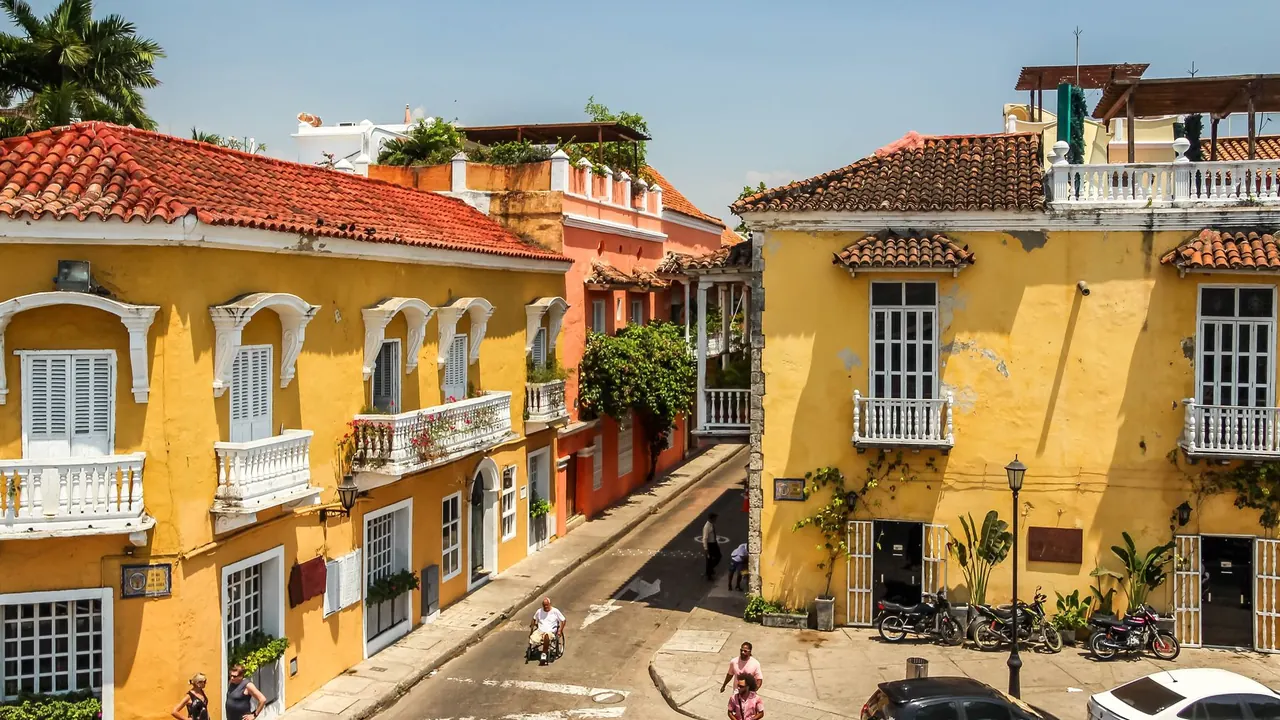
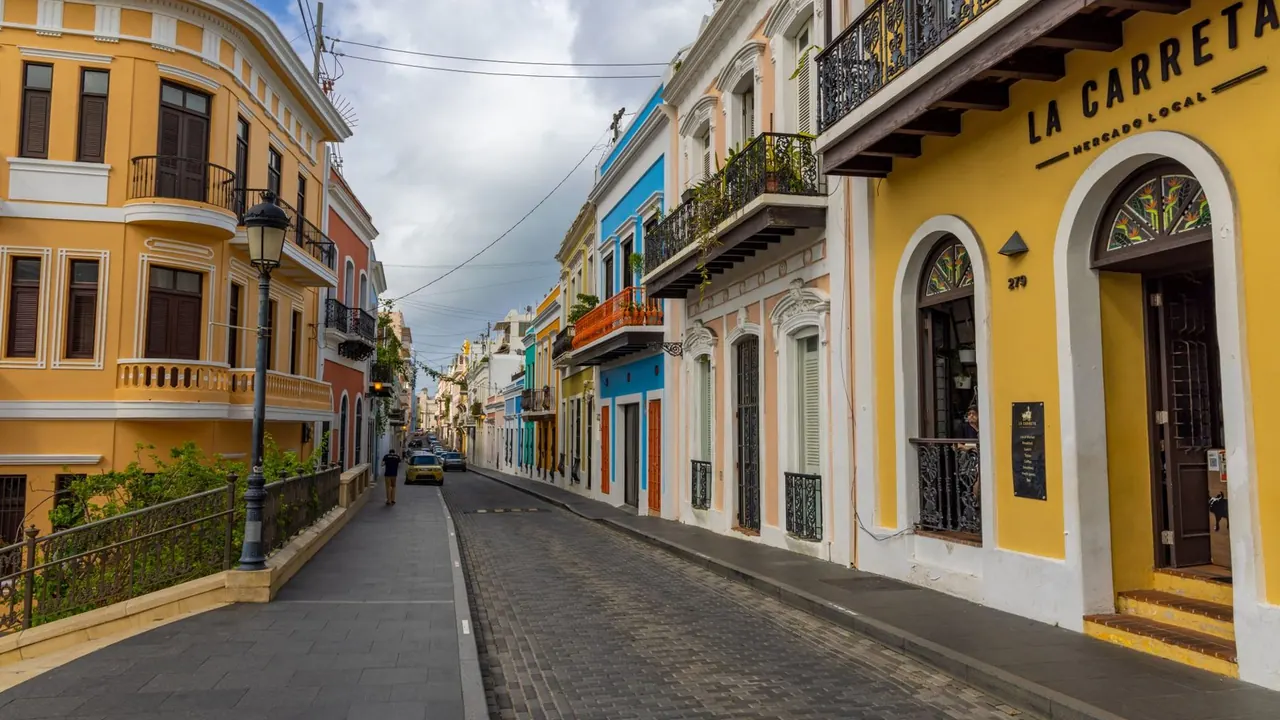
Photos: Cartagena by Dr. Thomas Liptak, CC BY-SA 4.0, cropped; San Juan by Mohan Nannapaneni, Pexels License.
Cartagena or San Juan?
Our verdict in twelve categories, each scored against the same fixed benchmark cities, and the climate month by month, so you can choose for your trip.
Choose Cartagena for
- prices
- getting around
- culture and sights
Cartagena suits travellers who want to wander a walled colonial city on foot and spend less doing it. The old town, San Diego and Getsemaní sit a few minutes apart, evenings move from street food on the plazas to salsa bars, and guesthouses, set lunches and taxis cost little away from the boutique-hotel tier. The best sand is offshore, so plan a day or two on the Rosario Islands or Barú.
Choose San Juan for
- nature and the outdoors
- day trips
- families
San Juan is the better pick when the beach and the wider island matter as much as the old town. Isla Verde and Escambrón are within the city, El Yunque's rainforest and the glowing bay near Fajardo are short drives away, and familiar US standards make it easier with children. Expect mainland prices and a hire car for anything beyond the city.
Scoreboard
Twelve categories on one fixed scale from 0 to 100. The shaded stretch is the gap between the two.
Your match
Pick a travel style or drag the sliders, and both match scores follow your weighting.
Wins on prices and getting around with your weighting.
Wins on nature and the outdoors and day trips with your weighting.
What matters to you?
Category by category
What the scores mean for a trip.
Beaches & swimming
In Cartagena you have to take a boat to get the Caribbean you came for. Bocagrande and Castillogrande have darkish sand, water clouded by river sediment and plenty of vendors, so a proper beach day means a boat to Playa Blanca on Barú or the Rosario Islands, which works but takes half the day.
San Juan has good swimming right in the city. Isla Verde's reef-sheltered sand, Ocean Park and the calm bay at Escambrón are minutes from the hotels, and Luquillo's palm-backed crescent is under an hour east. The one catch is the rough water off parts of Condado, which is why locals stick to the lifeguarded balnearios.
Food & drink
Both cities eat well, but the flavours differ. Cartagena cooks like a port, with whole fried fish, coconut rice, ceviche from street carts, arepas de huevo and the coconut sweets of the Portal de los Dulces. A polished layer of restaurants in restored colonial houses sits inside the walls.
San Juan's cooking is heavier and built on plantain and pork: mofongo, alcapurrias at the Piñones kiosks, and the roast-pork stalls of Guavate up in the hills. Rum, mountain-grown coffee and chef-led kitchens in Santurce give it a little more range. In both old towns, many menus are aimed at visitors.
Culture & sights
These are two Spanish fortress cities with a lot in common, and either can be seen in two or three days. Cartagena's walled city is the larger and more complete townscape, with about 11km of ramparts to walk and lived-in streets in San Diego and Getsemaní. The hilltop Castillo San Felipe de Barajas is the single most striking building in either city.
San Juan's forts make more of their setting. El Morro faces the harbour mouth from its grassy headland and San Cristóbal looms over the eastern approach. The city is also better for museums: the Museo de Arte de Puerto Rico in Santurce outshines Cartagena's modest Gold Museum and Inquisition palace.
Nightlife
Cartagena's night is a small circuit you can walk. It starts with street food and drummers on the steps of Getsemaní's Plaza de la Trinidad and moves on to salsa bars nearby or rooftop bars inside the walls. Champeta parties, party boats and chivas with a band on board are local specialities, and the touts come with them.
San Juan's going-out is spread across several districts and peaks at the weekend. From Thursday to Saturday, La Placita in Santurce becomes a street party, and Calle San Sebastián mixes dive bars with salsa and reggaeton floors. Condado and Isla Verde add casinos and hotel clubs, and weeknights are much quieter.
Nature & outdoors
This is San Juan's biggest advantage. El Yunque's rainforest, with its tree ferns, waterfalls and lookout towers, is under an hour away, and Laguna Grande near Fajardo glows on night kayak trips. Winter surf on the north coast and the Piñones mangrove boardwalk add more.
Around Cartagena the land is flat, hot and farmed. The outdoors here means snorkelling over the boat-worn reefs of Corales del Rosario, canoeing the mangroves at La Boquilla, kitesurfing in the dry season, and a wallow in the Totumo mud volcano.
Day trips
From Cartagena there is not much within a day's reach. San Basilio de Palenque, with its own language and music, makes a rewarding half day, but Mompox and Santa Marta are too far to go and come back.
San Juan gives you more. Ponce's colonial plaza and art museum are a drive over the mountains, the ferry to Cataño leads to the rum distillery, and Loíza is the home of bomba. Culebra and Vieques are better with a night's stay.
Good for families
San Juan is the easier city with children. El Morro's tunnels and kite-flying lawn, calm water at Escambrón and Luquillo, and El Yunque's short paved trails fill several days. English, US-standard pharmacies and supermarkets, and resort pools make the practical side simple.
Cartagena has horse carriages, ramparts and the National Aviary on Barú, and the island beaches are a treat. But the good water is a long boat ride away, the city beaches are crowded with vendors, and the humid heat wears small children out quickly.
Getting around
Cartagena is much easier to get around. The walled city, San Diego and Getsemaní are a few minutes' walk apart, the Castillo San Felipe is a stroll from Getsemaní, and plentiful cheap taxis cover Bocagrande. The midday heat is the main thing that slows you down.
San Juan spreads along its coast. The Tren Urbano misses both the old town and the beach districts, buses are slow, and El Yunque, Luquillo or Ponce mean a hire car or a tour, with heavy highway traffic at rush hour.
Shopping & style
Cartagena is the place for Colombian craft. The vaulted Las Bóvedas sell Wayuu mochilas, sombreros vueltiaos and hammocks, jewellers around the Plaza de Bolívar sell emeralds, and local designers make linen resortwear for the heat.
San Juan leans towards US-style malls, led by the huge Plaza Las Américas, plus a short run of designer boutiques on Ashford Avenue. For things to take home, its old town has carved santos, vejigante masks, cigars, rum and coffee.
Affordability
Cartagena is clearly cheaper, as long as you stay away from the restored-mansion hotels and smarter old-town restaurants. Getsemaní guesthouses, canteen set lunches, street food and taxis cost little, and island trips are fairly priced if you agree the fare first.
San Juan costs about what a mid-sized city on the US mainland does, with tips and taxes added to restaurant bills. Beachfront rooms are dear in winter, and a hire car adds up. Kiosks and roadside stalls help, and rooms are cheaper in summer and autumn, which is hurricane season.
Live music & performing arts
San Juan has more on stage. The Centro de Bellas Artes in Santurce houses the Puerto Rico Symphony Orchestra and touring theatre, the Casals Festival brings classical music every year, and the Hato Rey arenas host big Latin concerts. Bomba sessions also let visitors join the drumming and dancing.
In Cartagena, the ornate Teatro Adolfo Mejía and the January classical festival in churches and courtyards are the formal highlights. The rest of the year, music means cumbia dancers in the plazas and champeta sound systems.
Wellness & relaxation
Neither city has a spa or bathing tradition, and both are loud. In Cartagena, rest means a colonial-house hotel with a plunge pool and shaded courtyard, a cheap massage on the sand, or a few slow nights in a hammock on the islands.
San Juan's version is larger and more resort-based, with hotel spas in Condado and Isla Verde, yoga around the beach districts, and countryside retreats for real quiet.
When should you go?
Pick your month. The climate figures are measured averages, not a forecast.
Cartagena in July
San Juan in July
Daytime high, °C
Rainfall in the month, mm
Temperature and rainfall are climate normals, averaged over the years shown. Cartagena: 1991-2020 normals, Cartagena / Rafael Nunez (3.1 km from centre). San Juan: 1991-2020 normals, San Juan / Int., Puerto Rico (12.8 km from centre).
Cartagena has a clear dry season. January to March are almost rainless and the sunniest months of the year. April brings only the odd shower, and December still gets some rain as the wet season tails off. From May the rain builds steadily to a peak in October, the wettest month at 241mm. The heat barely changes, around 30°C in every month, so street walking is best early and late, and the sea is warm enough for swimming all year.
San Juan has no true dry season. Rain falls every month, least in March at 53mm and most in November, usually in short tropical bursts. March is the sunniest month, with July close behind, and late winter is a degree or two cooler. From June to October highs reach 32°C, which makes the old town's cobbles hard work by midday. The sea is warm all year, a little cooler than Cartagena's in late winter.
Which traveller are you?
For an outdoors trip, San Juan offers rainforest, reef and surf within a short drive, so you can do something different each day, such as catamaran snorkelling off the Fajardo cays or a walk through the cloud forest. From Cartagena, the Sierra Nevada and Tayrona are too far for a day out.
On a trip on a tight budget, Cartagena goes further. Getsemaní guesthouses, street carts, fresh juices and cheap taxis keep daily costs low, while San Juan charges US mainland prices and needs a hire car once you leave the city.
On a family trip with children, San Juan makes the days simpler to plan. Isla Verde's sheltered sand is a short taxi from the hotel, Luquillo's kiosks make lunch easy, and you are never far from a pool. In Cartagena, most good swimming takes a boat and a full day.
Before you go
| Measure | Cartagena | San Juan |
|---|---|---|
| Official language | Spanish | Spanish, English |
| Currency | Colombian Peso (COP) | US Dollar (USD) |
| Sockets | AB110 V, 60 Hz | AB120 V, 60 Hz |
| Driving side | Right | Right |
| Time zone | UTC-5 | UTC-4 |
| Emergency number | 123 | 911 |
| Elevation | 2 m | 3 m |
| Main airport | Rafael Nuñez International Airport (CTG)2 km from centre26 non-stop destinations | Luis Munoz Marin International Airport (SJU)12 km from centre59 non-stop destinations |
| Public holidays this year | 19 days | 21 days |
By the numbers
| Measure | Cartagena | San Juan |
|---|---|---|
| City population | 914,552 | 342,259 |
| People per km² | 1,599 | 2,847 |
| Museums within 10 km | 2 | 18 |
| UNESCO World Heritage sites within 50 km | 1 | 1 |
| Swim season, months above 21 °C | 12 months | 12 months |
Where else could you go?
Every comparison below shares a destination with this one, so you can follow Cartagena or San Juan somewhere new.