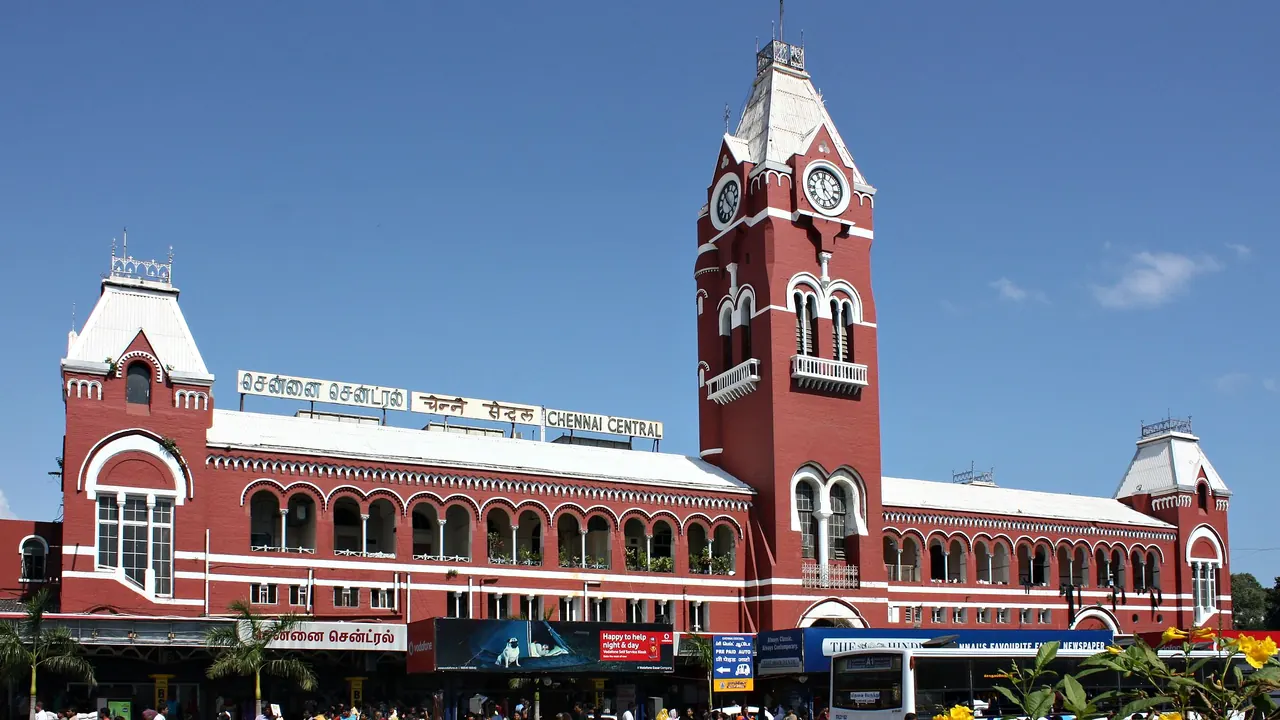
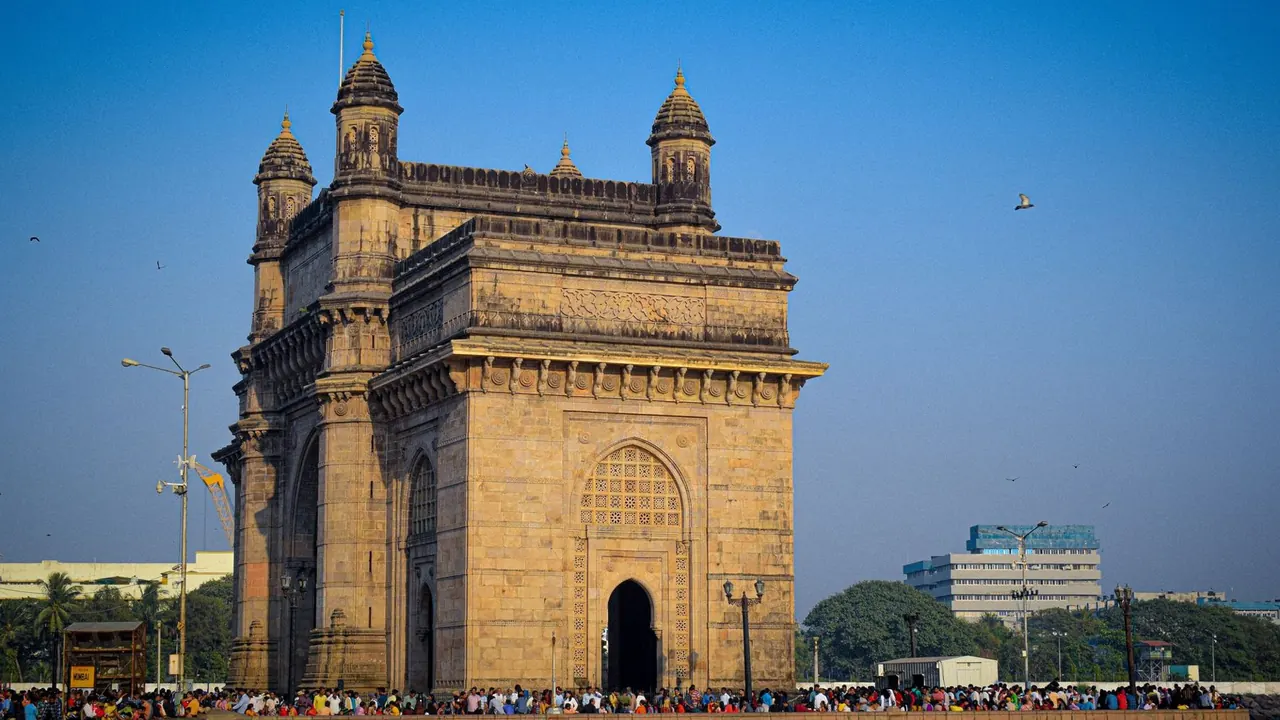
Photos: Chennai by Arian Zwegers derivative work: MrPanyGoff, CC BY 2.0, cropped; Mumbai by Shubam Bhasin, Pexels License.
Chennai or Mumbai?
Our verdict in twelve categories, each scored against the same fixed benchmark cities, and the climate month by month, so you can choose for your trip.
Choose Chennai for
- live music and the arts
- prices
- beaches
Chennai suits a traveller who wants South India at its source: banana-leaf meals and tiffin halls, living temples in Mylapore and Triplicane, and above all the Carnatic music and Bharatanatyam of the sabhas. It is the cheaper city by a clear margin, and Mahabalipuram and Kanchipuram make it the better base for day trips. Expect evenings that end early and quietly.
Choose Mumbai for
- nightlife
- nature and the outdoors
- culture and sights
Mumbai is the choice for a bigger, faster city trip with more range. The Gothic and Art Deco streetscape around the Oval Maidan, street food and Irani cafés, a real bar scene in Bandra and Lower Parel, and shopping from Chor Bazaar to designer boutiques all give it more to do. Sanjay Gandhi National Park and the Western Ghats add an outdoor side that Chennai lacks, but good hotels cost noticeably more.
Scoreboard
Twelve categories on one fixed scale from 0 to 100. The shaded stretch is the gap between the two.
Your match
Pick a travel style or drag the sliders, and both match scores follow your weighting.
Too close to call, 2 points apart
Wins on live music and the arts and prices with your weighting.
Wins on nightlife and nature and the outdoors with your weighting.
What matters to you?
Category by category
What the scores mean for a trip.
Beaches & swimming
Neither city is a beach destination, but Chennai comes closer. Marina Beach and Elliot's Beach are made for evening strolls and snacks rather than swimming, yet the East Coast Road puts resort beaches near Kovalam and Mahabalipuram within reach by car, where a careful swim is sometimes possible.
Mumbai's Juhu and Girgaum Chowpatty are sunset promenades over murky water, and the nearest clean sea is across the harbour at Alibaug, which takes most of a day. In both cities the realistic swim is in the hotel pool.
Food & drink
Mumbai is the stronger food city, though Chennai has the edge for one cuisine. Chennai serves Tamil cooking at its source: idli, dosa and filter coffee in the tiffin halls of Mylapore and T. Nagar, rice meals on a banana leaf refilled until you stop them, and fiery Chettinad chicken. Alcohol and cooking from outside India play only a small part.
Mumbai's everyday food is just as good and has far more range. You can fill a trip with vada pav from the station carts, bhel puri on Chowpatty, bun maska in the Irani cafés of Fort and Colaba, Konkani crab curries, Parsi dhansak and, during Ramadan, the night grills of Mohammed Ali Road. Bandra and Lower Parel add modern restaurants of a kind Chennai has no real match for.
Culture & sights
Mumbai has the stronger set of sights, led by the Gothic extravagance of the Chhatrapati Shivaji Maharaj Terminus and the Victorian and Art Deco facades facing each other across the Oval Maidan. With the Gateway of India and the former Prince of Wales Museum close by, the Fort area gives a walkable morning of landmarks.
Chennai's appeal is more devotional and more scattered. The Kapaleeshwarar and Parthasarathy temples are busy places of worship rather than monuments, the Egmore museum's Chola bronzes are world-class, and Fort St George recalls British Madras, but reaching them means a lot of time in traffic.
Nightlife
This is one of the widest gaps between the two. Chennai's drinking is tightly regulated and largely confined to hotel bars and a few pubs in Nungambakkam and Alwarpet, so evenings mean beach walks and late dinners.
Mumbai has a proper going-out scene in the cocktail bars and clubs of Bandra, Khar and the Lower Parel mill compounds, plus the older bar strip in Colaba. It still closes around 1am and drinks are heavily taxed, but a dressy weekend night out is easy to find.
Nature & outdoors
Mumbai has more real outdoors. Sanjay Gandhi National Park brings forest trails, leopards and the Kanheri caves inside the city limits, and the Western Ghats, about two hours inland, offer hill forts, Matheran and green monsoon hikes.
Chennai sits on a flat coastal plain with no hills, so its nature is about birds and the shore: blackbuck in Guindy, winter pelicans and storks at Vedanthangal and Pulicat, and turtle walks on the beaches. Both cities draw flamingos in winter.
Day trips
Chennai has the better pair of outings. Mahabalipuram's Pallava shore temple and rock reliefs are about an hour down the coast, Kanchipuram's great temples and silk looms about two hours inland, and DakshinaChitra makes an easy half day. Pondicherry is possible with an overnight stay.
Mumbai's highlight is the boat to the Shiva carvings of Elephanta, with the Buddhist caves at Karla and Bhaja further out. After that the slow roads out of the city and the distance to Ajanta and Ellora limit most visitors to one or two trips.
Good for families
For families the two cities are much alike: children are warmly welcomed, but heat, traffic and poor pavements wear them out, and a car with a driver plus a hotel pool make both easier. Chennai's best outing is the large, green zoo at Vandalur, with pony rides and balloons on Elliot's Beach in the evening.
Mumbai has the Nehru Science Centre, a useful indoor option in monsoon rain, and the ferries from the Gateway of India, which children enjoy.
Getting around
Getting around is hard work in both cities, but in different ways. Chennai sprawls, and apart from the lanes around the Kapaleeshwarar Temple it is not a walking city. Its clean metro covers the airport and Central station, and cheap autos and app cabs do the rest.
Mumbai is long and narrow. The Fort, Kala Ghoda and Colaba area is pleasant on foot, and the suburban railway is the quickest way north if you avoid the crushing rush hours. Road traffic can turn a short trip into an hour.
Shopping & style
Mumbai offers the wider range. Crawford Market, the gold lanes of Zaveri Bazaar and the antiques and film posters of Chor Bazaar sit alongside the stalls of Colaba Causeway and the designer and handloom boutiques of Kala Ghoda and Bandra.
Chennai is narrower but excellent in its field. The sari emporia of T. Nagar and the Kanchipuram silks of the old silk houses are among the best anywhere, and Mylapore adds brass lamps and temple jewellery. Fashion beyond Indian textiles is thin.
Affordability
Day to day, both cities are cheap for food and transport, so the difference comes down to where you sleep. In Chennai simple hotels and guesthouses stay inexpensive, and only the business hotels push costs up.
In Mumbai comfortable rooms in the south of the city cost far more, decent budget options are scarce, and taxed cocktails in the smart bars add up quickly. A comfortable stay in Mumbai ends up costing more than the same stay in Chennai.
Live music & performing arts
Chennai is the stronger choice for live performance, at least for Indian classical forms. The Margazhi season fills the Music Academy and the sabhas of Mylapore and T. Nagar with Carnatic concerts and Bharatanatyam, and Kalakshetra stages dance through the year.
Mumbai's scene is broader in genre. The National Centre for the Performing Arts hosts the Symphony Orchestra of India, jazz and Hindustani music, and the Prithvi Theatre anchors Hindi and English drama, though much of it is aimed at residents.
Wellness & relaxation
Neither city is restful, but Chennai has a little more to offer. Its yoga heritage shows in the lineage studios of Mylapore and Adyar, and the shaded grounds of the Theosophical Society and the resorts along the East Coast Road give real quiet without a long journey.
In Mumbai, relaxation mostly means luxury hotel spas or a dawn walk on Marine Drive or by the Banganga Tank. A proper retreat means heading out to Lonavala.
When should you go?
Pick your month. The climate figures are measured averages, not a forecast.
Chennai in July
Mumbai in July
Daytime high, °C
Rainfall in the month, mm
Temperature and rainfall are climate normals, averaged over the years shown. Chennai: 1991-2020 normals, Madras / Minambakkam (13.5 km from centre). Mumbai: 1991-2020 (rainfall 1961-1990) normals, Bombay / Santacruz (5.4 km from centre).
Chennai is at its most comfortable in January and February, when days sit around 30°C, rain is scarce and the sun is reliable. The heat then builds through spring to a punishing 39°C in May, which makes streets and temple visits a matter for early mornings. Its heavy rain comes late in the year, so October and November are the wettest months, with 363mm in November, and December is still damp.
Mumbai has a different rhythm. It is dry from November to May, but the monsoon arrives in June and peaks in July at 842mm, with grey skies and a rough sea that rule out the seafront. October and November are dry but hot, close to 34°C, so December to February is the easiest time for walking. The two cities' rains barely overlap: when Mumbai is wettest Chennai is hot but drier, and when Chennai floods in November Mumbai is dry. The sea stays warm off both all year, though neither city beach is for swimming.
Which traveller are you?
On a trip on a tight budget, Chennai stretches money further. Tiffin breakfasts, banana-leaf meals, autos and the metro cost little, and simple guesthouses stay cheap, while in Mumbai decent budget rooms are scarce and the hotel bill climbs fast.
For a food and nightlife trip, Mumbai is the clear pick. Its street food, Irani cafés and Malvani seafood come with a cocktail and gastropub scene in Bandra, Khar and Lower Parel, whereas Chennai eats superbly but goes to bed early and sober.
For lovers of Indian classical music and dance, Chennai is the destination, especially in the December and January Margazhi season, when the Music Academy and the sabhas of Mylapore run concerts from morning to night. Mumbai's stages are broader but have nothing on this scale.
Before you go
| Measure | Chennai | Mumbai |
|---|---|---|
| Official language | Hindi, English | Hindi, English |
| Currency | Indian Rupee (INR) | Indian Rupee (INR) |
| Sockets | CM230 V, 50 Hz | CM230 V, 50 Hz |
| Driving side | Left | Left |
| Time zone | UTC+5:30 | UTC+5:30 |
| Emergency number | 108 or 112 | 108 or 112 |
| Elevation | 6 m | 14 m |
| Main airport | Chennai International Airport (MAA)15 km from centre67 non-stop destinations | Chhatrapati Shivaji Maharaj International Airport (BOM)2 km from centre122 non-stop destinations |
By the numbers
| Measure | Chennai | Mumbai |
|---|---|---|
| City population | 6,599,000 | 15,414,288 |
| People per km² | 15,462 | 25,563 |
| Museums within 10 km | 8 | 1 |
| UNESCO World Heritage sites within 50 km | 0 | 4 |
| Swim season, months above 21 °C | 12 months | 12 months |
Where else could you go?
Every comparison below shares a destination with this one, so you can follow Chennai or Mumbai somewhere new.
- Pondicherryvs Chennai
- Bengaluruvs Chennai
- Mysorevs Chennai
- Kochivs Chennai
- Udaipurvs Mumbai
- Colombovs Chennai