Puerto Varas
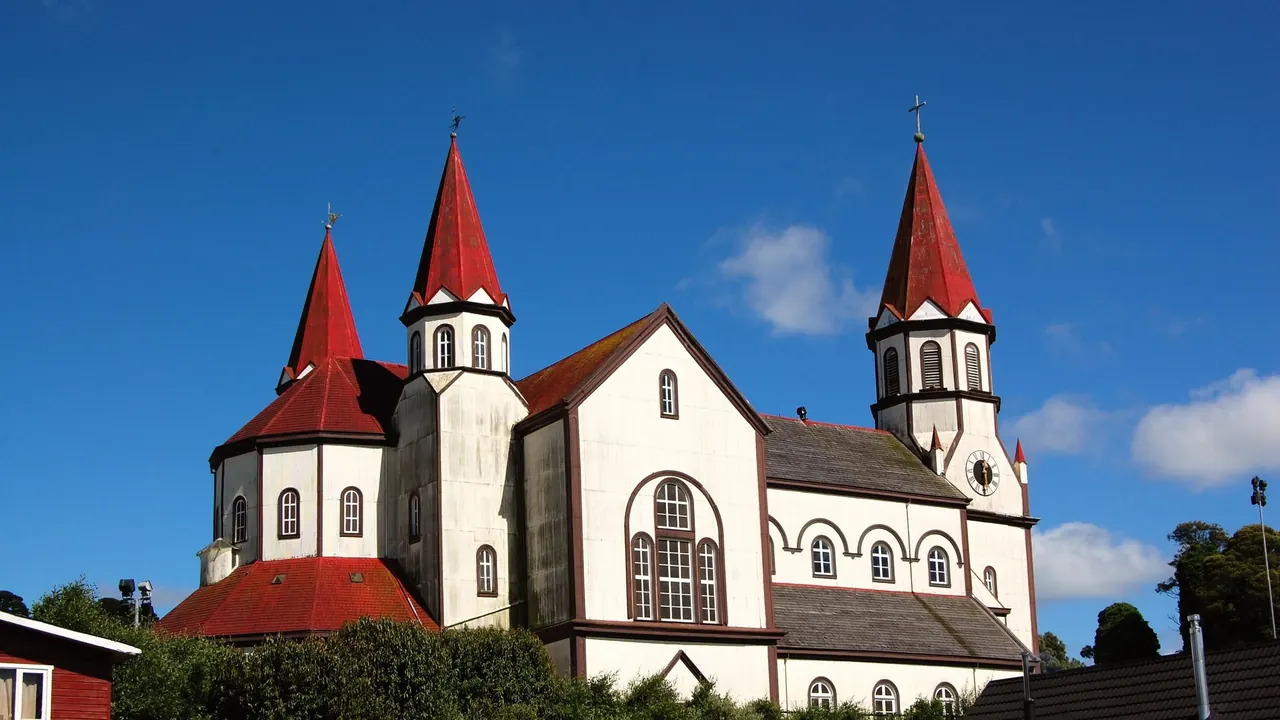
The red and white wooden Sacred Heart church in Puerto Varas
- Nature & outdoors87
- Day trips55
- Families45
Photo: Guillermo Villegas B., CC BY-SA 3.0, cropped
Match
40
Every category weighted equally
- Beach & sun41
- Culture & arts36
- Food & nightlife34
- Family trip44
- Outdoors49
- Relax & unwind44
- Shopping & style35
- On a budget40
Puerto Varas in twelve categories
Our verdict on each, scored 0 to 100 against the same fixed benchmark cities, so a score means the same thing on every page.
Beaches & swimming. Scores 30 out of 100.
Food & drink. Scores 40 out of 100.
Culture & sights. Scores 20 out of 100.
Nightlife. Scores 15 out of 100.
Nature & outdoors. Scores 87 out of 100.
Day trips. Scores 55 out of 100.
Good for families. Scores 45 out of 100.
Getting around. Scores 45 out of 100.
Shopping & style. Scores 22 out of 100.
Affordability. Scores 42 out of 100.
Live music & performing arts. Scores 30 out of 100.
Wellness & relaxation. Scores 45 out of 100.
Puerto Varas category by category
Beaches & swimming
30Puerto Varas sits on Lake Llanquihue, and in high summer the town beach and the black-sand shores at Frutillar, Llanquihue and Ensenada fill with Chilean families on warm afternoons. The water is fresh, clean and cool. Even in January and February it reaches only about 17°C to 19°C, and a southerly wind or a run of rain can end the swimming season for days at a time.
A swim here is something to do on a sunny afternoon. It is not the reason to come. The Pacific coast nearby is colder and is for walking, not bathing. Anyone who wants a beach vacation should look elsewhere.
Food & drink
40Eating here mixes two traditions. German settlers left a lasting habit of afternoon kuchen, with berry tarts and küchen made with local raspberries and murta. Southern Chile adds lamb roasted over open fires, smoked salmon, mussels and other shellfish, and on Chiloé-style menus, curanto. For a small town the lakefront and the streets just behind it have a fair number of good restaurants, some cooking ambitious Patagonian food alongside the pubs and cafés.
The range runs out quickly, though, and many places close or cut back outside the summer. For the liveliest seafood, people head to the stalls and cookshops of the Angelmó market in Puerto Montt, a short drive away.
Culture & sights
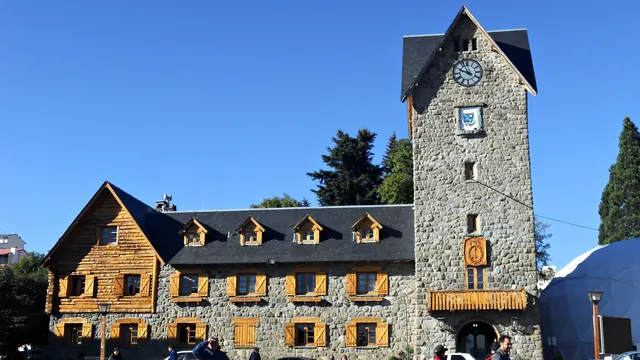
20The town's heritage comes from the German families who settled the lake in the nineteenth century. Their timber houses have steep roofs, shingled walls and painted trim, and a walking route links the best of them on the streets above the lake. Over the town stands the Iglesia del Sagrado Corazón, a large wooden church modelled on a Black Forest church. It is the best-known building here.
You can see all of it in a morning. There are no major museums, and the fuller story of the German colonisation is told in Frutillar, further along the shore.
Nightlife
15Evenings here mean a long dinner, a pint of local craft beer in a pub near the lakefront, or a turn around the casino. In January and February, when the town is full, a few bars stay busy until late, but there is no club scene to speak of. For most of the year the streets are quiet soon after dinner. Anyone who wants a proper night out goes to Puerto Montt, and even that is modest.
Nature & outdoors
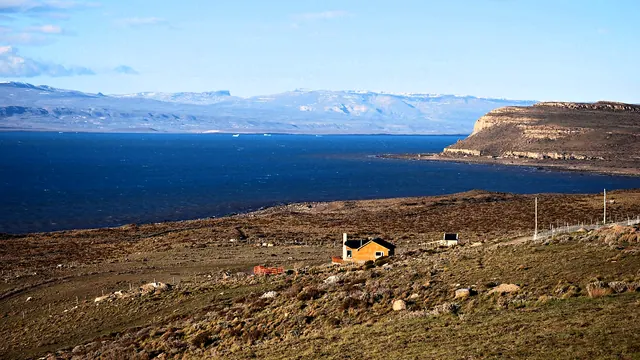
87The town looks across Lake Llanquihue to the near-perfect snow cone of Volcán Osorno, with Calbuco beside it, and the landscape is the main reason anyone comes. Within about an hour you reach Vicente Pérez Rosales, Chile's oldest national park. Here the Petrohué River pours over black lava rock in turquoise rapids and falls, and boats cross the emerald Lago Todos los Santos. Trails climb the volcano's flanks, where you can hike to old craters, ski in winter or join a guided ascent of the summit.
The range of activity is wide: rafting and kayaking on the Petrohué, cycling the lakeshore road, fly fishing, horse riding and canyoning. Further out are the granite walls and temperate rainforest of the Cochamó valley and the alerce forests of Alerce Andino. The catch is the rain. This is a wet, green region, and the volcano can stay in cloud for days, so the clear spells of summer and early autumn are the best time to come.
Day trips
55The easiest trip is about half an hour along the lakeshore to Frutillar. It is the most polished of the lake towns, with a German-era waterfront, an open-air museum of settler houses and farm buildings, and the concert hall standing out over the water. Puerto Octay on the northern shore is quieter and keeps more of its old timber buildings around a sloping square. Puerto Montt, twenty minutes away, is a working port and regional capital, with a busy harbour on the Reloncaví Sound.
The island of Chiloé is the outing people talk about most. A short ferry across the Chacao Channel and a drive bring you to Ancud in about two hours. There you find the cannons of the old Spanish fort of San Antonio above the bay and a regional museum on the island's history and mythology. The shingled wooden churches listed by UNESCO stand further in, at Dalcahue, Tenaún and around Castro with its houses on stilts. That puts them three hours or more from Puerto Varas, so they deserve a night on the island. Beyond these towns, most excursions lead into landscape rather than to other places.
Good for families
45This is an easy and safe place to be with children. The town is small and calm, and Chilean families fill it in summer. Lake beaches, boat trips on Todos los Santos, the short trails to the Petrohué falls and the snow on Osorno in winter all make good outings for most ages.
What it lacks is anything built for children: there are no zoos, aquariums, theme parks or science museums. Long drives and rainy days can wear thin, so families get the most from it in fine summer weather, with a car and a taste for the outdoors.
Getting around
45The town itself is small enough to walk end to end. The lakefront, the old houses and most restaurants are within a few streets of each other, though some streets climb steeply up from the shore. Local minibuses run along the main roads to Puerto Montt, Frutillar, Ensenada and Petrohué, and the airport at Puerto Montt is close by.
Beyond those routes it gets harder. Getting to the far side of the lake, the trailheads on the volcano, the Cochamó valley or Chiloé is much easier by car, and many visitors hire one or book tours to cover the region.
Shopping & style
22Shopping here is small and local. You will find woollen knitwear, wood carvings, jams, smoked produce and chocolate in the craft shops near the lakefront, along with outdoor gear for the volcanoes and rivers. The bigger craft market is at Angelmó in Puerto Montt, which has a wider range of woven goods and Chiloé wool. Nobody comes here to shop for fashion or design.
Affordability
42This is one of the more expensive places to travel in Chile. The lakefront hotels, the best restaurants and guided trips such as rafting, volcano ascents and boat crossings cost close to what you would pay in Western Europe, above all in January and February. Local buses, set lunches and simple guesthouses are moderately priced. Coming in spring or autumn, or staying in Puerto Montt or a smaller lake town, makes a stay noticeably cheaper.
Live music & performing arts
30Puerto Varas itself has little live performance beyond the occasional gig in a pub. The real music lies half an hour away in Frutillar. There, the Teatro del Lago, a concert hall built out over the lake, hosts classical concerts, opera and dance through the year. Every summer the town also holds the Semanas Musicales de Frutillar, a classical festival with a long history. For a lakeside town this is an unusually good programme, but most evenings here are for dinner, not for a show.
Wellness & relaxation
45The pace of the town is its main draw for rest: quiet lakeside walks, long afternoons over coffee and kuchen, and the volcano on the far shore. Several lakefront hotels have spas, but the town has no bathing tradition of its own.
The volcanic ground does provide hot springs within reach. The rustic thermal pools around Ralún and the Cochamó estuary are about an hour away, and the long-established resort at Puyehue is further. Soaking in open-air pools surrounded by rainforest after a day of hiking is the region's best way to unwind, but it means a drive, not a walk to the baths.
When should you go?
Pick a month to see what it is like. The climate figures are measured averages, not a forecast.
Puerto Varas in July
Daytime high, °C
Rainfall in the month, mm
The whole year
Shaded against this destination’s own year: the deepest cell is its best month for that figure and the palest its weakest.
Temperature and rainfall are climate normals, averaged over the years shown. Puerto Varas: 1991-2020 normals, Puerto Montt (13.8 km from centre).
Before you go
| Measure | Puerto Varas |
|---|---|
| Official language | Spanish |
| Currency | Chilean Peso (CLP) |
| Sockets | CL220 V, 50 Hz |
| Driving side | Right |
| Time zone | UTC-4, UTC-3 in summer |
| Emergency number | Police 133/134, ambulance 131, fire 132 |
| Elevation | 56 m |
| Main airport | El Tepual International Airport (PMC)17 km from centre5 non-stop destinations |
| Public holidays this year | 16 days |
By the numbers
| Measure | Puerto Varas |
|---|---|
| Population | 26,172 |
| People per km² | 4,026 |
| Museums within 10 km | 2 |
| UNESCO World Heritage sites within 50 km | 0 |
| Swim season, months above 21 °C | None |
Compare Puerto Varas with
Every comparison with a written verdict behind it.