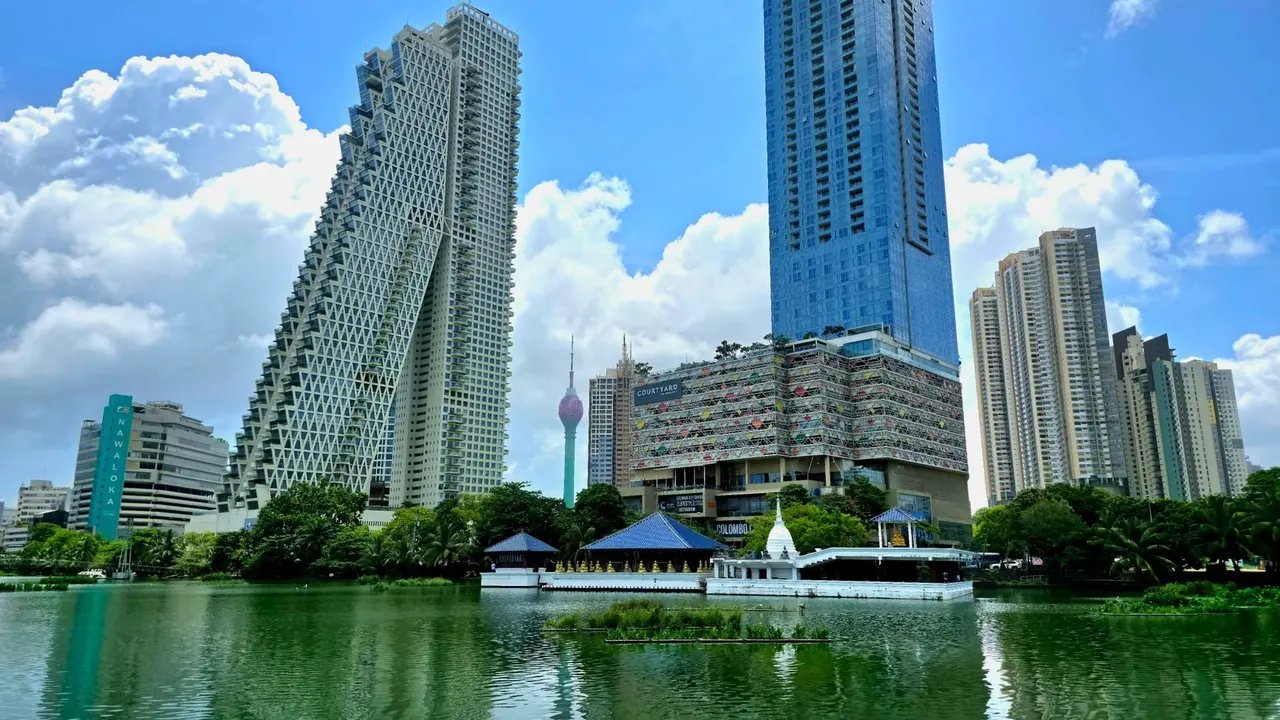
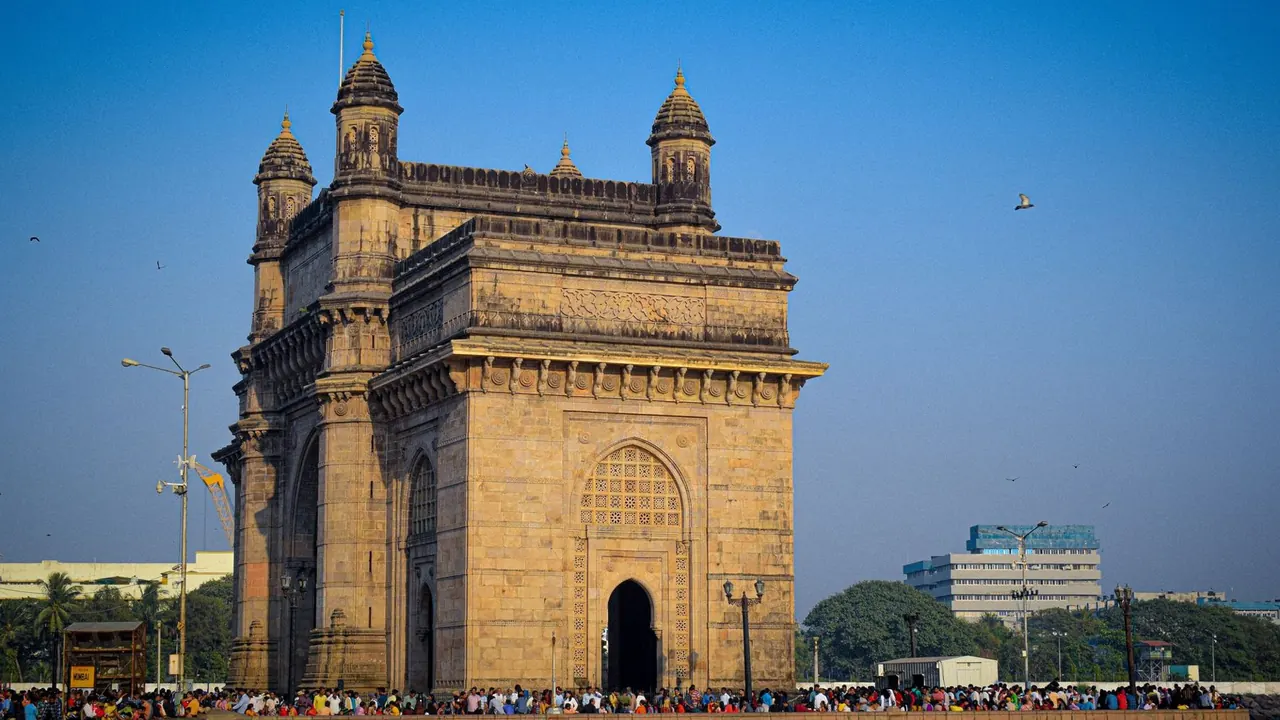
Photos: Colombo by Mohamed Ansaf, Pexels License; Mumbai by Shubam Bhasin, Pexels License.
Colombo or Mumbai?
Our verdict in twelve categories, each scored against the same fixed benchmark cities, and the climate month by month, so you can choose for your trip.
Choose Colombo for
- beaches
- wellness
- prices
Colombo suits a traveller who sees the city as the opening chapter of a longer Sri Lankan trip. Mount Lavinia gives you a beach without leaving town, Ayurveda is a real local practice rather than a spa menu, and rice-and-curry spreads and hoppers make eating a pleasure. A few days here sit naturally before the south coast or the hill country.
Choose Mumbai for
- culture and sights
- live music and the arts
- nature and the outdoors
Mumbai is the better choice when the city itself is the point of the trip. The Gothic and Art Deco streets around the Oval Maidan, street food at every station, live stages from Nariman Point to Juhu, and markets from Crawford to Chor Bazaar give you far more to fill your days. Swimming and rest are what you give up, so come for the streets and the food, not the sea.
Scoreboard
Twelve categories on one fixed scale from 0 to 100. The shaded stretch is the gap between the two.
Your match
Pick a travel style or drag the sliders, and both match scores follow your weighting.
Wins on beaches and wellness with your weighting.
Wins on culture and sights and live music and the arts with your weighting.
What matters to you?
Category by category
What the scores mean for a trip.
Beaches & swimming
Colombo has the edge here, though it is a city on the sea rather than a beach resort. Mount Lavinia, a broad stretch of sand on the city's southern edge, is a short train ride from the centre, and Negombo has a longer hotel beach an hour north. Both are swimmable in the calm months from December to April, but the open surf and currents never make them gentle bays.
Mumbai's Juhu and Girgaum Chowpatty are where the city goes at sunset for snacks and kites, but the water is murky and almost nobody swims. A real swim means the harbour ferry to Alibaug, which takes most of a day, so in the city a hotel pool is the practical answer.
Food & drink
Both cities eat well and cheaply, but Mumbai has the greater range. Colombo's strength is depth in one cuisine: rice and curry laid out as many small dishes, hoppers with an egg cooked inside, kottu roti chopped late at night and the Burgher lamprais baked in banana leaf. Its upper end is narrower, mostly seafood and hotel dining in Colombo 3 and 7.
Mumbai adds breadth on top of its own street food of vada pav and pav bhaji. You can have bun maska in an Irani café, crab in Malvani coconut curry, a Gujarati thali or Parsi dhansak, and Bandra and Lower Parel have a serious modern restaurant scene for an evening out.
Culture & sights
Mumbai has much more to see. The Chhatrapati Shivaji Maharaj Terminus and the Victorian Gothic buildings facing the Art Deco blocks of Marine Drive across the Oval Maidan make one of Asia's great colonial cityscapes. The former Prince of Wales Museum, the Bhau Daji Lad Museum, Haji Ali and Banganga Tank add more, even if the distances between them slow you down.
Colombo is a working port with a shorter list. The National Museum's royal regalia, the crowded Gangaramaya Temple, Bawa's Seema Malaka on Beira Lake and the striped mosque in Pettah fill a day or two. The island's ancient cities lie far inland.
Nightlife
Neither city is worth a trip for its nights, but Mumbai gives you more choice. Cocktail bars and gastropubs spread across Bandra, Khar and the old mill compounds of Lower Parel, with Colaba's older bar strip in the south, though most places close around 1am.
Colombo's evenings centre on hotel bars, sea-facing rooftops and a few clubs near Galle Face, and they only really come alive at weekends. On Poya full-moon days alcohol is not sold at all.
Nature & outdoors
Mumbai has far more within reach. Sanjay Gandhi National Park, inside the northern suburbs, has leopards, forest trails and the Kanheri caves, and flamingos gather on the Sewri mudflats in winter. The Western Ghats, with Matheran and the hill forts, start about two hours inland and turn green in the monsoon.
Colombo is flat and built up. Its outdoor options are birdwatching in the eastern wetland parks and boat trips on the Muthurajawela marsh. The rainforest, the tea hills and whale watching all need an overnight stay.
Day trips
The outings are about equal in number but very different in kind. From Colombo they follow the coast south: the Dutch ramparts of Galle by train or expressway, the Bawa gardens at Bentota, the mask carvers of Ambalangoda and Negombo's canal to the north.
Mumbai's best trips are to rock-cut caves, first Elephanta's great Shiva carvings an hour across the harbour, then the older Buddhist halls at Karla and Bhaja. In both cities the biggest names, Kandy from Colombo and Ajanta and Ellora from Mumbai, are too far for a day trip.
Good for families
Families will find these two equally hard work. Both welcome children warmly, and both have heat, traffic and broken pavements that rule out a pushchair. Colombo's pleasures are simple: the Dehiwala zoo, kites on Galle Face Green and a coastal train ride, with calmer beach resorts a short move south.
Mumbai has a better indoor option for hot or rainy days in the Nehru Science Centre, plus harbour ferries from the Gateway. Its water parks are a long drive out, though, and a car with a driver makes a big difference.
Getting around
Getting around is equally slow in both cities, for different reasons. Colombo has no metro, so you rely on app-booked tuk-tuks and cars, which are easy to find but caught in Galle Road traffic. The coastal railway is the pleasant exception for Mount Lavinia and the south.
Mumbai is long and thin, so distances matter more. The suburban railway is the fastest way north but crushingly full at rush hour, the metro covers only part of the city, and a short taxi ride can take an hour. Both reward walking only in small pockets: Fort and Cinnamon Gardens in Colombo, and Fort, Kala Ghoda and Colaba in Mumbai.
Shopping & style
Mumbai is the stronger shopping city, as you would expect of India's commercial capital. Crawford Market, the gold lanes of Zaveri Bazaar and the antiques of Chor Bazaar sit alongside the street stalls of Colaba Causeway and Linking Road. Kala Ghoda and Bandra have designer and handloom boutiques, and the luxury brands are in a few large malls.
Colombo's range is smaller but has its own character. Pettah's trade-by-trade bazaar is worth walking even if you buy nothing, and the villa stores of Colombo 3 and 7 sell batik and handloom cotton. Ceylon tea, cinnamon and gems from a reputable dealer are the things to take home.
Affordability
Both cities are cheap for eating and getting around, but Colombo is a little easier on the budget, and the difference is mostly the hotel bill. Colombo's mid-range hotels and guesthouses cost well below European rates.
In Mumbai, comfortable rooms in the south and the better suburbs are expensive and good budget options are scarce. In both cities drinks are heavily taxed, and the smart bars charge close to Western prices.
Live music & performing arts
Mumbai has a proper performing arts scene. The National Centre for the Performing Arts at Nariman Point is home to the Symphony Orchestra of India and runs Hindustani classical music, dance and jazz. Prithvi Theatre in Juhu anchors the Hindi and English stage, and Marathi plays fill halls in Dadar.
Colombo has the Nelum Pokuna and the Lionel Wendt theatres but no regular programme to plan around. The performance worth seeking out is Kandyan dance, with its drumming and acrobatic leaps.
Wellness & relaxation
Colombo is much the better place to rest. Ayurveda is a living local tradition, and clinics across the city offer warm-oil massage, shirodhara and prescribed treatment courses. The residential retreats at Beruwala and Bentota are close enough for a longer programme.
Mumbai offers hotel spas, massage centres and Bandra's yoga studios, but its noise and humidity work against you. Your calmest moments will be an early walk on Marine Drive or a quiet hour at Banganga Tank.
When should you go?
Pick your month. The climate figures are measured averages, not a forecast.
Colombo in July
Mumbai in July
Daytime high, °C
Rainfall in the month, mm
Temperature and rainfall are climate normals, averaged over the years shown. Colombo: 1991-2020 normals, Colombo (3 km from centre). Mumbai: 1991-2020 normals, Bombay / Santacruz (5.4 km from centre).
Colombo stays hot all year, with daytime highs never far from 31°C and a sea near 28°C even in the wettest months. January to March is the time to go: the west coast is calm and these are the driest, sunniest months. The rain comes in two bursts, from April to June and again from September to November, when October alone can bring 349mm and the sea turns rough.
Mumbai has a simpler year, with one long dry season and one heavy monsoon. From June to September the rain is relentless, with about 860mm in July alone, the sun almost disappears and the sea is off limits. December to February is the best time for walking the city, dry and slightly less hot. By May, and again in October and November, highs reach 34°C, which makes long days on foot tiring. The sea is cooler in winter than Colombo's, but swimming is not really an option in the city in any month.
Which traveller are you?
On a beach and sun trip, Colombo is the clear pick. Mount Lavinia lies at the city's edge and Negombo is an hour north, both usable from December to April. Mumbai's sand is for evening walks, and a proper swim means a ferry to Alibaug.
For a culture and arts trip, Mumbai has far more to offer: the Gothic railway terminus, the Oval Maidan streetscape, two fine museums, the Kala Ghoda galleries and a real theatre and concert programme. Colombo's sights fill a day or two.
On a relaxing and wellness trip, choose Colombo. Ayurvedic clinics offer shirodhara, herbal steam and prescribed treatment courses, and the residential retreats at Beruwala and Bentota are close by. Mumbai is loud and humid, and you have to leave the city to unwind.
Before you go
| Measure | Colombo | Mumbai |
|---|---|---|
| Official language | Tamil, Sinhala | Hindi, English |
| Currency | Sri Lanka Rupee (LKR) | Indian Rupee (INR) |
| Sockets | GM230 V, 50 Hz | CM230 V, 50 Hz |
| Driving side | Left | Left |
| Time zone | UTC+5:30 | UTC+5:30 |
| Emergency number | Police 119, ambulance 110, fire 110 | 108 or 112 |
| Elevation | 1 m | 14 m |
| Main airport | Bandaranaike International Colombo Airport (CMB)28 km from centre56 non-stop destinations | Chhatrapati Shivaji Maharaj International Airport (BOM)2 km from centre122 non-stop destinations |
By the numbers
| Measure | Colombo | Mumbai |
|---|---|---|
| City population | 647,557 | 15,414,288 |
| People per km² | 17,361 | 25,563 |
| Museums within 10 km | 10 | 1 |
| UNESCO World Heritage sites within 50 km | 0 | 3 |
| Swim season, months above 21 °C | 12 months | 12 months |
Where else could you go?
Every comparison below shares a destination with this one, so you can follow Colombo or Mumbai somewhere new.