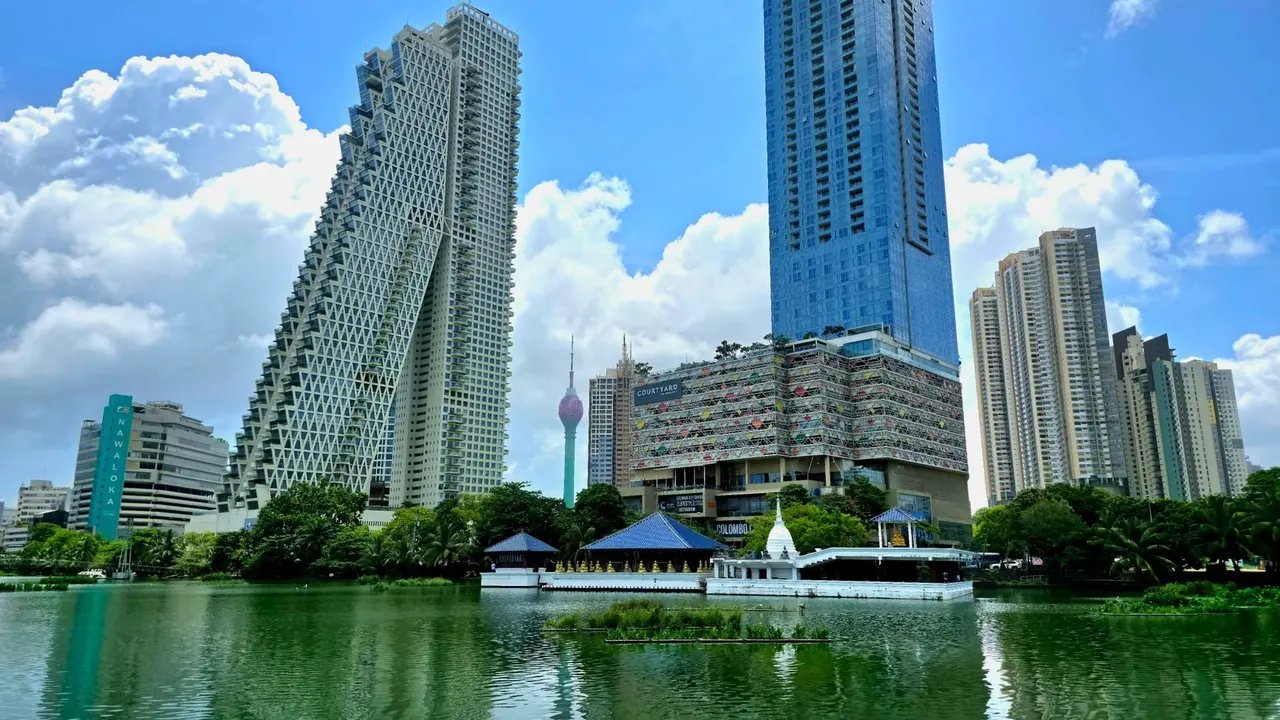
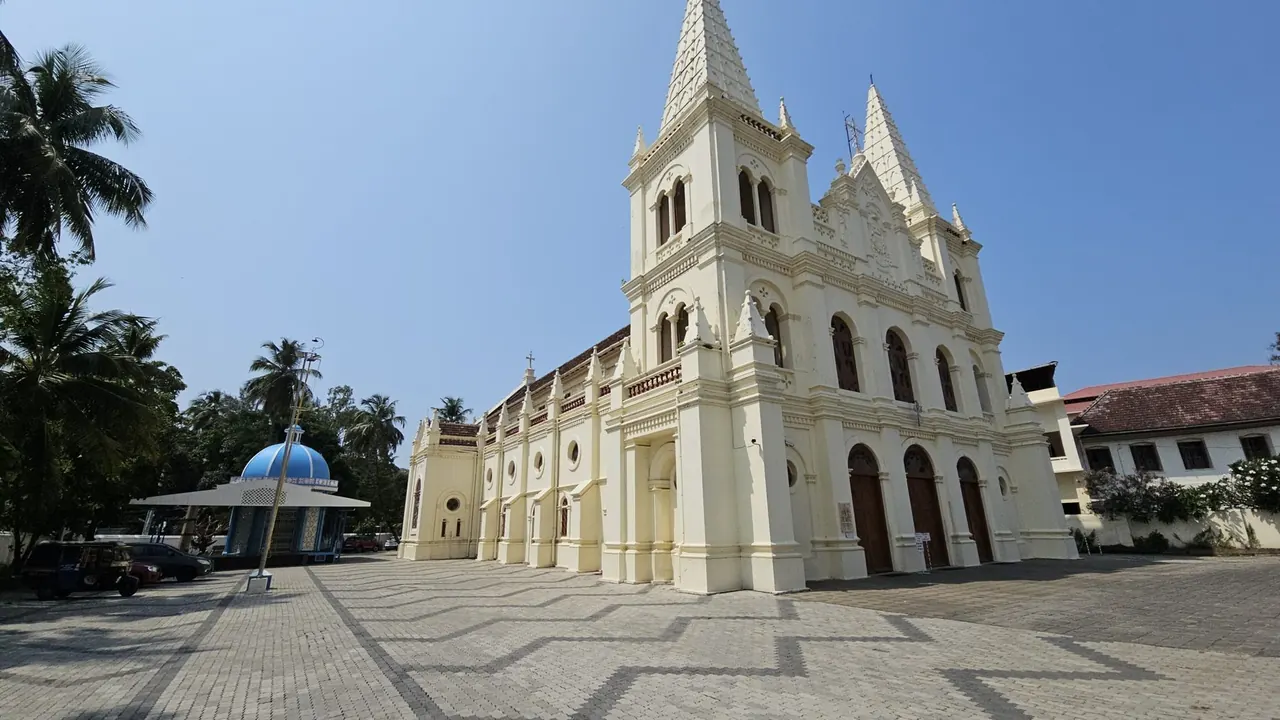
Photos: Colombo by Mohamed Ansaf, Pexels License; Kochi by Vis M, CC BY-SA 4.0, cropped.
Colombo or Kochi?
Our verdict in twelve categories, each scored against the same fixed benchmark cities, and the climate month by month, so you can choose for your trip.
Choose Colombo for
- beaches
- nightlife
Colombo suits a traveller who wants the sea within easy reach and a few evenings out. Mount Lavinia lies at the city's southern edge, and the coastal railway runs down to Galle and the beaches beyond. The rooftop lounges and weekend clubs give it more of a night than anywhere in Kerala. It also works as the first stop on a longer trip around Sri Lanka.
Choose Kochi for
- nature and the outdoors
- wellness
- culture and sights
Kochi is the better pick for a slower, cheaper trip built around history and water. Fort Kochi and Mattancherry hold centuries of spice-trade heritage in a small area you can walk. Boats take you through the canals and lagoons, Kathakali is staged every evening, and Ayurveda here is practised in its home state. The price is very quiet nights, as alcohol is hard to come by.
Scoreboard
Twelve categories on one fixed scale from 0 to 100. The shaded stretch is the gap between the two.
Your match
Pick a travel style or drag the sliders, and both match scores follow your weighting.
Wins on beaches and nightlife with your weighting.
Wins on nature and the outdoors and wellness with your weighting.
What matters to you?
Category by category
What the scores mean for a trip.
Beaches & swimming
Neither city is a beach resort, but Colombo puts usable sand much closer. Mount Lavinia is a broad beach within the city, and Negombo offers a longer hotel strip an hour north. The calm season on the west coast runs from about December to April.
In Kochi, the shore at Fort Kochi is for watching the fishing nets, not for swimming. The nearest proper beach is Cherai on Vypeen island, a palm-lined strip with a lagoon behind it, about an hour away by road. At both cities, open surf and monsoon currents make the sea unsafe for part of the year.
Food & drink
The two eat equally well, and both cooking traditions rest on rice, coconut and seafood. Colombo has hoppers in the evening, the clatter of kottu after dark, lamprais from the Dutch Burgher kitchen, and short eats in the bakeries. It is also easier to have a drink with dinner, whether arrack, toddy or a cocktail.
Kochi's Kerala cooking leans on curry leaf, black pepper and tamarind. Breakfast is appam with stew, lunch is a banana-leaf meal, and pearl spot fish comes fried in a leaf wrap. The Syrian Christian beef fry and duck roast are specialities of the city. The toddy shops by the backwaters are the main exception to the state's tight limits on alcohol.
Culture & sights
Kochi has more to see, and it is all close together. St Francis Church, Santa Cruz Basilica, the tiled Paradesi Synagogue and the murals of Mattancherry Palace are all within a short walk in Fort Kochi and Mattancherry. When the Biennale is held, it fills the old spice warehouses with contemporary art.
Colombo is a port city where the sights are more scattered. Its strength is the National Museum, a larger collection than anything in Kochi, along with the striped Jami Ul-Alfar mosque in Pettah and Bawa's Seema Malaka on Beira Lake. It fills a day or two, while Kochi rewards two or three unhurried days.
Nightlife
Colombo has the only real night out of the two, though it is limited. Rooftop lounges look over the ocean, a few clubs in Colombo 3 and around Galle Face fill up at weekends, and the casinos stay open late. Bars close on Poya full-moon days.
Kochi barely has a night scene. Kerala's alcohol rules leave a few hotel bars and licensed lounges in Ernakulam, so an evening there means a waterfront sunset, a long dinner and bed.
Nature & outdoors
Kochi is built on water, which gives it much more to do outdoors. Kayaks and country boats travel the canals of Kumbalangi and the villages around Vembanad Lake, and Mangalavanam's mangroves sit inside the city. The Thattekad bird sanctuary and Athirappilly falls are both about an hour and a half away.
Colombo is flat and built up. Its green space comes down to Viharamahadevi Park, the wetland parks at Diyasaru and Beddagana for birdwatching, and boat trips on the Muthurajawela marsh. The rainforest and tea hills are a long drive away.
Day trips
Colombo's day trips centre on one standout, while Kochi spreads its outings across several smaller places. The standout is Galle, a walled Dutch fort town about two hours south by expressway or the coastal railway. The Bawa gardens near Bentota and the mask carvers of Ambalangoda are on the way, and Negombo's canal and fish markets make a shorter outing to the north.
Kochi has nothing as famous as Galle, but it has more modest trips within a couple of hours. A day on the backwaters starts from Alappuzha. The Muziris sites around Kodungallur trace a port that once traded with Rome, and Thrissur is built around the great Vadakkunnathan temple. The roads are congested, so allow more time than the distance suggests.
Good for families
Both cities welcome children warmly, but neither has much built for them. Heat, missing pavements and heavy traffic affect both. In Colombo, the outings are the Dehiwala zoo, kites on Galle Face Green in the evening and a train ride along the coast. The sea at the city beaches is often too rough for small children.
Kochi's strengths are its slow old quarter, ferry rides and watching the fishing nets being hauled in, plus a water park on the city's eastern edge. Parents should take extra care with food and water there.
Getting around
Kochi is easier to get around. Ferries and the water metro link Fort Kochi with Ernakulam, a metro line runs through the commercial side, and the flat old quarter is easy to walk or cycle.
Colombo has no metro. Visitors rely on tuk-tuks and cars booked by app, which get stuck on Galle Road at peak hours. The coastal railway is the pleasant exception, and walking only works in a few areas such as Galle Face and Beira Lake.
Shopping & style
The two are level for shopping, but you would buy different things in each. Colombo pairs the dense trade streets of Pettah with design-led stores in Colombo 3 and 7. These sell handloom cotton, batik and Sri Lankan fashion, some of them from old colonial villas. Tea and gems are the classic purchases.
Kochi's best buys are older and earthier. Jew Town's warehouses are full of antiques and reproductions, merchants sell pepper and cardamom by the sack, and kasavu handloom is the craft to look for. For international brands, Kochi's large mall outdoes anything in Colombo.
Affordability
Both are inexpensive, but Kochi goes further. Fort Kochi homestays, banana-leaf meals and ferry crossings cost very little, and most sights are free or nearly so. The big costs are heritage hotels, private houseboats and long Ayurveda courses, all of them optional.
Colombo is the priciest place in Sri Lanka. The seafront hotels, rooftop bars and upscale seafood restaurants charge close to international rates, though eating where the locals eat keeps costs down.
Live music & performing arts
Kochi has the more reliable evening of performance. Small Fort Kochi theatres stage shortened Kathakali every night, and you can arrive early to watch the make-up being applied. Mohiniyattam dance and Kalaripayattu martial art often appear on the same bill.
Colombo has bigger stages, the lotus-shaped Nelum Pokuna and the Lionel Wendt, and an orchestra that gives occasional concerts. Even so, its programme is thin. Kandyan dance is easiest to catch at festivals and shows put on for visitors.
Wellness & relaxation
Ayurveda is practised in both, but Kochi is the place to take it seriously. Kerala is its home, and clinics and heritage hotels run doctor-led courses lasting one to three weeks. Fort Kochi's shaded courtyards make the setting calm.
Colombo offers good single treatments, such as shirodhara or a herbal steam bath, along with conventional hotel spas. The city itself is noisy, though, and long programmes mean moving down the coast to Beruwala or Bentota.
When should you go?
Pick your month. The climate figures are measured averages, not a forecast.
Colombo in July
Kochi in July
Daytime high, °C
Rainfall in the month, mm
Where the figures come from
Kochi has no weather station within reach, so its figures come from a gridded climate model rather than a measured record, and read a broad area rather than the city itself.
Temperature and rainfall are climate normals, averaged over the years shown. Colombo: 1991-2020 normals, Colombo (3 km from centre). Kochi: 2001-2020 normals, NASA POWER reanalysis grid, no weather station within 90 km.
Both cities are hot all year, and the sea stays warm in every month, so the rain decides the timing. Colombo's best stretch is January to March, the driest and sunniest months, with only about 76mm of rain in February and a calm west coast for swimming. Colombo gets two wet seasons. The first runs from April into June and the second from September to November, peaking at around 349mm in October. Daytime heat barely changes through the year.
Kochi has one longer and sharper dry season, from December to March, with just 13mm of rain in January. By February and March, though, the afternoons reach 33°C and walking the old quarter becomes a morning and evening job. The monsoon arrives in force from June, when about 494mm falls, and lasts until October. Those months are slightly cooler, turn the countryside green and suit Ayurveda, but they rule out the beach.
Which traveller are you?
On a beach and sun trip, Colombo is the stronger choice. Mount Lavinia is on the city's edge, Negombo is an hour north, and the coastal railway leads to Bentota. Kochi's nearest swimming beach is Cherai, a road trip away.
For a culture and arts trip, Kochi gives more. You can walk between St Francis Church, the Paradesi Synagogue and the murals of Mattancherry Palace, and Kathakali is performed every evening. Colombo has the stronger single museum but fewer sights around it.
On a relaxing and wellness trip, Kochi is the clear pick. Kerala is the home of Ayurveda, doctor-led courses run for weeks, and Fort Kochi's shaded lanes are calm. Colombo has good clinics, but the city's traffic and noise work against rest.
Before you go
| Measure | Colombo | Kochi |
|---|---|---|
| Official language | Tamil, Sinhala | Hindi, English |
| Currency | Sri Lanka Rupee (LKR) | Indian Rupee (INR) |
| Sockets | GM230 V, 50 Hz | CM230 V, 50 Hz |
| Driving side | Left | Left |
| Time zone | UTC+5:30 | UTC+5:30 |
| Emergency number | Police 119, ambulance 110, fire 110 | 108 or 112 |
| Elevation | 1 m | 0 m |
| Main airport | Bandaranaike International Colombo Airport (CMB)28 km from centre56 non-stop destinations | Cochin International Airport (COK)24 km from centre36 non-stop destinations |
By the numbers
| Measure | Colombo | Kochi |
|---|---|---|
| City population | 647,557 | 677,381 |
| People per km² | 17,361 | 7,138 |
| Museums within 10 km | 10 | 4 |
| UNESCO World Heritage sites within 50 km | 0 | 0 |
| Swim season, months above 21 °C | 12 months | 12 months |
Where else could you go?
Every comparison below shares a destination with this one, so you can follow Colombo or Kochi somewhere new.