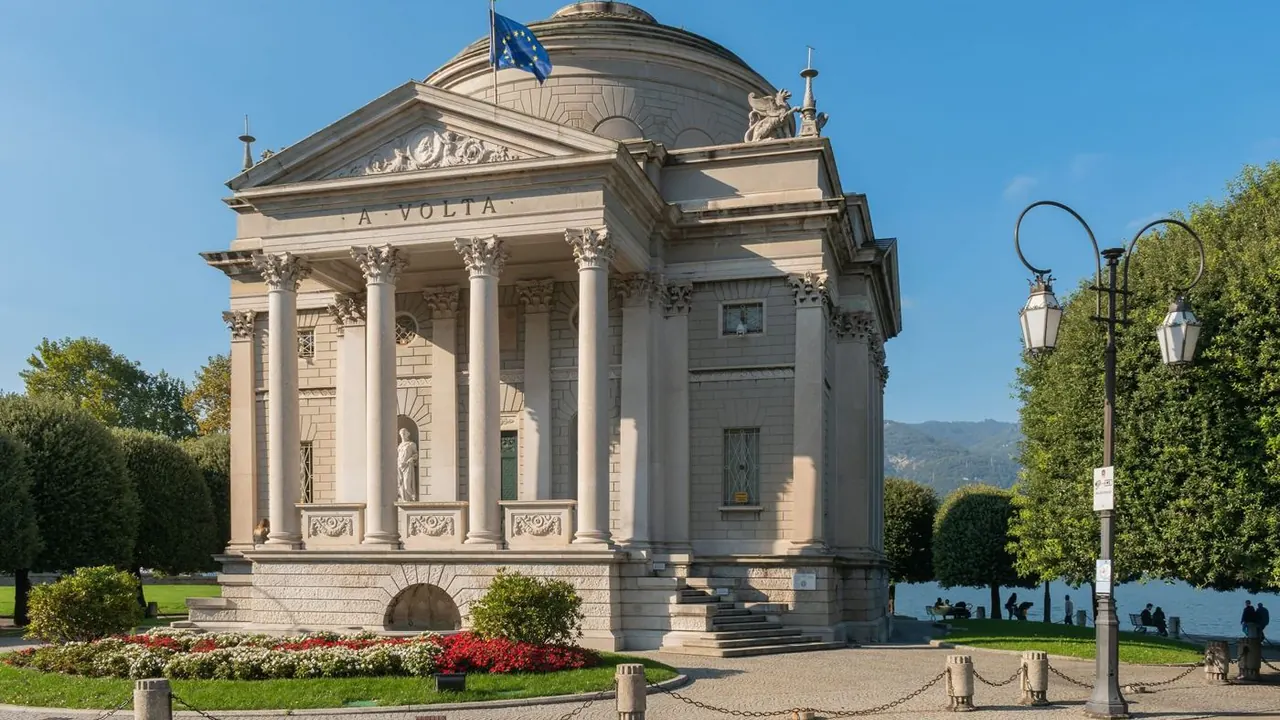
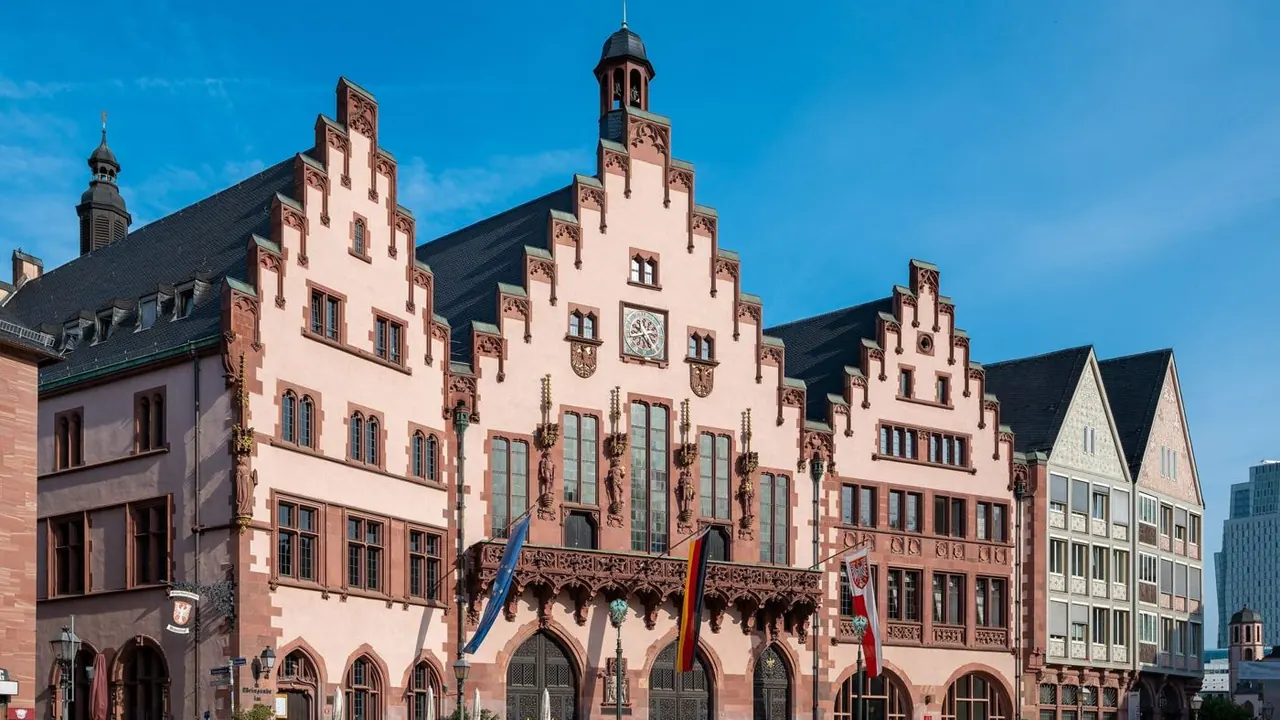
Photos: Como by Krzysztof Golik, CC BY-SA 4.0, cropped; Frankfurt by Thomas Wolf, CC BY-SA 3.0 DE, cropped.
Como or Frankfurt?
Our verdict in twelve categories, each scored against the same fixed benchmark cities, and the climate month by month, so you can choose for your trip.
Choose Como for
- beaches
- nature and the outdoors
- day trips
Como suits travellers who want scenery more than a city. The lake and its mountains are the whole point: ferries to the villa gardens, a funicular to the ridge trails, quiet evenings that end after dinner. It fits a slow couple's stay or an active walking and cycling trip, provided you accept high prices on the water and very little to do after dark.
Choose Frankfurt for
- live music and the arts
- nightlife
- families
Frankfurt is the stronger pick for a varied city trip. It has a riverside row of serious museums, a respected opera house and concert hall, a real weekend club scene and more varied eating. It is also easier with children and simpler to get around. Its landscape is gentle rather than dramatic, but the rail network puts the Rhine, Heidelberg and Cologne within easy reach.
Scoreboard
Twelve categories on one fixed scale from 0 to 100. The shaded stretch is the gap between the two.
Your match
Pick a travel style or drag the sliders, and both match scores follow your weighting.
Wins on beaches and nature and the outdoors with your weighting.
Wins on live music and the arts and nightlife with your weighting.
What matters to you?
Category by category
What the scores mean for a trip.
Beaches & swimming
Neither is a beach destination, but Como at least has water to swim in. From June to early September you can use the lido by Villa Olmo, with its lawns and pontoons, or take a ferry to the pebble strands and jetties of Moltrasio and the Tremezzina. A swim fits easily into a summer day there.
Frankfurt has no shore of its own, and the Main is for sitting beside rather than swimming in. A summer swim means an outdoor pool or a forest lake such as the Langener Waldsee, which does have sand, but that is a half-day outing from the city.
Food & drink
Como cooks from the lake and the mountains: perch risotto, sun-dried shad, polenta with game or valley cheese. The aperitivo on the squares by the cathedral is a pleasure, but the range is provincial, and the terraces on the water charge for the view.
Frankfurt gives you more to work with. Its own Hessian repertoire is small, mainly Grüne Soße and Handkäs eaten at shared tables over Apfelwein. Around that come the Kleinmarkthalle, strong Turkish, Italian and Asian kitchens and cheap eating in the Bahnhofsviertel, so a week of meals stays varied in a way Como's cannot.
Culture & sights
Como's sights are few but fine. There is the marble cathedral, the Romanesque masonry of San Fedele and Sant'Abbondio, and Terragni's Casa del Fascio, a pilgrimage site for architects. Add the Volta temple and the silk museum and you have a good single day.
Frankfurt has more to fill a stay. The Museumsufer lines both banks of the Main with more than a dozen institutions, led by the Städel's old masters, and the Senckenberg is one of Germany's great natural history collections. The old centre around the Römer and the Paulskirche is largely rebuilt after 1944, so the appeal lies in the collections and the skyline rather than in an intact medieval town.
Nightlife
Como's evening is the aperitivo, a long dinner and a stroll on the lakefront. A few wine and cocktail bars around Piazza Duomo stay open a while, but there are no clubs, and young locals head to Milan for a big night.
Frankfurt has a real night out, at least from Friday to Saturday. It shares a techno and house heritage with Offenbach and still has a small, serious club scene. On top of that come the rough-edged cocktail bars of the Bahnhofsviertel, rowdy cider pubs in Alt-Sachsenhausen and easy-going bars along Berger Straße. Early in the week it is quiet.
Nature & outdoors
Here Como is far ahead. Its glacial lake is boxed in by steep mountains, and the funicular lifts you from the waterfront to Brunate in minutes, with ridge paths running on to the Volta lighthouse. Monte Bisbino looks out to the Alps, and the water adds kayaking, sailing and paddling.
Frankfurt's outdoors is pleasant but mild. The Taunus beech forests rise to about 880m on the Großer Feldberg, the Stadtwald is a huge forest inside the city, and flat cycle paths follow the Main. The Rheingau vineyards are the scenic highlight, and the region as a whole suits easy walking and cycling rather than mountain days.
Day trips
Both are excellent bases, but the trips feel very different. From Como you travel mostly by boat, up the lake to Bellagio, Varenna and the gardens of Villa Carlotta and Balbianello. By train you reach Milan's Last Supper in about forty minutes, as well as Lugano across the Swiss border and Bergamo's upper town, so two countries and several lakes are within reach.
Frankfurt's outings run on fast trains. Heidelberg's castle, the castle-lined Rhine Gorge and Cologne Cathedral are each about an hour away, Würzburg's Residenz a little more, and Mainz and Wiesbaden are closer still. The imperial cathedrals of Speyer and Worms and Marburg's hillside old town add to the list. Como is the base for gardens and water, Frankfurt for historic towns.
Good for families
Frankfurt is the easier place with children. The Senckenberg's dinosaur hall, a central zoo and the Palmengarten's glasshouses fill several days, and trams and the S-Bahn take pushchairs without fuss. The Kronberg wildlife park is also easy to reach.
Como is calm and safe, and children enjoy the ferries, the funicular and a paddle at the lido. Past that, little is aimed at them, with no zoo, aquarium or theme park nearby, so it works best as a slow stay built around outdoor days.
Getting around
Both centres are compact and flat enough to walk. The difference lies beyond them. Frankfurt's U-Bahn, S-Bahn, trams and buses form one regional network that reaches the Taunus, Mainz and Wiesbaden, the airport is about a quarter of an hour from the centre by rail, and you never need a car.
Como links well to Milan and Lugano by train, but moving along the lake is slow. The ferries are lovely and reach every village, yet the slow boats take a long time to get far, and the narrow shore roads clog in summer with little parking in town.
Shopping & style
Como has one thing worth buying: silk. Scarves, ties and fabric come from old-town specialists and from mill outlets that supply the fashion houses. The boutiques along Via Vittorio Emanuele II are a short run, though, and serious fashion shopping means going to Milan.
Frankfurt has no speciality but much more range. There are department stores and malls on the Zeil, luxury houses on Goethestraße, and independent design shops and delis on Berger Straße and Schweizer Straße, with a Saturday flea market on the Main bank on top.
Affordability
Neither is cheap, but Frankfurt is the more manageable of the two. Its high prices come from business hotels and trade fairs, so weekends and summer often bring rooms down, and cider taverns, Turkish grills and market stalls keep meals inexpensive.
Como's costs follow the luxury lake crowd and peak in July and August, exactly when most people want to go. Rooms back from the water and trattorias in the hills help, as do cheap trains and ferries, but a summer stay on the shore costs far more than a summer weekend in Frankfurt.
Live music & performing arts
Frankfurt has a full performing arts calendar. Its opera company is one of Germany's most respected and known for bold staging, and the Alte Oper hosts the radio symphony orchestra and touring ensembles. Add serious drama at the Schauspiel, contemporary dance at Mousonturm and cellar jazz clubs with a post-war history. The main season runs from autumn to early summer.
Como offers a respectable provincial programme at the neoclassical Teatro Sociale, plus summer evenings at the open-air Arena and chamber music in Romanesque churches and lakeside villas. Those settings are charming, but on many nights nothing is on, and La Scala is the real draw nearby.
Wellness & relaxation
Neither city has a bathing tradition of its own, but Frankfurt has real spa towns close by. Bad Homburg's thermal complex sits at the foot of the Taunus, and Wiesbaden's Art Nouveau Kaiser-Friedrich-Therme is fed by hot springs, so taking the waters is an easy day out.
Como offers calm rather than treatments. Its spas are mostly inside the grand villa hotels, and what restores you is the setting: still water, gardens and slow ferry rides. That works best in spring or autumn, before or after the summer crowds.
When should you go?
Pick your month. The climate figures are measured averages, not a forecast.
Como in July
Frankfurt in July
Daytime high, °C
Rainfall in the month, mm
Temperature and rainfall are climate normals, averaged over the years shown. Como: 1991-2020 normals, Lugano (23 km from centre). Frankfurt: 1991-2020 normals, Frankfurt Westend (2 km from centre).
The two have similar temperatures, with Como running a degree or so warmer and peaking at about 27°C in July and August. That makes June to August the window for a lake swim. Both are comfortable for walking the streets from May to September, and both are cold from November to February. The big difference is rain. Como is wet from April right through November, with May the wettest month at around 178mm, so spring and autumn walks there need some flexibility. Frankfurt stays much drier all year, never much above 68mm in a month, which makes it the more dependable choice for sightseeing in shoulder seasons.
Winter goes the other way. Frankfurt's winters are very dull, with only about 37 hours of sunshine in December against roughly 104 in Como. A cold, clear day by the lake is far more likely than a bright one on the Main.
Which traveller are you?
On an outdoors trip, Como is the clear choice. Steep wooded slopes rise straight from the water, with ridge trails from Brunate, the Via dei Monti Lariani, kayaking and paddling on the lake, and the classic road climb to Madonna del Ghisallo.
For a food and nightlife trip, Frankfurt wins comfortably. Apple-wine taverns in Sachsenhausen, cheap global eating in the Bahnhofsviertel and a serious techno and house scene at weekends add up to far more than Como's aperitivo and early nights.
On a culture and arts trip, Frankfurt offers more days of material. The Museumsufer with the Städel and the Schirn, an adventurous opera company and the Alte Oper's concerts outweigh Como's handsome but compact old town, which most visitors cover in a day.
Before you go
| Measure | Como | Frankfurt |
|---|---|---|
| Official language | Italian | German |
| Currency | Euro (EUR) | Euro (EUR) |
| Sockets | CFL230 V, 50 Hz | CF230 V, 50 Hz |
| Driving side | Right | Right |
| Time zone | UTC+1, UTC+2 in summer | UTC+1, UTC+2 in summer |
| Emergency number | 112 | 112 |
| Elevation | 201 m | 101 m |
| Main airport | Milan Malpensa International Airport (MXP)34 km from centre208 non-stop destinations | Frankfurt Main Airport (FRA)13 km from centre281 non-stop destinations |
| Public holidays this year | 13 days | 10 days |
By the numbers
| Measure | Como | Frankfurt |
|---|---|---|
| City population | 83,184 | 760,656 |
| People per km² | 2,242 | 3,063 |
| Museums within 10 km | 11 | 53 |
| UNESCO World Heritage sites within 50 km | 8 | 4 |
Where else could you go?
Every comparison below shares a destination with this one, so you can follow Como or Frankfurt somewhere new.