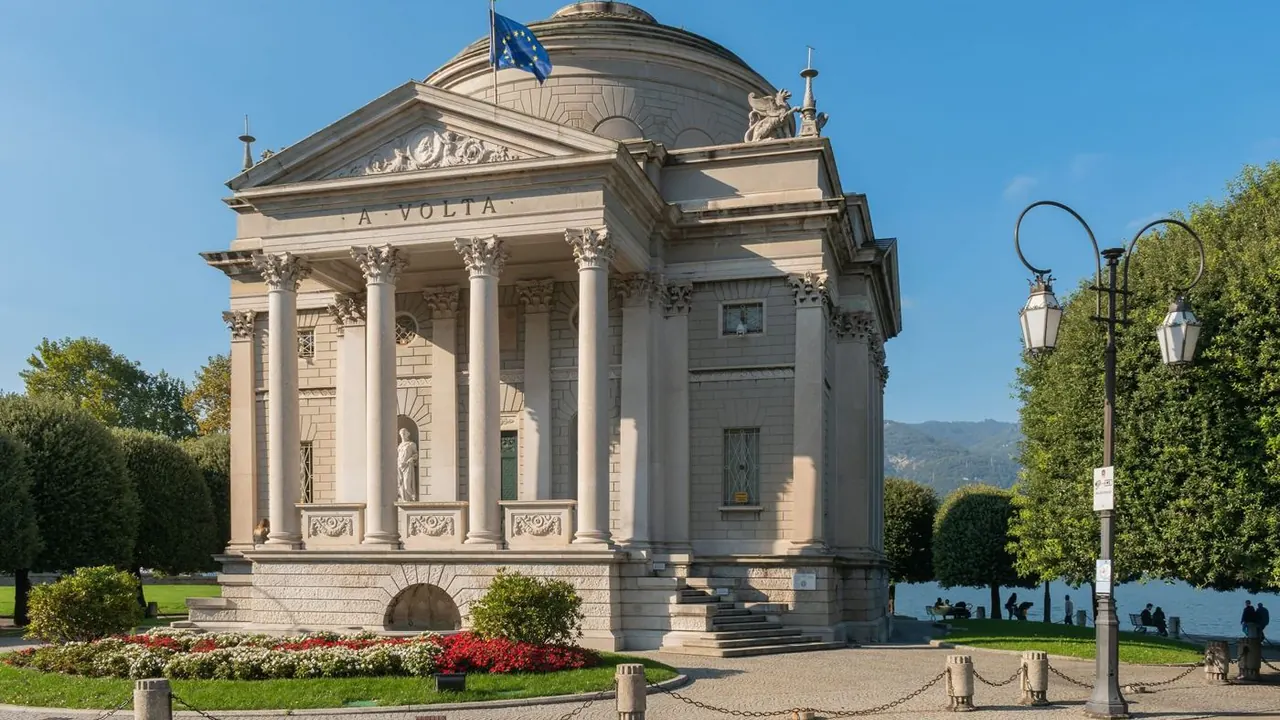
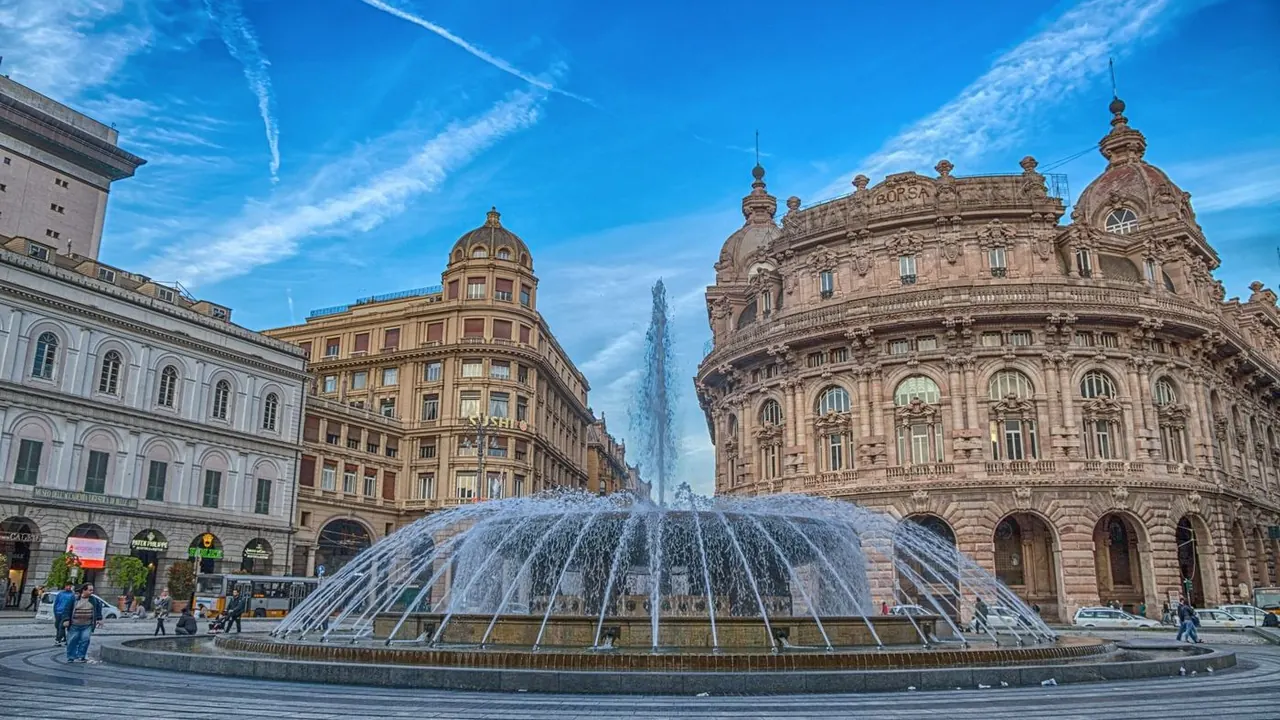
Photos: Como by Krzysztof Golik, CC BY-SA 4.0, cropped; Genoa by Faber1893, CC BY-SA 4.0, cropped.
Como or Genoa?
Our verdict in twelve categories, each scored against the same fixed benchmark cities, and the climate month by month, so you can choose for your trip.
Choose Como for
- wellness
- nature and the outdoors
- day trips
Como suits the traveller who wants scenery and calm more than a busy city. You stay at the foot of a mountain-framed lake, take ferries to Bellagio and the villa gardens of Tremezzo, ride the funicular to Brunate for ridge walks, and finish the evening early over dinner. It works best for a slow, restorative stay or a walking trip. Expect to pay well for it, and don't come for food, nightlife or museums.
Choose Genoa for
- food and drink
- beaches
- prices
Genoa gives more city for the money. The medieval caruggi and the Rolli palaces offer days of exploring, the food is some of the most distinctive in Italy, and the sea is within reach for an afternoon swim, with the Riviera villages a train ride along the coast. Families, food lovers, budget travellers and anyone who wants culture alongside the coast will find it the stronger choice. The trade-off is a city of steep lanes, port traffic and noise, not lakeside quiet.
Scoreboard
Twelve categories on one fixed scale from 0 to 100. The shaded stretch is the gap between the two.
Your match
Pick a travel style or drag the sliders, and both match scores follow your weighting.
Wins on wellness and nature and the outdoors with your weighting.
Wins on food and drink and beaches with your weighting.
What matters to you?
Category by category
What the scores mean for a trip.
Beaches & swimming
Genoa has real sea swimming on its doorstep. There is the pebble cove at Boccadasse, bathing platforms along the Corso Italia and the rocks below Nervi's promenade, all in clear, warm water. A short train ride takes you to Camogli, Sestri Levante's twin bays or the sandier shore at Varazze. Space is mostly rented loungers and weekends are crowded, but you can swim most afternoons.
Como offers a lake dip, not a beach. You swim from lawns and pontoons at lidos such as the one by Villa Olmo, or from small pebble strands up the lake at Moltrasio and the Tremezzina. The water is cooler, the season is shorter and there is very little sand.
Food & drink
Genoa is the more rewarding place to eat. This is the home of pesto, and the old town still has friggitorie selling farinata, panissa and fried fish by the slice. The Mercato Orientale shows off Ligurian produce, and the coast supplies the seafood and Vermentino.
Como's cooking is lake and mountain food: risotto with perch, sun-dried missoltini, polenta with valley cheeses. Aperitivo near the cathedral is a pleasant ritual, but the range is narrow. The lakefront terraces trade on the view, so the better meals are up the lake or in the hills.
Culture & sights
Genoa has far more to see. Its medieval caruggi make up one of Europe's largest old quarters. Above them, the UNESCO-listed palaces of Via Garibaldi and Via Balbi hold Van Dyck and Rubens in painted halls, and the Staglieno cemetery's marble sculpture is extraordinary. It easily fills several days.
Como's sights are fewer but fine: the marble cathedral, the Romanesque churches of San Fedele and Sant'Abbondio, and Terragni's Casa del Fascio, which architects travel to see. The Volta temple and the silk museum complete a day's sightseeing.
Nightlife
Neither is a party city, but Genoa at least has some life after dinner. Students fill the small bars around Piazza delle Erbe and the university until late at weekends, and in summer the crowd moves to the Foce waterfront and the beach clubs.
In Como the evening is aperitivo, a long dinner and a stroll by the lake. A few bars near Piazza Duomo stay open a while, and young locals who want more take the train to Milan.
Nature & outdoors
Both are excellent bases for the outdoors, set in very different landscapes. Como gives you a steep glacial lake under wooded mountains. The funicular takes you to Brunate's ridge paths, the Via dei Monti Lariani crosses the slopes above the western shore, and road cyclists climb to the Madonna del Ghisallo. Kayaks and paddleboards make the most of the calm water.
Genoa's landscape is sea and hills. A funicular reaches the ring of fortresses above the port, and the cliff paths of the Portofino promontory and the Cinque Terre terraces are a train ride away. Boats go out to watch whales and dolphins in the Pelagos Sanctuary, and the coast is good for diving.
Day trips
Both have a long list of trips. Como's are by boat: hydrofoils to Bellagio and Varenna, and the gardens of Villa Carlotta and Villa del Balbianello at Tremezzo. Milan is close enough for a half-day, and Switzerland's Lugano is nearer still.
Genoa's are by coastal train, along a string of famous seaside villages: Camogli, Portofino, Sestri Levante and the Cinque Terre to the east, and the quieter Finale Ligure Borgo and Noli to the west. Milan and Turin are full days out from Genoa, not half-days.
Good for families
Genoa gives children more to do. Its Porto Antico gathers one of Europe's largest aquariums, a children's science centre, the tropical biosphere and a walk-through submarine at the Galata museum. The catch is the old town's steep, dark lanes and endless stairs, which are hard with a pushchair.
Como is gentler and easier with small children, with the flat lakefront promenade, the Villa Olmo gardens, boat rides and the Brunate funicular. Once those are done, little is aimed at children, so it suits a slow family stay with outdoor days.
Getting around
Each is easy in its own way, and each has a weak point. Como's old town and lakefront are flat and compact, and trains reach Milan and Lugano quickly. Moving around the lake is the slow part, by unhurried ferry or on narrow shore roads that clog in summer.
Genoa's centre is walkable but steep and maze-like. Funiculars, public lifts and a single metro line help you up the hills and along the valley. The coastal railway is its best asset, reaching Nervi and the Riviera towns without a car.
Shopping & style
Como is a one-subject shopping town, and the subject is silk. The mills that weave for the big fashion houses sell scarves, ties and lengths of fabric through outlets on the edge of the city, and specialist shops in the old town carry the same, so it is a good place to buy a quality gift. Past that the choice is thin: a few streets of Italian clothes and shoes, a weekend crafts and antiques market by the walls, and a train to Milan for anything more.
Genoa gives you more to browse, though it isn't a shopping destination either. The long arcades of Via XX Settembre make a proper main street, with the smarter labels on Via Roma and in the Galleria Mazzini. The old town adds what Como lacks: Ligurian food to take home from long-standing shops and the Mercato Orientale, and handmade silver filigree and coral. Its weak point is depth, with no real luxury or design scene.
Affordability
Genoa is clearly kinder to the wallet. A slab of focaccia or farinata makes a cheap lunch, central hotels are reasonable for Italy, and the lifts and funiculars cost little. Costs rise in the Riviera resorts and with rented loungers on beach days.
Como attracts an international luxury crowd, and lakeside hotels and villa rentals in July and August are expensive. To keep costs down, stay back from the water, eat in old town trattorias and travel by train and ferry, which stay cheap. Spring and autumn are noticeably cheaper.
Live music & performing arts
Genoa has more of an evening programme. The Teatro Carlo Felice on Piazza De Ferrari stages opera, ballet and symphony concerts, and the Teatro Nazionale is a leading Italian drama company, though its plays are in Italian. The city also holds Paganini concerts and keeps its singer-songwriter tradition alive in small clubs.
Como's Teatro Sociale is a handsome early nineteenth-century opera house, and in summer performances move outdoors to its Arena. Chamber concerts in villas and Romanesque churches have lovely settings, but most nights are quiet, and La Scala is a short train ride away in Milan.
Wellness & relaxation
Como is the more restorative place to stay. Neither city has a bathing tradition, but Como's still water, shoreline gardens, slow ferries and early evenings do the work, and the grand villa hotels have proper spas. Spring and autumn are calmest.
Genoa's centre is too busy and noisy to unwind in. You find quiet in Nervi's promenade and villa gardens or over long lunches in the Riviera villages. Genoa does have the one thermal option of the pair, at Acqui Terme, a little over an hour away.
When should you go?
Pick your month. The climate figures are measured averages, not a forecast.
Como in July
Genoa in July
Daytime high, °C
Rainfall in the month, mm
Where the figures come from
Genoa has no rain gauge within 25 km of the centre, so its rainfall comes from a gridded climate dataset read at the city rather than from a gauge further away.
Genoa's sunshine is measured 80 km from the centre, at Capo Mele.
Temperature and rainfall are climate normals, averaged over the years shown. Como: 1991-2020 normals, Lugano (23 km from centre). Genoa: 1991-2020 normals, Genova / Sestri (6.7 km from centre).
The two climates part ways in summer. Genoa's summer is dry and sunny, with only 27mm of rain in July and the sea at about 25°C in August, so June to September is a proper swimming season. Como is about as warm, with highs around 27°C, and its lidos are pleasant from June to early September. But the lake is far wetter, with heavy rain on and off from April to November and a peak of 178mm in May, so a summer stay there has more cloud and showers.
Genoa's rain comes in autumn, building to 195mm in November, but its winters stay mild enough for walking the old town in comfort. Como's driest months are midwinter, and they are also its coldest, so the streets and ridge paths feel raw then. For Como, late spring and early autumn are the best compromise for walking, with an umbrella packed. For Genoa, late spring and September are ideal for both the city and the coast.
Which traveller are you?
On a relaxing and wellness trip, Como is the easier place to slow down. Its sights fill a single day, the flat lakefront takes no effort, and the Greenway del Lago is a gentle walk between villages. In Genoa, the steep stairways and long list of palaces keep you busy.
For a food and nightlife trip, Como offers lake fish and a pleasant aperitivo, then little after dinner. Genoa has pesto, oily focaccia and harbour seafood, chickpea flatbread from the old shops, and student bars around Piazza delle Erbe that stay open late at weekends.
On a trip on a tight budget, Como is hard going. Lakeside rooms in July and August are expensive, even though trains and ferries stay cheap. Genoa goes much further, with street food by the slice, fairly priced central hotels and cheap public transport.
Before you go
| Measure | Como | Genoa |
|---|---|---|
| Official language | Italian | Italian |
| Currency | Euro (EUR) | Euro (EUR) |
| Sockets | CFL230 V, 50 Hz | CFL230 V, 50 Hz |
| Driving side | Right | Right |
| Time zone | UTC+1, UTC+2 in summer | UTC+1, UTC+2 in summer |
| Emergency number | 112 | 112 |
| Elevation | 201 m | 20 m |
| Main airport | Milan Malpensa International Airport (MXP)34 km from centre208 non-stop destinations | Genoa Cristoforo Colombo Airport (GOA)7 km from centre25 non-stop destinations |
| Public holidays this year | 13 days | 13 days |
By the numbers
| Measure | Como | Genoa |
|---|---|---|
| City population | 83,184 | 558,745 |
| People per km² | 2,242 | 2,325 |
| Museums within 10 km | 11 | 51 |
| UNESCO World Heritage sites within 50 km | 8 | 1 |
| Swim season, months above 21 °C | - | 4 months |
Where else could you go?
Every comparison below shares a destination with this one, so you can follow Como or Genoa somewhere new.