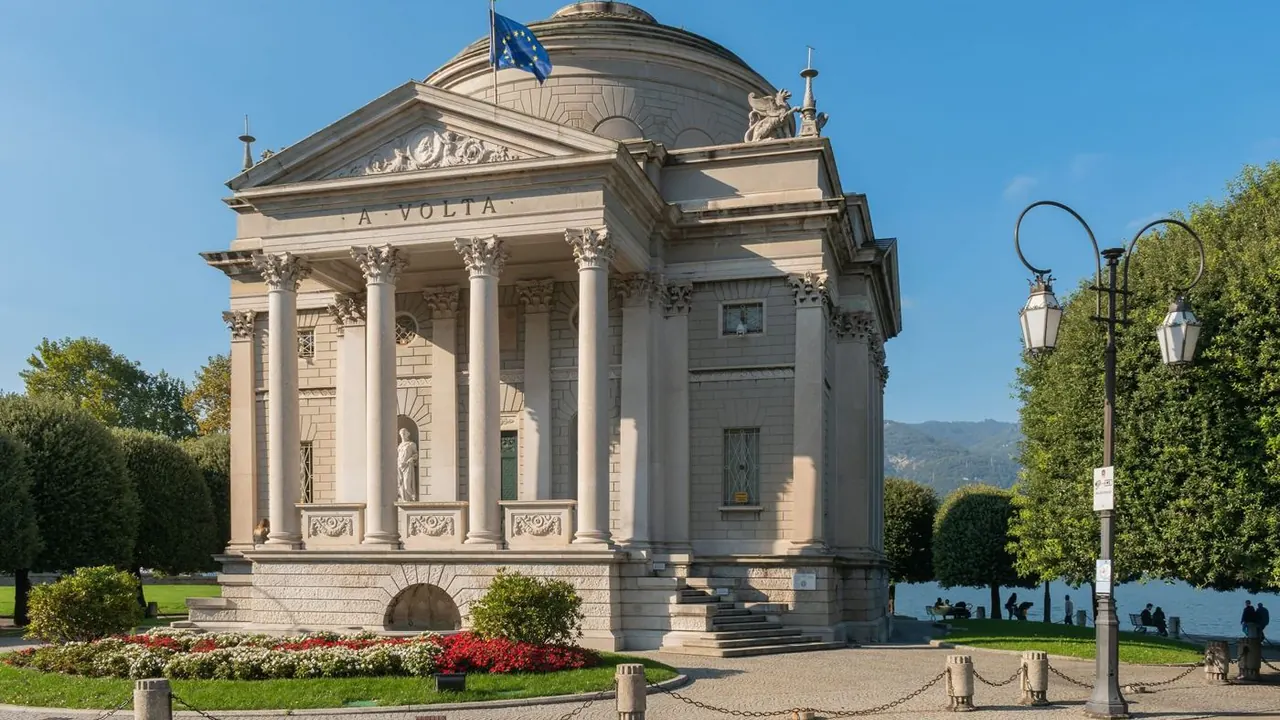
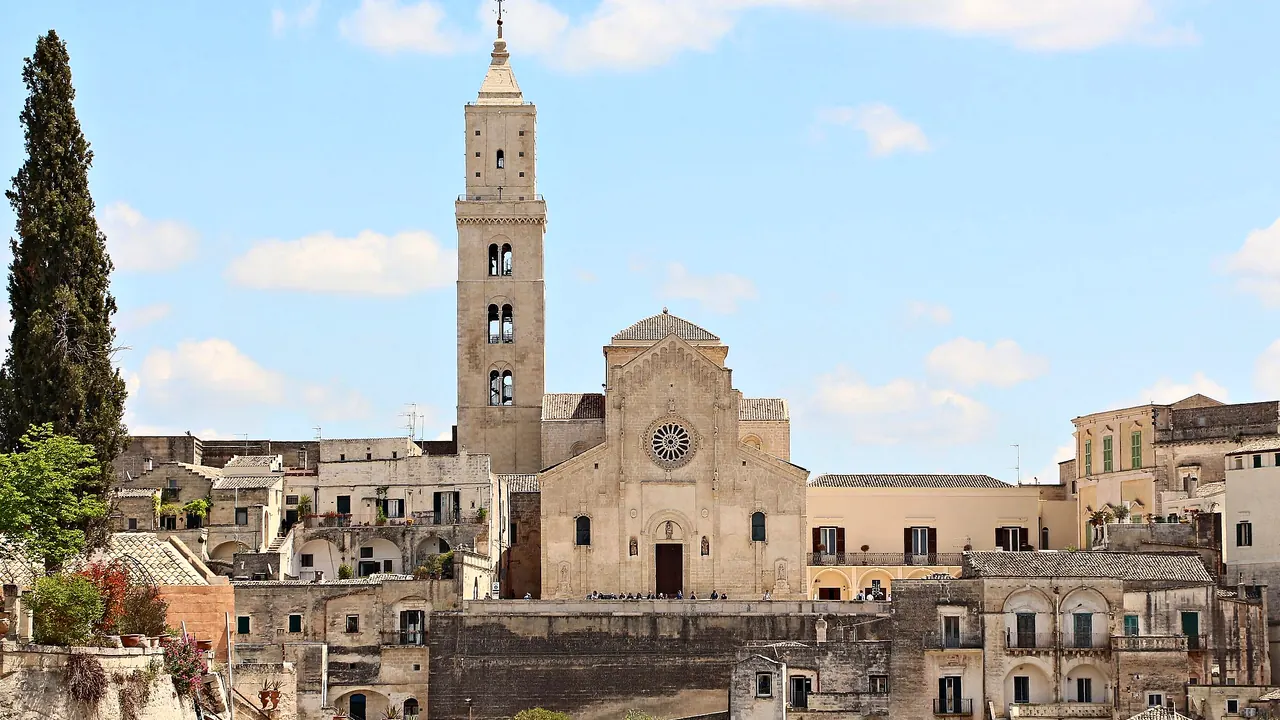
Photos: Como by Krzysztof Golik, CC BY-SA 4.0, cropped; Matera by Bernard Gagnon, CC BY 4.0, cropped.
Como or Matera?
Our verdict in twelve categories, each scored against the same fixed benchmark cities, and the climate month by month, so you can choose for your trip.
Choose Como for
- getting around
- nature and the outdoors
- families
Como suits travellers who want water, mountains and easy movement. The lake and its wooded slopes are on the doorstep, ferries carry you to Bellagio and the villa gardens, and trains put Milan and Lugano within a short ride, all without a car. It is the better pick for walkers, cyclists, families who like boats and funiculars, and anyone who wants a calm, polished base with plenty to fill the days, provided the budget can take lakeside prices.
Choose Matera for
- prices
- culture and sights
- food and drink
Matera is for people who travel to see something they have never seen before. The cave districts of the Sassi, the frescoed rock churches and the gorge below make a small town feel extraordinary, especially at dusk. Meals and rooms in the upper town cost less, and with a hire car the trulli, the white towns of Puglia and the Ionian sand all come within reach. It rewards a short, curious stay more than a long, easy one.
Scoreboard
Twelve categories on one fixed scale from 0 to 100. The shaded stretch is the gap between the two.
Your match
Pick a travel style or drag the sliders, and both match scores follow your weighting.
Wins on getting around and nature and the outdoors with your weighting.
Wins on prices and culture and sights with your weighting.
What matters to you?
Category by category
What the scores mean for a trip.
Beaches & swimming
Neither is a beach destination, but the swimming is very different. In Como you take a dip at a lido with lawns and pontoons, such as the one by Villa Olmo, or catch a ferry to the pebble jetties of Moltrasio and the Tremezzina, all within easy reach of town.
Matera has no water at all, but about 45 minutes away by car the Ionian coast at Metaponto and Policoro offers long sandy beaches with shallow, warmer water that suits children. The catch is that you need a car to get there, while Como's lake swims are a ferry ride or a walk away.
Food & drink
Both kitchens are regional and small-town, so the difference is in what lands on the plate. Como cooks from the lake and the Alpine valleys: perch risotto, sun-dried shad, polenta with game, and an aperitivo ritual on the squares around the cathedral, though lakefront terraces often charge for the view.
Matera's cooking is rustic southern peasant food built around its famous durum-wheat bread, with fava beans and chicory, hand-made cavatelli, crackling dried peppers and Aglianico to drink. Dining in a carved cave room in the Sassi is part of the appeal, but the upper town often feeds you better.
Culture & sights
Matera is in a different league here. The Sassi are a whole townscape of cave dwellings and stacked houses inhabited since prehistory, with rock churches such as Santa Maria de Idris holding medieval frescoes, furnished cave homes, MUSMA's sculpture in carved rooms and the vast cistern under the main piazza.
Como's sights are fewer and more conventional, though genuinely good: the marble cathedral, the Romanesque San Fedele and Sant'Abbondio, Terragni's Casa del Fascio for architecture lovers, and the Volta and silk museums. A day covers them, whereas Matera repays several days of wandering.
Nightlife
Both go quiet early and neither has clubs. Como's evenings are an aperitivo, dinner and a lakefront stroll, with Milan's nightlife a train ride away for anyone who wants more. Matera's best moments are a drink in a cave bar or on a terrace above the lit Sassi, with a small student crowd keeping things a little livelier in summer.
Nature & outdoors
Como has the bigger and more varied outdoors. A glacial lake hemmed in by steep forested mountains gives ridge walks from Brunate, the long Via dei Monti Lariani, Alpine views from Monte Bisbino, and water sports and serious road cycling on top.
Matera's landscape is starker and closer to hand: the Gravina gorge right below town and the stony Murgia plateau with Neolithic sites and abandoned rock churches. Its bigger scenery, the Lucanian Dolomites and the Pollino forests, needs a long drive, and summer heat on the plateau limits walking.
Day trips
Both are excellent bases, but Como's options are easier and grander. Ferries reach Bellagio, Varenna and the gardens of Villa Carlotta and Balbianello, while trains bring the Last Supper in Milan, Lugano and Bergamo within a morning, no car required.
Matera's list is strong too, with the trulli of Alberobello, the white towns of the Valle d'Itria, Castel del Monte and ghostly Craco all around an hour away. Almost every one of them needs a hire car, which makes the planning harder.
Good for families
Como is the easier family destination. Children like the ferries, the funicular and summer lidos, and the flat promenade and Villa Olmo gardens work well with a pushchair, even if little is built specially for kids.
Matera's steep, uneven stone steps make pushchairs useless and summer afternoons are hot and shadeless. Older children enjoy the caves and the cistern, but younger ones fare better with a short stay and car trips to the Ionian sand.
Getting around
Como is far better connected. The centre is flat and walkable, two stations serve Milan and a line runs to Lugano, and ferries reach every lake village, even if slowly and with summer traffic on the shore roads.
Matera is easy on foot in the upper town, but the Sassi mean steep stairways. Beyond the town it sits off the national rail network, with only a slow narrow-gauge line to Bari and sparse buses, so a hire car is close to essential.
Shopping & style
Como has a real speciality in silk, with scarves and ties from old-town specialists and mill outlets that supply the fashion houses, plus a short run of Italian boutiques and Milan close by. Matera's shopping is souvenir-scale: cuccù whistles, tufa carvings and ceramics in the Sassi, and dried peppers, pasta and Aglianico as the best things to carry home.
Affordability
Matera is the easier place on the wallet. Trattorias in the upper town are cheap by Italian standards, guesthouses in the newer town cost far less than the cave hotels, and the main pleasure, walking the Sassi and the Murgia, is free.
Como draws an international luxury crowd, and summer lakeside hotels and villa rentals are expensive, with lakefront dining priced for the view. Staying back from the water, eating in the hills and coming in spring or autumn bring it down, and trains and ferries are cheap.
Live music & performing arts
Como has the steadier programme, thanks to the Teatro Sociale, a neoclassical opera house with a season of opera, concerts, ballet and theatre, plus summer shows in its open-air Arena and chamber music in churches and villas. La Scala is also a short train ride away.
Matera has no comparable house. The conservatory, a summer jazz festival and open-air events against the Sassi fill a few nights, and the Festa della Bruna is the big spectacle of the year, but most evenings are just dinner and the view.
Wellness & relaxation
Neither has thermal baths, so it comes down to setting and spas. Como offers more: the grand villa hotels have proper spas, and the still lake, waterside gardens and slow ferry rides to quiet villages are restful in themselves, best in spring and autumn.
Matera's spas are fewer but memorable, with pools cut into candlelit cave rooms. Its calm lies in the early mornings in the Sassi and evenings watching the light fade over the gorge, especially from autumn to spring.
When should you go?
Pick your month. The climate figures are measured averages, not a forecast.
Como in July
Matera in July
Daytime high, °C
Rainfall in the month, mm
Where the figures come from
Matera has no rain gauge within 25 km of the centre, so its rainfall comes from a gridded climate dataset read at the city rather than from a gauge further away.
Temperature and rainfall are climate normals, averaged over the years shown. Como: 1991-2020 normals, Lugano (23 km from centre). Matera: 2005-2025, 10 years observed (rainfall 1991-2020) normals, Matera / Martella (4.8 km from centre).
Como is warm enough for lake swimming from June to early September, with highs around 27°C in July and August and the most sunshine of the year. It is also a wet place: from April right through November the rain is heavy and frequent, so even summer brings regular showers and humid, hazy days. Late spring and early autumn are mild and good for walking if you pack for rain; winter is cold, grey and drier.
Matera runs hotter and drier. July reaches about 32°C on a shadeless plateau, too hot for midday walking in the Sassi, but summer is almost rainless and the Ionian Sea is at its warmest, around 26°C in August. May, June and September are the sweet spot for sightseeing, and the rain arrives in October and November. Winters are a little milder than Como's, so the quiet months are more usable for a city stay.
Which traveller are you?
On a culture and arts trip, Matera is the stronger choice. The Sassi, the rock churches with Byzantine frescoes, the walk-through Palombaro Lungo cistern and Carlo Levi's panorama are unique, while Como's fine cathedral and Rationalist landmark can be seen in a day.
For an outdoors trip, Como wins clearly. The funicular lifts you to the Brunate ridge trails, the Via dei Monti Lariani runs above the lake, and kayaking, sailing and the Ghisallo climb fill the days. Matera's gorge walks and the Murgia are rewarding but fewer.
On a trip on a tight budget, Matera stretches money further. Upper-town trattorias and guesthouses cost far less than Como's lakeside hotels, and walking the Sassi and the Murgia is free. In Como, only staying back from the water and travelling in spring or autumn really helps.
Before you go
| Measure | Como | Matera |
|---|---|---|
| Official language | Italian | Italian |
| Currency | Euro (EUR) | Euro (EUR) |
| Sockets | CFL230 V, 50 Hz | CFL230 V, 50 Hz |
| Driving side | Right | Right |
| Time zone | UTC+1, UTC+2 in summer | UTC+1, UTC+2 in summer |
| Emergency number | 112 | 112 |
| Elevation | 201 m | 401 m |
| Main airport | Milan Malpensa International Airport (MXP)34 km from centre208 non-stop destinations | Bari Karol Wojtyła International Airport (BRI)54 km from centre104 non-stop destinations |
| Public holidays this year | 13 days | 13 days |
By the numbers
| Measure | Como | Matera |
|---|---|---|
| City population | 83,184 | 59,685 |
| People per km² | 2,242 | 152 |
| Museums within 10 km | 11 | 8 |
| UNESCO World Heritage sites within 50 km | 8 | 1 |
| Swim season, months above 21 °C | - | 5 months |
Where else could you go?
Every comparison below shares a destination with this one, so you can follow Como or Matera somewhere new.