Comoros
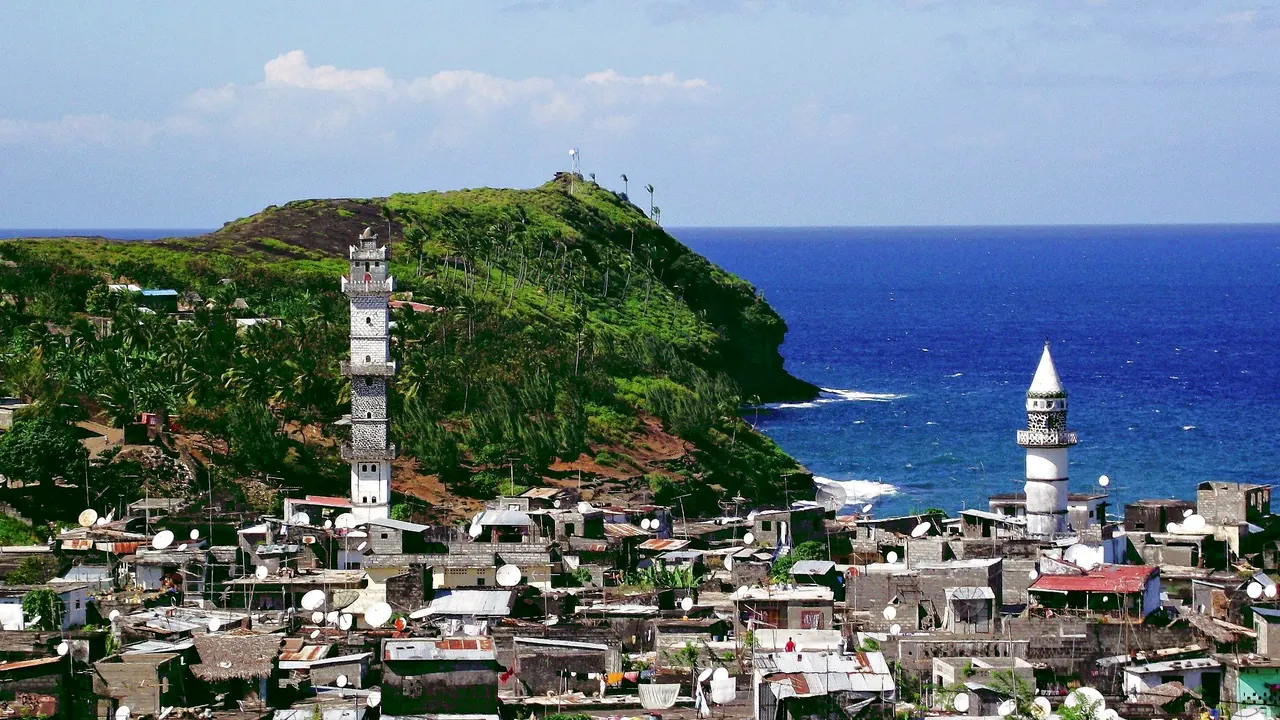
Mutsamudu on Anjouan, its minarets below a green headland above the deep blue sea
- Nature & outdoors64
- Beaches52
- Affordability52
Photo: Haryamouji, CC BY-SA 3.0, cropped
Match
27
Every category weighted equally
- Beach & sun32
- Culture & arts23
- Food & nightlife22
- Family trip31
- Outdoors33
- Relax & unwind31
- Shopping & style22
- On a budget30
Comoros in twelve categories
Our verdict on the country as a whole, scored 0 to 100 against the same fixed benchmark cities as every destination, so a score means the same thing on every page.
Beaches & swimming. Scores 52 out of 100.
Food & drink. Scores 30 out of 100.
Culture & sights. Scores 30 out of 100.
Nightlife. Scores 6 out of 100.
Nature & outdoors. Scores 64 out of 100.
Day trips. Scores 15 out of 100.
Good for families. Scores 14 out of 100.
Getting around. Scores 14 out of 100.
Shopping & style. Scores 14 out of 100.
Affordability. Scores 52 out of 100.
Live music & performing arts. Scores 12 out of 100.
Wellness & relaxation. Scores 18 out of 100.
Comoros category by category
Under each: where in Comoros it is best, and our destinations in Comoros that score highest on it.
Beaches & swimming
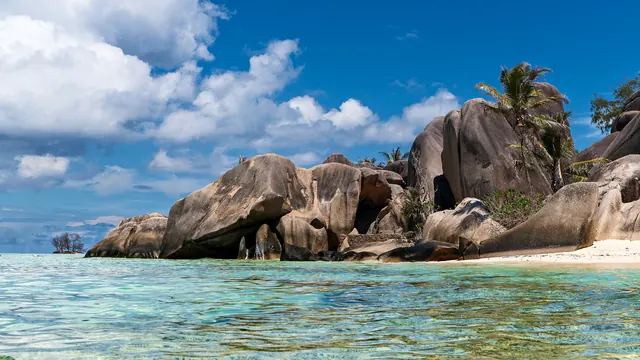
52The sea around the islands is warm all year, around 27°C, and the best beaches are genuinely lovely: white coral sand under coconut palms at Maloudja and Mitsamiouli in the north of Grande Comore, the calm bay at Chomoni with its black lava rocks, and the small islets off Nioumachoua on Moheli, where the water is clear and empty. Much of the coast, though, is black volcanic rock with little sand.
There is almost no beach infrastructure: few sunbeds, few places to eat, and only a handful of hotels on the sand. Local custom is conservative, so modest dress away from hotel beaches is expected. The drier months from May to October are the most comfortable for swimming.
Where: Moheli, Mitsamiouli and Maloudja, Chomoni
Our top destinations in Comoros
Food & drink
30Comorian cooking draws on East Africa, Arabia and France: grilled fish, octopus and lobster, sometimes in a vanilla sauce, rice pilau scented with cloves, mataba made from cassava leaves and coconut, and plantains and breadfruit at most meals. Fruit is excellent, and the local spices, vanilla and cloves among them, are part of everyday cooking.
The trouble is finding it. Moroni has the most choice, with a few simple restaurants, grilled fish by the harbour and the produce of its markets. Mutsamudu on Anjouan offers less, mostly small eateries in the old town and around the port serving rice, fish and stews. Elsewhere there are very few restaurants, and the best food is cooked at home or for weddings. Alcohol is limited to hotels and a few places in the capital. Food is a pleasant part of a trip rather than a reason to come.
Where: Moroni, Mutsamudu
Our top destinations in Comoros
Culture & sights
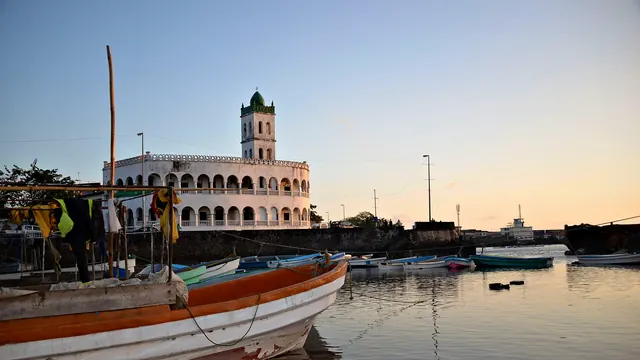
30The heritage is that of the Swahili coast and the old island sultanates. In Moroni the Old Friday Mosque stands white over the harbour, with a maze of narrow medina lanes and carved wooden doors behind it. On Anjouan, Mutsamudu has a denser old town climbing up to an 18th-century citadel, and Domoni keeps stone houses and tombs from its days as a sultanate seat. Iconi, just south of Moroni, has an old mosque and the remains of fortifications.
There are no major museums, many old buildings are worn, and sites have little interpretation. It rewards a visitor who likes wandering old Indian Ocean towns, not one looking for a list of landmarks.
Where: Moroni, Mutsamudu, Domoni, Iconi
Our top destinations in Comoros
Nightlife
6Going out barely exists. The islands are devoutly Muslim, alcohol is found mostly in a few hotels, and evenings end early. Moroni has a couple of places with music at weekends, but the liveliest nights a visitor might see are wedding celebrations, which are family occasions rather than nightlife.
Our top destinations in Comoros
Nature & outdoors
64The islands are steep volcanic peaks rising from deep ocean. On Grande Comore the climb up Mount Karthala, one of the world's largest active volcanoes, is a long, hard day or an overnight trek through forest to a vast crater, with guides essential. In the north of the same island, Lac Salé is a saltwater lake filling an old crater just above the shore, an easy short walk with views over the lava coast. Moheli is the quiet island, with a marine park where green turtles nest on the beach at Itsamia, humpback whales pass from about July to October, and reefs and drop-offs give good diving and snorkelling.
Anjouan has the most dramatic interior: deep green valleys, waterfalls and the crater lake of Dzialandze in the cloud forest. Everything is undeveloped. Trails are rough, gear is scarce, and the rainy season from November to April brings heavy downpours and cyclone risk, so the dry months are the time to come.
Where: Mount Karthala, Moheli Marine Park, Anjouan, Lac Salé
Our top destinations in Comoros
Day trips
15Day outings are short drives around one island. From Moroni the coast road leads to the old town of Iconi, the fishing villages of the north and the town of Mitsamiouli, and on Anjouan a drive across the island from Mutsamudu reaches Domoni. Beyond that the other islands are separate stays, reached by short flights or sea crossings that are not reliable enough to plan a day around.
Where: Iconi, Domoni, Mitsamiouli
Our top destinations in Comoros
Good for families
14Comorians are warm towards children and the turtles of Moheli can enchant older ones, but there is nothing built for families: no parks, attractions or child-oriented hotels. Medical care is basic, malaria is present, roads are rough and inter-island travel is unpredictable. It suits only adventurous families with older children.
Where: Moheli
Our top destinations in Comoros
Getting around
14Each island is small, but getting around takes patience. Grande Comore is the easiest: the international airport lies a short drive north of Moroni, and a coast road circles the island, so most of its sights are within a few hours. Even there, shared taxis and minibuses run on irregular schedules, roads are often potholed, and most visitors end up hiring a car with a driver. Moving between islands means small domestic flights that are often delayed or cancelled, or boats whose safety and comfort vary. Leave slack in any itinerary.
Where: Grande Comore
Our top destinations in Comoros
Shopping & style
14Shopping is a market and a few local products. Moroni's Volo Volo market is a crowded jumble of fish, fruit, cloth and household goods, worth seeing more than buying from. The things to take home are vanilla, cloves, ylang-ylang oil, the brightly patterned shiromani cloths worn by women and the embroidered kofia caps worn by men.
Where: Moroni
Our top destinations in Comoros
Affordability
52Comoros is a poor country, but not a cheap one to visit. Market food, local meals and shared taxis cost little, yet comfortable rooms are scarce. On Grande Comore the handful of better hotels around Moroni and on the northern beaches charge international rates for modest standards. Moheli is simpler, with small community-run guesthouses and eco-lodges that keep costs down for those happy with basic comfort. Hiring a car and driver, guided treks and the short flights between islands add up quickly wherever you stay.
Where: Moheli, Grande Comore
Our top destinations in Comoros
Live music & performing arts
12Music lives at weddings and festivals rather than on stages. Twarab, a sung form shared with Zanzibar, and the dances of the grand mariage, the elaborate traditional wedding of Grande Comore, are the heart of it, and a visitor in the summer wedding season may hear them through a village or be invited in. There are no theatres or concert halls to attend.
Where: Grande Comore
Our top destinations in Comoros
Wellness & relaxation
18There is no bathing or spa tradition to speak of, and only one or two hotels offer massage. What the islands do offer is a very slow pace, quiet villages and the scent of ylang-ylang and cloves drying in the sun, which suits a visitor who unwinds simply by having little to do, especially on Moheli.
Where: Moheli
Our top destinations in Comoros
Where to go in Comoros
Comoros is three islands, and in practice each is a trip of its own. They look close on the map, but the small flights and boats between them are often delayed or cancelled. Most visitors choose one or two islands and leave slack in the plan for moving between them.
Grande Comore is the natural first visit and the easiest to get around. The international airport is a short drive north of Moroni, the capital. Its Old Friday Mosque, medina lanes and Volo Volo market fill a day or two, and it has the most choice of food. A coast road circles the island, so the old town of Iconi, the white sand at Mitsamiouli and Maloudja, the calm bay at Chomoni and the crater lake of Lac Salé are all easy outings, usually with a hired car and driver. Walkers come for Mount Karthala, a long, hard guided climb or an overnight trek to the crater. In the summer wedding season this is also where you may hear twarab and see the dances of the grand mariage.
Anjouan suits culture and the outdoors. Mutsamudu has the densest old town, climbing to its 18th-century citadel, and a drive across the island reaches Domoni, the old sultanate seat with its stone houses and tombs. Inland are steep green valleys, waterfalls and the crater lake of Dzialandze in the cloud forest, reached on rough trails.
Moheli is the quiet island, for beaches, nature and doing very little. Its marine park has reefs for snorkelling and diving, green turtles nesting at Itsamia, humpback whales from about July to October and empty islets off Nioumachoua. Simple guesthouses and eco-lodges make it the choice for a slow stay and for adventurous families with older children. On every island the dry months from May to October are the time to go.
When should you go?
Comoros has no single climate. Its months are measured at Moroni; pick one to see it. The figures are measured averages, not a forecast.
Moroni in July
Daytime high, °C
Rainfall in the month, mm
Where the figures come from
Moroni has no rain gauge within 25 km of the centre, so its rainfall comes from a gridded climate dataset read at the destination rather than from a gauge further away.
Temperature and rainfall are climate normals, averaged over the years shown. Moroni: 2005-2025 (rainfall 1991-2020) normals, Hahaya International Airport (19 km from centre).
Compare Comoros with
Every comparison with a written verdict behind it, and any other country below.
Our destinations in Comoros
Every place in Comoros with its own page: its twelve scores, its texts and its months.