Moroni
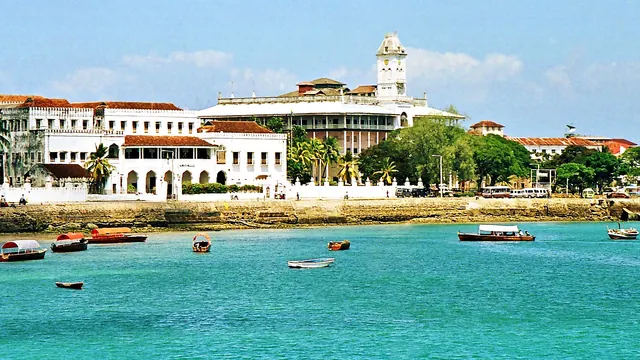
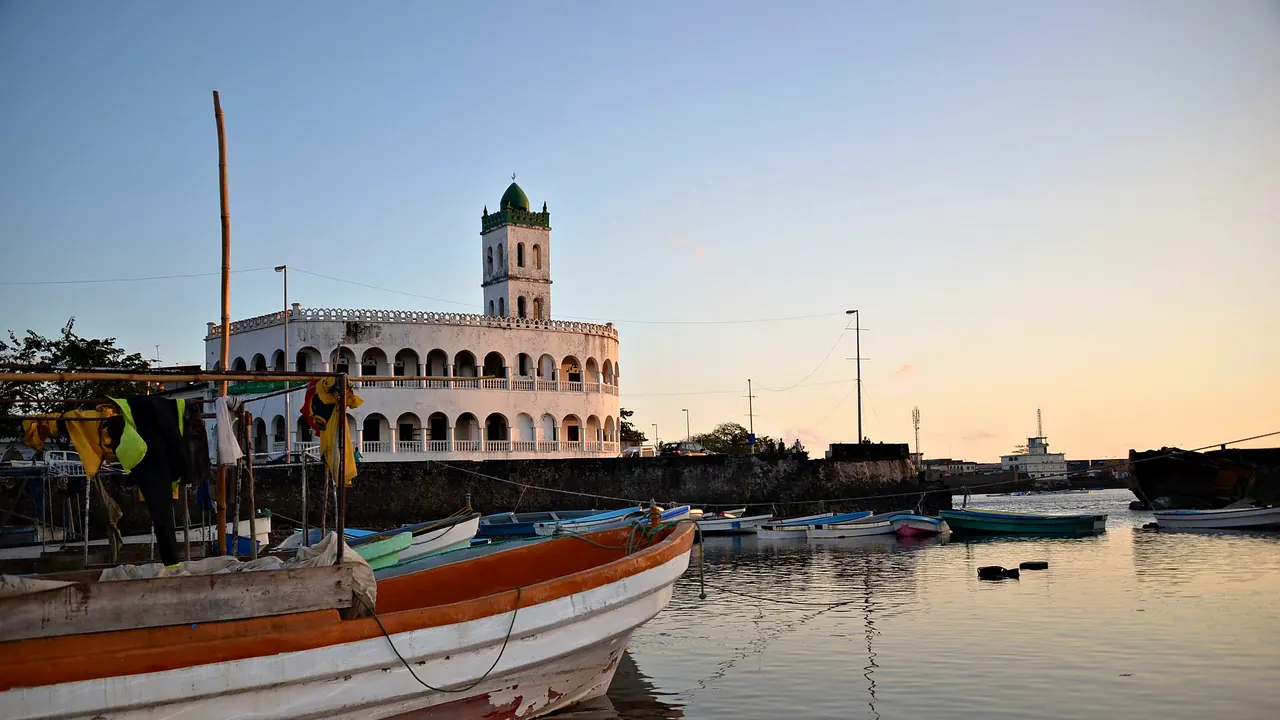
The old Friday Mosque seen from the old harbour of Moroni, with fishing boats in front
- Beaches62
- Nature & outdoors57
- Affordability52
Photo: GeGki, CC BY-SA 4.0, cropped
Match
30
Every category weighted equally
- Beach & sun35
- Culture & arts27
- Food & nightlife26
- Family trip35
- Outdoors37
- Relax & unwind34
- Shopping & style26
- On a budget33
Moroni in twelve categories
Our verdict on each, scored 0 to 100 against the same fixed benchmark cities, so a score means the same thing on every page.
Beaches & swimming. Scores 62 out of 100.
Food & drink. Scores 28 out of 100.
Culture & sights. Scores 28 out of 100.
Nightlife. Scores 8 out of 100.
Nature & outdoors. Scores 57 out of 100.
Day trips. Scores 28 out of 100.
Good for families. Scores 20 out of 100.
Getting around. Scores 28 out of 100.
Shopping & style. Scores 18 out of 100.
Affordability. Scores 52 out of 100.
Live music & performing arts. Scores 14 out of 100.
Wellness & relaxation. Scores 20 out of 100.
Moroni category by category
Beaches & swimming
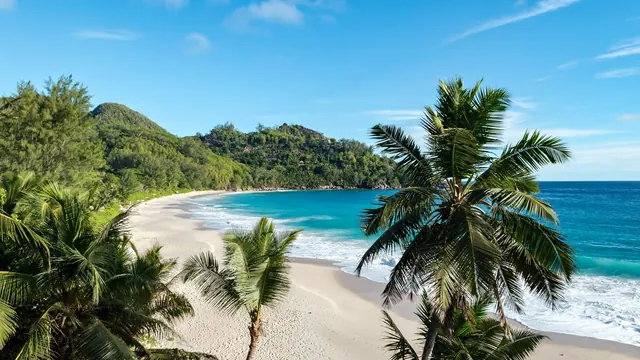
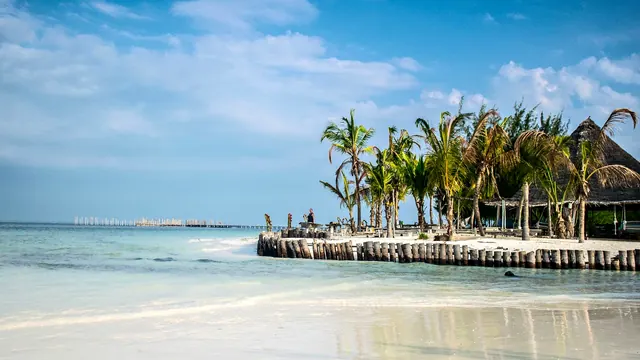
62Moroni sits on a coast of black lava, so the town itself is for looking at the sea rather than swimming in it. The nearest real beach is Itsandra, a short drive north, a curve of pale sand below an old fortified village where locals swim at weekends. The best beaches are further up the west coast towards Mitsamiouli, under an hour away: Maloudja, Bouni and the coves around them have white sand, coral close to shore and water around 27°C to 29°C.
Facilities are thin. Expect a beach restaurant or two, little shade and few loungers. Modest dress is wise on village beaches. It suits travellers happy with quiet sand rather than a beach scene.
Food & drink
28Comorian cooking mixes Swahili, Arab, Malagasy and French influences, and the island's crops shape it: coconut, cassava, breadfruit, plantain, cloves and vanilla. Look for langouste or fish in vanilla sauce, mataba (cassava leaves stewed in coconut milk), pilao rice and fish grilled over charcoal on the seafront. The Volo Volo market is the place to see produce, spices and fresh catch.
The restaurant choice is small: a few hotel dining rooms with French-leaning menus, simple local eateries and snack stalls. Alcohol is limited in a Muslim country and found mainly in hotels. Visitors eat well but simply, and should not plan the trip around food.
Culture & sights
28The heart of Moroni is the old harbour, where the whitewashed Old Friday Mosque, founded in the fifteenth century and later given its arched waterfront facade, looks over the dhow anchorage. Behind it the medina is a tight maze of coral-stone houses, carved wooden doors and narrow lanes, which is the city's best walk at an unhurried pace.
Beyond that the list is short. The national museum has modest displays on volcanoes, the coelacanth, history and traditional life. A morning covers most of it. Dress modestly in the old town and around mosques, and visitors are generally welcome to look but not to enter during prayers.
Nightlife
8Moroni goes to bed early. This is a devout Muslim town where alcohol is not part of daily life, and evenings mean a stroll by the harbour, tea and snacks, or dinner at a hotel. A few hotel bars serve drinks and an occasional weekend dance night happens, but there is no bar district and nothing that runs late. During Ramadan evenings are busier with families, though not with drinking.
Nature & outdoors
57Mount Karthala, an active volcano rising to about 2,360m, fills the skyline behind Moroni, and climbing it is the island's great outdoor outing: a long, steep walk through cloud forest to a huge summit caldera, usually done over two days with a guide and a night camping near the rim. Old lava flows reach the sea all along the coast, giving black rock shores, blowholes and the crater lake of Lac Salé in the north.
Offshore, coral reefs suit snorkelling and diving, and humpback whales pass between roughly July and October. Trails are unmarked and services basic, so this suits self-reliant walkers rather than those who want an easy outdoor menu.
Day trips
28Day trips mean the villages and old towns of Grande Comore itself, reached by hired car or shared taxi. Iconi, just south of the city, was an early capital, with old mosques, the remains of its walls and a cliff tied to a famous episode of resistance against raiders. Itsandra has a ruined fort above its beach, and towns such as Ntsaoueni and Mitsamiouli in the north have old mosques and Swahili-style quarters.
These are quiet places with little explanation on site, best seen with a local guide. The other islands of the archipelago, Moheli and Anjouan, need a flight or a long boat crossing and are not realistic as a day out.
Good for families
20Comorians are warm towards children, and the beaches north of the city and the reef shallows give families something to do. That is about all that is provided: there are no parks, zoos or attractions aimed at children, pavements are rough, and medical care is basic. Malaria precautions are needed, and heat and humidity are constant. It suits families who are experienced travellers with older children, not a first trip with small ones.
Getting around
28The old town and harbour are compact and walkable, though pavements are broken and the streets hot. Beyond that, the city runs on shared taxis that pick up along set routes and on minibuses called taxi-brousse that link the villages, with no timetables or maps. To see the beaches, Karthala or the northern towns, most visitors hire a car with a driver or arrange a guide. Roads around the island are narrow and potholed in places, and French or a little Comorian goes a long way.
Shopping & style
18Shopping in Moroni is mostly the Volo Volo market, a sprawling, crowded place selling produce, fabric, household goods and spices. The things worth taking home are local: Comorian vanilla and cloves, ylang-ylang essence from the island's perfume plantations, the embroidered kofia caps men wear, and bright chiromani cloth. There are no boutiques, malls or design shops to speak of.
Affordability
52Moroni is cheap in the parts of life locals use: market food, simple eateries and shared taxis cost little. Comfort is a different matter. The city has few hotels of a reliable standard and they charge accordingly, imported goods and alcohol are costly, and seeing the island usually means paying for a car, driver or guide. Visitors who accept simple guesthouses spend little; those who want comfort pay mid-range prices for modest quality.
Live music & performing arts
14The island's music lives at celebrations rather than on stage. Twarab, a Swahili sung style with strings and percussion, and women's dances such as the mgodro fill the streets during the grand mariage season, the elaborate weddings that are the centre of Grande Comore's social life, often in the dry months. A visitor may be invited along or hear it from the street. Otherwise there is no theatre, concert hall or regular live-music venue to attend.
Wellness & relaxation
20There is no bathing or spa culture to speak of, and massage or treatments are limited to a few hotels. What Moroni offers is pace: a small, quiet capital with little traffic outside the centre, long afternoons and sea views. Rest here means a terrace overlooking the ocean rather than anything organised.
When should you go?
Pick a month to see what it is like. The climate figures are measured averages, not a forecast.
Moroni in July
Daytime high, °C
Rainfall in the month, mm
The whole year
Shaded against this destination’s own year: the deepest cell is its best month for that figure and the palest its weakest.
Where the figures come from
Moroni has no rain gauge within 25 km of the centre, so its rainfall comes from a gridded climate dataset read at the destination rather than from a gauge further away.
Temperature and rainfall are climate normals, averaged over the years shown. Moroni: 2005-2025 (rainfall 1991-2020) normals, Hahaya International Airport (19 km from centre).
Before you go
| Measure | Moroni |
|---|---|
| Official language | French, Arabic, Comorian |
| Currency | Comorian Franc (KMF) |
| Sockets | CE220 V, 50 Hz |
| Driving side | Right |
| Time zone | UTC+3 |
| Emergency number | Police 17, ambulance 18 |
| Elevation | 29 m |
| Main airport | Prince Said Ibrahim International Airport (HAH)19 km from centre6 non-stop destinations |
By the numbers
| Measure | Moroni |
|---|---|
| Population | 85,400 |
| People per km² | 2,847 |
| Museums within 10 km | 1 |
| UNESCO World Heritage sites within 50 km | 1 |
| Swim season, months above 21 °C | 12 months |
Compare Moroni with
Every comparison with a written verdict behind it.