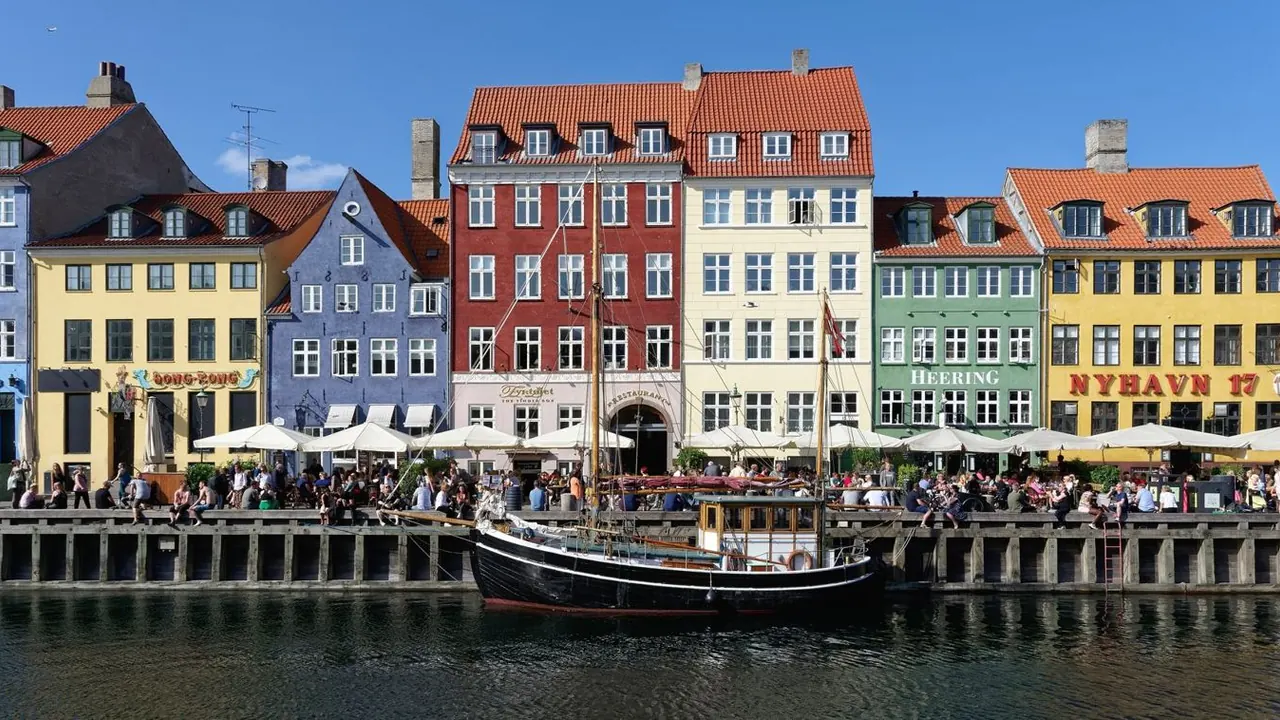
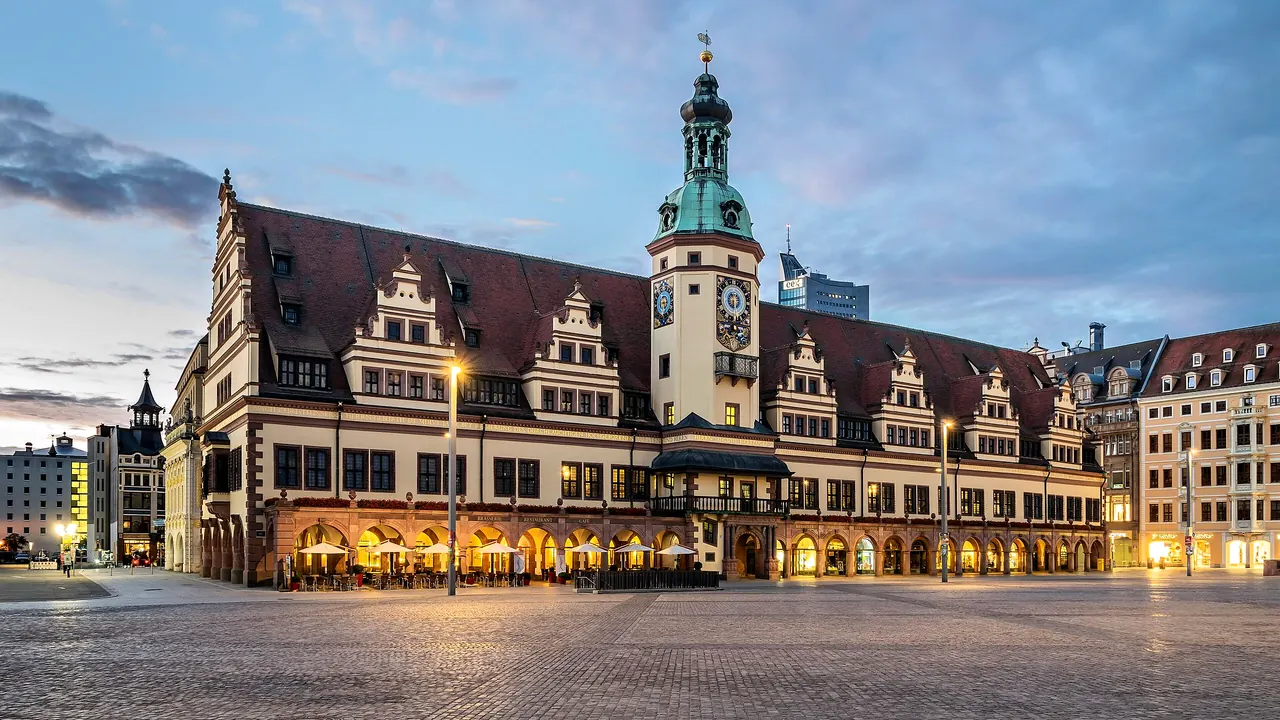
Photos: Copenhagen by Jakub Hałun, CC BY-SA 4.0, cropped; Leipzig by Krzysztof Golik, CC BY-SA 4.0, cropped.
Copenhagen or Leipzig?
Our verdict in twelve categories, each scored against the same fixed benchmark cities, and the climate month by month, so you can choose for your trip.
Choose Copenhagen for
- food and drink
- shopping
- families
Copenhagen is the better pick for travellers who want a polished, easy capital and are willing to pay for it. The food runs from New Nordic tasting menus down to rye-bread lunches and cardamom buns, design shopping is the best in the region, and the city is one of the simplest places in Europe to bring children. Summer adds harbour swimming and saunas, and the metro and bike lanes make every day easy to organise.
Choose Leipzig for
- prices
- live music and the arts
- day trips
Leipzig rewards the music lover and the curious traveller on a tighter budget. Bach's church, the Gewandhaus Orchestra and the opera sit within a short walk of each other, rooms cost far less than in Copenhagen, and the station puts Dresden, Weimar, Wittenberg and Berlin within easy day-trip range. It is rougher round the edges and plainer at the table, but it suits anyone who would rather spend on concert tickets and train rides than on dinner.
Scoreboard
Twelve categories on one fixed scale from 0 to 100. The shaded stretch is the gap between the two.
Your match
Pick a travel style or drag the sliders, and both match scores follow your weighting.
Wins on food and drink and shopping with your weighting.
Wins on prices and live music and the arts with your weighting.
What matters to you?
Category by category
What the scores mean for a trip.
Beaches & swimming
Copenhagen has the better swimming, mostly because the harbour itself is clean enough to bathe in. The wooden harbour baths at Islands Brygge sit right in town, Amager Strandpark is a sandy beach a few metro stops out, and Bellevue adds a classic Øresund strand. The catch is the water, which stays cool even in August.
Leipzig has no coast but makes do well with the flooded mine lakes to the south. The Cospudener See and Markkleeberger See have sandy shores and get warmer than the Øresund on a hot day, and you can reach them by tram or bike. Neither city is a beach destination, but Copenhagen gives you sea swimming in the city centre, while Leipzig needs a trip out to its lakes.
Food & drink
Eating is a real reason to choose Copenhagen. It helped redefine Nordic cooking at the top end, and the everyday food is good too: smørrebrød at lunch, bakeries on every corner, the Torvehallerne market halls, and natural wine bars and coffee roasters across Vesterbro and Nørrebro. The only drawback is the bill.
Leipzig eats heartily and honestly. Saxon roasts with dumplings, sour Gose beer and centuries of coffee-house history at Zum Arabischen Coffe Baum make it enjoyable, and the casual kitchens along the Karli and in Plagwitz are where the variety is. Fine dining is thin, though, so this is a place to eat well and cheaply, not to plan a trip around meals.
Culture & sights
Copenhagen has more to see, and most of it is royal and maritime: the crown jewels at Rosenborg, the guard changing at Amalienborg, parliament over medieval ruins at Christiansborg and the gabled houses of Nyhavn. The Glyptotek and the National Museum are solid, and the harbourfront architecture is worth seeing in its own right.
Leipzig's sights are fewer but tell a stronger story. The Thomaskirche holds Bach's grave, the Nikolaikirche is where the 1989 revolution began, and the Runde Ecke shows the Stasi from the inside. The trade-fair arcades and the huge Battle of the Nations monument complete a compact two or three days, against Copenhagen's three or four.
Nightlife
The two are evenly matched for going out, but in different styles. Copenhagen's nights centre on Kødbyen's converted butchers' halls, good cocktail bars and summer drinking along the canals at Nyhavn and Christianshavn, and the drinks are expensive.
Leipzig is the place for clubbing. Its electronic scene grew up in old factories and squats, weekend nights run well past dawn and door policies are relaxed. The Karli and Connewitz carry the bar crowd. Both go quiet on weeknights, and Leipzig also slows down outside term time.
Nature & outdoors
Both are flat and green rather than wild, so the difference is in the setting. Copenhagen looks to the sea, with deer among the oaks of Dyrehaven, the coast ride towards Helsingør and kayaking in the harbour. Its nearest dramatic scenery is Møns Klint, about two hours south.
Leipzig's outdoors are woods and water. The Auwald floodplain forest runs through the city, you can canoe the canals from Plagwitz, and the lake district offers sailing and a white-water course. For real hills, Saxon Switzerland and the Harz are each around two hours away by train.
Day trips
Leipzig has the edge here, thanks to its position at the hub of central Germany's railways. Dresden and Weimar are each a little over an hour away, Erfurt and Halle are closer still, and Wittenberg, Naumburg, the Bauhaus at Dessau and Berlin fill out a long list of easy outings.
Copenhagen's choices are fewer but still very good. Kronborg, Frederiksborg and the Louisiana museum can share a day along the North Zealand line, Roskilde has its Viking ships, and Malmö and Lund give you a day in Sweden across the bridge.
Good for families
Copenhagen is one of the easiest capitals in Europe with children. Tivoli sits right beside the station, and Den Blå Planet, the Frederiksberg zoo, Experimentarium and the old Bakken fairground give you several days of outings. Cargo bikes, playgrounds and prams on every train show how much the city is built around family life.
Leipzig manages well but has less to offer. Its zoo, with the covered Gondwanaland hall, is among the best in Europe, and Belantis and the lake beaches help in summer. Beyond those the museums are mostly for adults, so a longer family stay starts to run short of ideas.
Getting around
Both are flat and compact, so either is easy to get around. Copenhagen is a step smoother: the driverless metro runs all night and reaches the airport in about a quarter of an hour, one ticket covers trains, buses and harbour buses, and the separated bike lanes are the best in the region.
Leipzig relies on trams, plus an underground S-Bahn line heading south to the lakes. The old town inside the ring takes about fifteen minutes to cross on foot. Its great practical advantage is that all the regional trains for day trips leave from the main station at the edge of the old town.
Shopping & style
Copenhagen is far stronger for shopping, especially for design. Furniture, lighting and ceramics shops cluster in the centre, Royal Copenhagen porcelain has its flagship on Amagertorv, and Illum and Magasin du Nord anchor the long run of Strøget. Independent Scandinavian fashion turns up in the Latin Quarter and on Jægersborggade.
Leipzig's old town arcades make browsing pleasant in the rain, but the shops are mostly familiar chains. The interesting finds are in the west: vintage and record shops on Karl-Heine-Strasse and the galleries of the Spinnerei cotton mill. Music shops selling sheet music and instruments are a local speciality.
Affordability
This is where the two differ most. In Copenhagen hotels, meals and bar drinks are all expensive. Free harbour baths, parks and a bike take some of the edge off, but it is never a cheap stay.
Leipzig's big saving is the room. Central hotels and apartments cost well below the big German cities, let alone Copenhagen, though prices jump during the trade-fair weeks. Restaurants and taxis cost the German average, but concert tickets and student-district beer are fair, so your money goes much further.
Live music & performing arts
Leipzig comes out ahead, and for a city of its size it stands out. The Gewandhaus Orchestra and the opera face each other across Augustusplatz, the Thomanerchor sings Bach in the Thomaskirche, and the June Bachfest fills the churches. Add operetta, cabaret and the vast Wave-Gotik-Treffen at Whitsun, and the range is wide.
Copenhagen's strengths are dance and summer music. The Royal Danish Ballet keeps the Bournonville style alive, DR Koncerthuset has superb acoustics, and the July jazz festival spills into squares and courtyards. Most theatre in both cities is in the local language, so visitors in either tend to go for music.
Wellness & relaxation
Copenhagen has a real bathing ritual of its own: wood-fired saunas floating in the harbour, followed by a cold plunge, a habit locals keep all year. Its calm streets and lakeside afternoons add to the restful feel.
Leipzig has only standard German sauna complexes and hotel spas. For proper spa towns such as Bad Düben you need a separate trip. It is restful in a quieter way, with forest walks and slow Sundays, but anyone who wants a bathing experience should pick Copenhagen.
When should you go?
Pick your month. The climate figures are measured averages, not a forecast.
Copenhagen in July
Leipzig in July
Daytime high, °C
Rainfall in the month, mm
Temperature and rainfall are climate normals, averaged over the years shown. Copenhagen: 1991-2020 normals, Koebenhavn / Landbohoejskolen (2.4 km from centre). Leipzig: 1991-2020 (sunshine 1961-1990, rainfall 1961-1990) normals, Leipzig-Holzhausen (5.7 km from centre).
Both cities are best from June to August, but they feel different in high summer. Copenhagen peaks at about 23°C in July, which is pleasant for walking all day but only just warm enough for the beach, and the sea is at its warmest in August at around 18°C, bracing even then. Leipzig is a little warmer, reaching about 25°C in July and August, and its sunniest stretch runs from May to August, when the flooded mine lakes south of town are at their best. June is also Leipzig's wettest month at about 67mm, usually in short summer downpours, while Copenhagen's rain is heaviest in August and stays fairly steady through the autumn.
Spring and early autumn suit both for sightseeing on foot, with Leipzig warming up faster in May. From November to February both drop to raw single-figure highs with short, grey days. That is museum and concert weather rather than street-wandering weather, and Copenhagen's sauna-and-plunge habit is the better reason to visit in the cold months.
Which traveller are you?
On a family trip with young children, Copenhagen can fill a whole week, with a different outing each day and a city whose daily routine assumes children are coming along. Leipzig suits a long weekend: one zoo day, then perhaps a lake afternoon.
For a trip on a tight budget, Leipzig lets you stay longer and still afford evenings out and a few train fares for day trips. Copenhagen only works cheaply if you cut back on restaurants and bars, which means missing much of its appeal.
For a classical music trip, Leipzig lets you plan each day around a concert or a church service, following Bach and Mendelssohn through the places where they worked. Copenhagen gives you fine nights of ballet and symphony, but as part of a broader city break.
Before you go
| Measure | Copenhagen | Leipzig |
|---|---|---|
| Official language | Danish | German |
| Currency | Danish Krone (DKK) | Euro (EUR) |
| Sockets | CEFK230 V, 50 Hz | CF230 V, 50 Hz |
| Driving side | Right | Right |
| Time zone | UTC+1, UTC+2 in summer | UTC+1, UTC+2 in summer |
| Emergency number | 112 | 112 |
| Elevation | 14 m | 110 m |
| Main airport | Copenhagen Kastrup Airport (CPH)8 km from centre196 non-stop destinations | Leipzig/Halle Airport (LEJ)13 km from centre20 non-stop destinations |
| Public holidays this year | 14 days | 11 days |
By the numbers
| Measure | Copenhagen | Leipzig |
|---|---|---|
| City population | 667,099 | 615,932 |
| People per km² | 7,339 | 2,068 |
| Museums within 10 km | 72 | 40 |
| UNESCO World Heritage sites within 50 km | 5 | 1 |
| Swim season, months above 21 °C | None | - |
Where else could you go?
Every comparison below shares a destination with this one, so you can follow Copenhagen or Leipzig somewhere new.
- Malmovs Copenhagen
- Dresdenvs Leipzig
- Berlinvs Leipzig
- Aarhusvs Copenhagen
- Praguevs Leipzig
- Gothenburgvs Copenhagen