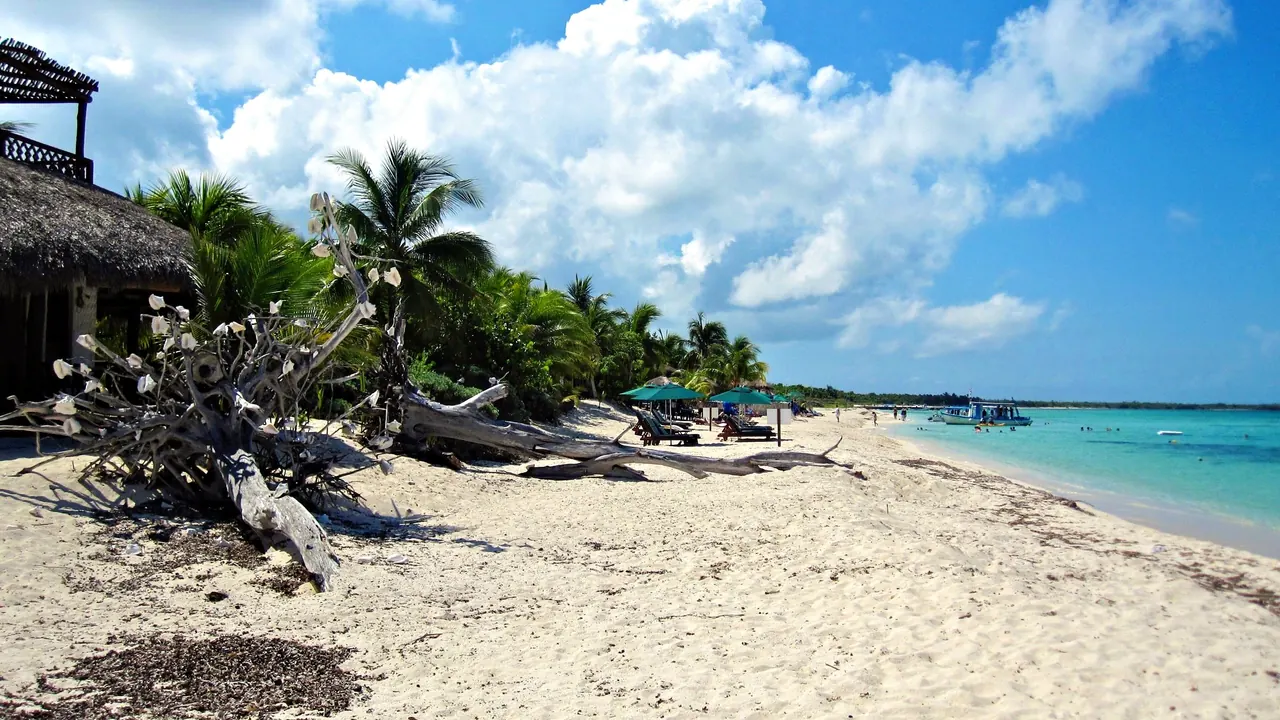
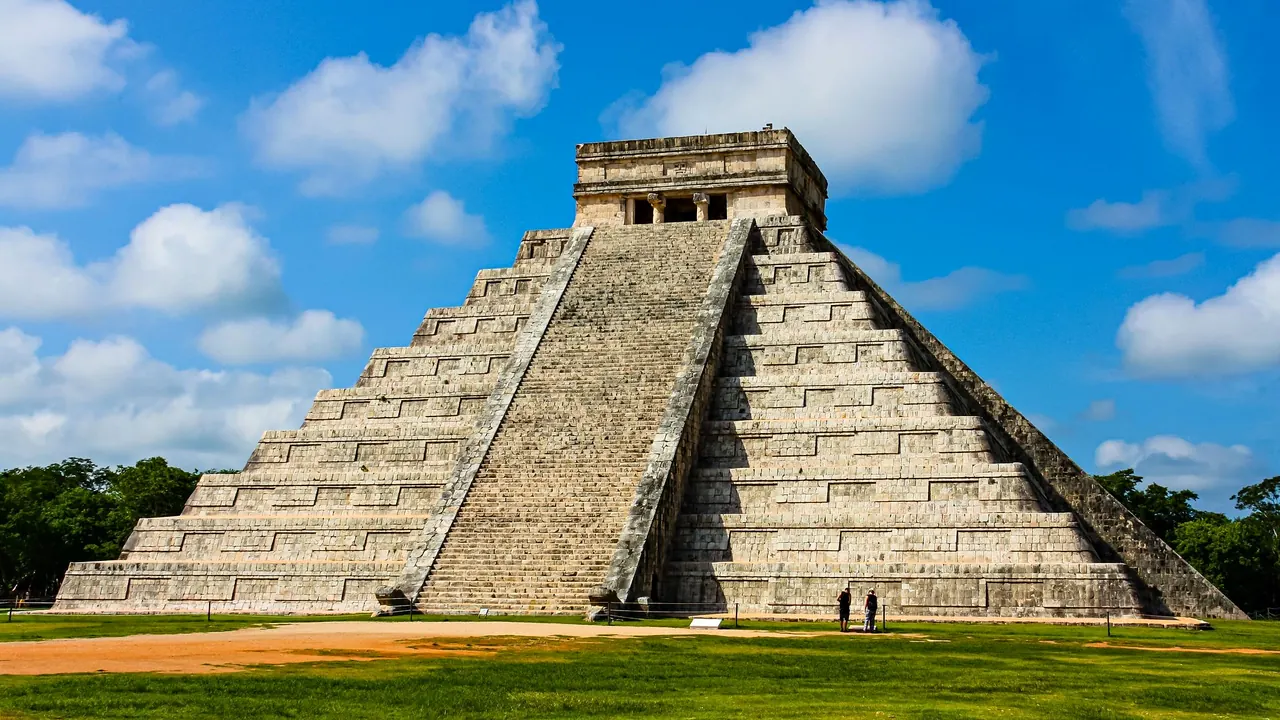
Photos: Cozumel by Johnk996, CC BY 3.0, cropped; Yucatan by Maciej Cisowski, Pexels License.
Cozumel or Yucatan?
Our verdict in twelve categories, each scored against the same fixed benchmark cities, and the climate month by month, so you can choose for your trip.
Choose Cozumel for
- beaches
- nature and the outdoors
- families
Cozumel suits a stay built around the sea. It is the choice for divers and snorkellers above all, and for anyone who wants warm, clear Caribbean water a few steps from the room and little else to organise. It is a small island where you settle in, eat simply and go to bed early. In return it gives up almost all of the history, cooking and town life that the mainland offers.
Choose Yucatan for
- culture and sights
- live music and the arts
- food and drink
Choose Yucatan for a trip on the move: Maya cities and colonial towns, a cuisine worth travelling for, cenote swims and flamingo boat trips, all at mainland prices. Mérida and Valladolid make good bases. The beach plays only a small part, though, and the heat shapes every day, so the region rewards curious travellers more than those who want to lie still.
Scoreboard
Twelve categories on one fixed scale from 0 to 100. The shaded stretch is the gap between the two.
Your match
Pick a travel style or drag the sliders, and both match scores follow your weighting.
Wins on beaches and nature and the outdoors with your weighting.
Wins on culture and sights and live music and the arts with your weighting.
What matters to you?
Category by category
What the scores mean for a trip.
Beaches & swimming
Cozumel has the better water. Its sheltered west coast is calm, very clear Caribbean, and a swim there often means stepping down a beach club ladder straight onto reef. Most of the shore is limestone rock rather than sand, and the surf-beaten east side is too dangerous for most swimming.
Yucatan offers the opposite. Its Gulf shore at Progreso, Sisal and El Cuyo is long, low sand, shallow and calm, but the water is often greenish and north winds can spoil some days. The swims people remember are inland, in the cool fresh water of the cenotes around Homún, Cuzamá and Valladolid.
Food & drink
Cozumel eats simply. There are Yucatecan dishes in family places a few streets back from the San Miguel waterfront, taco stands around the main square and fried fish from the morning's catch, while the seafront mostly serves cruise passengers burgers and Tex-Mex.
Yucatan is where that cooking comes from, and it is far richer there. Mérida's Lucas de Gálvez and Santiago markets, its restaurants reworking local ingredients and its Lebanese-Yucatecan kibis add relleno negro, sopa de lima and papadzules to the cochinita pibil the island also serves. Food is a reason to go to Mérida in a way it never is on Cozumel.
Culture & sights
Cozumel's history is real but slight. It has the low ruins of San Gervasio, once a pilgrimage site of the goddess Ixchel, a few rooms of island museum and the lighthouse at Punta Sur.
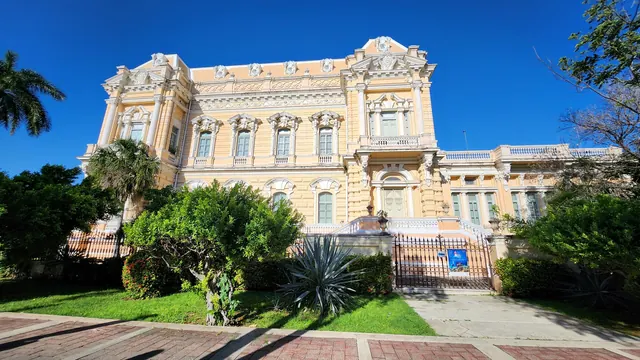
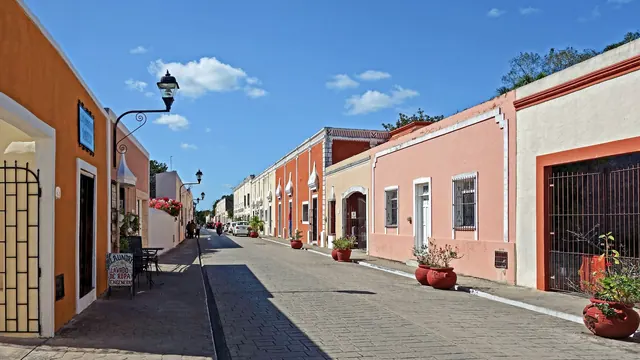
Yucatan has the great Maya cities the island lacks. Chichen Itza, Uxmal, the quieter Puuc sites and Ek Balam sit alongside colonial Mérida, yellow Izamal, Valladolid's colonial grid and the old henequen haciendas. That is enough for a week of sightseeing rather than a single morning.
Nightlife
Neither is a party destination. Cozumel's evenings peak in the late afternoon, when cruise passengers fill the waterfront bars with their cover bands. Things fade early once the ships leave and the divers turn in.
Mérida has a later, more sociable night. The plazas fill after dark, the cantinas on and around Calle 60 serve botanas with every round, and there are mezcal bars and a few clubs further north. Outside the city, Yucatan's towns are as quiet by late evening as the island.
Nature & outdoors
Cozumel's outdoors is underwater. The marine park's coral walls at Palancar, Santa Rosa and Columbia carry divers past turtles, eagle rays and nurse sharks, and shallower reefs closer to shore suit snorkellers. On land the flat scrub offers little more than a ride along the east coast and the crocodile lagoons of Punta Sur.
Yucatan has more variety but nothing as spectacular as the reefs. There are cenotes and caves for snorkelling and cavern diving, and the biosphere reserves of Celestún and Ría Lagartos have flamingos, crocodiles and pink salt flats. Birding, cycling and mangrove kayaking fill out the region, best in the cooler months.
Day trips
From Cozumel every outing starts with the ferry to Playa del Carmen. Tulum, Cobá and the cenote coast follow by road, which makes for long days and usually a tour, and Chichen Itza needs a night on the mainland.
Yucatan is made for day trips. From Mérida you can reach the Puuc route, Izamal, Celestún and even walled Campeche. Valladolid puts Ek Balam, Río Lagartos and Cobá close by, with Tulum and Playa del Carmen within two hours.
Good for families
Both work for families, but they offer different trips. Cozumel is about sea and snorkelling. The calm west coast has reef close in for older children, the beach clubs have pools and shade, and Chankanaab has a reef lagoon and sea lions, though much of the shore is sharp rock rather than sand.
Yucatan suits families who like adventure: cenotes, flamingo boats, ruins with iguanas on the stones, and Gulf beaches shallow enough for small swimmers. The price is heat and long car days to the sites, so it asks more of young children than an island resort does.
Getting around
Cozumel is easy because it is small. One paved road loops the island in a relaxed day's drive, and taxis run on fixed zone fares. There is no public transport to rely on, so most people rent a car or scooter to see the far side.
Yucatan covers far more ground but has the transport for it. Comfortable long-distance buses link Mérida, Valladolid, Izamal and the major ruins, colectivo vans reach the villages, and the roads are flat and straight for a hire car. The scattered cenotes and Puuc sites still mean driving or joining a tour.
Shopping & style
Cozumel's shopping is port shopping: duty-free jewellers, tequila shops and souvenir stalls by the cruise piers, with a pushy sales pitch on ship days.
Yucatan has crafts worth taking home. Mérida's market streets and the galleries along Paseo de Montejo sell well-made hammocks, guayaberas, huipil dresses and jipi palm hats, and workshops across the state work in henequen, wood and local honey. Neither place has fashion streets or luxury shopping.
Affordability
Cozumel can stay moderately priced if you sleep in San Miguel and eat at the taco stands and the market. Resorts, beach clubs and especially several days of boat dives make it expensive for Mexico.
Yucatan stretches the same budget further. Market lunches, intercity buses, cenote entries and rooms in old colonial houses cost little. The spending climbs with restored haciendas and the entry fees at the major ruins.
Live music & performing arts
Cozumel has almost nothing to attend beyond its carnival before Lent, one of the oldest in Mexico. The rest of the year it is mariachis on the square and cover bands on the waterfront.
Mérida puts its traditions on public stages through the week, for free: trova yucateca serenades, jarana dancers balancing trays and the Maya ballgame re-enacted in front of the cathedral. It also has the Teatro José Peón Contreras and a symphony orchestra season, and village vaquerías bring fiesta dancing to the countryside.
Wellness & relaxation
Cozumel offers rest by the sea. There are quiet southern resorts, adults-only hotels and the empty east coast for watching the surf, with spas inside the resorts and the occasional temazcal.
Yucatan's restful stays have more character. Henequen haciendas have been turned into retreats with spas in old machine rooms, pools among ruined walls and guided temazcal ceremonies. The colonial towns of Izamal and Valladolid add a slow, siesta-paced routine, though Mérida itself is too noisy for this.
When should you go?
Pick your month. The climate figures are measured averages, not a forecast.
Cozumel in July
Yucatan in July
Daytime high, °C
Rainfall in the month, mm
Where the figures come from
Cozumel has no weather station within reach, so its figures come from a gridded climate model rather than a measured record, and read a broad area rather than one spot.
Yucatan's temperatures are measured 65 km from the centre, at Merida / lic Manuel Crecencio.
Yucatan has no rain gauge within 25 km of the centre, so its rainfall comes from a gridded climate dataset read at the destination rather than from a gauge further away.
Temperature and rainfall are climate normals, averaged over the years shown. Cozumel: 2001-2020 normals, NASA POWER reanalysis grid, no weather station within 90 km. Yucatan: 1991-2020 normals, Merida / lic Manuel Crecencio (65.4 km from centre).
Cozumel is warm enough for the beach in every month. The sea stays at around 27°C to 29°C and daytime highs barely change through the year. February to April is the driest stretch and the calmest for a sea trip. Rain builds from May, and autumn is stormy, with October the wettest month at 224mm.
Yucatan's figures come from inland, around Mérida, where most visitors stay, and the region is a much hotter place. Highs reach 37°C in April and May, too hot for ruins or city streets in the middle of the day. December to February is the coolest and most comfortable time for sightseeing, and those months are also dry and sunny. The rains run from June to October and are heaviest in September. On the Gulf coast the sea is a few degrees cooler than Cozumel's in winter and best for swimming from July to October.
Which traveller are you?
On a beach and sun trip, Cozumel is the stronger pick. Its sheltered west coast has calm, very clear Caribbean water that is warm all year, with reef a few strokes from shore. Yucatan's Gulf beaches are shallow but often greenish.
For a culture and arts trip, Yucatan wins by a wide margin. Chichen Itza, Uxmal, the Puuc sites, colonial Mérida, Izamal and Valladolid, plus free trova and jarana in the plazas, far outweigh Cozumel's scattered ruins at San Gervasio.
For scuba divers, Cozumel is the place to go. Its coral walls at Palancar, Santa Rosa and Columbia give long drift dives in water that is often clear to 30m. Yucatan's diving happens in cenote caverns rather than along a reef.
Before you go
| Measure | Cozumel | Yucatan |
|---|---|---|
| Official language | Spanish, Nahuatl, Yucatec Maya | Spanish, Nahuatl, Yucatec Maya |
| Currency | Mexican Peso (MXN) | Mexican Peso (MXN) |
| Sockets | AB127 V, 60 Hz | AB127 V, 60 Hz |
| Driving side | Right | Right |
| Time zone | UTC-5 | UTC-6 |
| Emergency number | 911 | 911 |
| Main airport | Cozumel International Airport (CZM)13 non-stop destinations | Manuel Crescencio Rejón International Airport (MID)22 non-stop destinations |
| Public holidays this year | 9 days | 9 days |
By the numbers
| Measure | Cozumel | Yucatan |
|---|---|---|
| Population | 88,626 | 2,320,898 |
| People per km² | 164 | - |
| Swim season, months above 21 °C | 12 months | 12 months |
Where else could you go?
Every comparison below shares a destination with this one, so you can follow Cozumel or Yucatan somewhere new.
- Playa del Carmenvs Cozumel
- Riviera Mayavs Cozumel
- Tulumvs Cozumel
- Cancunvs Cozumel
- Isla Mujeresvs Cozumel
- Holboxvs Cozumel