Mexico
Yucatan
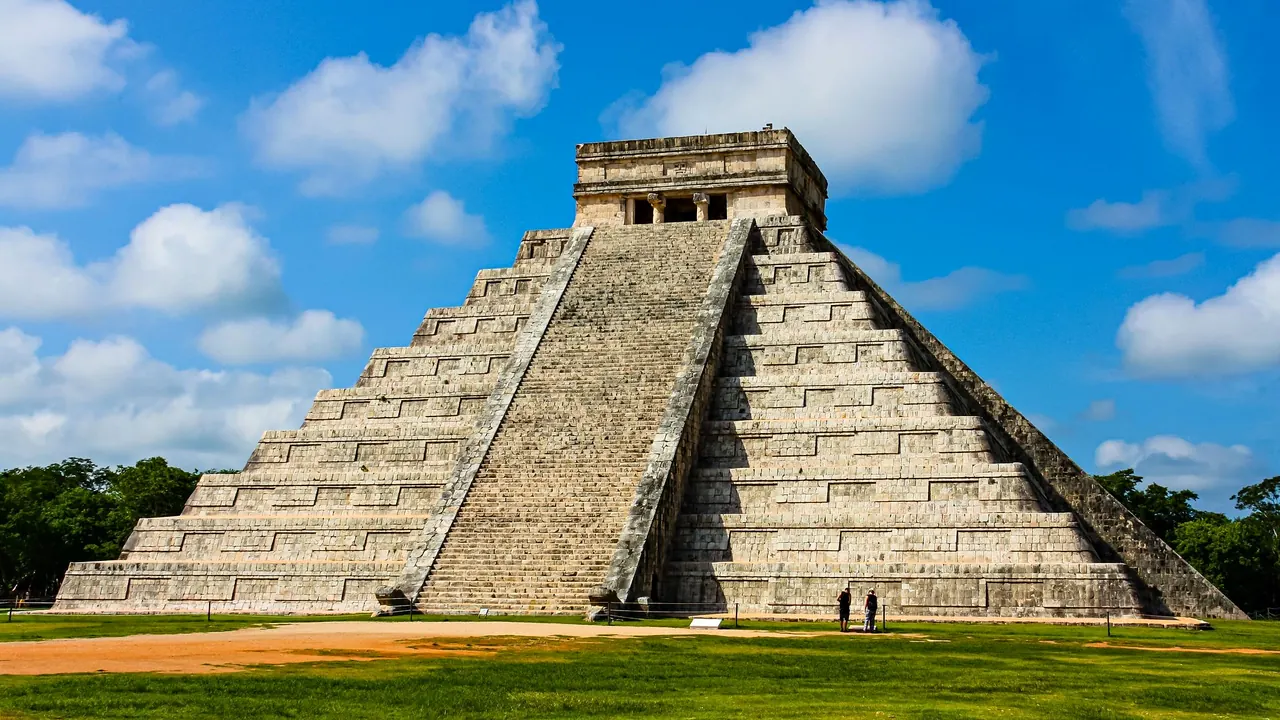
El Castillo, the pyramid of Kukulkan at Chichen Itza
- Culture & sights82
- Day trips78
- Food & drink77
Photo: Maciej Cisowski, Pexels License
Match
62
Every category weighted equally
- Beach & sun62
- Culture & arts64
- Food & nightlife61
- Family trip64
- Outdoors65
- Relax & unwind63
- Shopping & style61
- On a budget63
Yucatan in twelve categories
Our verdict on each, scored 0 to 100 against the same fixed benchmark cities, so a score means the same thing on every page.
Beaches & swimming. Scores 60 out of 100.
Food & drink. Scores 77 out of 100.
Culture & sights. Scores 82 out of 100.
Nightlife. Scores 40 out of 100.
Nature & outdoors. Scores 60 out of 100.
Day trips. Scores 78 out of 100.
Good for families. Scores 55 out of 100.
Getting around. Scores 55 out of 100.
Shopping & style. Scores 52 out of 100.
Affordability. Scores 73 out of 100.
Live music & performing arts. Scores 52 out of 100.
Wellness & relaxation. Scores 55 out of 100.
Yucatan category by category
Beaches & swimming
60Yucatan's sea is the Gulf of Mexico, not the Caribbean. The northern coast is one long, low strip of sand with fishing villages and weekend towns: Progreso is about forty minutes from Mérida, Sisal and Celestún sit to the west, and El Cuyo lies far to the east. The water reaches about 28°C in summer and is shallow and calm for a long way out, but it is often greenish rather than clear. Seaweed and the winter north winds can spoil some days.
The swimming most visitors remember happens inland, in the cenotes. These are limestone sinkholes full of cool, clear fresh water, scattered by the hundred across the state. Some are open pools ringed with vines and some are caverns lit by a single shaft of light. The best clusters are around Homún and Cuzamá and near Valladolid. The coast suits a few slow days, but on most trips the beach plays a supporting part.
Food & drink
77Yucatan has a cuisine of its own, shaped by Maya cooking, Caribbean trade and Lebanese immigration. Sour orange, achiote and slow cooking underground in the pib run through it. Cochinita pibil is the dish everyone knows. Alongside it are panuchos and salbutes, sopa de lima, relleno negro, papadzules and poc chuc, with a fiery habanero salsa on every table.
Mérida is where it is cooked best. Mornings belong to cochinita tacos and tortas at market stalls. The Lucas de Gálvez and Santiago markets are the places for lunch counters, and evenings bring marquesitas sold from carts in the plazas. The city also has a deep tier of restaurants reworking Yucatecan ingredients, as well as Lebanese-Yucatecan kibis and shawarma-style tacos. In the villages, food is simpler and very local, often cooked by families on the road to the ruins.
Culture & sights
82This is the heartland of Maya archaeology. Chichen Itza, with its great pyramid of El Castillo, the ball court and the sacred cenote, is one of the best-known ancient sites in the Americas. Uxmal is arguably finer: its Pyramid of the Magician and Nunnery Quadrangle are covered in intricate Puuc stone mosaics. Smaller sites along the Puuc hills, such as Kabah, Sayil and Labná, and Ek Balam with its carved stucco stairway, are quieter and often more atmospheric.
The colonial layer is just as present. Mérida has a large historic centre of pastel mansions, a sixteenth-century cathedral built from Maya temple stone and the grand houses of Paseo de Montejo, as well as a museum of Maya world culture. Izamal is a town painted entirely yellow around a huge Franciscan convent, and Valladolid keeps its colonial grid. Henequen haciendas across the countryside tell the story of the region's sisal boom.
Nightlife
40Evenings in Yucatan revolve around Mérida, and they start late because of the heat. The historic centre fills after dark with people sitting out in the plazas, and Calle 60 and the streets around it hold cantinas that serve botanas with every round, mezcal bars and rooftop terraces. A few clubs and bigger venues lie further north along the main avenues.
It is a relaxed, sociable scene rather than a party one. Progreso gets busier on summer weekends, but the colonial towns and coastal villages are quiet by late evening. Visitors who come mainly for nightlife would do better on the Caribbean coast to the east.
Nature & outdoors
60The landscape is flat, dry scrub forest on limestone, with no rivers or mountains, only the low Puuc hills in the south. What it does have lies underground and along the coast. The cenotes and cave systems allow snorkelling and cavern diving in very clear water. On the coast, two biosphere reserves protect mangrove estuaries: Celestún in the west and Ría Lagartos in the east. Boat trips there pass large flocks of pink flamingos, crocodiles and herons, and Ría Lagartos adds pink salt flats.
The peninsula is good birding country. Cycling routes link villages and cenotes, and kayaking works well in the mangroves. Heat and humidity limit long walks for much of the year, so the cooler months from November to March suit outdoor days best.
Day trips
78Most visitors split a stay between Mérida and Valladolid, and each is a good hub. From Mérida, the Puuc route links a string of small ruins with villages and old haciendas in the south. Izamal is about an hour east, and the fishing ports of Celestún and Sisal make an easy outing to the coast. The walled colonial city of Campeche, in the neighbouring state, is about two and a half hours away for those willing to stretch the day.
Valladolid works as a base for the east. Ek Balam is about half an hour away and the flamingo town of Río Lagartos is near. Across the border in Quintana Roo, Cobá lies about an hour away and the Caribbean towns of Tulum and Playa del Carmen are within two. Restored henequen haciendas and the cenote villages of Homún and Cuzamá fill the gaps.
Good for families
55Yucatan suits families who like adventure more than those who want attractions built for children. Cenotes, flamingo boat trips and ruins with iguanas sunning on the stones tend to stay with children, and the Gulf beaches are unusually shallow and calm for small swimmers. Mérida is safe and relaxed, and on weekend evenings its plazas fill with local families.
The difficulties are heat and distance. Midday at an open site like Chichen Itza is punishing for young children, and the ruins mean long car days. There are few theme parks, aquariums or museums aimed at children, so trips work best with early starts, a pool in the afternoon and a home in Mérida or Valladolid.
Getting around
55Mérida's historic centre is compact and flat, and easy to walk early and late in the day; taxis and ride-hailing fill the gaps. Between towns, comfortable long-distance buses link Mérida, Valladolid, Izamal and the major ruins, and colectivo vans serve the smaller villages.
A car opens up most of the region, and driving is straightforward. Roads are flat, straight and generally well kept, and a toll highway crosses the state. Speed bumps announce every village, and driving after dark on rural roads is best avoided. Without a car, the scattered cenotes, Puuc ruins and coastal reserves usually mean joining tours.
Shopping & style
52Shopping here means crafts. Mérida is the place to buy a hand-woven hammock, a crisp guayabera shirt, embroidered huipil dresses and jipi palm hats. The Lucas de Gálvez market and the streets around it are dense, noisy and good for browsing, while the centre and Paseo de Montejo hold design shops and galleries working with Yucatecan materials. Henequen fibre, carved wood, local honey and Maya textiles turn up in workshops across the state, and Izamal and Valladolid have small artisan centres.
Beyond that, the offer is mainly modern malls on Mérida's northern edge. There are no fashion streets or luxury shopping to speak of.
Affordability
73Yucatan is among the more affordable parts of Mexico for a visitor. Market lunches, street snacks, intercity buses and cenote entries cost little, and Mérida and Valladolid have many simple guesthouses and good-value rooms in old colonial houses.
Spending rises with style. The region's restored haciendas and boutique hotels in Mérida's historic mansions are priced for international travellers, and the major archaeological sites charge combined federal and state fees that add up over a ruin-heavy trip. Overall, a comfortable stay costs far less than on the Caribbean coast to the east.
Live music & performing arts
52Mérida keeps its traditions on public stages. Through the week, its plazas and parks host free performances: serenades of trova yucateca, the region's romantic guitar song; jarana dancers in white embroidered dress, balancing trays on their heads; and a fiery re-enactment of the Maya ballgame in front of the cathedral. They are staged for locals as much as for visitors and are a pleasant part of any evening.
For formal performances, the Teatro José Peón Contreras is a fine nineteenth-century house, and the Yucatán Symphony Orchestra performs a regular season. Outside Mérida, music means village fiestas, where vaquerías with jarana dancing are the highlight.
Wellness & relaxation
55Rest in Yucatan is built around the haciendas. Old henequen estates turned into retreats offer spas in former machine rooms, quiet gardens and pools among ruined walls, and the slow rhythm of the countryside around them. Many offer Maya-inspired treatments and temazcal, a traditional steam-lodge ceremony led by a guide.
The colonial towns encourage a gentle routine: early walks, long lunches, a siesta through the hottest hours and evenings in the plaza. Izamal and Valladolid are especially calm. Mérida itself is livelier and noisier, and there is no public bathing culture beyond the cenotes, so the restorative stay here is a hotel or hacienda one.
Where to stay in Yucatan
Most trips here use two bases, and many visitors split their nights between them. Merida suits a first visit and anyone who comes for food, culture and evenings out. Rooms in old colonial houses sit within walking distance of the markets, the plazas with their free music and dance, and the cantinas around Calle 60. It is the natural base for the Puuc ruins, Izamal and the western coast at Celestún and Sisal, though its centre is noisier than anywhere else in the state.
Valladolid, Mexico is smaller and calmer, with a colonial grid that is easy to walk and quiet by late evening. Chichen Itza, Ek Balam, the nearby cenotes and the flamingos of Río Lagartos are all within easy reach. It suits families and anyone who wants to reach the ruins early, before the heat builds. A single move between the two towns covers most of the region.
For a slower stay, a restored hacienda in the countryside offers gardens, a pool and spa treatments, and works best with a car. The coast, from Progreso to El Cuyo, suits a few unhurried days in shallow, calm water at the end of a trip rather than a whole stay.
When should you go?
Pick a month to see what it is like. The climate figures are measured averages, not a forecast.
Yucatan in July
Daytime high, °C
Rainfall in the month, mm
The whole year
Shaded against this destination’s own year: the deepest cell is its best month for that figure and the palest its weakest.
Where the figures come from
Yucatan's temperatures are measured 65 km from the centre, at Merida / lic Manuel Crecencio.
Yucatan has no rain gauge within 25 km of the centre, so its rainfall comes from a gridded climate dataset read at the destination rather than from a gauge further away.
Temperature and rainfall are climate normals, averaged over the years shown. Yucatan: 1991-2020 normals, Merida / lic Manuel Crecencio (65.4 km from centre).
Before you go
| Measure | Yucatan |
|---|---|
| Official language | Spanish, Nahuatl, Yucatec Maya |
| Currency | Mexican Peso (MXN) |
| Sockets | AB127 V, 60 Hz |
| Driving side | Right |
| Time zone | UTC-6 |
| Emergency number | 911 |
| Main airport | Manuel Crescencio Rejón International Airport (MID)22 non-stop destinations |
| Public holidays this year | 9 days |
By the numbers
| Measure | Yucatan |
|---|---|
| Population | 2,320,898 |
| Swim season, months above 21 °C | 12 months |
Compare Yucatan with
Every comparison with a written verdict behind it.