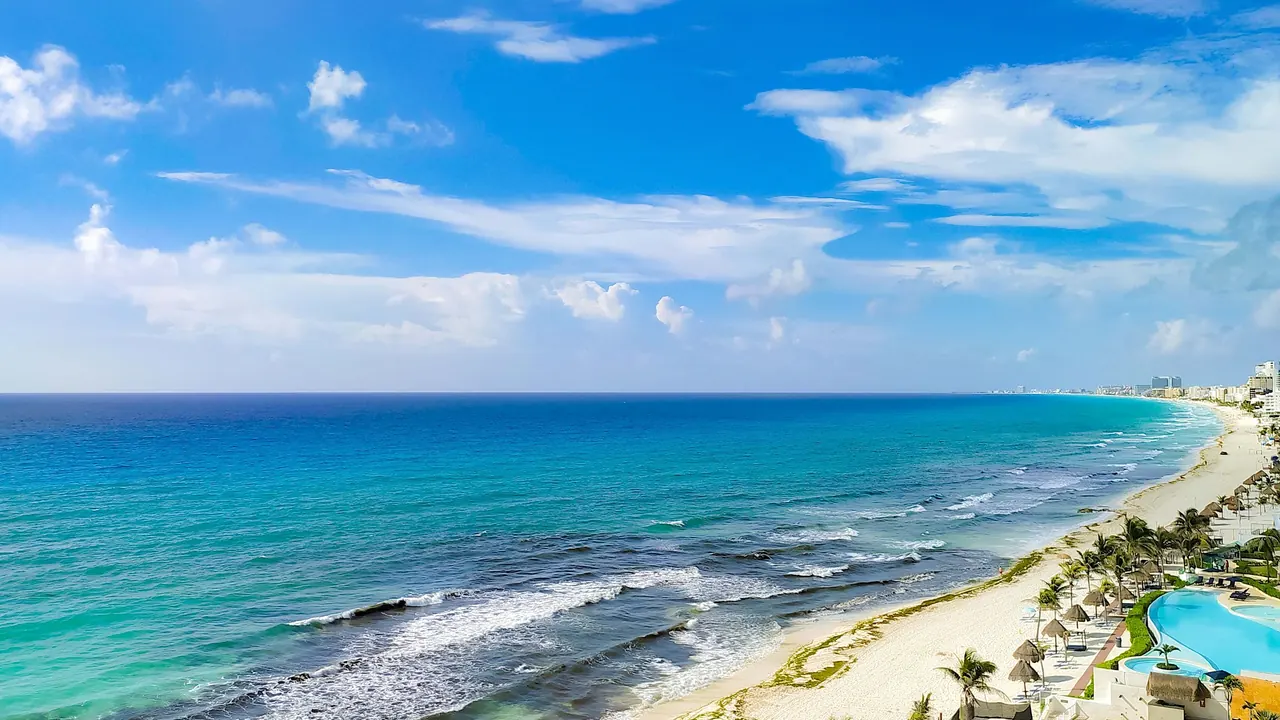
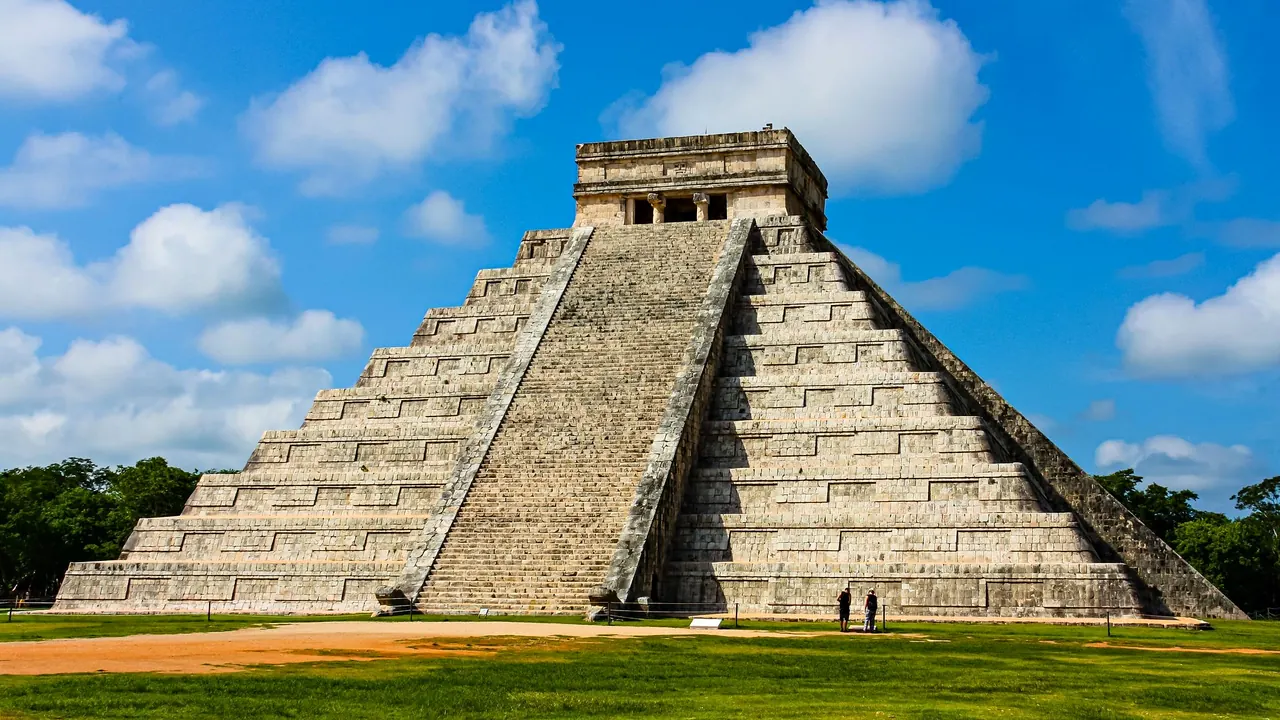
Photos: Cancun by Tellez Erik, Pexels License; Yucatan by Maciej Cisowski, Pexels License.
Cancun or Yucatan?
Our verdict in twelve categories, each scored against the same fixed benchmark cities, and the climate month by month, so you can choose for your trip.
Choose Cancun for
- beaches
- nightlife
- families
Cancun is the pick for a sun-and-sea vacation that asks very little of you. Its Caribbean sand and turquoise water are far better than anything on the Gulf shore, the resorts make life easy with children, and the Party Center keeps going until dawn. The cost is history, walking and the best of the local cooking, which all mean a bus downtown or a long day on the road.
Choose Yucatan for
- culture and sights
- live music and the arts
- food and drink
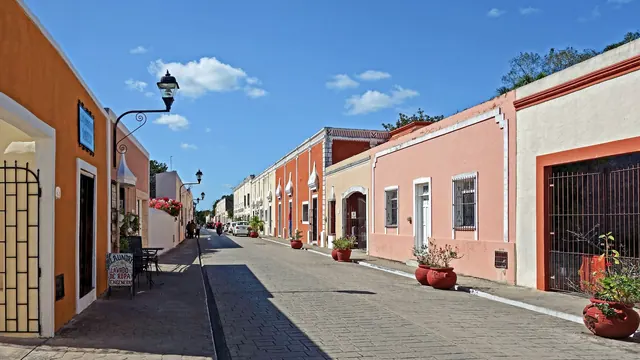
Travellers who want to see the Maya world up close, not just visit it for a day, should base themselves in Yucatan. Uxmal, Chichen Itza and the Puuc sites, the colonial streets of Mérida, Izamal and Valladolid, and a regional kitchen at its best in Mérida's markets make for a trip spent moving between towns, ruins and cenotes. It is noticeably cheaper as well, though the sea is greener and the beach is never the main event.
Scoreboard
Twelve categories on one fixed scale from 0 to 100. The shaded stretch is the gap between the two.
Your match
Pick a travel style or drag the sliders, and both match scores follow your weighting.
Wins on beaches and nightlife with your weighting.
Wins on culture and sights and live music and the arts with your weighting.
What matters to you?
Category by category
What the scores mean for a trip.
Beaches & swimming
Cancun is built for the beach, and it shows. About 22km of fine coral sand runs along the Hotel Zone. The water is turquoise, calm and shallow along the northern arm by the bay, and rougher with stronger currents on the open eastern shore. Playa Norte on Isla Mujeres is a short ferry ride away.
Yucatan faces the Gulf, so you get a low coast of fishing villages such as Progreso, Sisal and El Cuyo, with calm but often greenish water. Its best swimming is inland, in cool, clear cenotes around Homún, Cuzamá and Valladolid. These make a fine change from the sea but no replacement for a Caribbean beach.
Food & drink
The two share the same Yucatecan dishes: cochinita pibil, sopa de lima, panuchos and habanero salsa. In Cancun, though, you have to go looking for them. The Hotel Zone mostly serves buffets and international menus, and the real eating happens downtown at taco stands, around Parque de las Palapas and in Mercado 28 and Mercado 23.
Mérida is where this cooking is at its best and goes deepest. Morning cochinita tacos and lunch counters in the Lucas de Gálvez and Santiago markets sit alongside restaurants that rework local ingredients. The city also has the Lebanese-Yucatecan side of the kitchen, kibis and shawarma-style tacos, which Cancun barely touches.
Culture & sights
Cancun was built as a resort from the 1970s onwards and has little history of its own. The Maya Museum, with the small San Miguelito ruins in its grounds, fills an afternoon, and El Rey and El Meco add a little more.
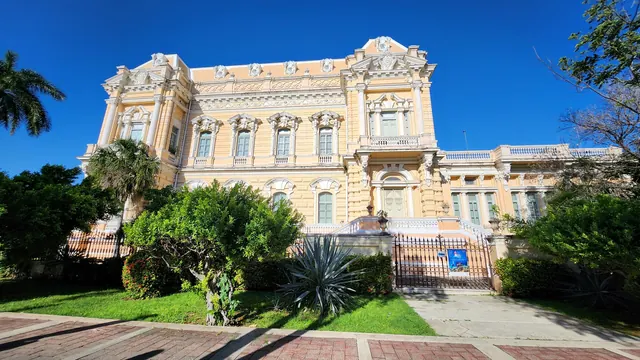
Yucatan is where the great sites actually are. Chichen Itza and the Puuc stonework of Uxmal are the famous ones, while Kabah, Sayil, Labná and Ek Balam are quieter. On top of that comes a colonial layer: Mérida's cathedral and Paseo de Montejo, yellow Izamal around its Franciscan convent, and the old henequen haciendas.
Nightlife
If you want a big night out, Cancun is the place. The Party Center at the bend of the Hotel Zone has huge clubs with acrobats, confetti and open-bar wristbands, and they run until four or five in the morning. What it lacks is variety, and the local bars are downtown around Avenida Tulum.
Mérida offers something quieter and more social. Plazas fill after dark, Calle 60 has cantinas serving botanas with every round, and there are mezcal bars and rooftop terraces. Outside the city, the colonial towns and coastal villages are quiet by late evening.
Nature & outdoors
Both sit on flat limestone with no real hiking, and both have cenotes. Cancun has the stronger outdoors overall, thanks to its sea: the Mesoamerican Reef off Puerto Morelos and Isla Mujeres, the underwater sculptures of MUSA, swimming with whale sharks from June to September, and kayaking through the Nichupte mangroves.
Yucatan's wildlife is different. Boats in the Celestún and Ría Lagartos biosphere reserves pass large flocks of flamingos, along with crocodiles and the pink salt flats. It is also good birding country, with cycling routes linking villages and cenotes.
Day trips
From Cancun, the great Maya sites take a long day. Chichen Itza is about two and a half hours each way, and Coba and Ek Balam are around two. The easy outings are along the coast: Isla Mujeres, Playa del Carmen and Tulum.
Yucatan puts those ruins on your doorstep. From Valladolid, Ek Balam is about half an hour away and Río Lagartos is close by. From Mérida, the Puuc route, Izamal and the ports of Celestún and Sisal are easy days out, and walled Campeche is within reach if you are willing to make it a long one.
Good for families
Cancun is the easier choice with young children. All-inclusive resorts come with kids' clubs and shallow pools, the bay beaches are gentle, and there is an aquarium plus the eco-parks down the coast to fill whole days.
Yucatan suits families who like adventure: flamingo boat trips, cenotes and ruins with iguanas on the stones. There are few attractions built for children, though, and midday heat at open sites and long car days make it harder work with small ones.
Getting around
Cancun is one long road, Boulevard Kukulcan. Buses along it to downtown are simple to use, but walking any distance in the heat is hard, and cenotes and ruins usually mean a tour or a hire car.
Yucatan is easier to get around. Mérida's centre is compact and flat enough to walk early and late in the day, comfortable buses link the main towns and the major ruins, and colectivo vans reach the villages. A car still helps for the scattered Puuc sites and the coastal reserves.
Shopping & style
Cancun's shopping is mostly air-conditioned malls in the Hotel Zone with international labels and duty-free. The crafts are in Mercado 28, where most stalls sell the same stock.
Yucatan has the better crafts, bought nearer to where they are made. In Mérida that means hammocks, guayaberas, huipiles and jipi palm hats around the Lucas de Gálvez market, plus design shops along Paseo de Montejo. Izamal and Valladolid have workshops and small artisan centres. Neither has fashion streets worth the trip.
Affordability
Cancun is among the pricier places in Mexico, and most of the spending is on the beach strip: waterfront rooms, resort restaurants, drinks in the Party Center and tours out to the ruins and eco-parks. An all-inclusive package won't make the stay cheap, but it does make the bill predictable. Rates ease outside the winter peak and the main vacation weeks.
In Yucatan the money goes on different things. On a trip full of ruins, every major site charges both federal and state entry fees, and a night in a restored hacienda or in one of the mansion hotels of Mérida is priced for international travellers. Even with those extras, a comfortable trip here costs far less than the same comfort on the Caribbean coast.
Live music & performing arts
Cancun's stage is built for visitors: folkloric dinner shows, entertainment in the resorts and evening spectacles at the eco-parks. There is no theatre or concert life worth planning around.
Mérida has more, and it is its own. There are free evenings of trova yucateca, jarana dancers and the Maya ballgame re-enactment in front of the cathedral. The Teatro José Peón Contreras and the Yucatán Symphony Orchestra add a formal season, and village vaquerías add more outside the city.
Wellness & relaxation
The two are about level for rest, but it comes in different settings. Cancun's is resort-scale, with hydrotherapy circuits, ocean-view treatment rooms and massages on the sand. For real quiet, go to the southern end of the strip, to Isla Mujeres or to Puerto Morelos.
In Yucatan, you rest at old henequen haciendas, with spas in former machine rooms and pools among ruined walls, and the slow routine of Izamal and Valladolid suits it well. Both offer the Maya temazcal steam ceremony.
When should you go?
Pick your month. The climate figures are measured averages, not a forecast.
Cancun in July
Yucatan in July
Daytime high, °C
Rainfall in the month, mm
Where the figures come from
Cancun has no weather station within reach, so its figures come from a gridded climate model rather than a measured record, and read a broad area rather than one spot.
Yucatan's temperatures are measured 65 km from the centre, at Merida / lic Manuel Crecencio.
Yucatan has no rain gauge within 25 km of the centre, so its rainfall comes from a gridded climate dataset read at the destination rather than from a gauge further away.
Temperature and rainfall are climate normals, averaged over the years shown. Cancun: 2001-2020 normals, NASA POWER reanalysis grid, no weather station within 90 km. Yucatan: 1991-2020 normals, Merida / lic Manuel Crecencio (65.4 km from centre).
Cancun's weather barely changes, with daytime highs close to 30°C through most of the year and a sea warm enough to swim in every month, still 27°C in January. The difference is rain. From December to April the weather is mostly dry and the beach is at its best. Showers build from June, and September and October are the wettest stretch, with October bringing around 224mm.
Where most visitors stay in Yucatan it is a lot hotter inland. In April and May highs reach 37°C, which makes midday at an open ruin hard going, even though those are the sunniest months. From November to February the heat drops to a level where walking the towns and climbing the sites is comfortable, and those months are dry too. The wet season runs from June to October, much as in Cancun. The Gulf water falls to around 24°C in winter, so on that coast the cooler months are better for exploring than for swimming.
Which traveller are you?
On a beach and sun trip, choose Cancun. Its long Caribbean shore has fine pale sand and clear warm water every month, with calm bay beaches for easy swimming. Yucatan's shallow, greenish Gulf coast only really works for a few slow days.
For a culture and arts trip, Yucatan wins easily. Uxmal, Chichen Itza, the Puuc sites, colonial Mérida and yellow Izamal are all within reach, and in the evenings there is trova and jarana in the plazas. Cancun has one good museum and little else.
On a trip on a tight budget, Yucatan goes further. Market lunches, intercity buses, cenote entries and simple guesthouses in old colonial houses all cost little. In Cancun, the Hotel Zone is priced for international visitors and only downtown stays cheap.
Before you go
| Measure | Cancun | Yucatan |
|---|---|---|
| Official language | Spanish, Nahuatl, Yucatec Maya | Spanish, Nahuatl, Yucatec Maya |
| Currency | Mexican Peso (MXN) | Mexican Peso (MXN) |
| Sockets | AB127 V, 60 Hz | AB127 V, 60 Hz |
| Driving side | Right | Right |
| Time zone | UTC-5 | UTC-6 |
| Emergency number | 911 | 911 |
| Elevation | 5 m | - |
| Main airport | Cancún International Airport (CUN)14 km from centre136 non-stop destinations | Manuel Crescencio Rejón International Airport (MID)22 non-stop destinations |
| Public holidays this year | 9 days | 9 days |
By the numbers
| Measure | Cancun | Yucatan |
|---|---|---|
| Population | 888,797 | 2,320,898 |
| Museums within 10 km | 1 | - |
| UNESCO World Heritage sites within 50 km | 0 | - |
| Swim season, months above 21 °C | 12 months | 12 months |
Where else could you go?
Every comparison below shares a destination with this one, so you can follow Cancun or Yucatan somewhere new.
- Isla Mujeresvs Cancun
- Playa del Carmenvs Cancun
- Riviera Mayavs Cancun
- Cozumelvs Cancun
- Akumalvs Cancun
- Tulumvs Cancun