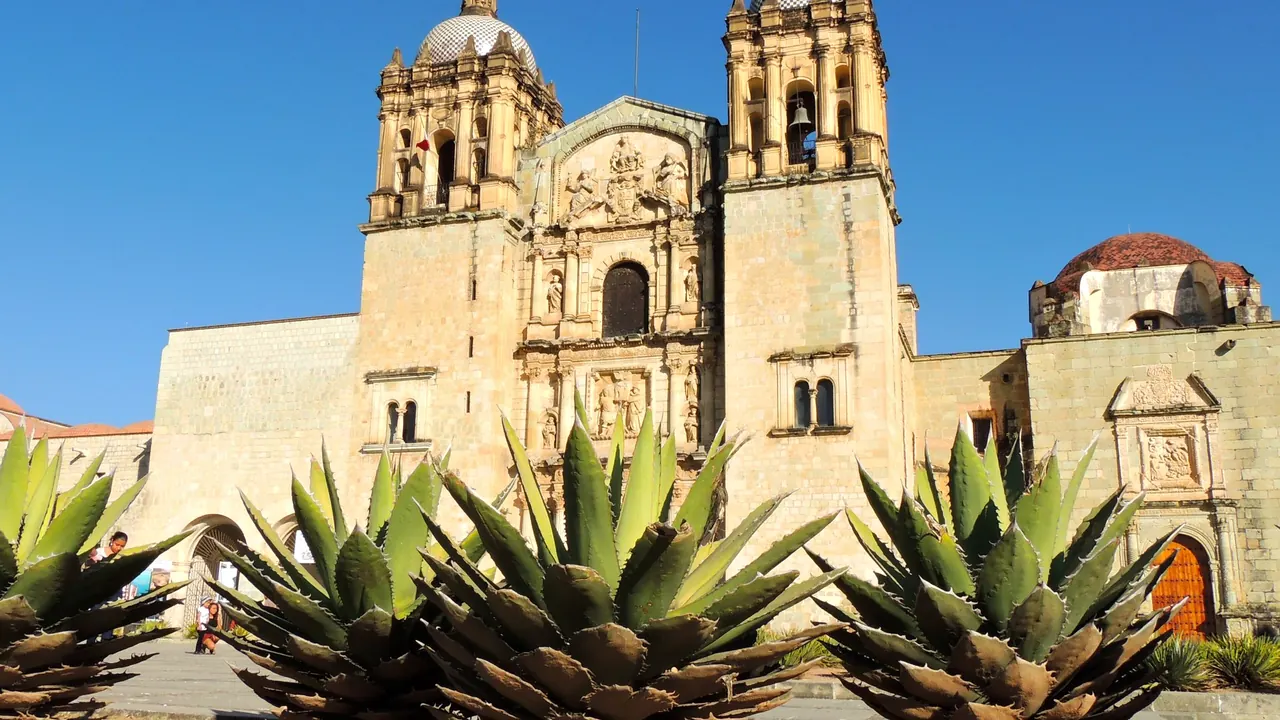
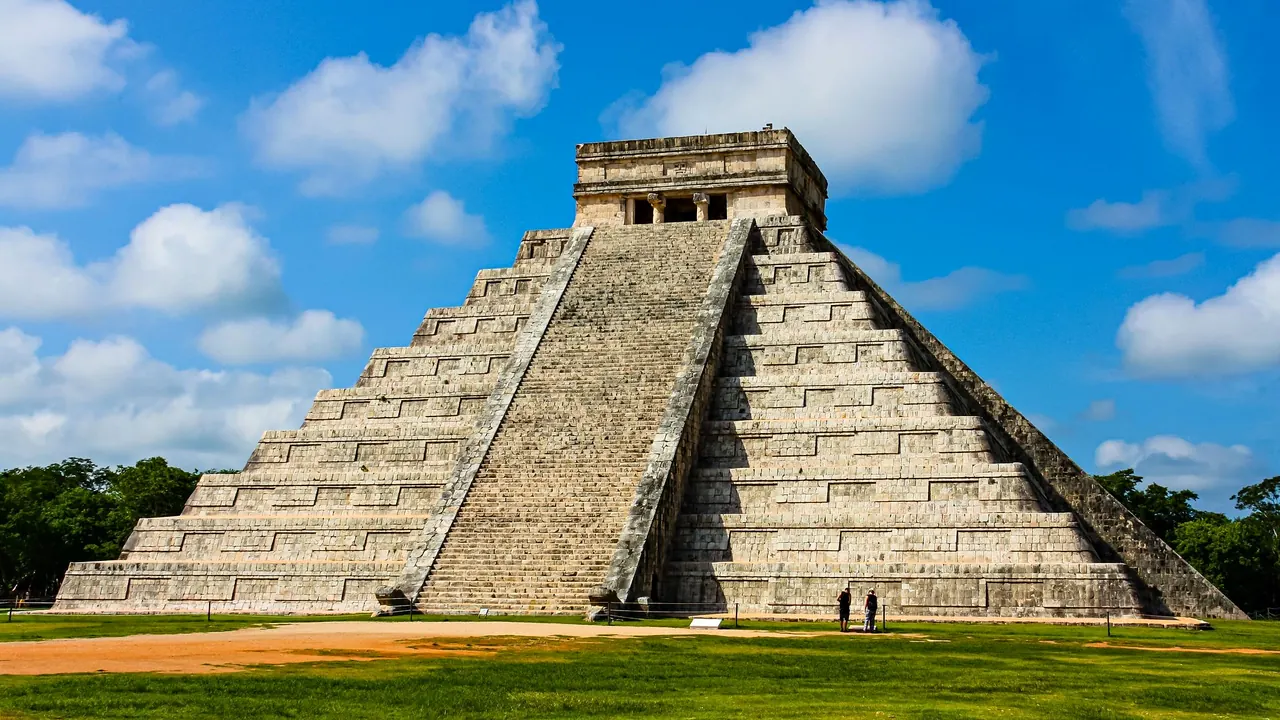
Photos: Oaxaca by Öskr Rck, CC BY-SA 3.0, cropped; Yucatan by Maciej Cisowski, Pexels License.
Oaxaca or Yucatan?
Our verdict in twelve categories, each scored against the same fixed benchmark cities, and the climate month by month, so you can choose for your trip.
Choose Oaxaca for
- shopping
- food and drink
- prices
Oaxaca suits travellers who want one base and plan to eat, drink and shop well from it. Its moles, markets and village mezcal make it the stronger of the two for food. The craft villages around the valley are better places to buy, and almost everything in the centre is a short walk away, with Monte Albán and the weaving towns under an hour out. What you give up is the sea, so any beach time means a separate leg to the Pacific coast.
Choose Yucatan for
- beaches
- families
- live music and the arts
Yucatan is the better pick for a trip that moves around. You would use Mérida and Valladolid as bases, hire a car or join tours, and split your days between Maya ruins, cenotes and the Gulf shore. Chichen Itza and Uxmal give it the greater archaeology. The cenotes and shallow beaches make it easier with children, and Mérida's free performances in its plazas fill the evenings. The cost is heat and long drives, and its cooking, good as it is, is not as deep as Oaxaca's.
Scoreboard
Twelve categories on one fixed scale from 0 to 100. The shaded stretch is the gap between the two.
Your match
Pick a travel style or drag the sliders, and both match scores follow your weighting.
Wins on shopping and food and drink with your weighting.
Wins on beaches and families with your weighting.
What matters to you?
Category by category
What the scores mean for a trip.
Beaches & swimming
On beaches the two could hardly be further apart. Oaxaca sits in a highland valley with mountains between it and the sea, so in the city a swim means a hotel pool. The Pacific at Puerto Escondido or Huatulco is a separate journey of several hours by road, or a short flight.
Yucatan has the Gulf coast within easy reach. Progreso is about forty minutes from Mérida, and Sisal and El Cuyo are quieter villages along the same shore. The water is shallow and calm, though often greenish. The best swimming, though, is in the cenotes around Homún, Cuzamá and Valladolid, clear freshwater pools that Oaxaca cannot match.
Food & drink
Both have regional cuisines that Mexicans travel for, but Oaxaca's goes further. Its range of moles, the tlayudas crisped over charcoal, the grilling aisle of the 20 de Noviembre market and mezcal from the surrounding valleys put eating at the centre of a stay. A group of serious chefs also builds tasting menus on local maize.
Yucatan's cooking is just as distinctive, built on sour orange, achiote and pit-roasted cochinita pibil, with a Lebanese side in its kibis. Mérida's markets and restaurants cook it well. Away from Mérida, though, it becomes simple village food, and there is no drinking tradition to match Oaxaca's village mezcal.
Culture & sights
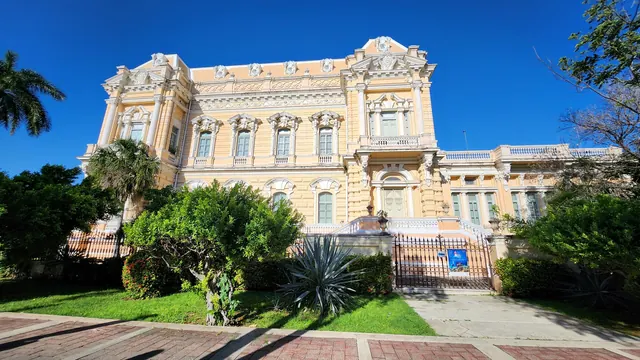
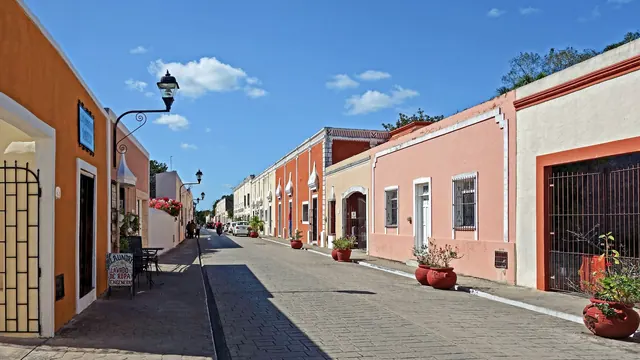
For culture, Yucatan has the bigger draw. Chichen Itza and Uxmal are among the great Maya sites, and the Puuc ruins and Ek Balam add quieter ones. The colonial side runs from Mérida's cathedral and Paseo de Montejo to all-yellow Izamal and Valladolid, with old sisal haciendas in between.
Oaxaca's culture is more concentrated. It has one UNESCO-listed centre in green stone around the gilded church of Santo Domingo, the Monte Albán gold in the museum next door, and an art scene of printmakers, the Tamayo collection and the Textile Museum. It rewards two or three unhurried days, while Yucatan's sights take a week of driving.
Nightlife
Neither is a place for clubbing, and evenings in both are about drinks and conversation. In Oaxaca that means mezcal tasting bars in the centre and Jalatlaco and rooftop terraces over Santo Domingo, and most nights end early. Mérida starts later because of the heat, with plazas full of locals and cantinas on Calle 60 that serve snacks with every round, while Yucatan's smaller towns are quiet by late evening.
Nature & outdoors
Both offer good days outdoors, but of opposite kinds. Oaxaca has mountains. In the Sierra Norte, villages jointly run trails through pine-oak and cloud forest at up to about 3,000m. There are also the mineral cliffs of Hierve el Agua and mountain biking among the agave fields.
Yucatan is flat and makes up for it underground and on the water. You can snorkel and cave-dive in the cenotes or take a boat among flamingos and crocodiles in the mangroves at Celestún and Ría Lagartos. Walkers will prefer Oaxaca, while birders and swimmers will prefer Yucatan.
Day trips
Yucatan has more for a run of day trips, and bigger names among them. From Mérida there is the Puuc route, Izamal and the coast, and from Valladolid, Ek Balam and Río Lagartos. Campeche or even Tulum can fill a long day. The distances are greater, though.
Oaxaca's outings are smaller and closer, most within an hour. They include the giant cypress at Tule, the weavers of Teotitlán, the stone fretwork of Mitla and the mezcal villages, with the remote Mixteca monasteries for a longer day. What it lacks is a second colonial city to visit, which Yucatan has in Campeche.
Good for families
Yucatan is the easier choice with children, mainly because of the water. There are cenotes to swim in, flamingo boat trips, and Gulf beaches shallow enough for small swimmers. Heat and long drives to the ruins are the price, so days work best with early starts and a pool in the afternoon.
Oaxaca welcomes children just as warmly, and older ones enjoy painting alebrijes or making chocolate. With no beach, zoo or aquarium, though, the main outings are ruins with little shade, and the cobbles are hard on pushchairs. Younger children tend to get bored sooner.
Getting around
The difference is between a city you can walk and a region you have to drive. In Oaxaca almost everything is within twenty minutes' walk of the zócalo. Cheap taxis, colectivos or a driver for the day cover the valley villages, so a car is rarely needed.
In Yucatan, Mérida's centre is flat and walkable, and good long-distance buses link the main towns and ruins. The cenotes, Puuc sites and coastal reserves are scattered, though, so most visitors either hire a car for the straight, well-kept roads or rely on tours.
Shopping & style
Both are places for crafts rather than fashion, and Oaxaca is the stronger of the two. Between the galleries along the Macedonio Alcalá, the workshop villages and the weekly markets at Tlacolula and Ocotlán, buying becomes a central part of the trip. Rugs come from Teotitlán, black pottery from San Bartolo Coyotepec and alebrijes from Arrazola.
Yucatan's range is narrower. Mérida's Lucas de Gálvez market and design shops sell hammocks, guayaberas, jipi palm hats and huipiles, and Izamal and Valladolid have small artisan centres. Beyond crafts there are only the malls on Mérida's northern edge.
Affordability
Oaxaca stays cheap as long as you eat and travel the way the valley does: tlayudas and lunches at family-run fondas, colectivos out to the craft villages, and modest fees at Monte Albán and Mitla. Costs jump in two places, the chef-led tasting menus and the weeks of the Guelaguetza and the Day of the Dead, when rooms fill and cost much more.
In Yucatan, how much you spend depends more on how you get around. Buses between Mérida and Valladolid and entry to the cenotes cost little. A trip built around ruins adds up, though, because Chichen Itza and Uxmal charge both federal and state fees, and the scattered sites usually mean a hire car or tours. The treat here is a night in a restored henequen hacienda, and even then a stay costs far less than on the Caribbean coast to the east.
Live music & performing arts
Thanks to Mérida, Yucatan has more live performance in an ordinary week. Its plazas host free trova serenades, jarana dancers balancing trays on their heads and a re-enactment of the Maya ballgame, and the Yucatán Symphony Orchestra plays at the Teatro José Peón Contreras.
Oaxaca's performance year peaks with the Guelaguetza in July and the Day of the Dead processions. Between them it is mostly the state band and marimbas in the zócalo and occasional concerts at the Teatro Macedonio Alcalá, which are pleasant but rarely a reason to go.
Wellness & relaxation
Both share the temazcal sweat-lodge tradition, and the difference lies in the setting. In Oaxaca it is a ceremony with a traditional healer in the city or a valley village, in an unhurried town of shaded courtyards, hot chocolate and small spas. Yucatan's restful stays centre on restored henequen haciendas with spas, gardens and pools, or quiet days in Izamal and Valladolid, since Mérida itself is noisier.
When should you go?
Pick your month. The climate figures are measured averages, not a forecast.
Oaxaca in July
Yucatan in July
Daytime high, °C
Rainfall in the month, mm
Where the figures come from
Yucatan's temperatures are measured 65 km from the centre, at Merida / lic Manuel Crecencio.
Yucatan has no rain gauge within 25 km of the centre, so its rainfall comes from a gridded climate dataset read at the destination rather than from a gauge further away.
Temperature and rainfall are climate normals, averaged over the years shown. Oaxaca: 1961-1990 (rainfall 1991-2020) normals, Oaxaca, Oax. (1.1 km from centre). Yucatan: 1991-2020 normals, Merida / lic Manuel Crecencio (65.4 km from centre).
Both are best in the dry winter, but Oaxaca's good season lasts longer. The valley's altitude keeps days warm rather than hot through the year, mostly in the high twenties. From November to March it is almost rainless and very sunny, which is ideal for walking the centre and the ruins. April brings the hottest days and the first showers. From June to September the rains reach around 150mm a month, turning the valley green but cutting the sunshine and washing out some mountain trails.
Yucatan's figures are measured in the north, where most visitors stay. It is much hotter, and its comfortable window is shorter, from November to February. By March the heat is building, and in April and May days reach 37°C, too hot for an open ruin at midday. The wet season peaks in September at 171mm. The Gulf is warmest at 28°C in September and October and cools to about 24°C in midwinter, which is still pleasant for a swim. The cenotes stay cool all year.
Which traveller are you?
On a beach and sun trip, Yucatan is the only real choice of the two. The calm Gulf coast is under an hour from Mérida and the cenotes offer clear swimming inland. Oaxaca has no sea, and reaching the Pacific is a separate trip.
On a shopping trip, Oaxaca is better. Weavers in Teotitlán, potters in San Bartolo Coyotepec and woodcarvers in Arrazola sell straight from their workshops, and the galleries and markets in the centre add textiles, mezcal and mole paste. Yucatan's crafts are good but the range is narrower.
On a family trip with children, Yucatan keeps them busier. Cenote swims, flamingo boat trips and shallow, calm beaches give younger children plenty to do. Oaxaca's outings are mostly hot ruins with little shade, and its cobbles are hard going with a pushchair.
Before you go
| Measure | Oaxaca | Yucatan |
|---|---|---|
| Official language | Spanish, Nahuatl, Yucatec Maya | Spanish, Nahuatl, Yucatec Maya |
| Currency | Mexican Peso (MXN) | Mexican Peso (MXN) |
| Sockets | AB127 V, 60 Hz | AB127 V, 60 Hz |
| Driving side | Right | Right |
| Time zone | UTC-6 | UTC-6 |
| Emergency number | 911 | 911 |
| Elevation | 1,555 m | - |
| Main airport | Xoxocotlán International Airport (OAX)7 km from centre15 non-stop destinations | Manuel Crescencio Rejón International Airport (MID)22 non-stop destinations |
| Public holidays this year | 9 days | 9 days |
By the numbers
| Measure | Oaxaca | Yucatan |
|---|---|---|
| Population | 258,913 | 2,320,898 |
| People per km² | 3,028 | - |
| Museums within 10 km | 10 | - |
| UNESCO World Heritage sites within 50 km | 2 | - |
| Swim season, months above 21 °C | - | 12 months |
Where else could you go?
Every comparison below shares a destination with this one, so you can follow Oaxaca or Yucatan somewhere new.
- Puerto Escondidovs Oaxaca
- Huatulcovs Oaxaca
- Tulumvs Yucatan
- Holboxvs Yucatan
- Riviera Mayavs Yucatan
- Cozumelvs Yucatan