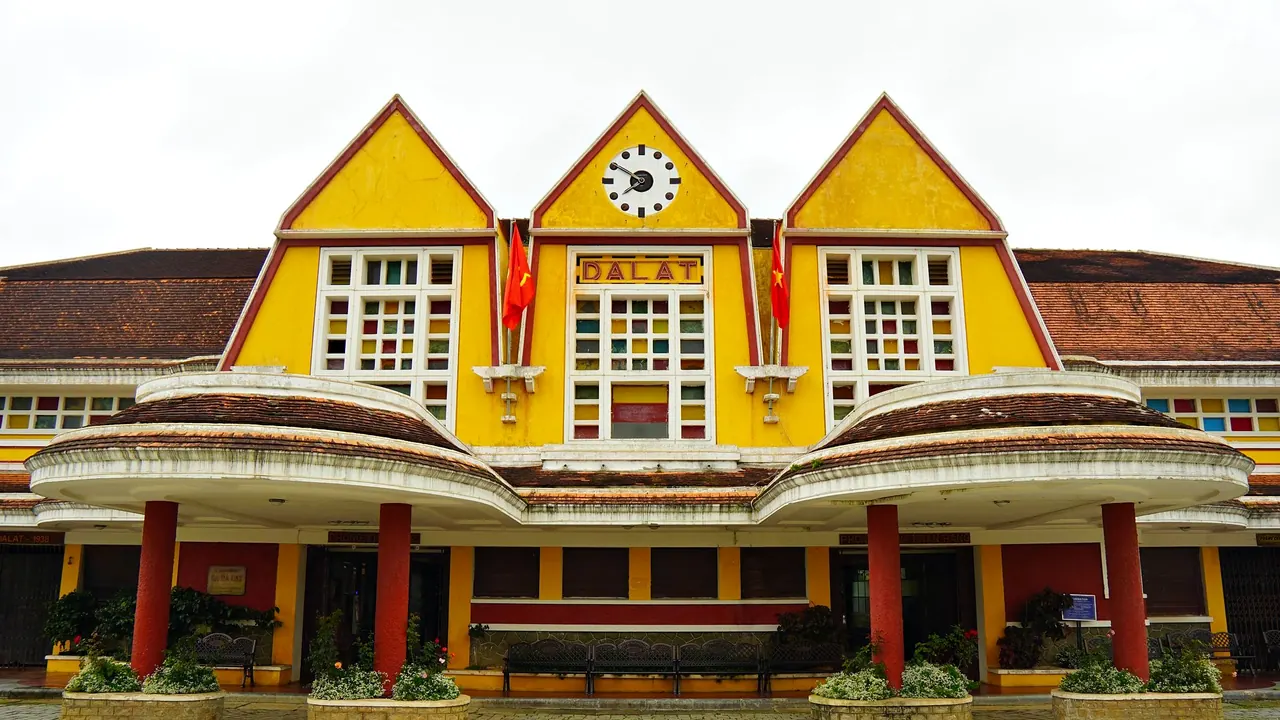
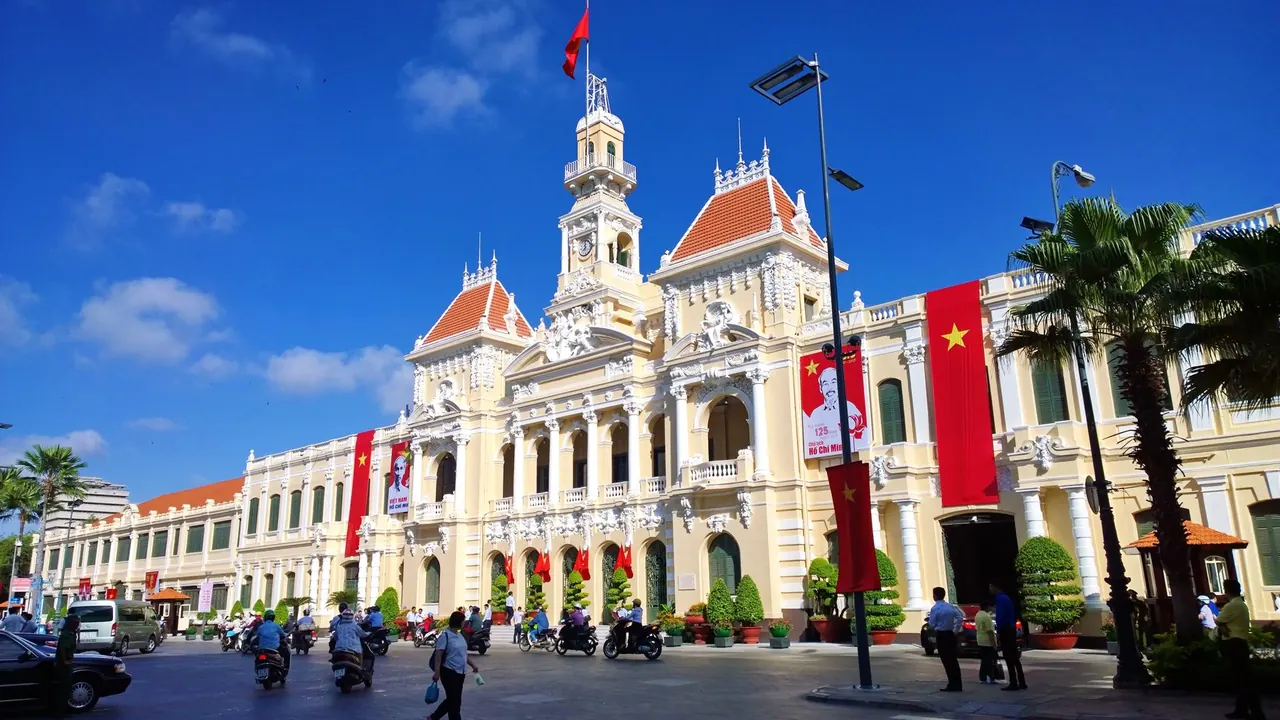
Photos: Da Lat by Pham Huynh Tuan Vy, Pexels License; Ho Chi Minh City by trungydang, CC BY 3.0, cropped.
Da Lat or Ho Chi Minh City?
Our verdict in twelve categories, each scored against the same fixed benchmark cities, and the climate month by month, so you can choose for your trip.
Choose Da Lat for
- nature and the outdoors
- families
- prices
Da Lat suits travellers who want cool mountain air and a slower pace. Its pine hills, lakes and waterfalls are the reason to go, with trekking on Langbiang, canyoning at Datanla and long mornings over local coffee. Families escaping the lowland heat do well here too. Don't come for nightlife, shopping or a big museum programme, because there is little of any of them.
Choose Ho Chi Minh City for
- nightlife
- day trips
- food and drink
Ho Chi Minh City is for people who travel to eat, stay out late and get to grips with the country's recent history. Street food at every turn, rooftop and pavement bars, the War Remnants Museum and the Reunification Palace fill several full days. Cu Chi and the Mekong Delta are both easy outings. In return you get heavy heat, dense traffic and almost no green landscape nearby.
Scoreboard
Twelve categories on one fixed scale from 0 to 100. The shaded stretch is the gap between the two.
Your match
Pick a travel style or drag the sliders, and both match scores follow your weighting.
Wins on nature and the outdoors and families with your weighting.
Wins on nightlife and day trips with your weighting.
What matters to you?
Category by category
What the scores mean for a trip.
Beaches & swimming
Neither city is a beach base, but Ho Chi Minh City gets you to the sea more easily. Vung Tau is about two hours away by road or by fast boat down the Saigon River, so you can swim and be back the same day. The water there is warm, though often cloudy, and the beaches fill with city crowds at weekends.
From Da Lat the coast at Ninh Chu Bay or Nha Trang means a drive of nearly three hours down winding passes. That works as an overnight stop or as the next leg of the route, not as an afternoon on the sand.
Food & drink
Da Lat eats well in a small, seasonal way. Most evenings centre on the market steps, with grilled rice paper, bánh căn from clay moulds and hot soy milk against the chill. Hotpot with wild greens, highland avocados and strawberries come from the farms nearby. The coffee is grown on the slopes outside town.
Ho Chi Minh City is in another league, and for many visitors the food is the main reason to go. You get broken-rice plates, banh xeo, whole streets of snail stalls after dark and the Chinese-Vietnamese cooking of Cholon. On top of the street food there is a proper range of modern Vietnamese, French and international restaurants, which Da Lat largely lacks.
Culture & sights
Ho Chi Minh City has the weightier sights. The War Remnants Museum and the Reunification Palace bring the war era close, the colonial landmarks around Dong Khoi include the cathedral and the iron-vaulted Post Office, and the incense-filled assembly halls of Cholon add older heritage.
Da Lat's appeal is more about architecture and oddity: French villas among the pines, the Art Deco railway station, Bao Dai's Summer Palace, the Crazy House and the porcelain-mosaic Linh Phuoc pagoda. It is charming but light on museums. Each city's core takes two or three days, but Saigon's days leave more of a mark.
Nightlife
There is no real contest. Ho Chi Minh City's evenings start with beer at pavement tables and run on to the neon of Bui Vien. Around Nguyen Hue there are rooftop bars, cocktail rooms up old stairwells and clubs full of young locals, while Thao Dien has a calmer expatriate scene.
In Da Lat a night out usually means the market, a café and bed. A few backpacker bars and the town's famously maze-like bar make for one fun evening, but there are no clubs and the streets are quiet well before midnight.
Nature & outdoors
This is where Da Lat stands apart. It sits at around 1,500m among pine hills, lakes and valleys. Langbiang rises just north of town, and Bidoup-Nui Ba holds orchids and quiet trails through montane forest. Canyoning, abseiling, mountain biking and multi-day village treks are all well organised.
Ho Chi Minh City offers flat parks such as Tao Dan and, further out, the Can Gio mangroves with their macaques. The Mekong Delta's canals and paddies are about two hours away. There are no hills within reach, and the heat makes any hard outdoor effort a struggle.
Day trips
Ho Chi Minh City is the better base for excursions. The Cu Chi tunnels pair well with the Cao Dai Holy See at Tay Ninh. The Mekong towns of My Tho and Ben Tre offer boat trips and coconut candy workshops, and Vung Tau's hilltop Christ statue is a seaside alternative.
Da Lat is hemmed in by its mountains. Its one real day out is the descent of the Ngoan Muc pass to the Cham towers and pottery villages at Phan Rang. Otherwise you are limited to K'Ho villages, coffee farms and silk farms close to town.
Good for families
Da Lat is the more relaxed choice with children. Vietnamese families have long travelled here, so there is plenty for them: paddle boats and horse rides in the Valley of Love, strawberries to pick, a mountain coaster and a cable car over the pines. The mild air helps too. The downsides are the steep streets, the scooters and the taxis needed to reach almost everything.
Ho Chi Minh City has the water park at Dam Sen, the eccentric Suoi Tien and the old zoo, and staff everywhere make a fuss of children. Still, the humid heat and the flood of motorbikes wear families down, so a hotel pool and early-morning outings become essential.
Getting around
Ho Chi Minh City is easier to get around, though neither is simple. The core around Ben Thanh and the Opera House is compact, a metro line runs east from Ben Thanh and a river bus serves some trips. Ride-hailing and motorbike taxis cover everything else quickly. Keep your phone away from the kerb, because bag snatching from passing bikes is a known risk.
In Da Lat you can walk the hilly area around Xuan Huong Lake, but there is no public transport worth using. The waterfalls, pagodas and farms are spread over steep roads that turn slick after rain, so you depend on taxis, a hired scooter or a driver for the day.
Shopping & style
Ho Chi Minh City gives you far more to buy. You can haggle at Ben Thanh, browse the wholesale bustle of Binh Tay in Cholon, or have tailors make an ao dai or suit to measure. Lacquerware and Song Be ceramics are good crafts to take home, and Dong Khoi's malls and Thao Dien's boutiques cover fashion. Be wary of counterfeits in the tourist markets.
Da Lat's shopping is mostly edible: candied fruit, strawberry jam, artichoke tea and local beans. The night market also sells wool hats and second-hand jackets for the cold evenings.
Affordability
Both are very cheap, so the difference is in where your money goes. In Da Lat almost everything costs little, from guesthouses with views over the pines to night-market dinners and entrance fees. The exceptions are Tet and the long national breaks around Reunification Day and National Day, when domestic visitors fill the rooms and it pays to book ahead.
Ho Chi Minh City is just as cheap at street level. As the business capital, though, it also has a pricier layer of international hotels, rooftop bars and imported wine. If you eat where locals eat, that layer barely touches your budget.
Live music & performing arts
Ho Chi Minh City has an actual stage scene. The French-built Opera House is home to the ballet and the symphony orchestra and stages acrobatic shows about village life. Water puppetry plays in the centre, and cai luong, the southern reformed opera, survives in a few theatres.
Da Lat has no formal season. Its music happens in small cafés, where local singers perform ballads, many of them written about the town itself. Now and then there are Central Highlands gong performances or outdoor shows during the Flower Festival.
Wellness & relaxation
Ho Chi Minh City is the place to be pampered. Foot and body massage is part of everyday life, the long reclining hair-wash with scalp and face massage quickly becomes a daily habit, and day spas add herbal steam. Once you step back outside, though, the traffic and humidity return, and calm comes in pockets such as temple courtyards and Thao Dien's quieter streets.
Da Lat's treatments are more limited, with simple massage in town and spas at a few villa resorts. What it offers instead is the rest itself: misty lakes and cool air, best found by staying out among the pines rather than in the centre.
When should you go?
Pick your month. The climate figures are measured averages, not a forecast.
Da Lat in July
Ho Chi Minh City in July
Daytime high, °C
Rainfall in the month, mm
Where the figures come from
Da Lat has no weather station within reach, so its figures come from a gridded climate model rather than a measured record, and read a broad area rather than the city itself.
Temperature and rainfall are climate normals, averaged over the years shown. Da Lat: 1991-2020 normals, TerraClimate 4 km grid at the town, no weather station within 90 km. Ho Chi Minh City: 1991-2020 normals, Ho Chi Minh (6 km from centre).
Da Lat sits high on a plateau and stays mild all year, with afternoons never much above 25°C. Walking and trekking are comfortable in any month, though the evenings are cool enough for a jacket. Ho Chi Minh City is hot all year. Highs stay around 32°C to 33°C for most of the year and reach 35°C in April and May, when sightseeing on foot is hard work. In Saigon, early mornings are the best time to be out.
Both cities have the same basic pattern of rain. December to February is the dry stretch in each city and the easiest time to visit either. In Da Lat the showers build from March, and from May to October the wet season brings heavy afternoon rain and muddy trails. Saigon stays dry into April, then the rains arrive in May and peak in October at about 306mm, usually as afternoon downpours. The sea at Vung Tau is warm enough to swim in every month.
Which traveller are you?
On an outdoors trip, Da Lat is the clear choice. You can trek to Langbiang's summit, explore the montane forest of Bidoup-Nui Ba, go canyoning down waterfalls and ride through coffee farms. Ho Chi Minh City is flat and built up, and its nearest nature is mangrove and delta.
For a food and nightlife trip, choose Ho Chi Minh City. It has southern street cooking at every corner, the Chinese-Vietnamese food of Cholon, and evenings that run from pavement beer to rooftop and speakeasy bars. Da Lat's night market is good, but the town is asleep before midnight.
On a family trip with children, Da Lat is easier going. The mild air spares children the heat. Strawberry picking, the mountain coaster at Datanla and the cable car keep them busy. Saigon's humidity and traffic make even short walks with small children tiring.
Before you go
| Measure | Da Lat | Ho Chi Minh City |
|---|---|---|
| Official language | Vietnamese | Vietnamese |
| Currency | Dong (VND) | Dong (VND) |
| Sockets | ACFG220 V, 50 Hz | ACFG220 V, 50 Hz |
| Driving side | Right | Right |
| Time zone | UTC+7 | UTC+7 |
| Emergency number | Police 113, ambulance 115, fire 114 | Police 113, ambulance 115, fire 114 |
| Elevation | 1,500 m | 13 m |
| Main airport | Lien Khuong Airport (DLI)22 km from centre7 non-stop destinations | Tan Son Nhat International Airport (SGN)7 km from centre91 non-stop destinations |
By the numbers
| Measure | Da Lat | Ho Chi Minh City |
|---|---|---|
| City population | 406,105 | 14,002,598 |
| People per km² | 1,032 | 2,068 |
| Museums within 10 km | 0 | 9 |
| UNESCO World Heritage sites within 50 km | 0 | 0 |
| Swim season, months above 21 °C | - | 12 months |
Where else could you go?
Every comparison below shares a destination with this one, so you can follow Da Lat or Ho Chi Minh City somewhere new.
- Nha Trangvs Da Lat
- Phnom Penhvs Ho Chi Minh City
- Nha Trangvs Ho Chi Minh City
- Phnom Penhvs Da Lat
- Siem Reapvs Ho Chi Minh City
- Hoi Anvs Da Lat