Photos: Davos by Kabelleger / David Gubler, CC BY-SA 4.0, cropped; Val Cenis by Zairon, CC BY-SA 4.0, cropped.
Davos or Val Cenis?
Our verdict in twelve categories, each scored against the same fixed benchmark cities, and the climate month by month, so you can choose for your trip.
Choose Davos for
- getting around
- wellness
- nightlife
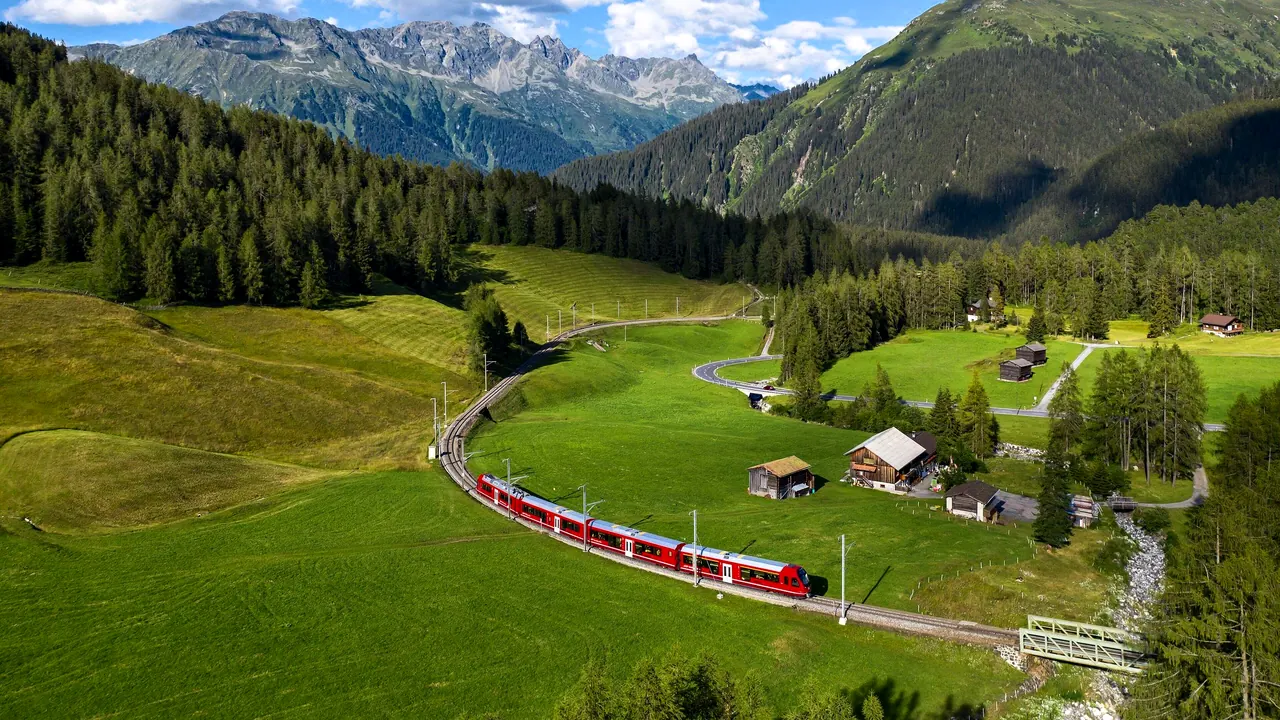
Davos suits travellers who want a big Alpine valley without a car and can absorb the cost. You arrive by train and take the bus or funicular to five ski areas or the summer trails. When you want a change of pace, there are hotel spas, a modest après-ski scene, the Kirchner Museum and scenic rail outings over the Albula line.
Choose Val Cenis for
- prices
Choose Val Cenis if the mountains are the point and the budget matters. It sits on the edge of the Vanoise National Park, its long gentle run suits beginner skiers, and self-catering in quiet villages keeps the bill well below Davos. Expect to drive, to cook many of your own meals and to spend evenings in. In summer, the pass over to Italy brings Susa and Turin within reach.
Scoreboard
Twelve categories on one fixed scale from 0 to 100. The shaded stretch is the gap between the two.
Your match
Pick a travel style or drag the sliders, and both match scores follow your weighting.
Wins on getting around and wellness with your weighting.
Wins on prices with your weighting.
What matters to you?
Category by category
What the scores mean for a trip.
Beaches & swimming
Neither is a place to swim, and there is little between them. Davos at least has a proper lido on the Davosersee, with lawns and a jetty, and a big indoor leisure pool for bad days, although the lake stays cool even in high summer.
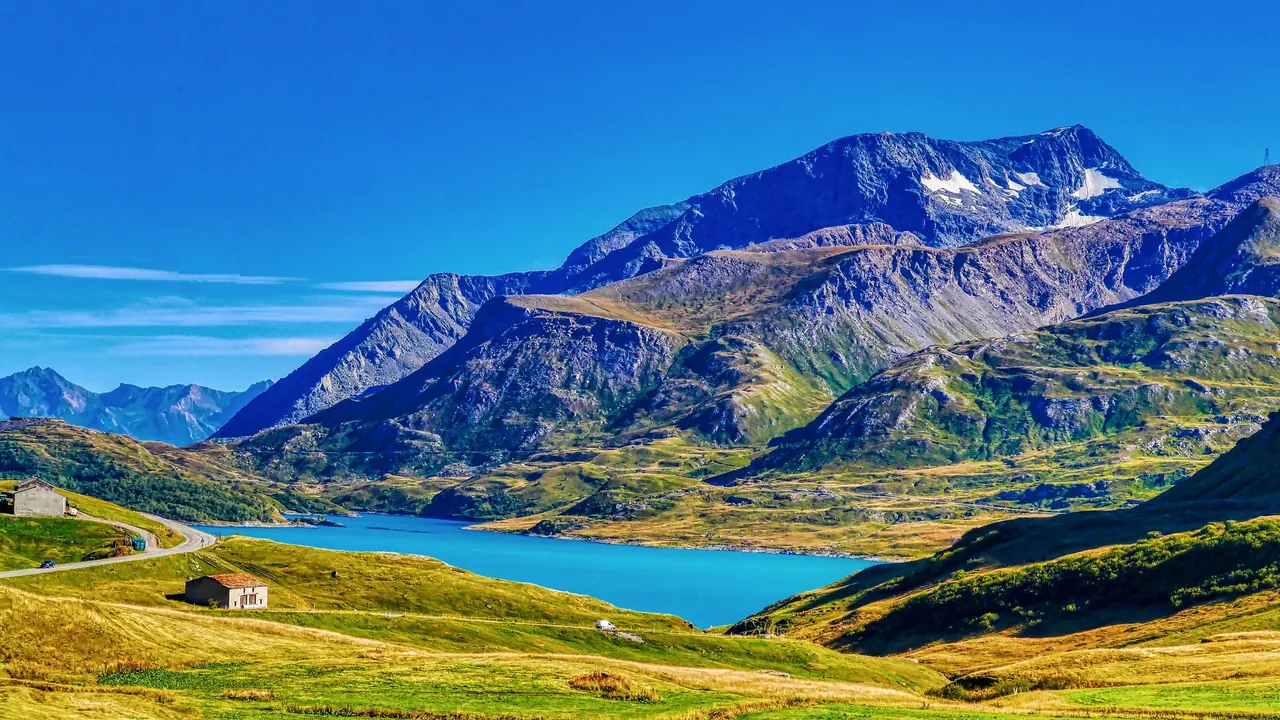
Val Cenis has no swimming lake of its own. The Mont Cenis lake is a reservoir up on the pass at nearly 2,000m, good for a walk rather than a dip, so swimming means a hotel or village pool.
Food & drink
Both serve mountain cooking, Graubünden dishes in Davos and Savoyard ones in Val Cenis, but Davos gives you more choice. Its hut lunches of capuns, pizokel and barley soup on sunny terraces are part of the day, and the town adds hotel dining rooms and a few ambitious kitchens.
In Val Cenis, the chalet restaurants serve much the same tartiflette, fondue and diots, and many visitors self-cater. Its best food is Bleu de Termignon, a rare blue cheese from the summer alpine farms, best bought straight from the cheese shops and farm sales.
Culture & sights
Neither will fill more than a day or two, but they offer different things. Davos has museums, above all the Kirchner Museum's Expressionist collection, and a literary past: the sanatoria of The Magic Mountain era are still visible in buildings such as the Schatzalp.
Val Cenis has no museum of note. Its heritage lies in the villages: stone houses with lauze roofs, Termignon's carved baroque altarpiece and the early sixteenth-century frescoes in the chapel of Saint-Sébastien in Lanslevillard.
Nightlife
Davos has an après-ski scene worth the name. In winter it moves from the bottom of the Jakobshorn and Parsenn runs to hotel bars, pubs and a couple of small clubs on the Promenade, and at weekends it goes on past midnight, though it is small and costly.
Val Cenis is a family resort. A few bars in Lanslebourg and Lanslevillard fill up after skiing, most evenings end after dinner, and between seasons there is almost nothing open.
Nature & outdoors
Both are first-rate mountain bases, and the difference is in kind. Davos gives you range: five separate ski areas, more than 100km of cross-country trails into the Sertig and Dischma valleys, and lifts that carry hikers and mountain bikers onto dense trail networks in summer.
Val Cenis has a national park on its doorstep. It borders the Vanoise, France's oldest, which makes it the place for hut-to-hut hiking among ibex and glaciers. Its ski area climbs to about 2,800m, and road cyclists come for the Mont Cenis and Iseran climbs.
Day trips
The outings are about equally good, but you reach them in different ways. From Davos the Rhaetian Railway does the work all year, over the Landwasser Viaduct and along the Albula line to St Moritz, down to medieval Chur, or through the Vereina tunnel to Guarda and Scuol.
From Val Cenis the best trips cross into Italy, mostly by car: over the Mont Cenis pass to the Roman arch at Susa and the Sacra di San Michele, or through the Fréjus tunnel to the palaces of Turin. In winter the pass closes, so Susa and the abbey drop out. Turin stays within reach by the tunnel, and so do the upper Maurienne villages of Bessans and Bonneval-sur-Arc.
Good for families
Both suit outdoor families equally well, and neither has zoos or theme parks. Davos copes better with bad weather thanks to its indoor leisure pool with slides, and it adds the Schatzalp toboggan run, a big natural rink and free buses along the valley.
Val Cenis is best for children learning to ski. Its very long easy run lets beginners come down from high on the mountain, and the small villages are calm and uncrowded, though with toddlers the cold and the mountain roads take planning.
Getting around
Davos is far easier without a car. The train from Zurich takes a little over two hours, the town has two stations, free buses with the guest card run its length, and the Parsenn funicular leaves from the town itself.
In Val Cenis the nearest railway is at Modane, half an hour down the valley. Winter shuttles link the resort villages, but outside the ski season the passes and trailheads are reached by road and most visitors drive.
Shopping & style
Neither is worth a trip for shopping, but Davos has a proper street for it. The Promenade has outdoor gear, Swiss watch and jewellery shops, a few fashion boutiques and delicatessens selling Bündnerfleisch and Nusstorte.
Val Cenis stops at ski hire, small grocers and local produce outlets. Its cheese, honey and charcuterie make good things to take home.
Affordability
Here Val Cenis wins clearly. Davos charges Swiss resort prices for rooms, meals and lift passes, the huts add a premium, and in January the World Economic Forum pushes prices higher still.
Val Cenis is moderate for the French Alps. Village apartments keep lodging reasonable, lift passes cost less than in the big resorts of the neighbouring valleys, and summer hiking in the Vanoise is free, although ski school and eating out still add up.
Live music & performing arts
Davos has the one event worth planning around: its summer classical festival, where young musicians play in churches, hotels and unusual places around the valley. Occasional concerts at the congress centre add a little more.
In Val Cenis, the offer is village festivals, a few summer concerts in the churches and resort entertainment in the ski season. Neither town has a theatre or opera season.
Wellness & relaxation
Davos was built for recovery, and its dry mountain air is still part of the draw. Most large hotels have pools and treatment rooms, the leisure pool's sauna area is open to day visitors, and the mineral baths of Scuol are an hour away.
Val Cenis has a few hotel spas with saunas and hot tubs, but no bathing culture. What it offers is calm: little traffic and quiet evenings, with no peak-week crowds like those in Davos.
When should you go?
Pick your month. The climate figures are measured averages, not a forecast.
Davos in July
Val Cenis in July
Daytime high, °C
Rainfall in the month, mm
Where the figures come from
Davos's temperatures are measured 53 km from the centre, at S. Valentino Alla Muta.
Davos has no rain gauge within 25 km of the centre, so its rainfall comes from a gridded climate dataset read at the destination rather than from a gauge further away.
Val Cenis has no weather station within reach, so its figures come from a gridded climate model rather than a measured record, and read a broad area rather than one spot.
Temperature and rainfall are climate normals, averaged over the years shown. Davos: 1991-2020 normals, S. Valentino Alla Muta (53.4 km from centre). Val Cenis: 2001-2020 normals, NASA POWER reanalysis grid, no weather station within 90 km.
Both are winter and summer destinations, with damp, quiet in-between months in May and November. Davos is the milder of the two in winter. Its daytime highs sit just above freezing in midwinter, and it warms up earlier in spring. Val Cenis stays below freezing from December to February, at around -4°C in January, which keeps the snow cold but makes village evenings bitter.
Summer is mild rather than hot. Davos reaches about 20°C in July and August and Val Cenis a couple of degrees less, which is good walking weather but not warm enough for lazing by the water. The bigger difference is rain. Davos is wettest from June to September, with around 140mm a month at the height of summer, so go then for the warmth but pack waterproofs. Its drier months are in winter. Val Cenis gets nearer 80mm a month in July and August, and September is its driest month between spring and the end of autumn, so late summer is its best time for long days on the trails.
Which traveller are you?
On a trip on a tight budget, Val Cenis is the clear choice. Self-catering apartments, lift passes cheaper than in the big neighbouring resorts and free hiking in the Vanoise keep costs moderate, while Davos charges Swiss resort prices for almost everything.
For a relaxing and wellness trip, Davos is better equipped. Its hotel spas, the leisure pool's sauna area and the mineral baths of Scuol, an hour away by train, give rest days a focus. Val Cenis offers quiet but little spa culture.
On a food and nightlife trip, neither is a real destination, but Davos gives you more. Long hut lunches of Graubünden dishes, a few ambitious kitchens and après-ski that runs past midnight on the Promenade beat Val Cenis, where evenings end after dinner.
Before you go
| Measure | Davos | Val Cenis |
|---|---|---|
| Official language | French, German, Italian, Romansh | French |
| Currency | Swiss Franc (CHF) | Euro (EUR) |
| Sockets | CJ230 V, 50 Hz | CE230 V, 50 Hz |
| Driving side | Right | Right |
| Time zone | UTC+1, UTC+2 in summer | UTC+1, UTC+2 in summer |
| Emergency number | 112 | 112 |
| Elevation | 1,559 m | 1,752 m |
| Main airport | Zürich Airport (ZRH)122 km from centre226 non-stop destinations | Turin Airport (TRN)59 km from centre65 non-stop destinations |
| Public holidays this year | 9 days | 11 days |
By the numbers
| Measure | Davos | Val Cenis |
|---|---|---|
| Population | 10,738 | - |
| People per km² | 38 | - |
| Museums within 10 km | 3 | 0 |
| UNESCO World Heritage sites within 50 km | 2 | 1 |
Where else could you go?
Every comparison below shares a destination with this one, so you can follow Davos or Val Cenis somewhere new.
- Klostersvs Davos
- Arosavs Davos
- Val d'Isèrevs Val Cenis
- Tignesvs Val Cenis
- Lenzerheidevs Davos
- Val Thorensvs Val Cenis