Dominican Republic
Puerto Plata
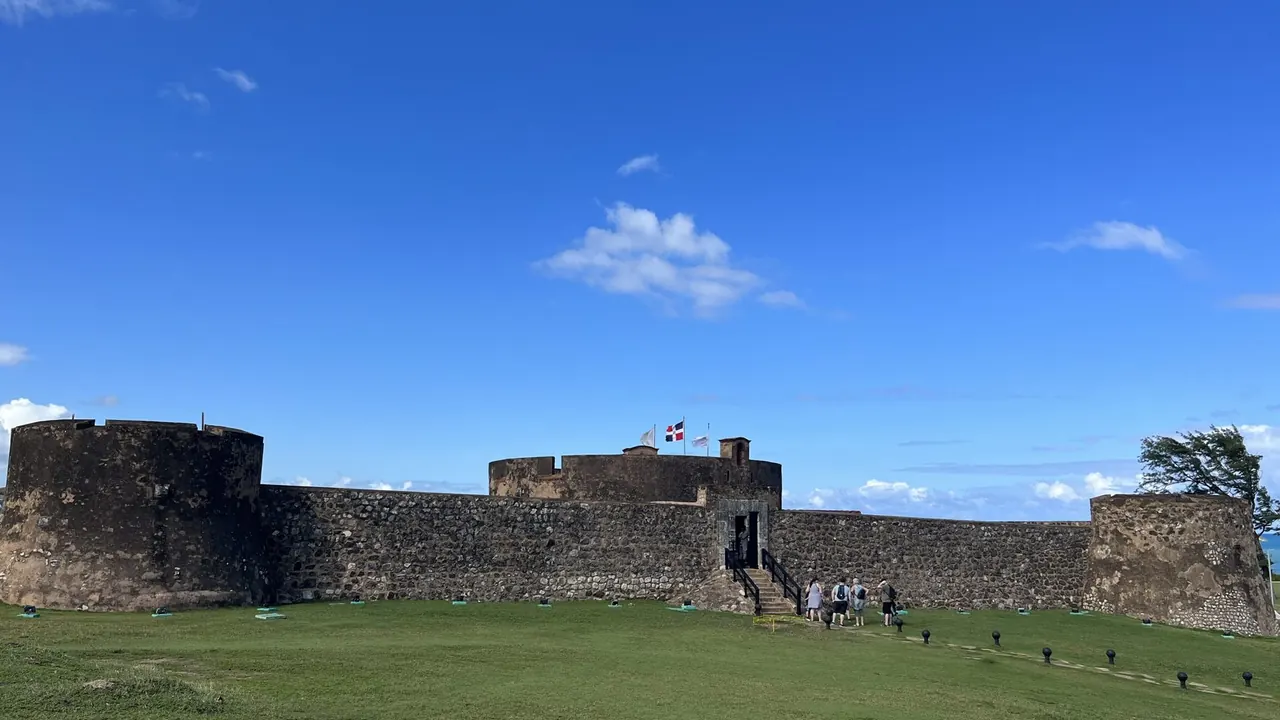
The Fortaleza San Felipe
- Beaches80
- Nature & outdoors68
- Affordable cities64
Photo: CareAhLine, CC0
Match
45
Every category weighted equally
- Beach & sun51
- Culture & arts38
- Food & nightlife39
- Family trip52
- Outdoors52
- Relax & unwind48
- Shopping & style39
- On a budget47
Puerto Plata in twelve categories
Our verdict on each, scored 0 to 100 against the same fixed benchmark cities, so a score means the same thing on every page.
Beaches & swimming. Scores 80 out of 100.
Food & drink. Scores 40 out of 100.
Culture & sights. Scores 35 out of 100.
Nightlife. Scores 38 out of 100.
Nature & outdoors. Scores 68 out of 100.
Day trips. Scores 48 out of 100.
Good for families. Scores 57 out of 100.
Getting around. Scores 30 out of 100.
Shopping & style. Scores 30 out of 100.
Affordability. Scores 64 out of 100.
Live music & performing arts. Scores 18 out of 100.
Wellness & relaxation. Scores 35 out of 100.
Puerto Plata category by category
Beaches & swimming
80Most visitors come for the sea. Puerto Plata sits on the Atlantic coast, where the water stays warm all year, around 26°C to 28°C. The city's own beach along the Malecón is fine for a walk but not much more. The golden sand at Playa Dorada, just east of the centre, is where the resort hotels are, and Cofresí to the west has a sheltered bay. Sosúa, about half an hour away, is the pick for calm, clear swimming and snorkelling inside its reef-protected horseshoe bay.
Further east, Cabarete and Playa Encuentro have long, breezy beaches with rolling surf, better for watching kites than for a quiet swim. Swells can be strong in winter on the more exposed beaches, and seaweed sometimes washes up in the warmer months. Even so, few places on this coast are far from somewhere good to swim.
Food & drink
40Eating here means Dominican home cooking: la bandera of rice, beans and stewed meat, sancocho, mofongo, tostones and fried fish with coconut rice, served in plain comedores and roadside shacks. Seafood is the best of it, grilled whole on the beaches. The coast towns of Sosúa and Cabarete add a wider spread of beachfront and international restaurants. Rum, cold local beer and mamajuana, the herb-and-rum infusion sold everywhere, cover the drinking. Range and depth are limited, though, and many visitors on all-inclusive stays barely eat outside their hotel buffets.
Culture & sights
35The old town has real character. Around Parque Independencia are wooden Victorian houses with gingerbread trim, many of them restored, and the cathedral of San Felipe. At the western end of the Malecón stands the Fortaleza San Felipe, a squat sixteenth-century Spanish fort looking out to sea. The Amber Museum, in a grand old mansion, shows off fossil-bearing amber from the nearby mountains, and the cable car up Mount Isabel de Torres leads to a large Christ statue with views over the town. It all makes a pleasant day of sightseeing, but this is not a city people choose for its sights.
Nightlife
38Evenings start on the Malecón, where locals gather at kiosks and drinking spots by the sea and music plays from parked cars on weekend nights. Dominican nightlife means dancing, and the bars and small clubs play merengue and bachata until late. Many visitors never leave the resort shows and lobby bars at Playa Dorada. The liveliest place to go out is the strip of beach bars in Cabarete, about forty minutes east. The night scene in Sosúa can feel seedy. It is fun and unpretentious, but small.
Nature & outdoors
68Mount Isabel de Torres rises right behind the town, and a cable car climbs to about 800m, where a botanical garden and cloud forest look out over the coast. The Cordillera Septentrional runs inland in green ridges. The best-known outing is the Damajagua waterfalls, about half an hour away, where guides lead visitors up through a chain of limestone pools to jump and slide back down.
The trade winds make Cabarete one of the world's best-known spots for kitesurfing and windsurfing, with schools and long reef-protected flats. Encuentro has surf breaks, Sosúa has reefs for diving, and horse riding and river trips run in the hills. The heat and humidity limit long hikes.
Day trips
48The coast towns of Sosúa and Cabarete are easy half-day trips, and Santiago de los Caballeros, the country's second city, is about an hour inland over the mountains. Its large hilltop monument and its cigar and cultural heritage make a contrast with the resort coast. To the west, La Isabela preserves the foundations of the settlement Columbus founded in 1493, near the quiet bay of Luperón. Boat trips to the sandbars of Cayo Arena from Punta Rucia, around two hours away, make a popular day out. Beyond that, the island's colonial capital and the Samaná peninsula are too far to do in a day.
Good for families
57Families mostly stay in the all-inclusive resorts at Playa Dorada and Cofresí, with pools, kids' clubs and beaches on site. The calm water at Sosúa suits small children. Cofresí has a marine park with dolphin and sea lion encounters. The cable car ride and the waterfall pools at Damajagua appeal to older children with energy. Outside the resorts, pavements are uneven, traffic is unruly and there is little else made for children, but Dominican culture is warm and welcoming to them.
Getting around
30The historic centre and the Malecón are compact enough to walk, but the resorts, beaches and sights are spread along the coast road. The cheap local option is the guagua, a shared minibus that stops wherever it is flagged down along the coast to Sosúa and Cabarete. It is lively but informal. Motoconchos, the motorbike taxis, are everywhere and not for the cautious. Most visitors use taxis, resort transfers or organised tours, and anyone exploring inland or along the far coast is better off with a hired car or driver. Driving is assertive and roads at night are poorly lit.
Shopping & style
30Shopping here centres on things local to the island. Amber comes from the mountains behind the town and larimar, a sky-blue stone found only on this island, is sold as jewellery in shops across the centre. Dominican cigars, aged rum, coffee and mamajuana are what most people take home. Beyond the craft stalls, the colourful umbrella-hung street in the old town and a small mall near Playa Dorada, there is little: no fashion streets and little choice for anyone who wants more than souvenirs.
Affordability
64Local prices are low. A plate of rice, beans and meat at a comedor, a guagua ride along the coast or a cold beer costs little, and simple guesthouses in town are cheap. Most visitors arrive on all-inclusive packages, which give good value for what they include. Costs rise for tourist taxis, excursions, imported goods and restaurants aimed at foreigners, and anyone relying on taxis and tours spends a good deal more than locals do.
Live music & performing arts
18Music is everywhere in daily life, with merengue and bachata playing from bars and street corners, and live bands often appear at weekends. Puerto Plata's carnival brings out costumed devils and parades each February. There is almost no theatre, concert or opera season to attend, though, and the performances most visitors see are resort shows.
Wellness & relaxation
35There is no bathing culture of its own. Wellness here means the spas inside the large resorts, beach massages under the palms and yoga classes in Cabarete, where the surf crowd has brought a modest retreat scene. The pace on a resort stay is slow enough to switch off, but the town itself is noisy with motorbikes and music, and nobody comes for spa treatments.
When should you go?
Pick a month to see what it is like. The climate figures are measured averages, not a forecast.
Puerto Plata in July
Daytime high, °C
Rainfall in the month, mm
The whole year
Shaded against this city’s own year: the deepest cell is its best month for that figure and the palest its weakest.
Where the figures come from
Puerto Plata has no rain gauge within 25 km of the centre, so its rainfall comes from a gridded climate dataset read at the city rather than from a gauge further away.
Temperature and rainfall are climate normals, averaged over the years shown. Puerto Plata: 1993-2020 (rainfall 1991-2020) normals, Puerto Plata (15.3 km from centre).
Before you go
| Measure | Puerto Plata |
|---|---|
| Official language | Spanish |
| Currency | Dominican Peso (DOP) |
| Sockets | AB110 V, 60 Hz |
| Driving side | Right |
| Time zone | UTC-4 |
| Emergency number | 911 |
| Elevation | 34 m |
| Main airport | Gregorio Luperon International Airport (POP)13 km from centre16 non-stop destinations |
| Public holidays this year | 13 days |
By the numbers
| Measure | Puerto Plata |
|---|---|
| Museums within 10 km | 1 |
| UNESCO World Heritage sites within 50 km | 0 |
| Swim season, months above 21 °C | 12 months |
Compare Puerto Plata with
Every comparison with a written verdict behind it.