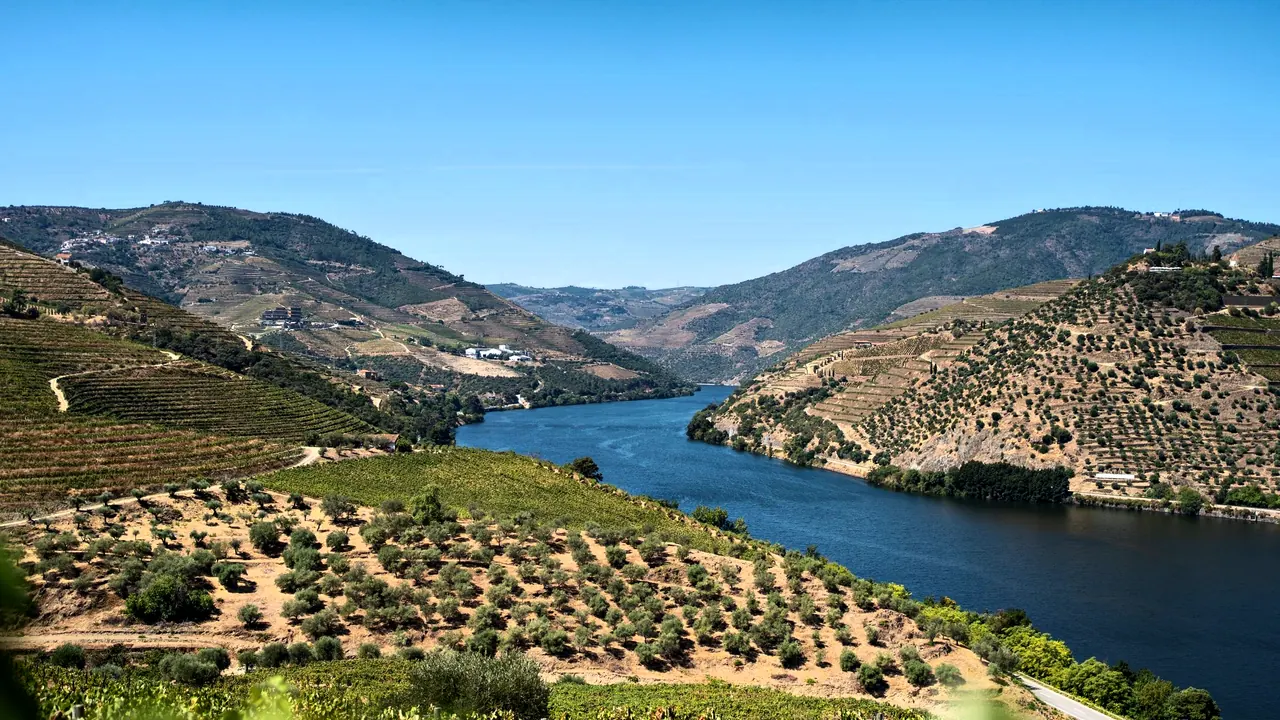
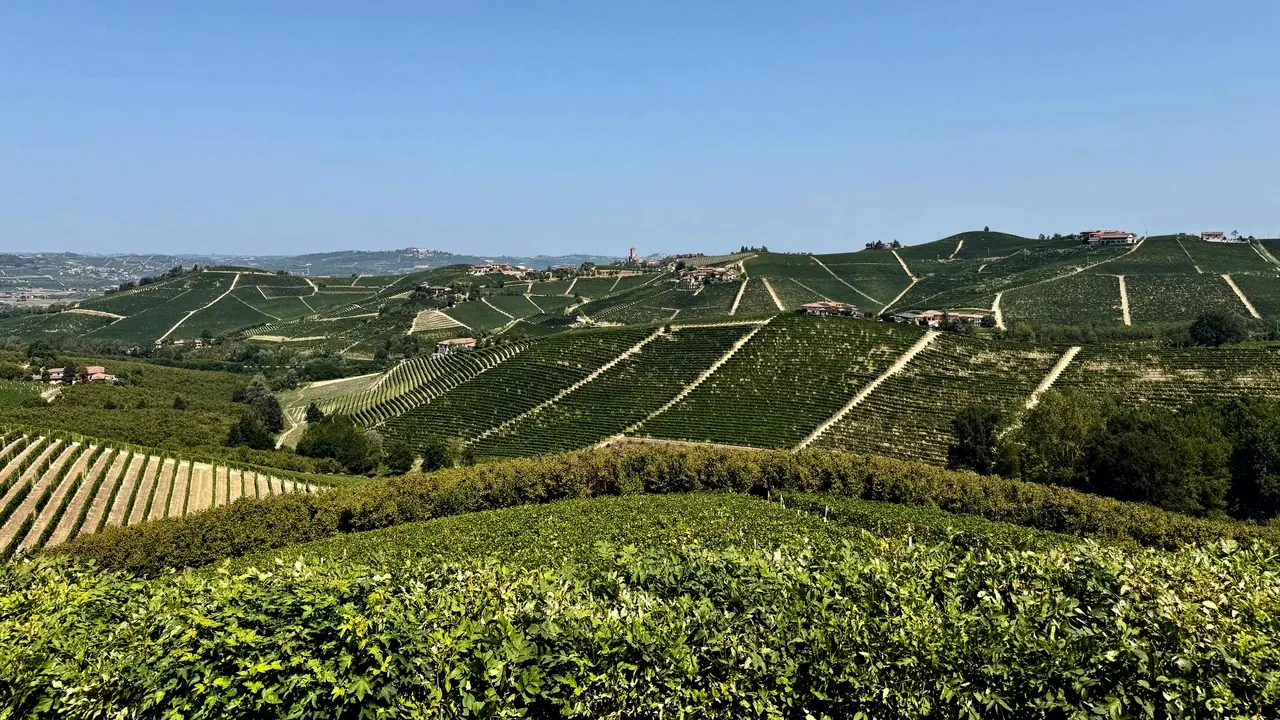
Photos: Douro Valley by Finn Ruijter, Pexels License; Piedmont by Martina Amaro, Pexels License.
Douro Valley or Piedmont?
Our verdict in twelve categories, each scored against the same fixed benchmark cities, and the climate month by month, so you can choose for your trip.
Choose Douro Valley for
- prices
The Douro Valley suits a focused, slower trip built around one thing: port and the terraced river gorge it comes from. Couples and wine lovers who want a few quiet days moving between quinta cellars, riverside train rides and viewpoints over the bends will find it does that single job beautifully, and slightly more cheaply if they stay in town. It gives little back to anyone who wants evenings out, shopping or much for children.
Choose Piedmont for
- live music and the arts
- nightlife
- shopping
Piedmont is the broader choice, and it comes out ahead in nearly every respect. It pairs a grand capital, Turin, with Barolo and truffle country in the Langhe, two swimmable lakes and real Alpine mountains, so a week can mix museums, opera, long lunches and hiking or skiing. Families, culture seekers and anyone who wants variety from one region should pick it.
Scoreboard
Twelve categories on one fixed scale from 0 to 100. The shaded stretch is the gap between the two.
Your match
Pick a travel style or drag the sliders, and both match scores follow your weighting.
Wins on prices with your weighting.
Wins on live music and the arts and nightlife with your weighting.
What matters to you?
Category by category
What the scores mean for a trip.
Beaches & swimming
Neither is a beach destination, but Piedmont at least gives a proper summer swim. The western shore of Lake Maggiore has lidos, pebble beaches and bathing platforms around Stresa and Baveno, and Lake Orta has quiet grassy spots. The water warms well in July and August.
In the Douro, swimming means a few river beaches on the Douro, Tua and Paiva, or more often the quinta pool on a hot afternoon. That is a way to cool off between tastings, not a lake stay you would plan a week around.
Food & drink
Both are wine country first, but they offer different things. The Douro is a deep but narrow experience: port and structured reds tasted on terraces between Régua and Pinhão, then roast kid, bola de Lamego and smoked sausages, with little variety and quiet village evenings.
Piedmont has much more to offer on the plate. Barolo and Barbaresco from the Langhe, white truffles in autumn, tajarin and agnolotti del plin, Slow Food roots in Bra, and then Turin's arcaded coffee houses, bicerin, vermouth and aperitivo, with Porta Palazzo market showing it all at scale. A food lover will find far more range here.
Culture & sights
The Douro's heritage is mostly in the landscape: World Heritage stone terraces, the Douro Museum in Régua, Lamego's baroque stairway, Mateus Palace and the Côa Valley rock engravings. These are spread far apart, and none of the towns has a dense historic centre to wander.
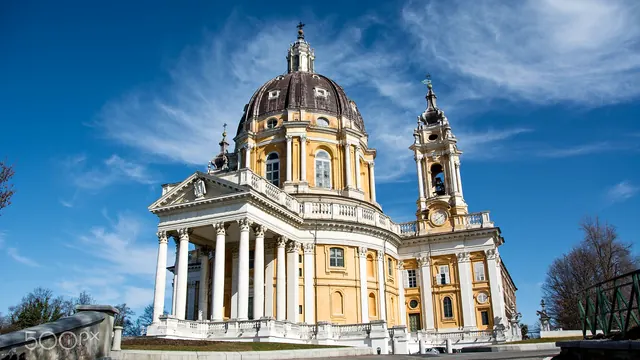
Piedmont has a real capital for this. Turin's Egyptian Museum is world-class, its Baroque squares and Savoy palaces make a full city of sights, and Venaria Reale, the Sacra di San Michele and the Borromean Islands add weight beyond it. It suits a sightseeing trip far better.
Nightlife
The Douro has almost none. Evenings end with port on a terrace and villages that go quiet early, and the few bars in Vila Real or a summer festa are the most you will find.
Piedmont is no party region either, but Turin gives you a proper night out: a serious aperitivo, then the pavement bars of San Salvario and Vanchiglia and the Po riverside in summer, with clubs for those who want them. Outside the city, the Langhe and the lakes are as calm as the Douro.
Nature & outdoors
The Douro has one superb landscape, the schist gorge with its terraced vines, almond blossom in late winter and autumn colour, seen from Casal de Loivos or São Leonardo de Galafura. You walk between quintas, kayak the river or cycle the Corgo trackbed, with wilder country in Alvão and the Douro International.
Piedmont adds high mountains to its own vineyard hills. Monte Rosa above Alagna, Gran Paradiso's ibex, the untouched Val Grande and the Via Lattea ski slopes give serious hiking, climbing and skiing, while the lakes and Langhe cover the gentler side. Its range is far wider.
Day trips
From the Douro, outings take real driving: Porto by the riverside train, Amarante, Guimarães and Braga to the west, Viseu's Dão country to the south and the fortified Beira villages to the east. It is a good mix of heritage towns and a second wine region.
Piedmont is better connected. Milan is an hour by fast train from Turin, Genoa and the Ligurian coast are close behind, and Aosta lies up the valley. Inside the region, Alba, the Barolo villages, Acqui Terme, Orta San Giulio and the Swiss shore of Lake Maggiore are easy outings from whichever base you choose.
Good for families
The Douro is hard work with children. Beyond river boats, the scenic train, quinta pools and harvest grape-treading, the days are winding drives and adult tastings, so families usually give it two or three days within a longer trip.
Piedmont is much easier. Turin's mummies, the Cinema Museum's tower and Valentino park fill city days, Lake Maggiore has island boats, peacock gardens and lidos, and the mountains offer ski schools in winter and meadow walks in summer. Only the wine hills are dull for children.
Getting around
In the Douro, the river railway to Pocinho and the boats cover the valley floor, but quintas, viewpoints and hill towns need a car or a hired driver on steep, twisting roads. With tasting as the main purpose, driving yourself is awkward.
Piedmont has a proper city at its centre. Turin is flat and arcaded, with trams and a metro, and regional trains reach Alba, Asti and the lake at Stresa. A car still helps in the Langhe and the Alpine valleys, but the roads are good and distances short.
Shopping & style
In the Douro, shopping means buying wine: aged tawnies and vintage port from the estates, plus olive oil, almonds, honey and Bisalhães black pottery. Beyond that there is nothing much to browse.
Piedmont has city streets as well as cellar doors. Turin offers Via Roma, Via Garibaldi, Porta Palazzo and the Balon flea market, with gianduiotti, vermouth and hazelnuts to take home, Biella's cashmere mill outlets, and Alba's truffle fair in autumn.
Affordability
The Douro is a little easier on the wallet day to day, with cheap village meals, inexpensive wine and simple guesthouses in Régua and Lamego, though estate hotels, drivers and boat trips quickly push the cost up.
Piedmont is moderate for Italy, and Turin's hotels and generous aperitivo keep a city stay sensible. The Langhe in truffle season, the Maggiore resorts in summer and the ski slopes in winter are where it gets expensive.
Live music & performing arts
The Douro has very little: a modest municipal theatre in Vila Real, village brass bands and folk groups at summer festas, and the odd harvest supper with music. For anything more, you go back to Porto.
Turin gives Piedmont a real season, with opera and ballet at the Teatro Regio, the RAI National Symphony Orchestra and drama at the historic Teatro Carignano. In summer there are also the Stresa festival on Lake Maggiore and concerts in Langhe castle courtyards.
Wellness & relaxation
Both are made for slowing down. In the Douro the calm comes mostly from the setting: estate spas with vinotherapy, infinity pools over the terraces, and the old sulphur springs at Caldas de Aregos or São Pedro do Sul if you want a proper soak.
Piedmont has a deeper spa tradition as well as the same vineyard quiet. Acqui Terme is built around a spring that rises at about 75°C, there are mountain thermal baths at Valdieri and Vinadio, and Lake Orta offers restful days by the water.
When should you go?
Pick your month. The climate figures are measured averages, not a forecast.
Douro Valley in July
Piedmont in July
Daytime high, °C
Rainfall in the month, mm
Where the figures come from
Douro Valley has no weather station within reach, so its figures come from a gridded climate model rather than a measured record, and read a broad area rather than one spot.
Piedmont has no weather station within reach, so its figures come from a gridded climate model rather than a measured record, and read a broad area rather than one spot.
Temperature and rainfall are climate normals, averaged over the years shown. Douro Valley: 1991-2020 normals, TerraClimate 4 km grid at the town, no weather station within 90 km. Piedmont: 1991-2020 normals, TerraClimate 4 km grid at the town, no weather station within 90 km.
Measured where most visitors stay, the Douro has a sharp wet and dry year. From October to January more than 150mm of rain falls in most months, easing only slowly through spring, while June to August are almost rainless with highs around 26°C. The gorge floor between Régua and Pinhão runs hotter than that, and July and August afternoons there are fiercely hot, so those weeks are for quinta pools and river beaches rather than long walks. Late spring and September are the best times for the vineyard paths. The heavy rain usually returns in October.
Piedmont's figures describe its lowland heart around Turin and the wine hills, and the temperature swings further. Winter highs near 9°C make the city brisk, and in July and August highs of about 29°C make a full day of sightseeing in Turin tiring and the Langhe hot. Rain is spread more evenly, peaking at 89mm in November, so lowland Piedmont is much drier than the Douro from autumn to spring but a little wetter in summer, when thunderstorms build. The Alps and the lakes have their own weather: the mountains are far colder, with winter snow for skiing and cooler summers for hiking, and the Lake Maggiore shore is wetter than these figures, with swimming from June to early September. May, June and September are the most comfortable months for Turin and the vineyards.
Which traveller are you?
On a culture and arts trip, Piedmont wins comfortably. Turin's Egyptian Museum, Savoy palaces and Teatro Regio opera season have no match in the Douro, where the culture is the terraced landscape, a port museum in Régua and scattered baroque sights.
On a family trip with children, choose Piedmont. Lake Maggiore's island boats and peacock gardens, Turin's Cinema Museum and gentle Alpine ski schools keep children busy, while the Douro offers little beyond river boats and quinta pools between adult tastings.
On a trip on a tight budget, the Douro has a slight edge. Village tascas serve big plates cheaply, guesthouses in Régua and Lamego cost little, and good wine is inexpensive, as long as you drive yourself and skip the estate hotels and private drivers.
Before you go
| Measure | Douro Valley | Piedmont |
|---|---|---|
| Official language | Portuguese | Italian |
| Currency | Euro (EUR) | Euro (EUR) |
| Sockets | CF230 V, 50 Hz | CFL230 V, 50 Hz |
| Driving side | Right | Right |
| Time zone | UTC, UTC+1 in summer | UTC+1, UTC+2 in summer |
| Emergency number | 112 | 112 |
| Main airport | Francisco de Sá Carneiro Airport (OPO)134 non-stop destinations | Turin Airport (TRN)65 non-stop destinations |
| Public holidays this year | 14 days | 13 days |
By the numbers
| Measure | Douro Valley | Piedmont |
|---|---|---|
| Population | - | 4,341,375 |
| Swim season, months above 21 °C | - | 4 months |
Where else could you go?
Every comparison below shares a destination with this one, so you can follow Douro Valley or Piedmont somewhere new.
- Lake Maggiorevs Piedmont
- Cinque Terrevs Piedmont
- French Rivieravs Piedmont
- French Alpsvs Piedmont
- Lake Comovs Piedmont
- Lake Gardavs Piedmont