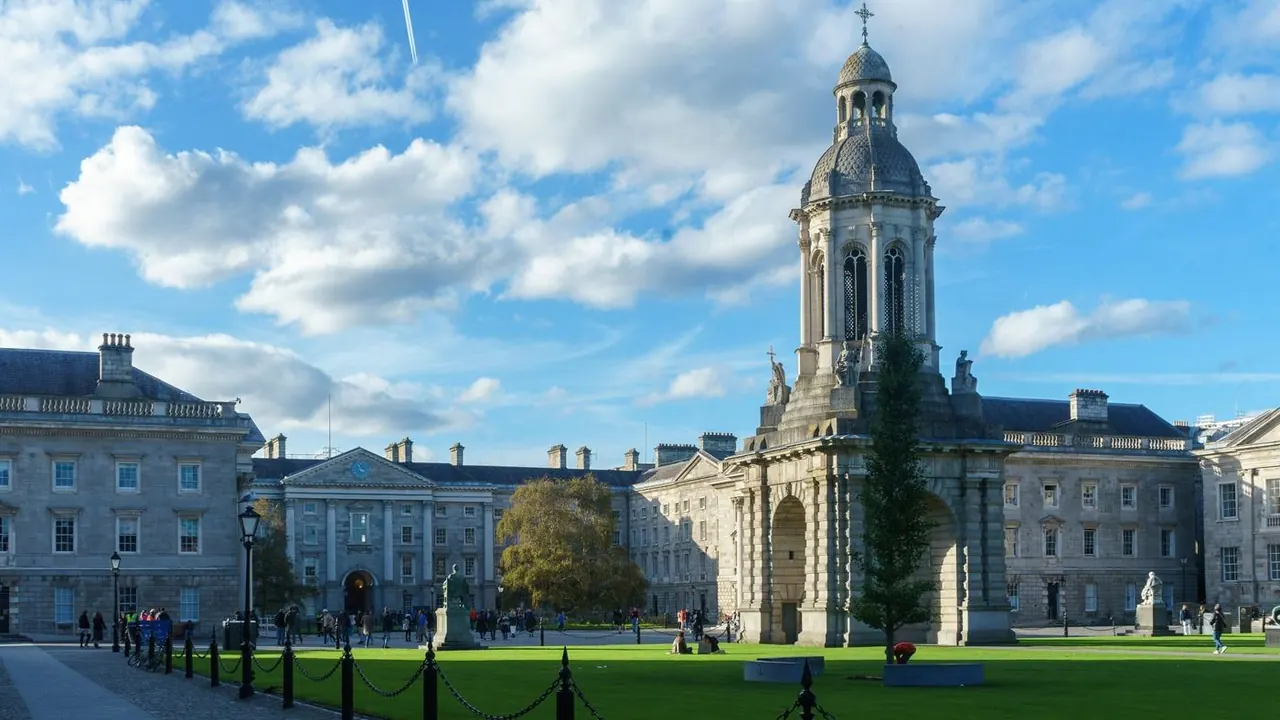
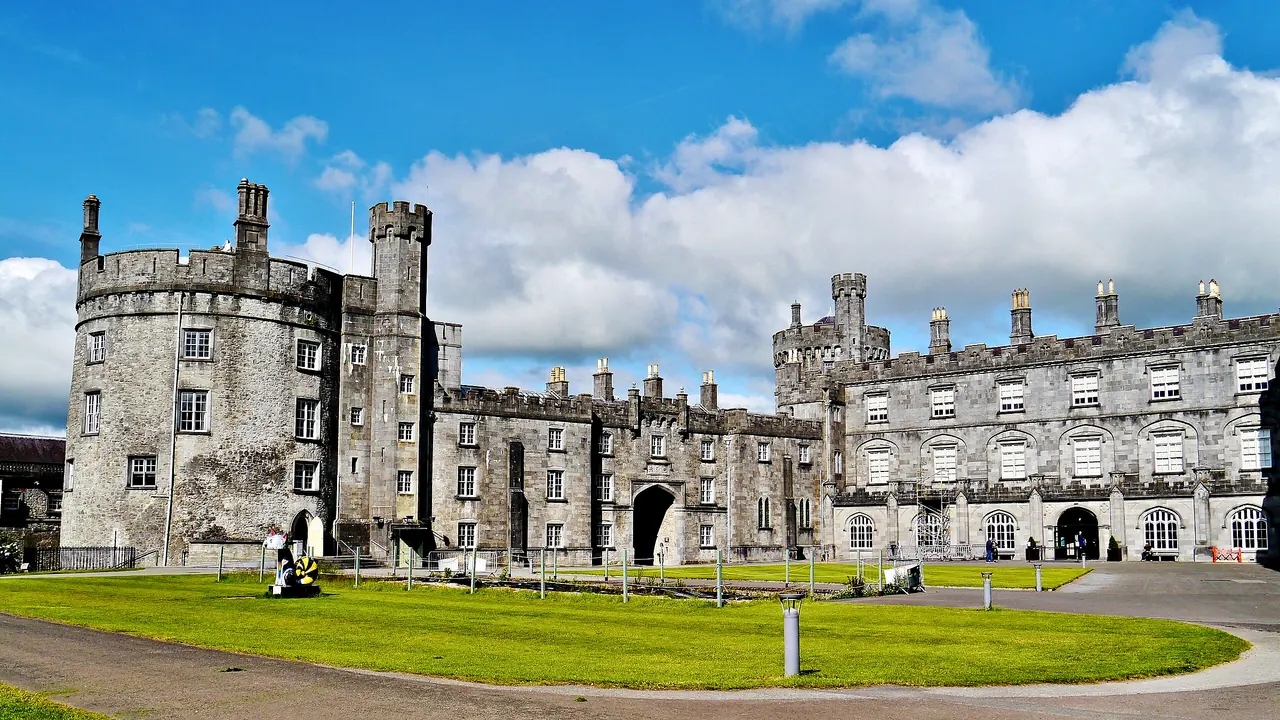
Photos: Dublin by David Kernan, CC BY 4.0, cropped; Kilkenny by Zairon, CC BY 4.0, cropped.
Dublin or Kilkenny?
Our verdict in twelve categories, each scored against the same fixed benchmark cities, and the climate month by month, so you can choose for your trip.
Choose Dublin for
- nightlife
- nature and the outdoors
- live music and the arts
Dublin is the better choice for most trips. It has the national museums and the Book of Kells, theatre at the Abbey and the Gate, and pubs from snug-lined Victorian bars to the late crowd on Camden Street. Phoenix Park, the Howth cliffs and the Wicklow hills are all within easy reach. Come for three or four days of sights, talk and walks, and accept that you will pay a lot for your room.
Choose Kilkenny for
- prices
- wellness
Kilkenny suits a slower trip with a car. The town is one medieval mile from castle to cathedral, with fire-lit pubs and a strong craft tradition, and it makes a good base for the abbeys and castles of the southeast, such as Cashel and Jerpoint. Rooms cost a little less, especially midweek, and the countryside starts at the edge of town. It works best as a weekend or as one stop on a longer tour of Ireland.
Scoreboard
Twelve categories on one fixed scale from 0 to 100. The shaded stretch is the gap between the two.
Your match
Pick a travel style or drag the sliders, and both match scores follow your weighting.
Wins on nightlife and nature and the outdoors with your weighting.
Wins on prices and wellness with your weighting.
What matters to you?
Category by category
What the scores mean for a trip.
Beaches & swimming
Dublin at least has sand on its doorstep. Dollymount, Sandymount, Killiney and Portmarnock all lie along the DART line, and the sea pools at the Forty Foot and Seapoint draw year-round swimmers whose cold morning dip is worth trying once.
Kilkenny is inland, and the nearest beaches at Tramore and on the Copper Coast are an hour's drive away, better suited to a walk than a swim. The water is cold in both places, so neither is a beach destination, but in Dublin the sea is part of the city.
Food & drink
Dublin offers more choice. Bistros in Dublin 2 and Dublin 8 cook Atlantic seafood and grass-fed lamb well, there are whiskey distilleries to tour, and a Saturday market in Temple Bar adds some street food. It is still more solid than memorable, and expensive for what you get.
Kilkenny punches above its size, with a few serious restaurants and country-house kitchens using the county's dairy, lamb and cheese, and a long brewing story told at the old abbey brewery site. The range is narrow, though: little food from abroad, almost no street food and standardised menus on busy weekends.
Culture & sights
Dublin has the national institutions: the Book of Kells and the Long Room at Trinity, free museums of archaeology and natural history, the National Gallery and the Chester Beatty's manuscripts from Asia and the Islamic world. Add two medieval cathedrals, Kilmainham Gaol and whole Georgian squares, and you have three full days.
Kilkenny is smaller and more of a piece. Its medieval street plan survives almost whole, running from the Norman castle above the Nore to St Canice's Cathedral and its climbable round tower, with Rothe House, the Black Abbey and the narrow slips on the way. It is charming, but a day or two covers it.
Nightlife
Both towns go out to the pub, but Dublin offers far more range. You can move from mahogany-bar pubs with coal fires near Baggot Street to the younger cocktail and late bars of George's and Wexford Streets, and on Friday and Saturday nights the whole centre is busy.
Kilkenny's pubs on High Street and John Street have plenty of atmosphere, and at weekends wedding and birthday groups fill them. After the pubs close, a few late bars and a small nightclub keep going, but midweek and out of season the town goes quiet early. Neither is a place for clubbing. Dublin's licensing laws close most venues soon after the pubs, and Kilkenny has little for anyone after cocktail bars.
Nature & outdoors
Dublin has more of the outdoors within easy reach. Phoenix Park and its deer are in the city, North Bull Island has wintering waders, and the DART takes you to the seals in Howth harbour and the cliff path above it. The rounded granite Wicklow hills rise just beyond the southern suburbs, and the glacial valley at Glendalough is about an hour away.
Kilkenny's countryside is softer farmland. There are riverside walks along the Nore to Inistioge, modest climbs on Brandon Hill and the Blackstairs, and forest trails on the Castlecomer plateau. For corrie lakes and wilder ground you drive an hour to the Comeraghs, while from Dublin you can reach the hills by public transport.
Day trips
From Dublin the Boyne Valley is the highlight: Newgrange and Knowth, the Hill of Tara and Trim Castle. Glendalough, Powerscourt and Kilkenny itself are to the south, and Belfast is two hours away by train. Howth and Dalkey make easy half days without a car.
Kilkenny's outings are concentrated on the monastic and Norman southeast: the Rock of Cashel and Cahir Castle, Jerpoint's carved cloister, the ruins of Kells Priory and Viking Waterford. The heritage is excellent, but apart from Waterford and Dublin almost all of it needs a hire car.
Good for families
Dublin gives children more to do. Dublin Zoo is inside Phoenix Park, Dublinia has Viking displays, and there are free museums and a theme park in Meath for rainy or restless days. Children are welcome in pubs for an afternoon family lunch.
Kilkenny is small and safe and has castle lawns to run on, but its bigger attractions, the treetop courses near Castlecomer, Dunmore Cave and the open farms, all mean a drive. It has no zoo or aquarium, and weekend nights in the centre are best avoided with young children.
Getting around
Both centres are walkable, but Dublin's transport reaches much further. Two Luas lines, the coastal DART and buses all work on one tap-on card, so the bay, Howth and Bray are easy without a car. The weak spots are the lack of a metro and slow buses at rush hour, the airport bus included.
Kilkenny is a 1km walk from castle to cathedral, with the station close by on the Dublin line. Beyond the town, rural buses are sparse, so the abbeys and the Nore villages mean a hire car, a taxi or a tour.
Shopping & style
Dublin has proper shopping streets. Grafton Street has the Brown Thomas department store, the Powerscourt Townhouse fills a Georgian mansion with small shops, and the design shops around Drury Street sell Aran knits, linen and whiskey to take home.
Kilkenny's strength is craft. The old castle stables, where a national design movement began, sell regional pottery, glass and silver, and makers work in studios across the county. Beyond that, High Street offers an afternoon of boutiques and bookshops, and fashion means a trip to Dublin.
Affordability
Neither is cheap, but Kilkenny is the easier of the two on the wallet. Its edge-of-town guesthouses and B&Bs are fair midweek, the Medieval Mile costs nothing to walk, and heritage entry fees are modest. Weekend and festival rooms, and the hire car you will probably need, cut into the saving.
Dublin's hotel rooms are among Europe's most expensive, particularly on match or concert weekends, and city-centre rounds add up quickly. Free national museums and a stay near a DART or Luas stop outside the centre help a little.
Live music & performing arts
Dublin is a real theatre city. The Abbey, founded by Yeats and Lady Gregory, stages Irish drama, the Gate does classics, and larger houses take musicals. The National Concert Hall is home to the national orchestra, trad sessions run nightly and touring bands come through all year. Only opera is thin.
Kilkenny has pub sessions most nights and one small theatre, so outside its festivals there is little on stage. Its August arts festival, with concerts in St Canice's Cathedral, and its comedy and roots music weekends are the times when the town's calendar is most worth the trip.
Wellness & relaxation
Neither place is built for pampering, and neither has thermal baths or hammams, but they relax you in different ways. Dublin's ritual is bracing: a cold dip at the Forty Foot or Seapoint and a seafront sauna afterwards, or a slow afternoon in a Georgian square.
In Kilkenny, rest means a country-house spa set in parkland outside town, with pools and treatment rooms, and quiet mornings by the Nore. It is best to sleep out of the centre, which gets loud on weekend nights.
When should you go?
Pick your month. The climate figures are measured averages, not a forecast.
Dublin in July
Kilkenny in July
Daytime high, °C
Rainfall in the month, mm
Where the figures come from
Kilkenny has no rain gauge within 25 km of the centre, so its rainfall comes from a gridded climate dataset read at the city rather than from a gauge further away.
Kilkenny's sunshine is measured 77 km from the centre, at Rosslare.
Temperature and rainfall are climate normals, averaged over the years shown. Dublin: 1991-2020 normals, Dublin Airport (9.3 km from centre). Kilkenny: 1991-2020 normals, Kilkenny (2.1 km from centre).
The two places share one mild, damp climate. Neither is ever warm enough for a beach trip: summer highs only reach about 20°C, and the sea off both coasts peaks at around 15°C to 16°C in August. May to September is the time to walk the streets and the hills in comfort. The long evenings of June and July suit Howth, the Nore Valley and the Wicklow uplands, and Kilkenny gets noticeably more sunshine through the summer months than Dublin does.
They differ most in autumn and winter. From October Kilkenny turns clearly wetter, with about 103mm in November against Dublin's 83mm. Both settle at around 8°C in midwinter. A winter visit is easier in Dublin, where the museums, theatres and pubs fill short wet days, while Kilkenny's walks and drives are at their best from late spring to early autumn.
Which traveller are you?
On a food and nightlife trip, Dublin is the clear pick. Bistros cook Irish produce well, whiskey has its own tasting bars, and evenings run from quiet snugs to the late bars of Camden Street. Kilkenny's pubs are cosy but quiet midweek.
For an outdoors trip without a car, Dublin does better. The DART reaches the Howth cliff path and the Bray to Greystones walk, and the Wicklow hills start at the suburbs. Around Kilkenny the Nore Valley is gentler, and wilder country needs a drive.
On a tight budget, Kilkenny makes the money go further. Come midweek, see the town and the Nore on foot, and hire a car for a single day of abbeys rather than the whole stay. Dublin rarely comes cheap, so keep a visit there short.
Before you go
| Measure | Dublin | Kilkenny |
|---|---|---|
| Official language | English, Irish | English, Irish |
| Currency | Euro (EUR) | Euro (EUR) |
| Sockets | G230 V, 50 Hz | G230 V, 50 Hz |
| Driving side | Left | Left |
| Time zone | UTC, UTC+1 in summer | UTC, UTC+1 in summer |
| Emergency number | 112 | 112 |
| Elevation | 20 m | 60 m |
| Main airport | Dublin Airport (DUB)9 km from centre200 non-stop destinations | Dublin Airport (DUB)109 km from centre200 non-stop destinations |
| Public holidays this year | 11 days | 11 days |
By the numbers
| Measure | Dublin | Kilkenny |
|---|---|---|
| City population | 592,713 | 22,179 |
| People per km² | 5,154 | 828 |
| Museums within 10 km | 40 | 4 |
| UNESCO World Heritage sites within 50 km | 1 | 0 |
| Swim season, months above 21 °C | None | None |
Where else could you go?
Every comparison below shares a destination with this one, so you can follow Dublin or Kilkenny somewhere new.