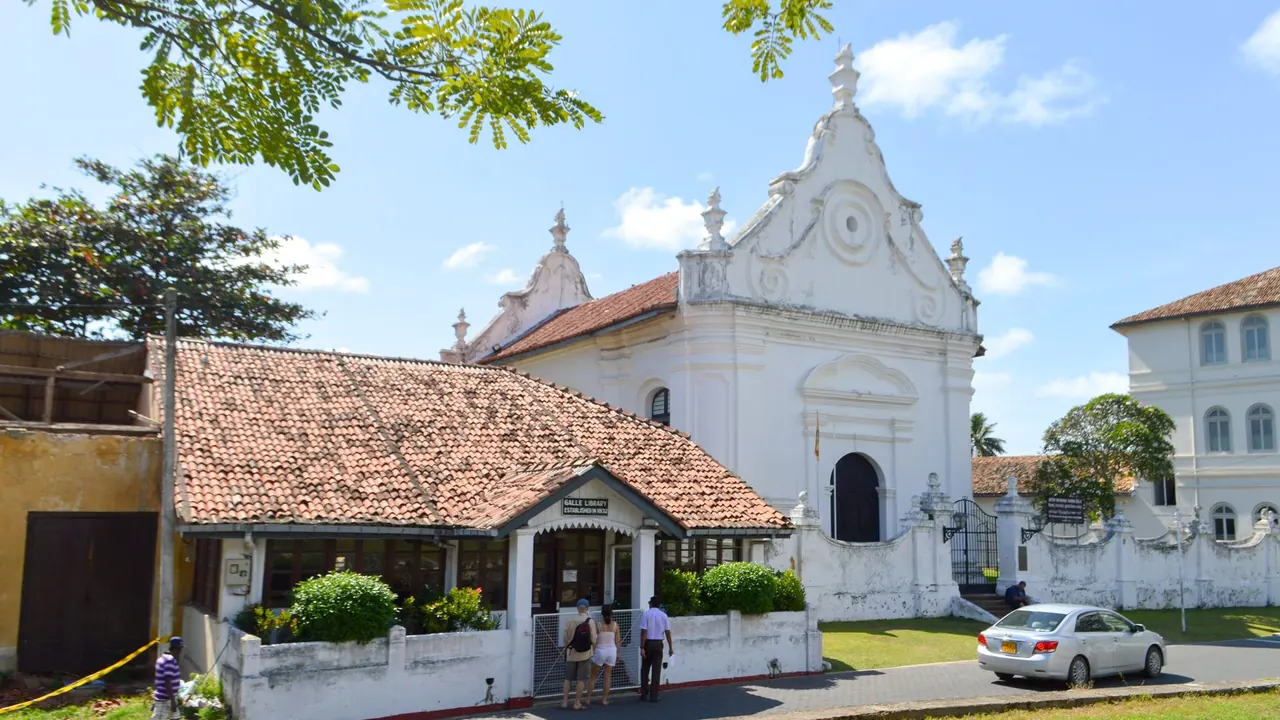
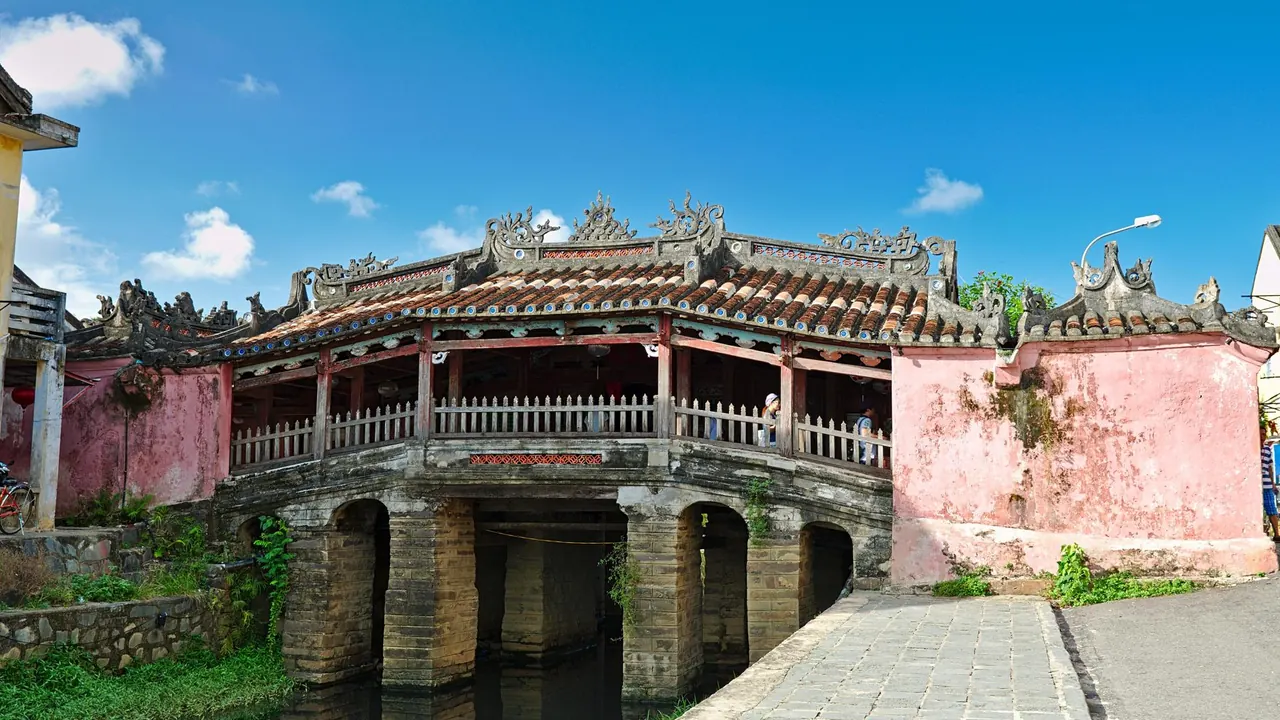
Photos: Galle by Francisco Anzola, CC BY 2.0, cropped; Hoi An by François Guerraz, CC BY-SA 3.0, cropped.
Galle or Hoi An?
Our verdict in twelve categories, each scored against the same fixed benchmark cities, and the climate month by month, so you can choose for your trip.
Choose Galle for
- beaches
- wellness
- nature and the outdoors
Galle suits a slow tropical beach trip with some history thrown in. It has a varied coast of sheltered bays, reef pools with turtles and surf breaks, plus whale-watching off Mirissa, Ayurveda retreats that run for a week or more, and a Dutch fort for the evenings. Plan it for the northern winter, when the southern sea is calm. Don't expect much to do after dark.
Choose Hoi An for
- shopping
- food and drink
- families
Hoi An gives more for less. Its old town has more to see, its cooking is found nowhere else, and you can have clothes made to measure in a day or two. Flat lanes lead by bicycle to rice fields and the sea, children have plenty of hands-on activities, and a comfortable stay costs noticeably less. Travellers who care about food, shopping and a family-friendly base will get more from it, as long as they avoid the stormy autumn.
Scoreboard
Twelve categories on one fixed scale from 0 to 100. The shaded stretch is the gap between the two.
Your match
Pick a travel style or drag the sliders, and both match scores follow your weighting.
Wins on beaches and wellness with your weighting.
Wins on shopping and food and drink with your weighting.
What matters to you?
Category by category
What the scores mean for a trip.
Beaches & swimming
Galle's coast has more variety. Within a short tuk-tuk ride or an hour's drive are the sheltered curve of Unawatuna, Jungle Beach below the Rumassala headland, reef pools at Dalawella and Thalpe where you can snorkel among turtles, and the bays of Mirissa and Weligama.
Hoi An has a single long, straight run of pale sand. An Bang is the main beach, about 5km away through the rice fields, and quieter stretches continue north towards Da Nang. It's fine for easy swimming but has no coves or reefs. The two calm seasons fall at opposite times of year: Hoi An's sea is calm through summer, when Galle's monsoon surf makes many beaches unsafe.
Food & drink
Hoi An has the more distinctive food. Cao lau is properly made only here, and white rose dumplings, the local chicken rice and stuffed banh mi add to a short but particular list. Cooking classes that start at the central market or in the Tra Que gardens are a good way to spend a morning.
Galle has real Sri Lankan cooking: rice and curry with many side dishes, hoppers at breakfast, kottu and sour fish curries. However, the fort's cafés mostly cater to visitors, and the best plates are in plain places outside the walls. Neither town has much range, but Hoi An's food is more of a reason to go.
Culture & sights
Hoi An's old town has more to see. The wooden merchant houses, the Japanese Bridge, the Chinese assembly halls and the family chapels all reflect a port where Chinese, Japanese and Vietnamese traders lived side by side, and the silk lanterns turn the streets into an evening sight.
Galle offers a European colonial setting on an Asian headland: Dutch ramparts, the Reformed Church with its gravestone floor, the Maritime Museum and a lighthouse, best seen on a sunset walk along the bastions. Both towns are UNESCO-listed and can be covered in a day or two, but Hoi An's lanes are denser and more varied.
Nightlife
Both towns go to bed early, but Hoi An has a little more going on. Strolling the lantern-lit riverbank is a pleasant evening in itself, a few backpacker bars on An Hoi islet stay open later, and Da Nang is close for a proper night out. In Galle, evenings mean dinner and a drink on a veranda inside the fort, with Unawatuna's beach bars the only real alternative.
Nature & outdoors
There's little to choose between them overall, but the landscapes are very different. Galle has wilder tropical scenery: rainforest at Kanneliya and Sinharaja, reefs and surf breaks along the coast, and blue whales off Mirissa in the dry season.
Hoi An's countryside is flat farmland, best explored by bicycle through the paddies or by basket boat in the Cam Thanh palm waterways. For more dramatic scenery there are the Cham Islands reefs, the langur monkeys on Son Tra and the Hai Van Pass.
Day trips
The two are about even here, but the outings are of different kinds. Hoi An has one major excursion in My Son, the jungle valley of Cham temple ruins, and a second good day in Da Nang for the Cham sculpture museum and the Marble Mountains. After that the options thin out quickly.
From Galle you can work along the coast instead: Ambalangoda's mask workshops, old Matara, Dondra Head at the southern tip, the cliffside cave shrines of Mulkirigala, and Colombo by train. There are more choices, but none matches My Son, and much of it is more of the same coast.
Good for families
Hoi An is the easier place to keep children busy. They can make silk lanterns, spin in basket boats, join a market-and-cooking class or cycle through the fields, and resort pools, a theme park with a safari park and Da Nang's attractions are close by.
Galle works for a quieter villa-and-beach stay. Children can explore the fort's car-free ramparts, paddle in Unawatuna bay, visit turtle hatcheries and go whale-watching. There are no zoos or parks, though, and the fast coast road makes any walk beyond the walls tiring.
Getting around
Hoi An is easier to get around without a driver. The old town is closed to traffic for long stretches of the day, and the beach, paddies and villages are all an easy, flat bicycle ride away, often on a bike lent free by your hotel. Galle's fort is just as easy on foot, but beyond the walls everything means a tuk-tuk, and the narrow coast road leaves no room for walking or cycling between beaches. Galle does have the edge for longer journeys, with a coastal railway to Colombo, while Hoi An has no useful public transport for visitors.
Shopping & style
Hoi An has something worth planning a day around: hundreds of tailors who make suits, dresses, coats, shoes and bags to measure, with fittings over a day or two. Lanterns, ceramics and the An Hoi night market add to it.
Galle's shops are confined to a few fort lanes, selling linen clothing, handloom textiles, beeralu lace, tea and spices, plus gem dealers who need to be approached with caution. It's enjoyable browsing, but there's less to buy.
Affordability
Both are cheap places to visit, but Hoi An is cheaper overall. Homestays with pools, almost nominal street food and free bicycles make a comfortable stay easy on a modest budget. Only the riverside restaurants and the beachfront resorts reach international prices.
Galle has two distinct price levels. Rice and curry, trains, tuk-tuks and Unawatuna guesthouses cost very little, but the restored villas and restaurants inside the fort charge close to European resort prices, so where you sleep and eat makes a big difference to the cost.
Live music & performing arts
Neither town is a destination for performance, but Hoi An at least offers something most evenings. Visitors can join a game of bai choi, the sung folk game, in the old town, and there's a performance house with short folk music and dance shows as well as the large outdoor history show on the river. In Galle, live performance means hotel dance and drumming shows, and the mask-dance tradition at Ambalangoda is only worth the trip for real enthusiasts. For a concert in Galle, plan a trip to Colombo.
Wellness & relaxation
Both are good places to slow down, but in different ways. Galle is the place for a real treatment programme: Ayurveda here ranges from a simple oil massage to week-long residential retreats with doctors' consultations and prescribed diets, and yoga studios cluster around Unawatuna and Thalpe.
Hoi An's version is lighter and more casual. There are massage rooms on every street, resort pools between the town and the sea, and a slow bicycle ride through the paddies. It's restful, but it's not built around a healing tradition.
When should you go?
Pick your month. The climate figures are measured averages, not a forecast.
Galle in July
Hoi An in July
Daytime high, °C
Rainfall in the month, mm
Where the figures come from
Galle has no weather station within reach, so its figures come from a gridded climate model rather than a measured record, and read a broad area rather than the city itself.
Temperature and rainfall are climate normals, averaged over the years shown. Galle: 2001-2020 normals, NASA POWER reanalysis grid, no weather station within 90 km. Hoi An: 1991-2020 normals, Da Nang (23.5 km from centre).
Galle's temperature hardly changes, with days around 28°C all year and the sea just as warm. What changes is the rain and the surf. December to April is the season for calm, clear water, and January to March is the driest part of it. The southwest monsoon arrives in May and keeps the sea rough into September. October and November are the wettest months, with November reaching 334mm.
Hoi An's seasons are much clearer. February to April is dry and sunny, comfortable for walking the old town, though the sea is still cool for a long swim. May to August brings a warm, calm sea and the most sunshine, but afternoons reach 35°C, so sightseeing at midday is hard work. The monsoon runs from September to December, and October alone gets 726mm. February to April suits both towns: Galle for the beach and Hoi An for dry streets. They part ways in summer, when Hoi An's sea is at its best and Galle's surf makes many beaches unsafe, and in December and January, when Galle's sea is calm again and Hoi An is cooler and dull. Autumn is wet in both towns and far wetter in Hoi An.
Which traveller are you?
For a beach and sun trip, choose Galle. Within reach you get the sheltered bay at Unawatuna, Jungle Beach, reef snorkelling at Dalawella and surf at Weligama. Hoi An has one long sandy strand, which is pleasant but has much less variety.
On a family trip with children, Hoi An works better. Lantern-making, basket-boat rides, cooking classes and cycling through paddies keep children busy, resorts have pools, and there's a theme park nearby. Galle has turtle hatcheries and calm water, but few organised attractions.
On a shopping trip, Hoi An is the clear choice for its tailoring workshops, which make suits, dresses and leather shoes to measure. Galle's fort lanes have linen boutiques, lace and gems, but that's pleasant browsing rather than a reason to travel.
Before you go
| Measure | Galle | Hoi An |
|---|---|---|
| Official language | Tamil, Sinhala | Vietnamese |
| Currency | Sri Lanka Rupee (LKR) | Dong (VND) |
| Sockets | GM230 V, 50 Hz | ACFG220 V, 50 Hz |
| Driving side | Left | Right |
| Time zone | UTC+5:30 | UTC+7 |
| Emergency number | Police 119, ambulance 110, fire 110 | Police 113, ambulance 115, fire 114 |
| Elevation | 0 m | 13 m |
| Main airport | Bandaranaike International Colombo Airport (CMB)133 km from centre56 non-stop destinations | Da Nang International Airport (DAD)23 km from centre47 non-stop destinations |
By the numbers
| Measure | Galle | Hoi An |
|---|---|---|
| City population | 93,118 | 121,716 |
| Museums within 10 km | 2 | 5 |
| UNESCO World Heritage sites within 50 km | 2 | 2 |
| Swim season, months above 21 °C | 12 months | 12 months |
Where else could you go?
Every comparison below shares a destination with this one, so you can follow Galle or Hoi An somewhere new.