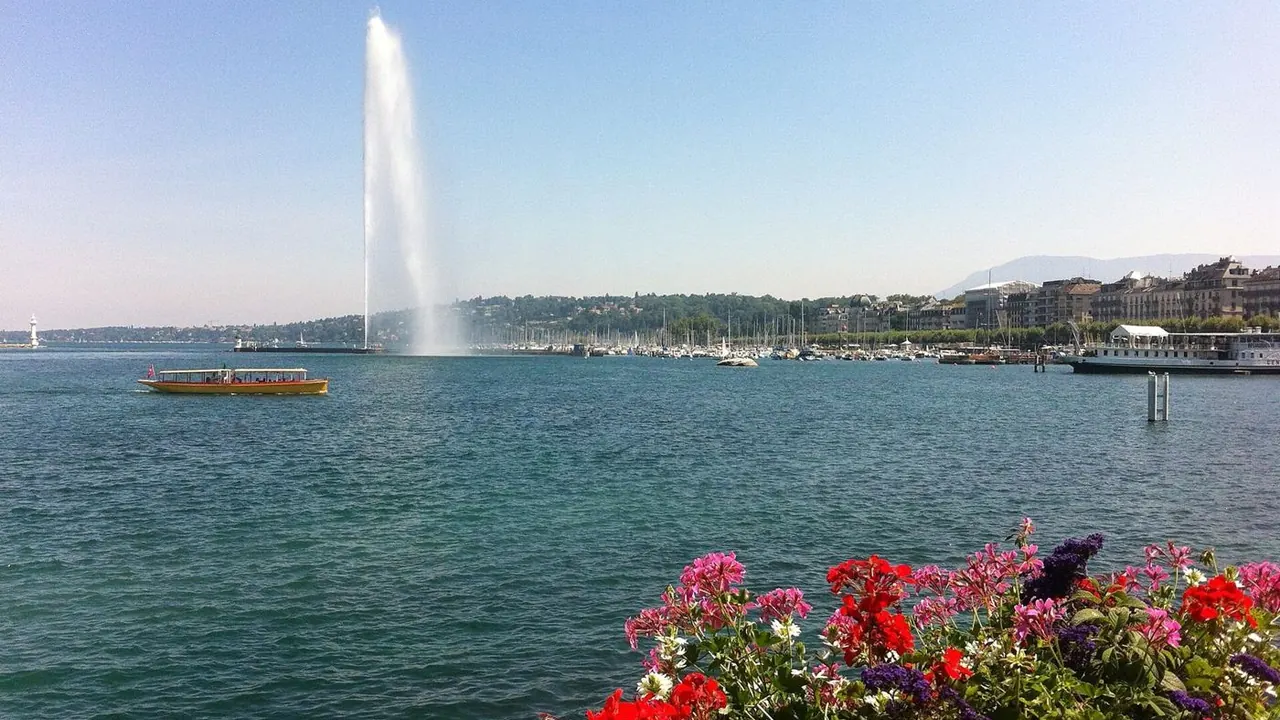
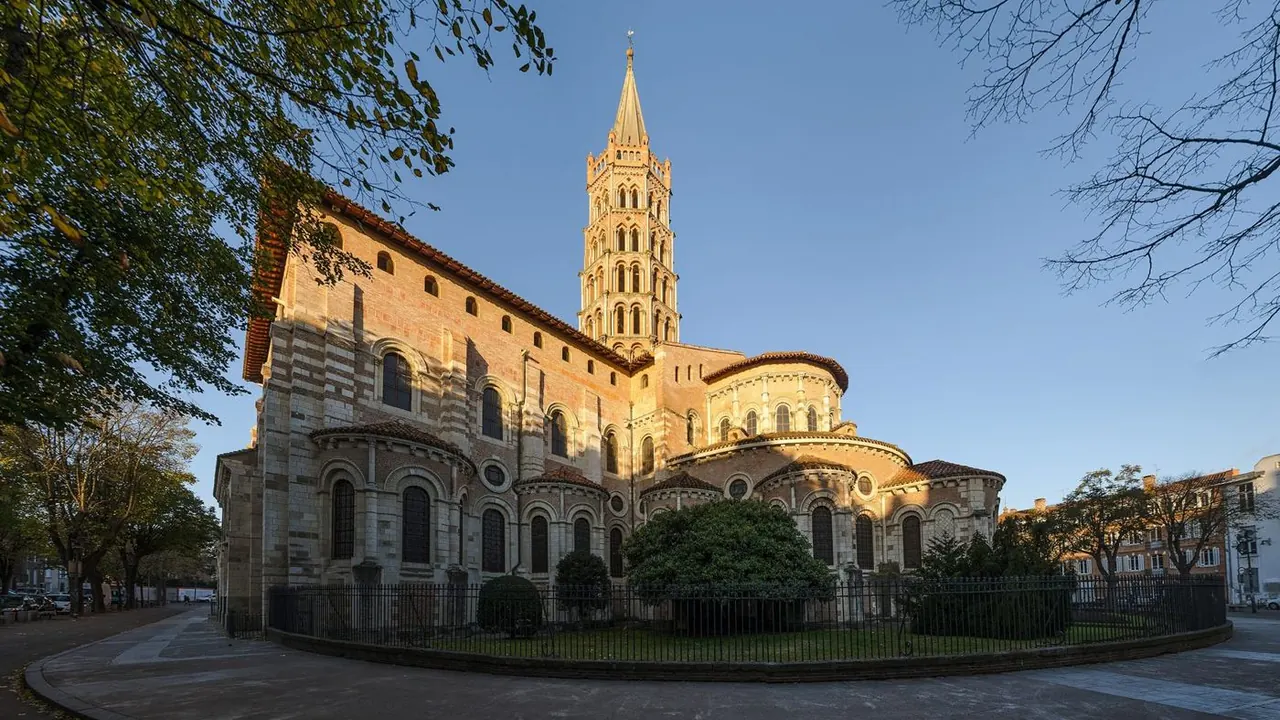
Photos: Geneva by Diviosen, CC BY-SA 3.0, cropped; Toulouse by ZbebVial, CC BY-SA 3.0, cropped.
Geneva or Toulouse?
Our verdict in twelve categories, each scored against the same fixed benchmark cities, and the climate month by month, so you can choose for your trip.
Choose Geneva for
- beaches
- wellness
- nature and the outdoors
Geneva suits travellers who want the outdoors on the doorstep and a city that runs like clockwork. Mountains frame every view, the lake is clean enough to swim in, and trains and lake steamers take you to the Alps, Lausanne or Annecy without a car. Come for walking, skiing, lake swims and saunas, and luxury watches, and be ready to pay heavily for all of it.
Choose Toulouse for
- prices
- nightlife
- food and drink
Toulouse is the better choice if you travel for the table and the evenings. Cassoulet, the covered markets and the everyday set lunch make eating out a pleasure, a large student population keeps the squares busy at night, and the rose-brick old centre gives you more to look at. It costs far less than Geneva, though the mountains are further off and a car helps for the countryside.
Scoreboard
Twelve categories on one fixed scale from 0 to 100. The shaded stretch is the gap between the two.
Your match
Pick a travel style or drag the sliders, and both match scores follow your weighting.
Wins on beaches and wellness with your weighting.
Wins on prices and nightlife with your weighting.
What matters to you?
Category by category
What the scores mean for a trip.
Beaches & swimming
Neither city has a coast, but Geneva makes swimming part of a summer stay. You can dive off the jetty at the Bains des Pâquis or spread out on the lawns at Genève-Plage, all within the city, and the lake warms up nicely by August. It works like a lido, not a beach, but it is right there.
Toulouse has nothing to match that. Locals cool off at the leisure lakes of Sesquières and La Ramée on the outskirts, and the Mediterranean is a long day out, about two hours each way.
Food & drink
Toulouse has the stronger food identity and the easier everyday eating. Cassoulet, confit and foie gras are the backbone, the Victor Hugo market lets you graze through it all and eat lunch upstairs, and a set lunch or a student-quarter snack costs little.
Geneva eats more expensively and more internationally. Lake perch, fondue and local Chasselas give it a Swiss-French character, and its fine dining and range of world cuisines go beyond Toulouse's. What it lacks is cheap, casual food.
Culture & sights
Toulouse has slightly more to see, and its brick old centre is a pleasure to walk through. Saint-Sernin and the palm-tree vault of the Jacobins are major monuments, the Renaissance mansions hold good collections, and the aerospace museums add something you will not find elsewhere.
Geneva's story is Reformation and diplomacy rather than architecture. It runs from Calvin's cathedral and the Reformation Wall to the Palais des Nations, the Red Cross museum and CERN. It is a more thematic set of sights, and both cities need only two or three days.
Nightlife
Toulouse is much the livelier city after dark. Its huge student population fills the terraces of Place Saint-Pierre and spills onto the quays, while Carmes and the Daurade cater to an older crowd with wine bars. The one dip is midsummer, when the students leave.
In Geneva, evenings are quiet and expensive. The Pâquis bars and the alternative centres around Plainpalais keep weekends going, but on weeknights the city winds down early.
Nature & outdoors
Geneva is far better placed for the outdoors. You can take the cable car up the Salève, hike the forested Jura ridge, sail on the lake and look out at Mont Blanc on clear days. The high Alps and ski resorts are close enough for a day out.
Toulouse sits on a gentle farming plain. Its best local asset is the flat towpath of the Canal du Midi for cycling. The Pyrenees offer serious hiking and skiing, but they are at least an hour and a half away, so the mountains need more planning than in Geneva.
Day trips
Both cities have excellent outings, but Geneva's are more varied and easier without a car. Lake steamers and trains run to Lausanne, Montreux's Château de Chillon and the Lavaux vineyard terraces, and Annecy and the medieval village of Yvoire are just across the French border.
Toulouse's highlights are each about an hour by train: Carcassonne's walled Cité and brick Albi with its Toulouse-Lautrec museum. Beyond Moissac and Montauban, most places, such as Cordes-sur-Ciel and Foix, are easier to reach by car.
Good for families
Families will find these two broadly even, though the appeal is different. Toulouse has the big-ticket days: walking through a Mir module at the Cité de l'espace, climbing inside a Concorde and driving through a safari park. Bear in mind that July and August can be very hot.
Geneva is calmer and simpler. The Natural History Museum's dioramas, lakeside playgrounds and the little yellow harbour boats fill a few days, and after that families head up into the mountains, since the city has no zoo or theme park.
Getting around
Geneva is the easier city to move around. The centre is walkable, the trams are punctual, the harbour boats are on the same network, and the airport is a few minutes from the main station. Trains reach the rest of Switzerland and the French suburbs, so you rarely need a car.
Toulouse's flat centre inside the boulevards is just as pleasant on foot, and two metro lines help. But the space centre and leisure lakes mean a bus ride, and the Pyrenees and villages are much easier by car.
Shopping & style
For serious shopping, Geneva is well ahead. The flagship watch and jewellery houses along the Rue du Rhône give it a luxury end that Toulouse has nothing to set against, and the chocolatiers of the Old Town make an easy gift at a lower price.
Below that level, the two are closer and differ mainly in character. Geneva's craft workshops in Carouge and the antiques on the Plainpalais flea market compare well with the independent boutiques in Toulouse's Saint-Étienne lanes, though the Sunday market around Saint-Sernin is the bigger and more mixed outing. Toulouse does better on things to eat and drink at home, such as violet sweets, Armagnac and jars of cassoulet from its covered markets, which are more distinctive than Geneva's chocolate. In both cities the main shopping streets offer little beyond the usual chain stores.
Affordability
This is where the two differ most. Geneva is among the most expensive cities in the world to visit, from hotel rooms to a single glass of wine. Free museums, free transport for hotel guests and cheap lake lidos help a little, and many visitors sleep across the border in France.
Toulouse is not a budget destination, but it is far kinder. Hotels cost much less, the set lunch is a cheap way to eat well, and the student quarters keep drinks and snacks inexpensive.
Live music & performing arts
Both have a serious classical season, so neither has a clear advantage. Geneva's Grand Théâtre and the Orchestre de la Suisse Romande in Victoria Hall are matched by Toulouse's Théâtre du Capitole and its well-regarded orchestra in the round Halle aux Grains.
The difference is in the extras. Geneva adds French-language theatre and dance in a former pumping station in the middle of the Rhône. Toulouse leans towards festivals, with piano recitals in the Jacobins cloister and the riverside Rio Loco world-music festival.
Wellness & relaxation
In winter the Bains des Pâquis turns into a sauna and hammam, and regulars plunge from the heat straight into the cold lake. That habit gives Geneva a real bathing culture. Lakefront hotels add serious spas, the spa towns of Évian and Divonne are close by, and the very quiet Sundays help you slow down.
Toulouse has no bathing tradition of its own, so it relies on hotel spas, a few day spas and summer pools. Relaxing there means long lunches and slow rides along the Canal du Midi. The thermal springs are up in the Pyrenees and are best visited with an overnight stay.
When should you go?
Pick your month. The climate figures are measured averages, not a forecast.
Geneva in July
Toulouse in July
Daytime high, °C
Rainfall in the month, mm
Temperature and rainfall are climate normals, averaged over the years shown. Geneva: 1991-2020 normals, Geneve-Cointrin (5.7 km from centre). Toulouse: 1991-2020 normals, Toulouse / Blagnac (7 km from centre).
Geneva has the colder winters, with daytime highs around 5°C in January and short, grey days from November to February. It is at its best from late May to September. July reaches about 27°C, and the long summer days give it a little more sunshine than Toulouse. Rain falls in every month and is heaviest from September to December, so late autumn is damp as well as cool.
Toulouse is milder in the colder half of the year. Winter afternoons reach about 10°C, and from autumn to early spring it gets more sunshine than Geneva. It is also the drier of the two all year: February is its driest month at around 37mm, and May is its wettest. Summer is hot, near 29°C in August, which makes midday sightseeing hard work. May, June and September are the best months for walking its streets, while Geneva is best in high summer.
Which traveller are you?
For an outdoors trip, Geneva is the clear pick. The Salève and the Jura are on the edge of town, Chamonix is about an hour away, and the lake is good for sailing and paddleboarding. From Toulouse, the Pyrenees mean a longer drive.
On a food and nightlife trip, Toulouse wins easily. Cassoulet, duck and Armagnac from the markets, cheap set lunches and student-filled terraces on Place Saint-Pierre add up to far livelier eating and evenings than Geneva's expensive, early-closing scene.
On a tight budget, Toulouse is the only sensible choice of the two. Hotels, meals and transport cost a fraction of Geneva's, where even a simple meal is expensive and many visitors end up sleeping across the border in France.
Before you go
| Measure | Geneva | Toulouse |
|---|---|---|
| Official language | French, German, Italian, Romansh | French |
| Currency | Swiss Franc (CHF) | Euro (EUR) |
| Sockets | CJ230 V, 50 Hz | CE230 V, 50 Hz |
| Driving side | Right | Right |
| Time zone | UTC+1, UTC+2 in summer | UTC+1, UTC+2 in summer |
| Emergency number | 112 | 112 |
| Elevation | 403 m | 115 m |
| Main airport | Geneva International Airport (GVA)5 km from centre150 non-stop destinations | Toulouse-Blagnac Airport (TLS)7 km from centre84 non-stop destinations |
| Public holidays this year | 9 days | 11 days |
By the numbers
| Measure | Geneva | Toulouse |
|---|---|---|
| City population | 211,152 | 514,819 |
| People per km² | 13,280 | 4,352 |
| Museums within 10 km | 34 | 24 |
| UNESCO World Heritage sites within 50 km | 2 | 2 |
Where else could you go?
Every comparison below shares a destination with this one, so you can follow Geneva or Toulouse somewhere new.