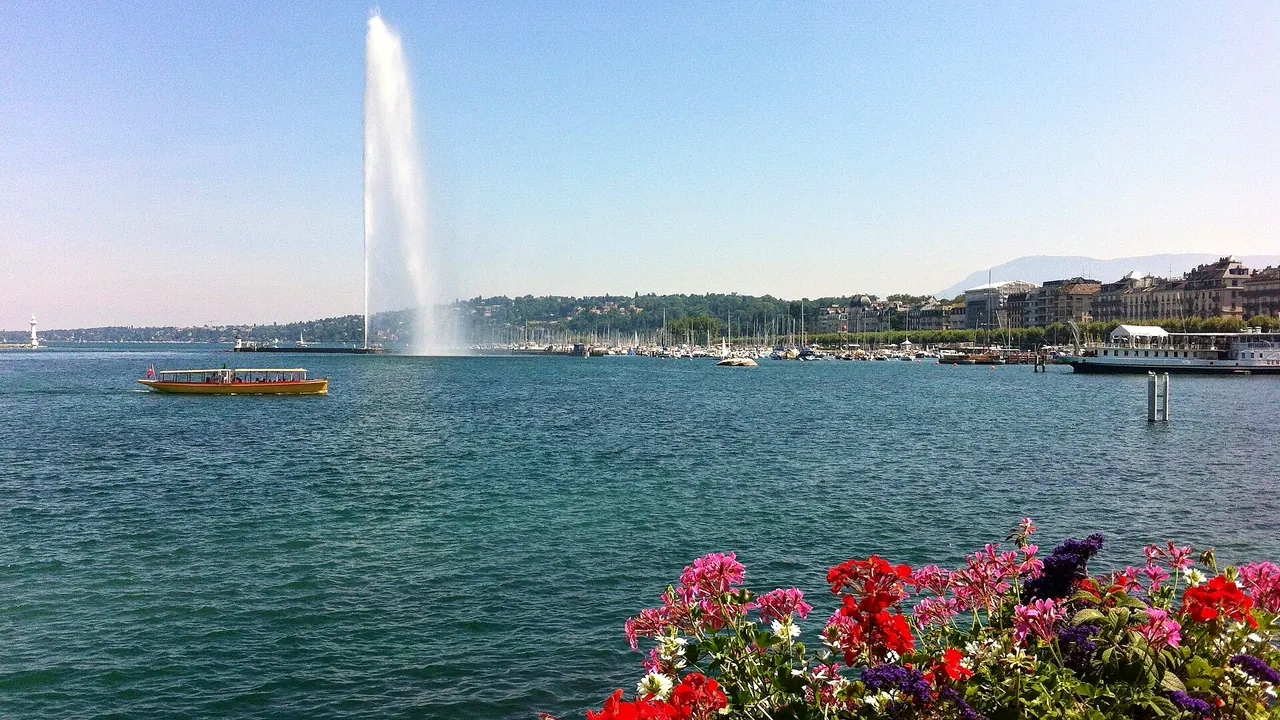
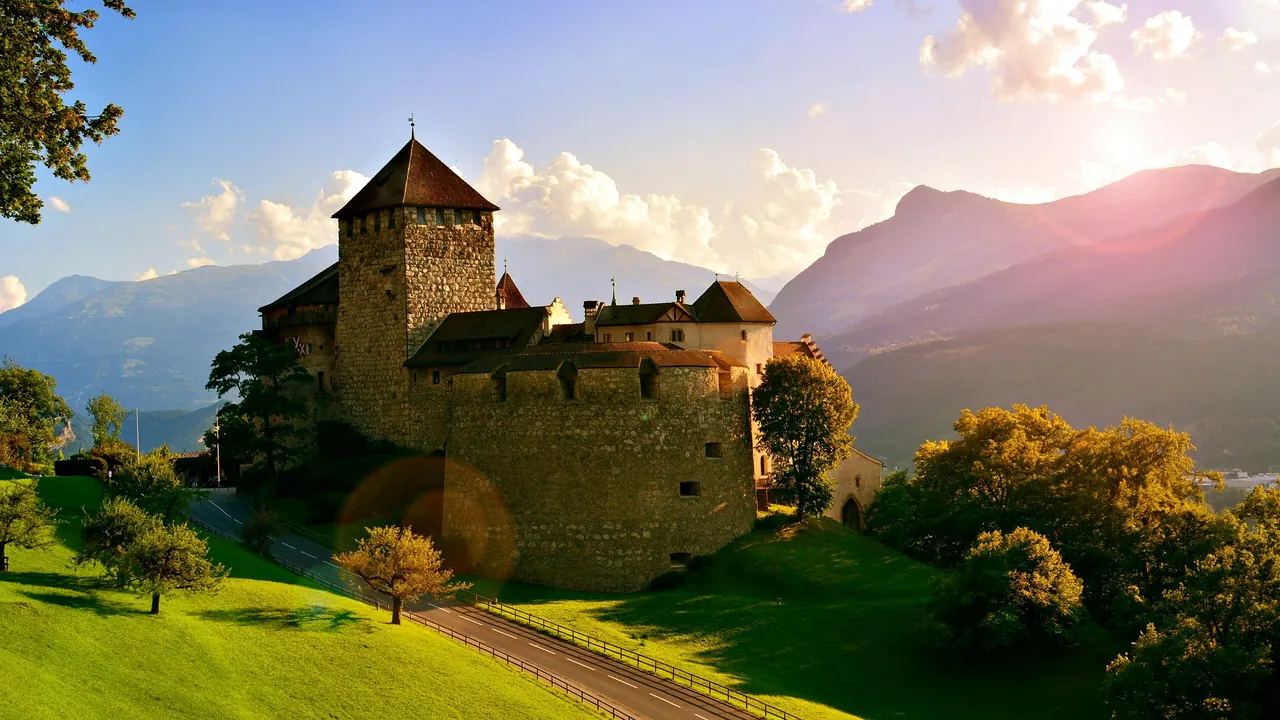
Photos: Geneva by Diviosen, CC BY-SA 3.0, cropped; Vaduz by Justin LaBerge, CC BY 2.0, cropped.
Geneva or Vaduz?
Our verdict in twelve categories, each scored against the same fixed benchmark cities, and the climate month by month, so you can choose for your trip.
Choose Geneva for
- shopping
- live music and the arts
- beaches
Geneva suits travellers who want a real city with the mountains as a backdrop. It has a Reformation old town, the museums and institutions of international diplomacy, opera and orchestral concerts, serious watch shopping and French-leaning restaurants, and you can reach all of it on foot or by tram and lake boat. Its links are easier too, with the airport a few minutes away and trains running along the lake to Lausanne, Montreux and beyond.
Choose Vaduz for
- nature and the outdoors
Vaduz is for people who come for the hills and are happy for the town to stay in the background. Its sights fill a single day, the evenings end early and there is very little shopping. But trails start at the edge of the centre, Malbun and the Rätikon peaks are half an hour up the road, and the thermal water at Bad Ragaz is close by. Choose it for a quiet walking or skiing stay, ideally with a car.
Scoreboard
Twelve categories on one fixed scale from 0 to 100. The shaded stretch is the gap between the two.
Your match
Pick a travel style or drag the sliders, and both match scores follow your weighting.
Wins on shopping and live music and the arts with your weighting.
Wins on nature and the outdoors with your weighting.
What matters to you?
Category by category
What the scores mean for a trip.
Beaches & swimming
Neither has a sea, but Geneva has a lake in the middle of town and a real swimming culture around it, from diving off the Bains des Pâquis jetty to the lawns and pools of Genève-Plage. In Vaduz the Rhine is not for swimming, so a hot afternoon means the town's open-air pools or a drive to the Walensee or Lake Constance. If a swim matters, Geneva lets you walk to the water and Vaduz does not.
Food & drink
Geneva eats like a French city with Swiss habits. There are perch fillets from the lake, fondue and raclette in old brasseries, and longeole sausage with cardoons in winter. Carouge and the Old Town have a polished fine-dining scene, and the international crowd supports cooking from all over the world. The canton's own Chasselas and Gamay fill the wine lists.
Vaduz has far less choice: a few hotel dining rooms, restaurants on the Städtle and hill inns serving Käsknöpfle, rösti and game in autumn. Its best offering is the wine from the prince's estate below the castle. Neither city has cheap street food, and in Vaduz you will have tried most of the restaurants within a few evenings.
Culture & sights
Geneva's sights tell two big stories, the Reformation and world diplomacy. The first lives in St Pierre Cathedral, its excavations and the Reformation Wall, the second in the Palais des Nations and the Red Cross Museum. CERN and a good art and history museum come on top, which adds up to two or three full days.
Vaduz fills one unhurried day. Its strength is narrow but real: the Kunstmuseum and the Hilti Art Foundation stand side by side with modern and contemporary art, and there are the National Museum and the stamp museum as well. The castle above town is closed to visitors, so you can admire it from outside but not go in.
Nightlife
Neither is a city for nights out, but Geneva at least has somewhere to go. There are late bars in the Pâquis behind the station, wine terraces in Carouge, and club nights and a small electronic scene in the alternative centres of Plainpalais and Jonction. In Vaduz a few wine bars and hotel lounges on the Städtle wind down soon after dinner, and locals who want a proper night out go to Feldkirch or Zurich.
Nature & outdoors
Both are superb bases for the outdoors, but the mountains sit differently. In Vaduz they start at the edge of town. Trails climb through vineyards from the centre, Malbun and high Rätikon walks such as the Fürstensteig are half an hour up the road, and the country has its own small family ski area.
Geneva looks at its mountains across a basin, with Mont Blanc at the end of the lake, the Salève cable car just over the border and the Jura for forest hikes and cross-country skiing. What Geneva adds is the water, with sailing, paddleboarding and rowing on the lake, and Chamonix and the high Alps are about an hour away.
Day trips
Geneva's outings are more varied and easier to make without a car. Lake steamers and trains link Nyon, Lausanne, the Lavaux vineyard terraces and Chillon at Montreux. Yvoire and Annecy are across the border in France, and Gruyères and Bern make longer days.
Vaduz has a good list of its own, from medieval Feldkirch twenty minutes away to St Gallen's abbey library, Appenzell and the Lake Constance towns of Bregenz and Lindau. The catch is transport. The town has no station, so many trips involve a change at Buchs or Sargans, and a car helps far more here.
Good for families
Both are safe and easy with a pushchair, and neither has a zoo, aquarium or theme park. Geneva still gives children more to do: the animal dioramas at the Natural History Museum, the small enclosures at the Bois de la Bâtie, playgrounds by the lake, the yellow harbour boats and CERN for older children.
Vaduz has little indoors for children, as its museums are mostly about modern art and stamps. Family days happen outside, at the open-air pools, on gentle walks above Triesenberg or on the beginner slopes at Malbun. That suits children who like hiking better than those who need to be entertained.
Getting around
The real difference is a city network against a bus network. In Geneva, trams, buses and the yellow boats across the harbour work as a single system tied straight into the railway. You can land at the airport, be in town by train a few minutes later and not think about a car until you head for the mountains. The centre is walkable, with only the Old Town hill to climb, and the international district and CERN are an easy tram ride out.
Vaduz works on a much smaller scale. Everything worth seeing in town sits along one flat pedestrian street, and tidy buses run to every village in the country and up the mountain road to Malbun, which covers most of what a walking or skiing stay needs. There are no trams and no trains in town, so the buses do all the work, and arriving usually means connecting from a Swiss or Austrian station instead of stepping off a train in the centre.
Shopping & style
Geneva is one of the world's great places to buy a watch, with the flagship boutiques of the Swiss watch houses along the Rue du Rhône. For something less polished there are chocolatiers in the Old Town, craft workshops in Carouge and the Plainpalais flea market. Vaduz has a handful of shops on the Städtle selling watches, souvenirs and the country's collectable stamps, and a bottle of local wine is the best thing to take home.
Affordability
Both are among the most expensive places in Europe to stay, and neither has a real budget option. The difference lies in how you can soften the cost. Geneva has free city museums, free local transport for hotel guests and lake lidos that cost little, and France is close enough to sleep or eat more cheaply.
Vaduz has only a few hotels, so there is little choice at the lower end. Buses and museums cost little, and Austria across the border offers cheaper places to stay.
Live music & performing arts
Geneva has a full season: opera and ballet at the Grand Théâtre, the Orchestre de la Suisse Romande in the gilded Victoria Hall, French-language theatre at the Comédie, and concerts and dance in the old pumping station in the Rhône. Summer adds open-air concerts and the Fête de la Musique. Liechtenstein's offer is much smaller: the national theatre in neighbouring Schaan, a short orchestral season, a summer classical festival in Vaduz and the odd church concert. Over a week you will find something to see, but not much choice.
Wellness & relaxation
Geneva has bathing built into city life. In winter the Bains des Pâquis becomes a sauna and hammam, and regulars plunge from the sauna straight into the lake. The lakefront hotels have serious spas, Évian and Divonne are just across the border, and quiet Sundays on the promenades add to the calm.
Vaduz relies on its quiet streets and mountain views, and only a few hotels have spas. Its best option is the thermal bath at Bad Ragaz, twenty-five minutes away across the Rhine. It goes well with a few days of walking, but you have to leave town to use it.
When should you go?
Pick your month. The climate figures are measured averages, not a forecast.
Geneva in July
Vaduz in July
Daytime high, °C
Rainfall in the month, mm
Where the figures come from
Vaduz's temperatures are measured 51 km from the centre, at Sigmarszell-Zeisertsweiler.
Vaduz has no rain gauge within 25 km of the centre, so its rainfall comes from a gridded climate dataset read at the destination rather than from a gauge further away.
Temperature and rainfall are climate normals, averaged over the years shown. Geneva: 1991-2020 normals, Geneve-Cointrin (5.7 km from centre). Vaduz: 1991-2020 normals, Sigmarszell-Zeisertsweiler (51.3 km from centre).
Both have four Alpine seasons, but Geneva is warmer and sunnier. Its summer peaks at about 27°C in July, warm enough to swim in the lake from late June into early September, and its July and August days get noticeably more sunshine. Vaduz tops out near 24°C, which is good for hiking but less reliable for a swim. Summer is also when Vaduz gets most of its rain, around 126mm in August, while Geneva's rain is spread fairly evenly through the year.
Late spring and September are the best months for walking around either town and heading into the mountains nearby. November and February are chilly in both, and December and January are properly cold, with highs of only 4°C to 6°C and short grey days. In late autumn the valley at Vaduz can sit under fog while the heights above are in sunshine. In both places midwinter is for skiing rather than for city walks.
Which traveller are you?
On a culture and arts trip, Geneva is the clear choice. St Pierre Cathedral, the Red Cross Museum and CERN fill two or three days, and evenings can go to opera at the Grand Théâtre. Vaduz has a fine pair of modern art museums and little else.
For a food and nightlife trip, Geneva wins comfortably: lake perch, fondue in wood-panelled brasseries, local Chasselas and a wide choice of cuisines, then late bars in the Pâquis or club nights in Plainpalais. Vaduz offers hearty Alpine inns, the prince's wine and quiet streets after dinner.
On an outdoors trip, Vaduz has the edge because the mountains start at its door. Trails climb from the centre, Malbun and the Rätikon ridges are half an hour away, and the Rhine dam path suits cycling. In Geneva, reaching the Salève or the Jura usually takes a trip out.
Before you go
| Measure | Geneva | Vaduz |
|---|---|---|
| Official language | French, German, Italian, Romansh | German |
| Currency | Swiss Franc (CHF) | Swiss Franc (CHF) |
| Sockets | CJ230 V, 50 Hz | CJ230 V, 50 Hz |
| Driving side | Right | Right |
| Time zone | UTC+1, UTC+2 in summer | UTC+1, UTC+2 in summer |
| Emergency number | 112 | 112 |
| Elevation | 403 m | 455 m |
| Main airport | Geneva International Airport (GVA)5 km from centre150 non-stop destinations | Zürich Airport (ZRH)81 km from centre226 non-stop destinations |
| Public holidays this year | 9 days | 21 days |
By the numbers
| Measure | Geneva | Vaduz |
|---|---|---|
| Population | 211,152 | 5,668 |
| People per km² | 13,280 | 328 |
| Museums within 10 km | 34 | 7 |
| UNESCO World Heritage sites within 50 km | 2 | 3 |
Where else could you go?
Every comparison below shares a destination with this one, so you can follow Geneva or Vaduz somewhere new.