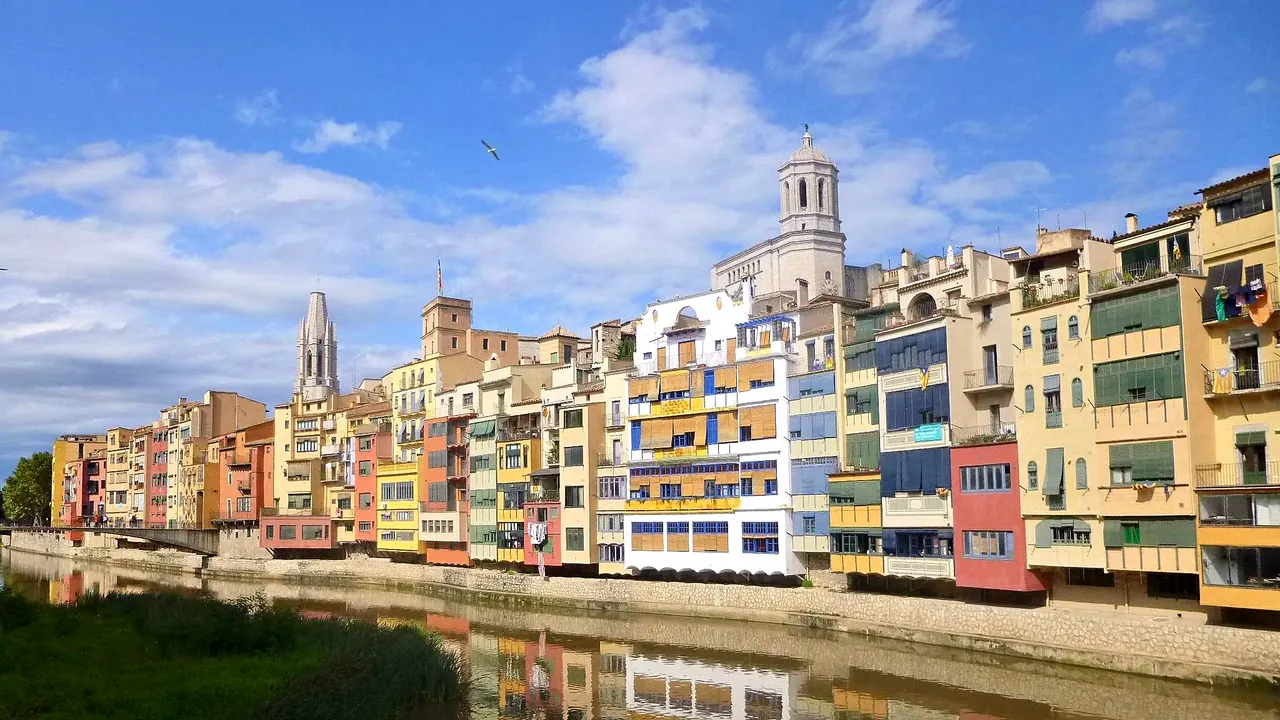
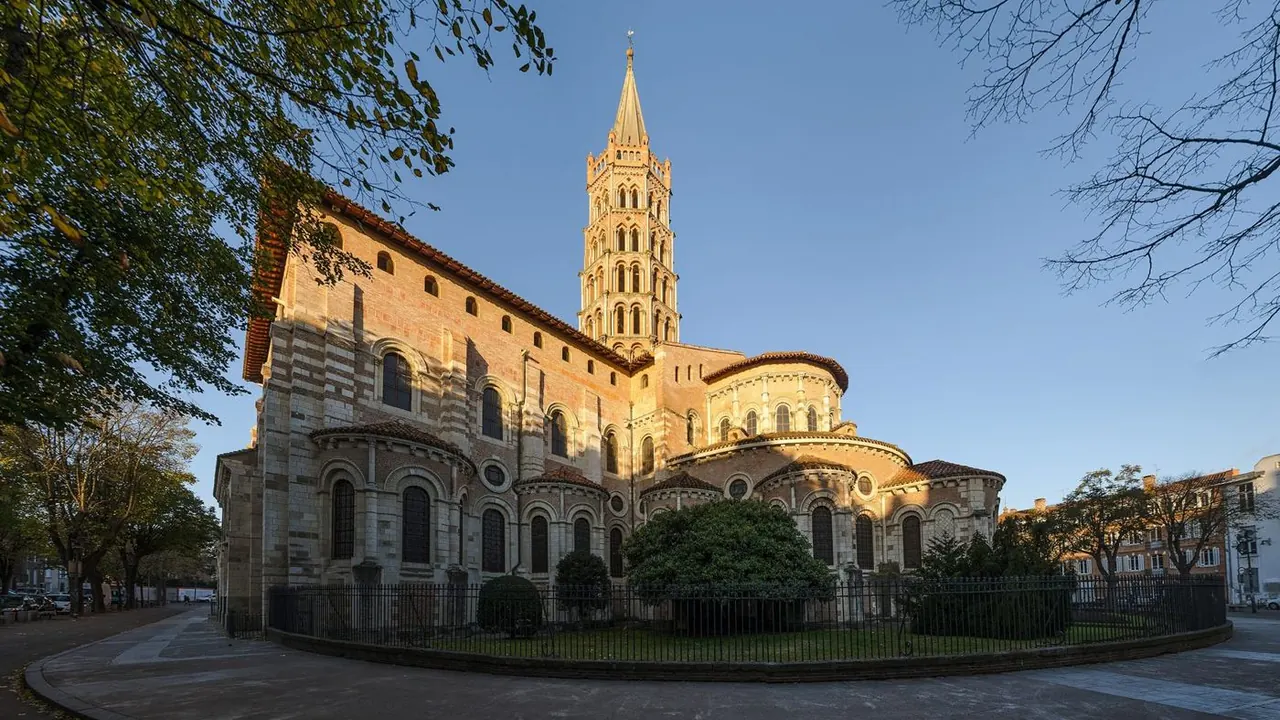
Photos: Girona by Zarateman, CC0; Toulouse by ZbebVial, CC BY-SA 3.0, cropped.
Girona or Toulouse?
Our verdict in twelve categories, each scored against the same fixed benchmark cities, and the climate month by month, so you can choose for your trip.
Choose Girona for
- beaches
- nature and the outdoors
- wellness
Girona suits a slower trip where much of the appeal lies outside the city walls. The medieval quarter fills a day or two, and the rest goes on road cycling, the Costa Brava coves, Dalí country and the stone villages of the Empordà, with Barcelona a short train ride away. It is the one to choose if you want the sea within reach and don't mind hiring a car for part of the stay.
Choose Toulouse for
- nightlife
- live music and the arts
- families
Toulouse is the better choice if you want a city that keeps you busy by itself. The student crowd keeps the riverside squares busy late into the evening, the Capitole has its own opera company and orchestra, and the space and aircraft museums make it much easier with children. The flat centre and the metro mean you can do without a car, but the sea is a long way off.
Scoreboard
Twelve categories on one fixed scale from 0 to 100. The shaded stretch is the gap between the two.
Your match
Pick a travel style or drag the sliders, and both match scores follow your weighting.
Too close to call, 1 point apart
Wins on beaches and nature and the outdoors with your weighting.
Wins on nightlife and live music and the arts with your weighting.
What matters to you?
Category by category
What the scores mean for a trip.
Beaches & swimming
Girona has no beach of its own, but the Costa Brava starts about 40 minutes away. It has sandy bays at Platja d'Aro, rocky pine-backed coves near Begur and some of the clearest water on the Spanish coast. You can easily turn a city stay into a mix of city and sea, especially with a car.
From Toulouse the nearest sea is the Mediterranean around Gruissan, a long day out at about two hours each way. In summer, swimming more often means the supervised lakes at Sesquières and La Ramée on the edge of the city, which are fine for a hot afternoon but are no substitute for the coast.
Food & drink
The two eat about equally well, in different ways. Girona puts Catalan home cooking next to a serious fine-dining scene, and its tasting-menu kitchens give it the edge at the top end. Empordà wine and pre-lunch vermouth go with the cream-filled xuixos and the mar i muntanya plates.
Toulouse is heartier and more rooted in its markets. Cassoulet, confit and foie gras are central, the Victor Hugo market has its upstairs lunch counters, and Armagnac and Fronton reds are always on hand. Neither city has much international cooking, so come for the regional food.
Culture & sights
There is about as much to see in each, but the two experiences differ. Girona is one compact medieval quarter you explore on foot. You climb the stairs of the Barri Vell to the cathedral's huge Gothic nave, wander the Jewish Call and walk the walls for views over the rooftops.
Toulouse spreads its heritage across a larger rose-brick centre. It has the Romanesque basilica of Saint-Sernin, the palm-tree vault of the Jacobins and fuller art collections in the Augustins and Les Abattoirs, and its aerospace museums give it something Girona has nothing like.
Nightlife
Toulouse is the livelier city after dark. One of France's largest student populations fills the terraces of Place Saint-Pierre and spills onto the quays, there are wine bars around Carmes for an older crowd, and the electronic scene is solid. Note that it goes quiet in July and August when the students leave.
Girona's evenings are terraces and a long dinner, with a few music bars at weekends on the edge of the centre. People who want a real night out there take the train to Barcelona.
Nature & outdoors
Girona is the stronger outdoor base, especially for cyclists. Quiet lanes lead to the climbs of Rocacorba and Els Àngels, greenways on old railway lines run to Olot and the coast, and the Garrotxa volcanoes and the cliff paths of Cap de Creus are both within about an hour.
The countryside around Toulouse is gentler farmland. The Canal du Midi towpaths make long, flat rides, and the Aveyron gorges are good for canoeing. Both cities reach the Pyrenees, but from Toulouse it is a slightly longer drive.
Day trips
Girona has more good trips close by. Barcelona is under 40 minutes by fast train, and Figueres and the Dalí Theatre-Museum are about half an hour away. Besalú, Peratallada, the ruins of Empúries and Cadaqués are all near, and Perpignan is an easy hop over the border.
Toulouse has fewer outings, but its best ones are excellent and easy by train. The walled Cité of Carcassonne and the brick cathedral town of Albi are each about an hour away, and Moissac's cloister is close behind. Beyond those, much of the region needs a car.
Good for families
Toulouse is much easier with children. You can walk through a Mir module and stand under a full-size Ariane rocket at the Cité de l'espace, and climb inside a Concorde near the airport. The flat centre makes pushchairs easy, and the Jardin des Plantes has playgrounds.
Girona is calm and welcoming but has little built for children apart from the Devesa park and a walk on the walls. Its cobbled stairways are hard work with a pushchair, so families usually spend their days on the Costa Brava instead.
Getting around
Girona is small enough to cover on foot, although getting into the Barri Vell means climbing stairs and steep cobbled lanes. The station on the edge of the centre has fast trains to Barcelona and Figueres. Beyond the city it gets harder: buses to the coast and Olot run infrequently, so many visitors hire a car for part of their stay to reach the coves, hill villages and wineries.
Toulouse is the easier city to get around. The centre inside the ring of boulevards is flat, with pedestrian streets around the Capitole and the river. Two automated metro lines meet in the middle, and trams and buses use the same tickets. A separate public bike scheme and the riverside paths make cycling simple. The space centre, the aircraft museum and the leisure lakes are a bus ride out, and you really only need a car for the Pyrenees and the countryside.
Shopping & style
Toulouse is the better place to shop. Rue d'Alsace-Lorraine has the chains and a department store, the lanes of Saint-Étienne have independent boutiques and antiques, and the Sunday market around Saint-Sernin is worth a wander.
Girona's shopping is small and specialised. The Rambla has independent shops and delicatessens, the Mercat del Lleó sells Empordà cheese and olive oil, and its many cycling shops sell kit to visiting riders. In both cities the best things to take home are edible, violet sweets and Armagnac in one and Empordà sausages and wine in the other.
Affordability
Girona is slightly cheaper day to day. Its weekday set lunch and everyday taverns cost less than in the big Spanish cities, and the centre is walkable. Watch the old-town rooms, though, which are limited and get expensive in summer, during the spring flower festival and in the cycling season, and add the cost of a hire car.
Toulouse's hotels are moderate by French standards except during trade fairs, and cheap public transport means you rarely need a car in town. Even so, dinners and bottles of wine add up a little faster than in Girona.
Live music & performing arts
Toulouse has the much fuller programme. The Théâtre du Capitole stages opera and ballet with its own company, the Orchestre National du Capitole plays in the round Halle aux Grains, and the Jacobins piano festival and Rio Loco by the river fill the summer.
Girona has no resident opera or orchestra, and many of its plays are in Catalan. Its strong point is Temporada Alta, the long autumn festival of international theatre and dance, which is worth timing a visit around.
Wellness & relaxation
Girona is the easier choice for a real soak. Caldes de Malavella, a thermal-spring town with Roman roots, is about 20 minutes south, and its spring-water hotels make a relaxed half-day trip.
From Toulouse, thermal bathing means Luchon or Ax-les-Thermes in the Pyrenees, up to two hours away and best done with an overnight stay. Day to day, both cities offer the same slow southern pace of long lunches and evening walks, along the Onyar in one and the Garonne and the Canal du Midi in the other.
When should you go?
Pick your month. The climate figures are measured averages, not a forecast.
Girona in July
Toulouse in July
Daytime high, °C
Rainfall in the month, mm
Temperature and rainfall are climate normals, averaged over the years shown. Girona: 1991-2020 normals, Gerona / Costa Brava (10.1 km from centre). Toulouse: 1991-2020 normals, Toulouse / Blagnac (7 km from centre).
Girona is the warmer and sunnier of the two all year. Summer highs reach 31°C in July and August, which suits the beach but makes walking the steep old town hard work at midday. The sea is warm enough for swimming from late June to September and peaks at 24°C in August. Rain is heaviest in early autumn, with about 86mm in October. Spring and the first weeks of autumn are best for walking and cycling, and winter stays mild and fairly bright.
Toulouse runs a few degrees cooler. Summer is hot without being punishing, and winters are noticeably greyer, with highs of about 10°C and much less sunshine than Girona from November to January. Its wettest month is May, at about 74mm, so late spring can be showery. September is a good time to visit for comfortable sightseeing.
Which traveller are you?
For a beach and sun trip, Girona is the clear choice. The Costa Brava coves around Begur and Tossa are under an hour away, the sea is warm through late summer and the sunshine lasts longer. From Toulouse the Mediterranean is a long day out.
On a food and nightlife trip, Toulouse wins. The food is equally good in both, cassoulet and duck against Catalan rice dishes and tasting menus, but Toulouse's student crowd fills Place Saint-Pierre and the quays at night. Girona's evenings end with a slow dinner.
On a family trip with young children, Toulouse is much easier. The Cité de l'espace and the Concorde at the aircraft museum can each fill a day, and the flat centre suits pushchairs. Girona's stairs and adult museums mean families end up spending their days on the beaches.
Before you go
| Measure | Girona | Toulouse |
|---|---|---|
| Official language | Spanish | French |
| Currency | Euro (EUR) | Euro (EUR) |
| Sockets | CF230 V, 50 Hz | CE230 V, 50 Hz |
| Driving side | Right | Right |
| Time zone | UTC+1, UTC+2 in summer | UTC+1, UTC+2 in summer |
| Emergency number | 112 | 112 |
| Elevation | 70 m | 115 m |
| Main airport | Girona-Costa Brava Airport (GRO)10 km from centre18 non-stop destinations | Toulouse-Blagnac Airport (TLS)7 km from centre84 non-stop destinations |
| Public holidays this year | 14 days | 11 days |
By the numbers
| Measure | Girona | Toulouse |
|---|---|---|
| City population | 108,666 | 514,819 |
| People per km² | 2,779 | 4,352 |
| Museums within 10 km | 9 | 24 |
| UNESCO World Heritage sites within 50 km | 0 | 2 |
| Swim season, months above 21 °C | 3 months | - |
Where else could you go?
Every comparison below shares a destination with this one, so you can follow Girona or Toulouse somewhere new.
- Carcassonnevs Toulouse
- Barcelonavs Girona
- Carcassonnevs Girona
- Montpelliervs Toulouse
- Montpelliervs Girona
- Bordeauxvs Toulouse