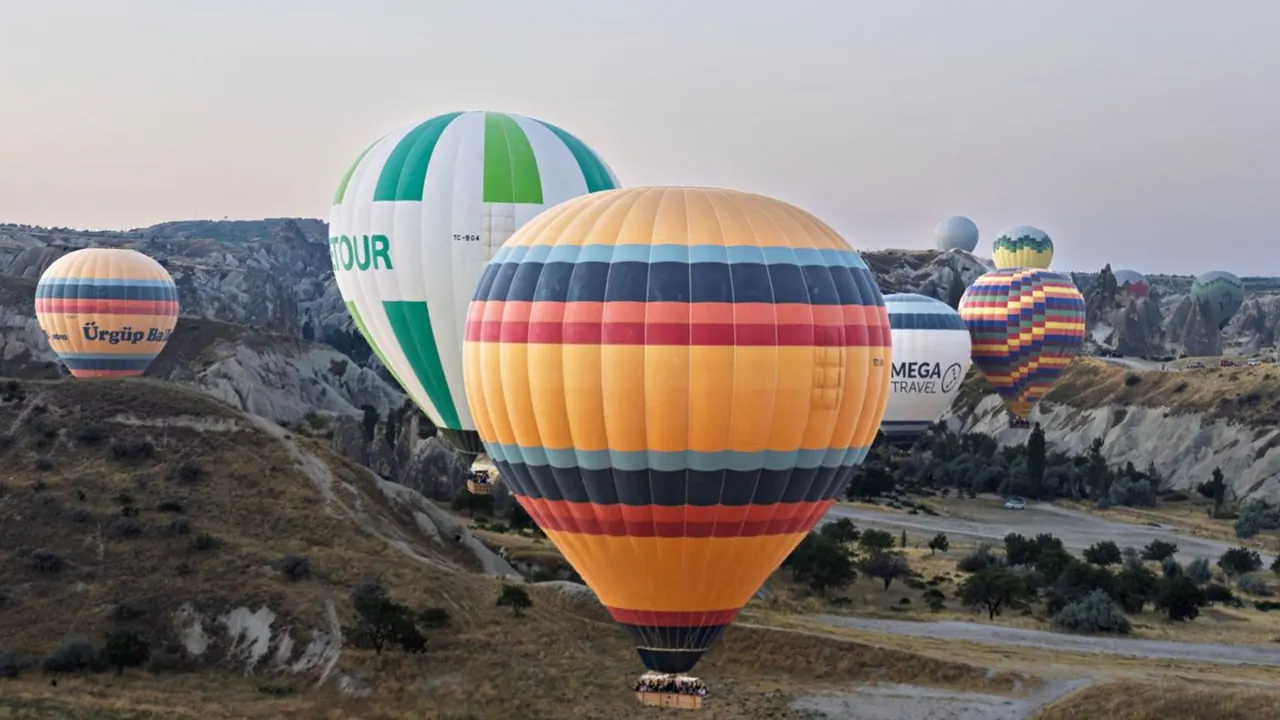
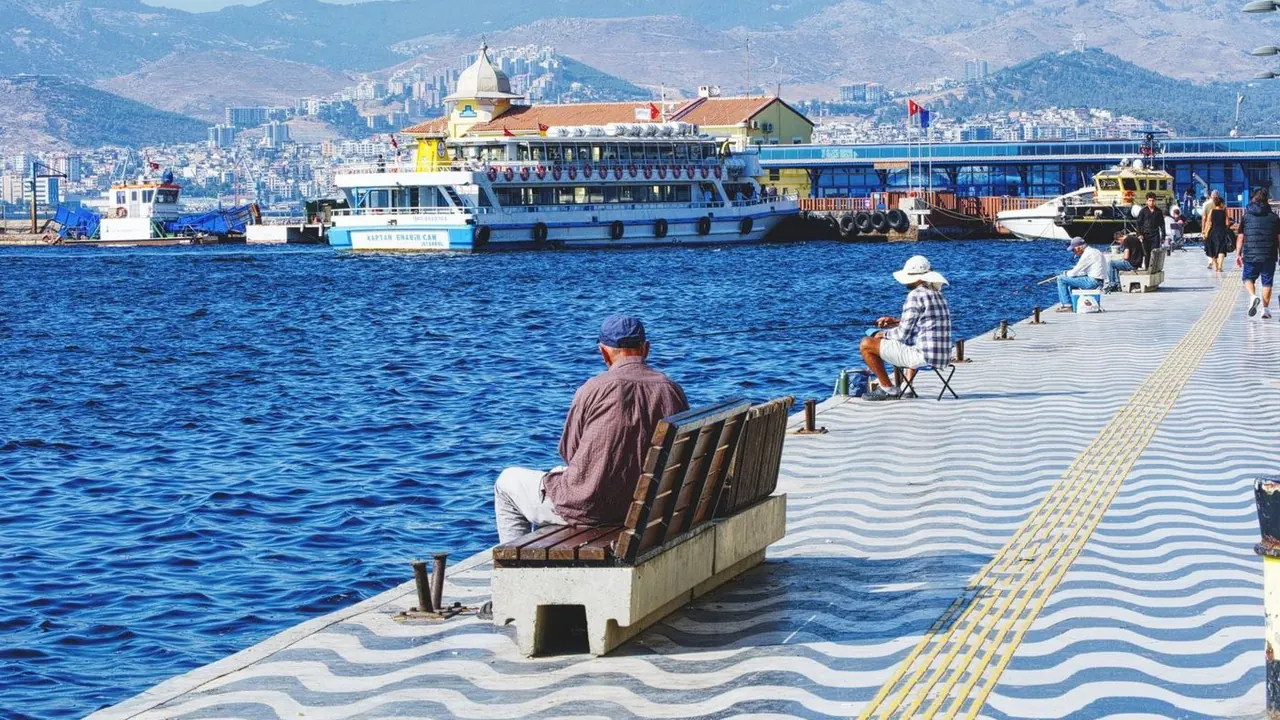
Photos: Goreme by Guerrero De la Luz, Pexels License; Izmir by Toygar Par, Pexels License.
Goreme or Izmir?
Our verdict in twelve categories, each scored against the same fixed benchmark cities, and the climate month by month, so you can choose for your trip.
Choose Goreme for
- nature and the outdoors
Goreme is for travellers who come for a landscape rather than a city. The valleys of tuff cones and pinnacles begin at the edge of the village, balloons rise over them at dawn, and the rock-cut churches and underground cities are close by. It suits a short, quiet stay of walking and outings, with early nights.
Choose Izmir for
- beaches
- nightlife
- food and drink
Izmir makes a broader and easier trip. The Aegean food, the bar streets of Alsancak, the Kemeraltı bazaar and good public transport make the city itself enjoyable, and Ephesus, Pergamon and the Cesme beaches are all within reach. Pick it for a longer stay that mixes ancient sites, sea, food and evenings out.
Scoreboard
Twelve categories on one fixed scale from 0 to 100. The shaded stretch is the gap between the two.
Your match
Pick a travel style or drag the sliders, and both match scores follow your weighting.
Wins on nature and the outdoors with your weighting.
Wins on beaches and nightlife with your weighting.
What matters to you?
Category by category
What the scores mean for a trip.
Beaches & swimming
Goreme has no beach at all. You can swim in a cave-hotel pool, but the river near Avanos is not for swimming, and many travellers simply add a few days on the coast to their Cappadocia trip.
You can't swim off Izmir's own waterfront either, but the coast starts an hour west. Ilica has shallow sand, the coves near Altinkum are clearer, and Gumuldur and Ozdere have long sandy strips to the south. Plan on beach day trips rather than a resort stay.
Food & drink
Goreme eats simply. There is testi kebab cracked open at the table, manti, gozleme from roadside stalls and good Cappadocian wine, but the menus look alike after a couple of nights.
Izmir is a proper food city with its own Aegean style. Olive oil, wild greens and grilled fish fill the meyhane tables, and the street gives you boyoz, gevrek and kumru. The lanes of Kemeraltı sell olives, spices and old-fashioned desserts, and Urla's vineyards keep the wine local here too.
Culture & sights
Goreme's culture is concentrated in one remarkable valley. Izmir has nothing like the frescoed rock churches of the Open Air Museum, above all the Dark Church and Tokali Church. Still, together with the village's cave dwellings, they take only a day or two to see.
Izmir offers more range. The Roman Agora of Smyrna, Kadifekale above the gulf, the Clock Tower on Konak Square, the hans and synagogues of Kemeraltı and two solid museums give you more to see, even though the fire of 1922 left the centre mostly modern.
Nightlife
A Goreme evening ends with local wine or raki on a terrace, watching the lights on the rocks. There are no clubs, and most visitors are asleep early because the balloons go up before dawn.
Izmir goes out properly. Sunset drinks on the Kordon lead into the bar lanes of Alsancak, which stay crowded until late. In summer the beach clubs of Alaçatı and Çeşme take over the bigger nights.
Nature & outdoors
The landscape is the reason to go to Goreme. Rose, Red, Love, Pigeon and Zemi valleys start at the edge of the village and give hours of walking among pink and pale tuff pinnacles, and the dawn balloon flights over them are unlike anything on the coast. What it lacks is variety, with no water and little forest.
Izmir's outdoors covers more ground but is less striking. There are flamingos in the Gediz Delta, cliffs and olive groves on Karaburun, some of the Mediterranean's best windsurfing at Alaçatı, and pine-forest walks on Spil Mountain an hour inland.
Day trips
Goreme is well placed for the Cappadocian circuit. The underground cities of Kaymakli and Derinkuyu, Uchisar's citadel, the cave villages of Zelve and Cavusin and the potters of Avanos are all less than an hour away, though much of it is rock-cut heritage in different forms.
The trips from Izmir are richer and more varied. Ephesus is an hour away by train, Pergamon and Sardis are about two hours, and Priene, Miletus and Didyma make a full day. Şirince, Alaçatı and Old Foça make a change from the ruins.
Good for families
Older children will love Goreme: sleeping in a cave room, crawling through the tunnels of an underground city and riding horses in the valleys. Toddlers are harder, with steep paths and unfenced drops, lanes that are tough with a buggy, and minimum ages for balloon flights.
Izmir is easier at any age. The flat Kordon is good for scooters, the Sasalı Wildlife Park and Kültürpark can fill a day, and the bay ferries are an outing in themselves. Ilica's shallow sand suits small children in the summer heat.
Getting around
In Goreme you walk around the village and into the nearby valleys. Beyond that you depend on tours, taxis or a hire car, because buses to Avanos, Urgup and Nevsehir are slow and infrequent, and the underground cities are hard to reach without your own transport.
Izmir has a real network: the metro, the İZBAN line along the gulf, trams and buses all on one card, plus ferries across the bay. Rush-hour traffic is heavy, though, and Cesme or Pergamon are still easier by car.
Shopping & style
Goreme sells mostly souvenirs, plus two genuine crafts: carpets and kilims in large showrooms, and Avanos pottery made in front of you. Beyond that there is little to buy.
Kemeraltı in Izmir is a working bazaar where locals buy fabrics, copperware, leather and spices, with Kızlarağası Han at its heart. Alsancak adds boutiques and Turkish chains. Olive oil soaps, Aegean herbs and local wine are the typical things to take home.
Affordability
In Goreme the costs pull in two directions. A cave hostel, gozleme and walking keep things cheap, but the things people come for, a boutique cave hotel and the balloon flight, are expensive, and tours and site fees add up.
Izmir is easier on the budget overall. Street breakfasts, lokanta meals, transport and ferries cost little, and mid-range hotels are fairly priced. The bill goes up for seafood, alcohol and a summer stay on the Cesme peninsula.
Live music & performing arts
Goreme's performances are put on for visitors. There is a Turkish night dinner show in a cave venue, or the more rewarding Sema ceremony of the whirling dervishes in a caravanserai near Avanos.
Izmir has the State Opera and Ballet at the Elhamra, the State Symphony and Turkish-language theatre. In summer the International Izmir Festival holds concerts in the ancient theatre at Ephesus, and bars in Alsancak have live rock and jazz.
Wellness & relaxation
Goreme's calm comes from quiet evenings and slow terrace breakfasts over the rocks, and it has a few village hammams and small cave-hotel spas. The early balloon starts and full tour days work against rest.
Izmir has real thermal water close at hand. Balçova's springs, the ancient Baths of Agamemnon, feed pools on the city's western edge, Ilıca has warm springs by the shore, and old hammams in Kemeraltı still offer the traditional scrub and steam.
When should you go?
Pick your month. The climate figures are measured averages, not a forecast.
Goreme in July
Izmir in July
Daytime high, °C
Rainfall in the month, mm
Where the figures come from
Goreme's station stands 160 m above the city centre, so the centre is likely a little warmer than the figures say.
Temperature and rainfall are climate normals, averaged over the years shown. Goreme: 1991-2020 normals, Nevsehir (10.2 km from centre). Izmir: 1991-2020 normals, Izmir (3.4 km from centre).
Goreme sits high on the Anatolian plateau, so its seasons are sharper. Winter days are cold, around 5°C in January, and snow can dust the rocks. Late April to early June and September to October are the walking months, mild and fairly sunny. July and August are dry and reach 30°C. Early mornings are fine for the balloons, but by late morning the valley paths are hot and have no shade.
Izmir is warmer all year, and its rain follows the opposite pattern. Winters are mild but wet, with around 127mm in December, while summers are almost rainless. July and August reach 34°C, which is too hot for long city walks but right for the beach, with the sea near 24°C. June and September give the best mix of swimming and sightseeing, and spring is the time for the ruins.
Which traveller are you?
On a beach and sun trip, Izmir is the only real choice. The sandy shallows at Ilica and the coves of the Cesme peninsula are about an hour away. Goreme is a long day's drive from any sea, and the most it offers is a hotel pool.
For an outdoors trip, Goreme has the edge. You can walk straight out of the village into Rose, Red and Pigeon valleys for hours, then cover the same ground on horseback or by bike. Izmir's outdoors is more about wind, water and coastline.
On a food and nightlife trip, Izmir wins easily. Long meze dinners with raki, boyoz for breakfast and evenings that move from the Kordon into the crowded lanes of Alsancak far outdo Goreme, where the menus repeat and the village sleeps early.
Before you go
| Measure | Goreme | Izmir |
|---|---|---|
| Official language | Turkish | Turkish |
| Currency | Turkish Lira (TRY) | Turkish Lira (TRY) |
| Sockets | CF230 V, 50 Hz | CF230 V, 50 Hz |
| Driving side | Right | Right |
| Time zone | UTC+3 | UTC+3 |
| Emergency number | 112 | 112 |
| Elevation | 1,100 m | 2 m |
| Main airport | Kayseri Erkilet International Airport (ASR)60 km from centre22 non-stop destinations | Adnan Menderes International Airport (ADB)13 km from centre120 non-stop destinations |
| Public holidays this year | 14 days | 14 days |
By the numbers
| Measure | Goreme | Izmir |
|---|---|---|
| City population | 2,000 | 4,493,242 |
| People per km² | 20 | 4,760 |
| Museums within 10 km | 5 | 29 |
| UNESCO World Heritage sites within 50 km | 1 | 0 |
| Swim season, months above 21 °C | - | 5 months |
Where else could you go?
Every comparison below shares a destination with this one, so you can follow Goreme or Izmir somewhere new.