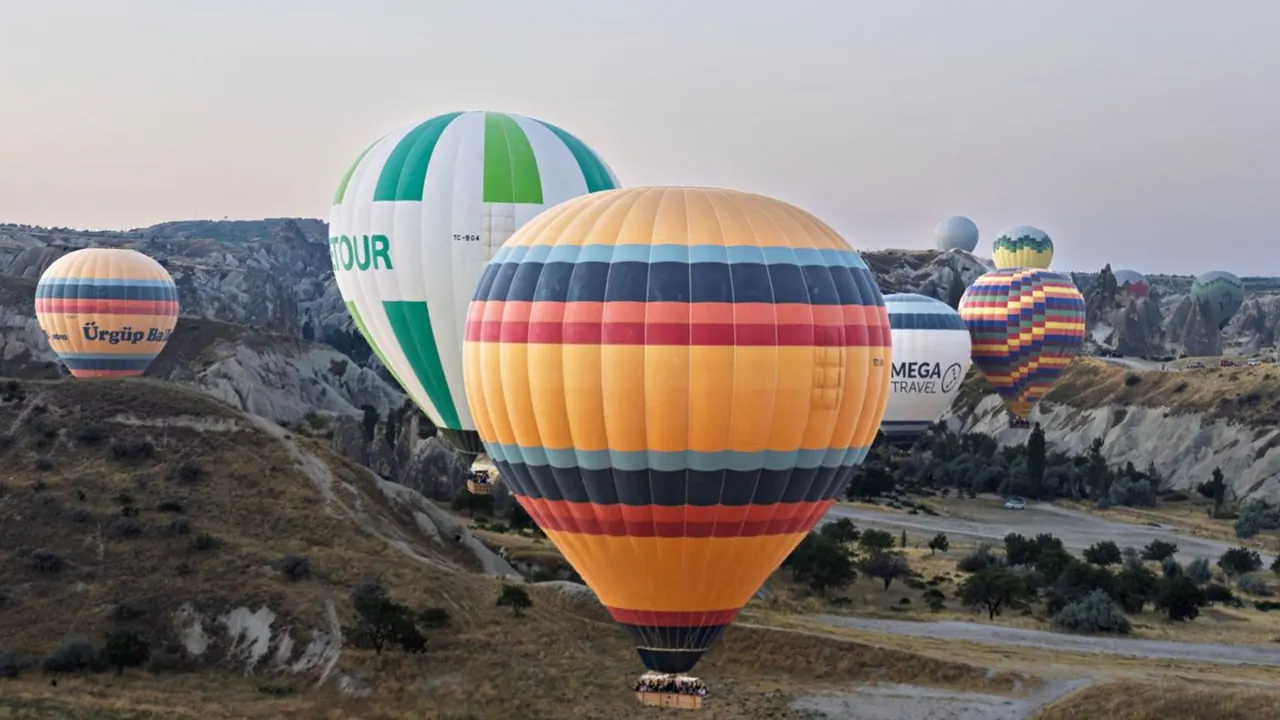
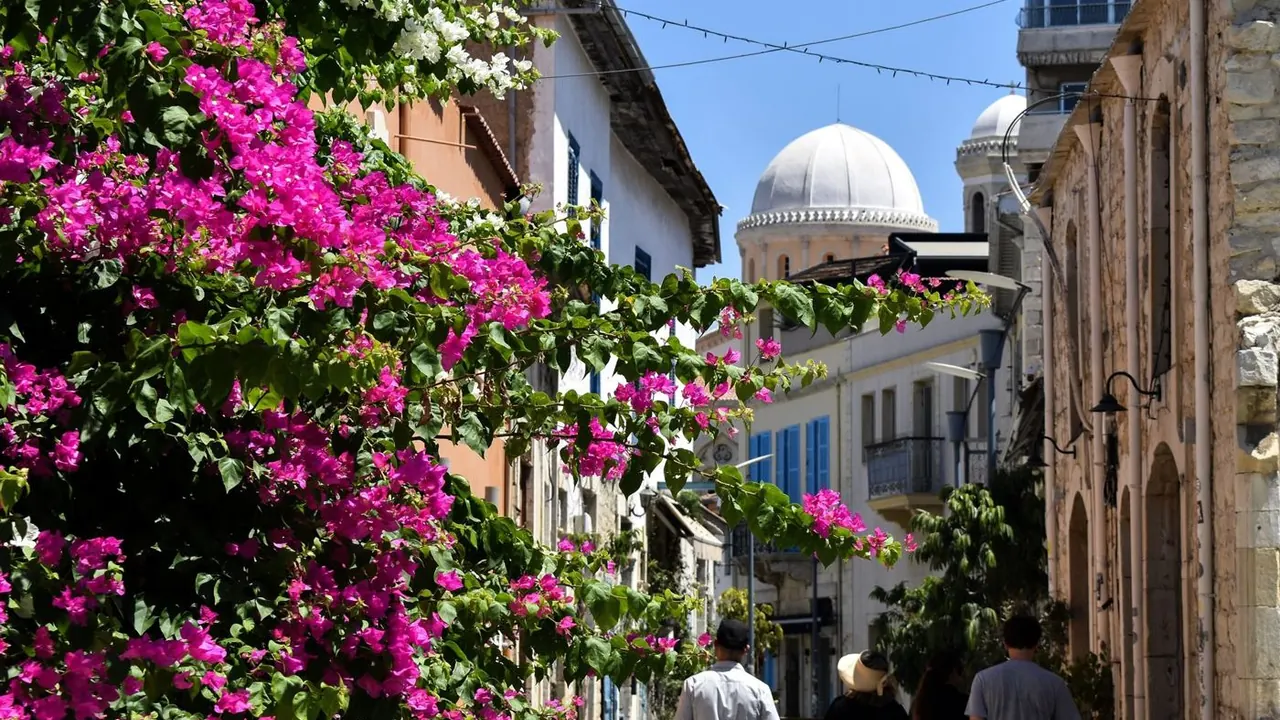
Photos: Goreme by Guerrero De la Luz, Pexels License; Limassol by Julian Lupyan, CC0.
Goreme or Limassol?
Our verdict in twelve categories, each scored against the same fixed benchmark cities, and the climate month by month, so you can choose for your trip.
Choose Goreme for
- prices
- nature and the outdoors
- culture and sights
Goreme is for travellers who want one extraordinary landscape and are happy to give it their full attention. You walk out of the village into valleys of pink and pale tuff, see balloons rise at dawn and spend afternoons in frescoed rock churches and underground cities. It is cheaper as a base, quiet at night and narrow in what it offers, so it suits a focused stay of a few days rather than a long, varied vacation.
Choose Limassol for
- beaches
- nightlife
- food and drink
Limassol makes more sense when the sea and an easy social life matter. It has a long beach season, meze tavernas, old-town bars that stay open late and resort hotels set up for children. The Troodos mountains, Kourion and Paphos are all within reach for days away from the beach. Couples, families and groups who want variety and warm water will find it the more complete trip, though it costs more in summer.
Scoreboard
Twelve categories on one fixed scale from 0 to 100. The shaded stretch is the gap between the two.
Your match
Pick a travel style or drag the sliders, and both match scores follow your weighting.
Wins on prices and nature and the outdoors with your weighting.
Wins on beaches and nightlife with your weighting.
What matters to you?
Category by category
What the scores mean for a trip.
Beaches & swimming
Here the two cities are as far apart as they can be. Goreme has no beach life at all. The Kizilirmak at Avanos is not for swimming, and the only place to swim is a cave-hotel pool, so travellers who want the sea usually add a few days on the Turkish coast.
Limassol is built around the sea. Its city beaches from Dasoudi to Amathus are grey sand or shingle and more practical than pretty, but the water is calm and warm for half the year. Governor's Beach under its chalk cliffs, the open bay at Kourion and the sheltered cove at Pissouri are better beaches within easy reach.
Food & drink
Limassol eats better and with more range. A Cypriot meze of halloumi, village sausage, kleftiko and charcoal souvla makes a whole evening, fish tavernas near the old port grill the day's catch, and the covered municipal market and old-town coffee shops add local flavour. The best cooking is away from the seafront, in the old town and the hill villages.
Goreme's food is pleasant but limited. The drama of testi kebab cracked open at the table, manti and gozleme carry a couple of nights before the village menus start to look the same. Both places do have their own wine. Cappadocia's volcanic soils give local reds and whites, while Limassol's vineyard villages make Xynisteri, Maratheftiko and the old sweet Commandaria.
Culture & sights
Goreme has the stronger sights within walking distance. The Open Air Museum is a whole monastic valley of rock-cut Byzantine churches, and the frescoes in the Dark Church and Tokali Church are among the finest in the region. The fairy-chimney houses and dovecotes of the village itself make it all hang together, and it takes a day or two to see properly.
Limassol's own heritage is thinner. There is the small medieval castle and its museum, the old mixed Greek and Turkish quarter, the district archaeological museum and the ruins of Amathus with their sunken harbour on the city's edge. Anyone after grand architecture has to drive out of town.
Nightlife
Limassol has a real evening scene, while Goreme barely has one. In Limassol the old-town lanes around Saripolou Square fill with people drinking outside until the early hours, the marina has smarter cocktail bars, and in summer the beach bars and a few big clubs on the tourist strip stay open past midnight. It suits relaxed late nights more than serious clubbing.
In Goreme the dawn balloon launches set the clock. A glass of local wine or raki on a terrace looking over the lit rocks is about as late as it gets, and there are no clubs.
Nature & outdoors
Goreme's outdoors starts at the edge of the village. Rose, Red, Love, Pigeon and Zemi valleys offer hours of walking among cones and ridges of tuff, horse and bike trails cross the same ground, and the sunrise balloons over the valleys are the region's signature experience. It is one landscape, with no water and little forest, but it is a remarkable one.
Limassol's nature is more varied but less striking up close. Within about an hour you can walk under black pine near Mount Olympos or to the Caledonia waterfall, and closer in there are flamingos on the Akrotiri salt lake through winter, cliff walks at Cape Aspro and diving and wind sports along the coast. In both places midsummer is too hot for walking in the lowlands.
Day trips
Limassol has the slight edge because its outings vary more. Kourion and the Kolossi tower lie just west, the Paphos mosaics and Tombs of the Kings are about forty-five minutes on, and inland there are the painted churches of Troodos and the wine village of Omodos. Nicosia, about an hour away, lets you cross the Green Line in a divided capital.
Goreme's list is just as convenient, with the underground cities of Kaymakli and Derinkuyu, Uchisar's citadel, the cave villages of Zelve and Cavusin and the potters of Avanos mostly under an hour away. However, much of it repeats the theme of rock-cut heritage, and only Seljuk Kayseri changes the subject.
Good for families
Limassol is the easier family choice, especially with young children. The beaches shelve gently into calm water, the seafront promenade suits pushchairs and scooters, and there are resort kids' clubs, a waterpark to the west and a small zoo. Midsummer heat means planning the day around mornings and the sea.
Goreme is a better fit for older children. Sleeping in a cave room, crawling through an underground city and riding through the valleys can be the highlight of their trip. Toddlers fare worse, with steep, unfenced paths, lanes that defeat buggies and minimum ages on balloon flights.
Getting around
Both are easy on foot at their core and awkward beyond it. Goreme's village is tiny, with the Open Air Museum and valley trailheads within walking distance. Limassol stretches for kilometres along the coast, but the old town, castle and marina sit close together and the promenade links much of the rest.
The difference lies in what comes next. Goreme's slow local buses leave the underground cities and Ihlara to tours, taxis or a hired car, and the airports at Nevsehir and Kayseri are about an hour away. Limassol has coast-road buses and intercity coaches, but there is no railway on the island and inland buses are sparse, so a car, driven on the left, is what opens up the mountains and the outlying beaches.
Shopping & style
Limassol is the better place for ordinary shopping, with chain stores on Anexartisias and Makarios Avenue, boutiques at the marina and malls on the edge of town. The best things to take home are halloumi, carob syrup and Commandaria, plus lace and silverwork from nearby Lefkara.
Goreme has souvenirs along its main street and a small weekly market, nothing more. What it does offer is the region's real crafts, hand-knotted carpets and kilims and the red-clay pottery of Avanos, made at the wheel while you watch.
Affordability
Goreme is the cheaper base, but only if you choose to make it so. Cave-house hostels, simple guesthouses, roadside gozleme and free valley walks keep a basic stay modest. Boutique cave hotels, menus aimed at tourists, guided tours, entry fees and above all the dawn balloon flight can push the bill up quickly.
Limassol is among the dearer places in Cyprus. Beachfront hotels and the marina area charge Western European resort prices in summer. Family-run tavernas, cheap buses and modest site fees soften the bill, and coming outside the peak months makes the biggest difference to room prices.
Live music & performing arts
Neither is a destination for performance, but Limassol has more of it. The Rialto and Pattihio theatres host drama, touring concerts and dance in the cooler months. In summer there are open-air concerts on the seafront and ancient Greek plays at Kourion's clifftop theatre at sunset, and the pre-Lent carnival brings parades to the streets.
In Goreme everything is staged for visitors. The Turkish night dinner shows in cave venues are lively but touristy. The Sema ceremony of the whirling dervishes in a caravanserai near Avanos is the more rewarding evening.
Wellness & relaxation
Both are equally restful, and neither has a thermal bathing tradition of its own. Goreme's calm comes from quiet evenings, long terrace breakfasts over the rocks and village hammams with the classic scrub and foam massage, though pre-dawn starts and busy tour days work against it.
Limassol relies on well-equipped resort spas along the coast and a slow Mediterranean rhythm of long lunches and evening walks on the promenade. For real stillness, visitors go up to the pine-scented hill villages of Troodos.
When should you go?
Pick your month. The climate figures are measured averages, not a forecast.
Goreme in July
Limassol in July
Daytime high, °C
Rainfall in the month, mm
Where the figures come from
Goreme's station stands 160 m above the city centre, so the centre is likely a little warmer than the figures say.
Limassol has no rain gauge within 25 km of the centre, so its rainfall comes from a gridded climate dataset read at the city rather than from a gauge further away.
Limassol's sunshine is measured 59 km from the centre, at Larnaca Airport.
Temperature and rainfall are climate normals, averaged over the years shown. Goreme: 1991-2020 normals, Nevsehir (10.2 km from centre). Limassol: 1998-2020 (sunshine 1991-2020, rainfall 1991-2020) normals, Akrotiri (11.6 km from centre).
The two climates hardly overlap. Goreme sits high on the Anatolian plateau, so winters are cold, with highs around 5°C in January and snow possible on the rocks. Rain is spread through the cooler half of the year and peaks in May. Summer is dry and bright but reaches about 30°C, which makes the valleys shadeless and tiring by late morning. The best walking months are April to early June and September to October, when days are mild and sunshine is plentiful.
Limassol is mild all winter, with highs near 17°C even in January, but it gets most of its rain from November to January, peaking at about 98mm in December. From May the coast is almost rainless and very sunny. The sea warms to about 27°C in August and stays swimmable from May into November. Midsummer heat suits the beach but not sightseeing, so for walking and day trips spring and late autumn are better. Of the two, Limassol is the one for a winter escape. In summer both are hot, but only Limassol has the sea to cool off in.
Which traveller are you?
On a beach and sun trip, Limassol wins easily. It has city beaches with calm, shallow water, quieter stretches along Lady's Mile and coves such as Pissouri a short drive away. Goreme is a long day's drive from any coast and has only hotel pools.
For a food and nightlife trip, Limassol again suits better. Long meze meals in family tavernas, wines from the Troodos villages and late drinks around Saripolou Square fill the evenings. Goreme's menus start to repeat within days, and the village is asleep soon after dinner.
On a trip on a tight budget, Goreme is easier to manage. Cave-house hostels, gozleme stalls, local buses and free walks through the valleys keep costs low, provided you skip the balloon flight. Limassol's beachfront hotels and seafront dining charge Western European prices in summer.
Before you go
| Measure | Goreme | Limassol |
|---|---|---|
| Official language | Turkish | Turkish, Greek, Modern Greek |
| Currency | Turkish Lira (TRY) | Euro (EUR) |
| Sockets | CF230 V, 50 Hz | G240 V, 50 Hz |
| Driving side | Right | Left |
| Time zone | UTC+3 | UTC+2, UTC+3 in summer |
| Emergency number | 112 | 112 |
| Elevation | 1,100 m | 10 m |
| Main airport | Kayseri Erkilet International Airport (ASR)60 km from centre22 non-stop destinations | Larnaca International Airport (LCA)58 km from centre112 non-stop destinations |
| Public holidays this year | 14 days | 17 days |
By the numbers
| Measure | Goreme | Limassol |
|---|---|---|
| City population | 2,000 | 107,970 |
| People per km² | 20 | 2,405 |
| Museums within 10 km | 5 | 2 |
| UNESCO World Heritage sites within 50 km | 1 | 3 |
| Swim season, months above 21 °C | - | 6 months |
Where else could you go?
Every comparison below shares a destination with this one, so you can follow Goreme or Limassol somewhere new.