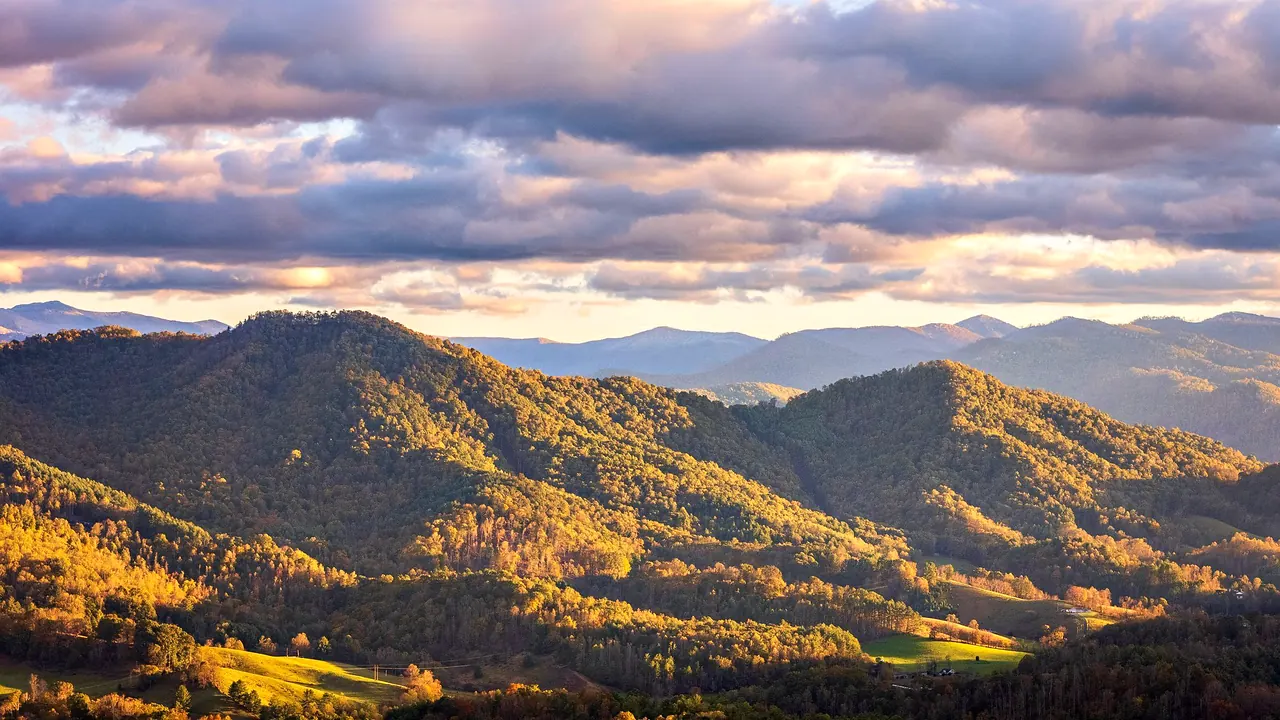
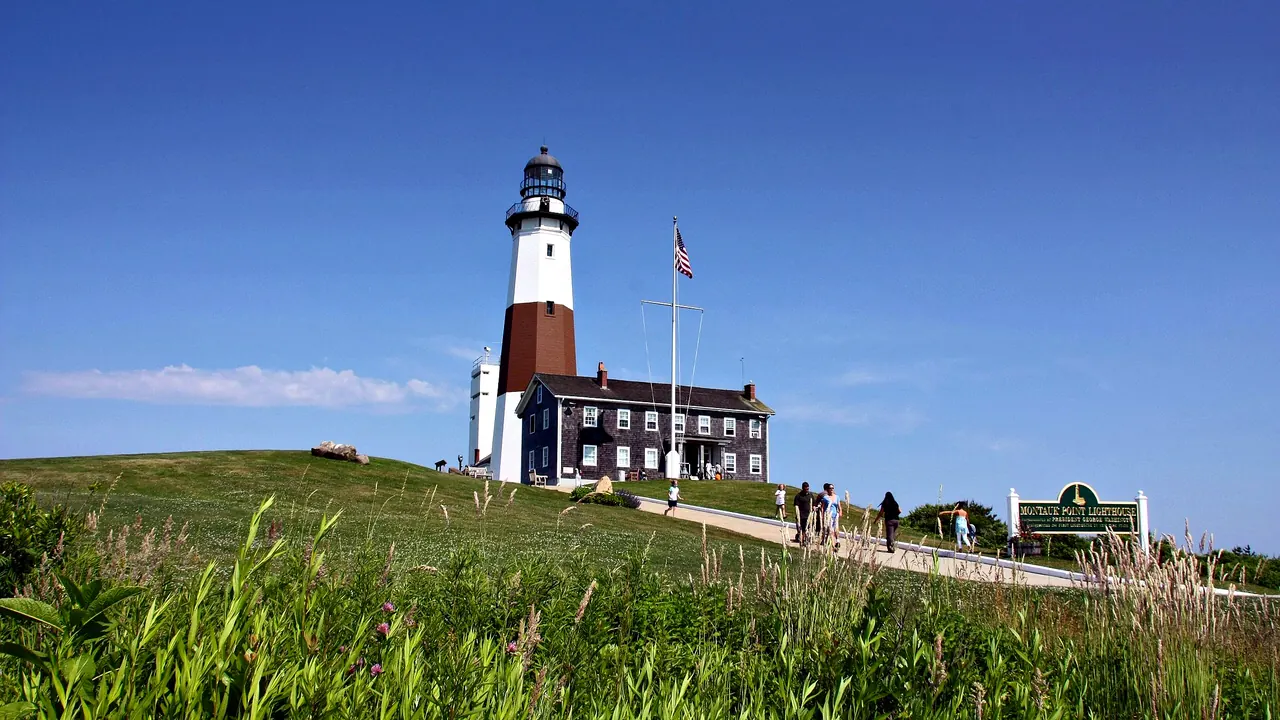
Photos: Great Smoky Mountains by Mark Stebnicki, Pexels License; The Hamptons by Tomás Fano, CC BY-SA 2.0, cropped.
Great Smoky Mountains or The Hamptons?
Our verdict in twelve categories, each scored against the same fixed benchmark cities, and the climate month by month, so you can choose for your trip.
Choose Great Smoky Mountains for
- prices
- nature and the outdoors
- families
Pick the Great Smoky Mountains for a trip built around forest trails, wildlife and a family base with plenty laid on. Old-growth ridges, waterfalls and bears in Cades Cove are a short drive from Dollywood and the attraction strips of Pigeon Forge, and a shared cabin keeps a large group's costs down. It suits travellers who want to be active by day and are happy with early, quiet evenings.
Choose The Hamptons for
- beaches
- nightlife
- food and drink
The Hamptons are the choice for a summer by the Atlantic. You get wide pale beaches, seafood from the harbours and farm stands, and village centres with polished restaurants, boutiques and a small art scene. It is an expensive trip, and outside high summer the sea is cold and much of the region winds down. It rewards those who can afford July or August, or who want the softer, quieter weeks of June and September.
Scoreboard
Twelve categories on one fixed scale from 0 to 100. The shaded stretch is the gap between the two.
Your match
Pick a travel style or drag the sliders, and both match scores follow your weighting.
Wins on prices and nature and the outdoors with your weighting.
Wins on beaches and nightlife with your weighting.
What matters to you?
Category by category
What the scores mean for a trip.
Beaches & swimming
The Smokies are landlocked. Swimming here means tubing on the Little River near Townsend or at Deep Creek, cold swimming holes, or the pool at your cabin. Fontana and Douglas Lakes draw boaters more than bathers.
The Hamptons are a real beach destination, with wide Atlantic sand backed by dunes, surf at Ditch Plains and warm, shallow bay beaches on the Peconic side. The drawbacks are rip currents, parking permits and a sea that is only warm enough from July to September.
Food & drink
Food in the Smokies is filling mountain fare: pancakes, barbecue, biscuits, mountain trout and cobbler, along strips crowded with chains. Moonshine tastings in Gatlinburg are the local habit. Anyone wanting a serious dinner usually drives to Knoxville.
The Hamptons eat better. The cooking is built on bay scallops, Peconic oysters, lobster rolls in Montauk and farm-stand produce, with North Fork wines and polished village restaurants. What they lack is cheap, casual eating, and many kitchens close or scale back after the autumn.
Culture & sights
The Smokies' heritage is pioneer and Cherokee. It covers the log cabins, churches and cemeteries of Cades Cove, the Mountain Farm Museum and Mingus Mill at Oconaluftee, and the Cherokee history museum and Oconaluftee Indian Village. It is worthwhile but thin once you leave the park and Cherokee.
The Hamptons have a little more to fill a day. Sag Harbor has its whaling-port streets and museum, the old English villages keep their windmills and greens, and Montauk Point Lighthouse stands at the tip. The painters' story is told at the Pollock-Krasner House and the Parrish Art Museum. Neither region is a reason to travel for sightseeing alone.
Nightlife
Evenings in the Smokies end early. You can stroll Gatlinburg's main street, try a moonshine tasting or a brewery, or go to the casino in Cherokee if you want to stay up late.
The Hamptons have a real party season, though a short one. Montauk's bars are loud and late from late June to Labor Day, and Southampton and Bridgehampton have lounges with door policies. Much of the scene happens at private parties, and it fades once summer ends.
Nature & outdoors
For nature the Smokies are in a different league. Blue ridges rise past 2,000m at Kuwohi, and the forests range from old-growth coves to spruce-fir summits. Trails run from Laurel Falls to Mount LeConte and the Appalachian Trail, with bears in Cades Cove, elk at Cataloochee and synchronous fireflies at Elkmont.
The Hamptons' outdoors is flat and coastal: dunes, salt ponds, the bluffs and Walking Dunes at Montauk, and the Mashomack Preserve on Shelter Island. Its strength is on the water, with sport fishing, surfing, kayaking and sailing, plus easy cycling on back roads.
Day trips
The two are evenly matched for days out, but in different ways. From the Smokies the pull is to towns and cities. Asheville has its Art Deco streets and the Biltmore Estate, and Knoxville has its market square. The heritage railway through the Nantahala gorge leaves from Bryson City.
From the Hamptons the best days go by water. Small ferries cross via Shelter Island to the North Fork's vineyards and the working harbour at Greenport, and in summer a ferry runs to Block Island. New York is too far for a comfortable day trip.
Good for families
Families are better served in the Smokies. Dollywood and its water park, plus the mountain coasters, go-karts and aquarium of Pigeon Forge and Gatlinburg, are close to easy waterfall walks and junior ranger programmes. Cabins with games rooms suit big groups.
The Hamptons offer a gentler summer of bay beaches, pick-your-own fields, mini-golf, ice cream and a lighthouse climb. There is no theme park, and the main purpose-built attraction is the aquarium at Riverhead, just west of the region. It suits families who want a beach routine rather than a full schedule.
Getting around
Both regions need a car, and both jam in season. In the Smokies the trouble is distance and terrain. Winding roads lead to the trailheads, the slow crossing at Newfound Gap can close in winter, and the park has no public transport.
The Hamptons are flat and strung along one highway that crawls on summer weekends. The Long Island Rail Road reaches the villages, though, and a bicycle covers the beach and farm stands on quiet back lanes.
Shopping & style
The Smokies' best buys are crafts. There is pottery, quilts and woodwork from the studios on the loop road outside Gatlinburg, and Cherokee baskets and carvings from the artists' cooperative. Beyond that it is outlet malls and fudge shops.
The Hamptons have more range. East Hampton and Southampton have fashion and resortwear boutiques, Sag Harbor has bookshops, and antiques and interiors dealers line the road around Bridgehampton and Water Mill. Some of it closes out of season.
Affordability
The cost gap is wide. The Smokies are a moderately priced drive-to vacation. The park is free to enter apart from a parking tag, and cabins split well among a group. The bill grows mainly with Dollywood and with summer or October rates.
The Hamptons in July and August cost more than New York itself. Many rentals go only by the week, there is little budget lodging, and even village deli sandwiches are dear. June, September or a base on the North Fork eases the bill, but never enough to make it cheap.
Live music & performing arts
Both have a modest stage of different kinds. The Smokies offer country, bluegrass and gospel: Opry-style revues and dinner shows in Pigeon Forge, bluegrass at Dollywood and the outdoor drama Unto These Hills in Cherokee, staged every summer since 1950.
The Hamptons lean towards theatre and classical music. There are plays at Guild Hall and on the Sag Harbor waterfront, the Bridgehampton Chamber Music Festival in village churches and an autumn film festival. In both regions the shows are small in scale and mostly limited to the main season.
Wellness & relaxation
Neither region has a bathing tradition. The Smokies' calm comes from a ridge cabin with a hot tub and a mountain view, best found in Townsend, Wears Valley or on the North Carolina side. Spas are limited to a few hotels and upscale retreats.
The Hamptons offer more, with resort spas and seawater pools in Montauk and Southampton, summer yoga in every village and empty beaches early in the morning. Midsummer weekends undo much of that, so June and September are the restful weeks.
When should you go?
Pick your month. The climate figures are measured averages, not a forecast.
Great Smoky Mountains in July
The Hamptons in July
Daytime high, °C
Rainfall in the month, mm
Where the figures come from
Great Smoky Mountains's temperatures are measured 43 km from the centre, at McGhee Tyson Airport.
Great Smoky Mountains's station stands 151 m below the place it is measured for, so that place is likely a little cooler than the figures say.
Great Smoky Mountains has no rain gauge within 25 km of the centre, so its rainfall comes from a gridded climate dataset read at the destination rather than from a gauge further away.
The Hamptons has no rain gauge within 25 km of the centre, so its rainfall comes from a gridded climate dataset read at the destination rather than from a gauge further away.
Temperature and rainfall are climate normals, averaged over the years shown. Great Smoky Mountains: 1991-2020 (sunshine 1981-2010) normals, McGhee Tyson Airport (42.9 km from centre). The Hamptons: 2016-2025 (rainfall 1991-2020) normals, Easthampton / Midhampton (5.6 km from centre).
The Smokies are best in spring and autumn for walking. From April the days are mild. October brings highs around 22°C and the driest weather of the year, just as the leaves turn. Midsummer reaches 31°C in the valleys, with the most sunshine but also the heaviest rain, peaking at 148mm in July, so hikes are best started early. Winter is cool rather than harsh in the lowlands, though snow can close the high roads.
The Hamptons have a much shorter peak. The ocean becomes comfortable in July and stays swimmable into September, reaching about 22°C in August. Winter highs fall to around 4°C, and then the coast is only for bracing walks. Rain is spread fairly evenly through the year in both regions, so the real difference is length of season. The Smokies work across spring, summer and autumn, while the Hamptons are essentially a summer beach destination with gentler shoulder months in June and September.
Which traveller are you?
On a beach and sun trip, the Hamptons win outright. Broad Atlantic sand runs from Westhampton to Montauk, the bays have calm shallow water for children and Ditch Plains has surf. The Smokies offer only cold river swimming holes and lakes.
For an outdoors trip, the Smokies are far stronger. Trails climb through old-growth forest to summits above 2,000m, past waterfalls and meadows with bears, elk and spring wildflowers. The Hamptons give you gentle bluff walks, cycling and paddling, which are pleasant but never dramatic.
On a tight budget, choose the Smokies. The national park charges no entrance fee, motels and shared cabins in Pigeon Forge and Sevierville are reasonable, and costs climb mainly with paid attractions. The Hamptons are among the dearest summer places anywhere, with little cheap lodging or casual food.
Before you go
| Measure | Great Smoky Mountains | The Hamptons |
|---|---|---|
| Currency | US Dollar (USD) | US Dollar (USD) |
| Sockets | AB120 V, 60 Hz | AB120 V, 60 Hz |
| Driving side | Right | Right |
| Time zone | UTC-5, UTC-4 in summer | UTC-5, UTC-4 in summer |
| Emergency number | 911 | 911 |
| Main airport | McGhee Tyson Airport (TYS)34 non-stop destinations | John F. Kennedy International Airport (JFK)189 non-stop destinations |
| Public holidays this year | 13 days | 13 days |
By the numbers
| Measure | Great Smoky Mountains | The Hamptons |
|---|---|---|
| Swim season, months above 21 °C | - | 1 month |
Where else could you go?
Every comparison below shares a destination with this one, so you can follow Great Smoky Mountains or The Hamptons somewhere new.
- Martha's Vineyardvs The Hamptons
- Cape Codvs The Hamptons
- Nantucketvs The Hamptons
- Catskillsvs The Hamptons
- Poconosvs The Hamptons
- Adirondacksvs The Hamptons