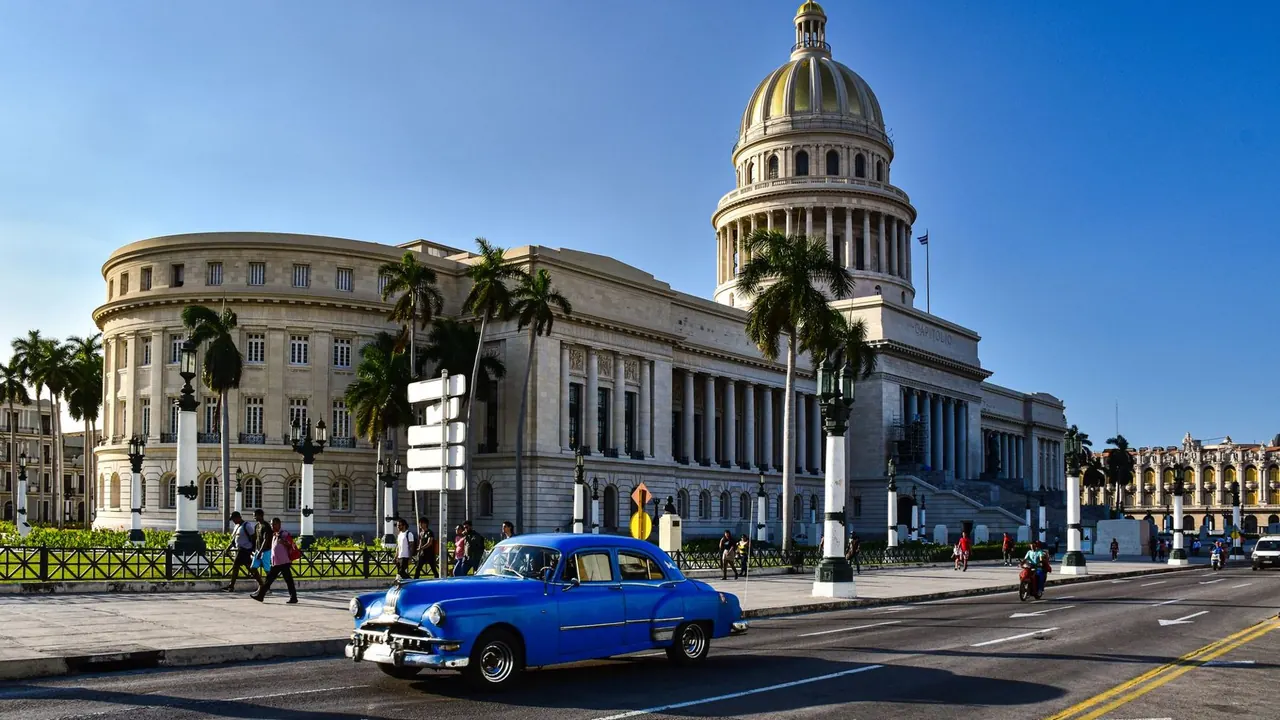
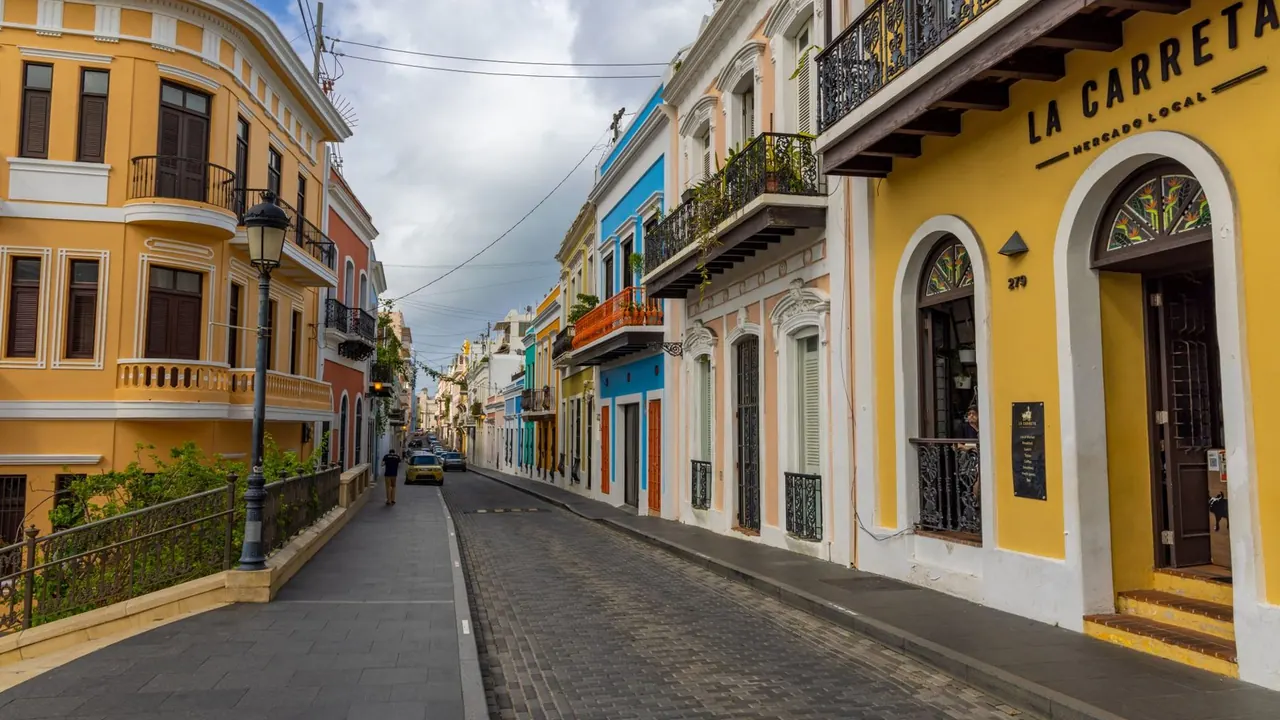
Photos: Havana by AXP Photography, Pexels License; San Juan by Mohan Nannapaneni, Pexels License.
Havana or San Juan?
Our verdict in twelve categories, each scored against the same fixed benchmark cities, and the climate month by month, so you can choose for your trip.
Choose Havana for
- prices
- live music and the arts
- culture and sights
Havana suits the traveller who wants a city to walk through and listen to. The colonial squares of Habana Vieja, the art deco streets of Centro and Vedado, and live son and salsa from midday until late make it the richer of the two for sights and music, with the Ballet Nacional at the Gran Teatro for a formal evening. Sleeping in casas particulares also makes it the cheaper stay. In return you accept plain food outside the paladares, beaches half an hour from the centre and few comforts for small children.
Choose San Juan for
- nature and the outdoors
- food and drink
- families
Pick San Juan for a rounded Caribbean trip where the beach, the rainforest and a night out all sit close together. There is sand inside the city, El Yunque and the glowing lagoon near Fajardo are a short drive away, and the eating, from the Santurce restaurants to the Piñones kiosks, is better. Familiar US standards make it easier with children, though it costs about what the US mainland does, and the old town is seen in a couple of days.
Scoreboard
Twelve categories on one fixed scale from 0 to 100. The shaded stretch is the gap between the two.
Your match
Pick a travel style or drag the sliders, and both match scores follow your weighting.
Wins on prices and live music and the arts with your weighting.
Wins on nature and the outdoors and food and drink with your weighting.
What matters to you?
Category by category
What the scores mean for a trip.
Beaches & swimming
You cannot swim in central Havana, where the Malecón meets the sea as a wall of rock and concrete. A swim means a taxi half an hour east to the Playas del Este, which have white sand and clear water, simple shade, food stalls and lively local weekends. It works best as a day off from the city.
San Juan has its beaches in town. Condado, Ocean Park and the reef-sheltered sweep of Isla Verde line the hotel districts, and Escambrón's calm bay near the old town suits children and snorkellers. Some open stretches have strong currents, so it pays to use the lifeguarded balnearios, and Luquillo's palm-backed crescent is the classic outing.
Food & drink
Havana's table is narrow. The paladares in old mansions and on rooftops serve good ropa vieja, pork and lobster, but state restaurants are dull, menus depend on what the kitchen can get, and there is little street food. Havana's strength is in the glass: daiquiris and mojitos in the old bars, aged rum and strong sweet coffee.
San Juan eats more widely and more casually. You can have mofongo and alcapurrias at the Piñones kiosks, a night around La Placita, and the roast-pork stalls of Guavate in the hills, while Santurce and Condado have chef-led restaurants. Rum is everywhere in both, and San Juan adds the piña colada and its own mountain-grown coffee.
Culture & sights
Both cities have a Morro fortress guarding the harbour mouth, but Havana has much more behind its fort. Habana Vieja spreads across four great colonial squares, with baroque churches and arcaded mansions, and beyond it come the Capitolio, the art deco and mid-century streets of Centro and Vedado, the Plaza de la Revolución and two important museums. That is several days of looking, with the crumbling buildings as much a part of it as the restored ones.
Old San Juan is smaller and better kept: blue cobbles, pastel houses, El Morro and San Cristóbal, and the cathedral with Ponce de León's tomb, all walkable in a day. Outside the walls there is the island's art museum and the murals of Santurce, then mostly modern city.
Nightlife
San Juan has the denser night out. From Thursday to Saturday the crowd around La Placita drinks in the street between small bars, Calle San Sebastián mixes salsa and reggaeton on its dance floors, and Condado and Isla Verde add hotel lounges, casinos and proper clubs.
Havana's nights are built around dancing too, in the serious salsa clubs of Vedado and Miramar and in old town bars that serve rum late. Its most memorable evening is the free one, sitting on the Malecón with the city. The scene is spread out, so a night usually means taxis between neighbourhoods.
Nature & outdoors
San Juan has real landscape close by. El Yunque's rainforest, with its tree ferns, waterfalls and lookout towers, is under an hour's drive, and near Fajardo you can kayak at night through bioluminescent water or sail out to snorkel the cays. Closer in, there are the Piñones mangroves and winter surf on the north coast.
Flat Havana offers the sea wall, sunsets over the Straits of Florida and the shade of the Almendares park. For forest trails and river pools you go to Las Terrazas, an hour west, and for Viñales' limestone valleys about three hours.
Day trips
San Juan has more to fill a day out. Ponce, over the mountains, has a colonial plaza and a fine art museum, a short ferry crosses to the rum distillery at Cataño, and Loíza is the home of bomba. Culebra and Vieques deserve a night of their own.
From Havana the easy outings are Hemingway's Finca Vigía, Cojímar and Matanzas, with Varadero's resort strip further east. Cuba's real prizes, Trinidad, Cienfuegos and Viñales, are too far for a day, and with poor public transport you need a car with driver or a tour.
Good for families
San Juan is the easier city with children. English is widely spoken, and pharmacies, supermarkets and resort pools work as they do in the US. The calm water at Escambrón and Luquillo, the tunnels of El Morro with kites flying on the lawn outside, and the short paved trails in El Yunque make simple days out. The main things to plan around are the midday heat and the steep cobbles.
Havana welcomes children warmly and has the aquarium in Miramar, classic-car rides and cannons on the fortresses. Broken pavements, heavy summer heat and gaps in supplies such as baby goods and medicines make it better suited to older children who are curious about music and history.
Getting around
In both cities you walk the old town and take taxis for everything else, and neither has public transport a visitor can rely on. In Havana the taxis are part of the experience: classic American cars, shared almendrones on fixed routes and coco-taxis, with the fare agreed before you set off. A walk along the Malecón links the old town to Vedado in under an hour.
San Juan runs on ride-hailing. Its single rail line misses both the old town and the beaches, and a hire car is the usual way out to El Yunque or Ponce, with heavy traffic on the highways at rush hour. Watch your footing in both places: on the hilly cobbles in San Juan, and on the broken, poorly lit pavements in Havana.
Shopping & style
Neither is a shopping destination, but San Juan gives you more choice. Plaza Las Américas is one of the Caribbean's biggest malls, Ashford Avenue has designer boutiques, and the old town sells carved santos, vejigante masks, cigars and local coffee among the shops aimed at cruise passengers.
Havana has no fashion or department stores, and its shop shelves can be sparse. What it does offer is worth buying: cigars, aged rum and, above all, paintings and prints from the artists' studios in Habana Vieja and Vedado, plus the craft market by the harbour.
Affordability
Havana is cheaper, if you travel its way. Casas particulares are good value and come with a big breakfast, and live music, museums and shared taxis cost little. State hotels, the smarter paladares and anything imported are expensive, though, and you need to carry cash because cards are unreliable.
San Juan costs about what a mid-sized city on the US mainland does, with tips and taxes added to restaurant bills and high winter rates at the beach hotels. Kiosk meals and the forts' small fee help, but car hire adds up. Summer rooms are cheaper because it is hurricane season.
Live music & performing arts
Music is the main reason many people go to Havana, and it is the stronger of the two here. Son, bolero, salsa and rumba play from midday in bars, courtyards and on street corners, at a high standard everywhere. Vedado's jazz clubs and the Jazz Plaza festival add more, and the Gran Teatro is home to the Ballet Nacional de Cuba, with Callejón de Hamel and the Tropicana for the popular side.
San Juan's live music is more of a dance-floor affair, with salsa bands in Santurce and the old town. It also has bomba, where open sessions invite visitors to join in. The Centro de Bellas Artes, the Casals Festival and big reggaeton concerts in Hato Rey cover the rest.
Wellness & relaxation
San Juan makes rest easier to arrange. The resort hotels in Condado and Isla Verde have spas, pools and beach loungers, and yoga and massage are easy to find, though the streets outside are loud and real quiet means going out to the countryside or the small islands.
Havana has hardly any spas and no bathing culture. Its kind of rest is slowness: a rocking chair in a colonial courtyard or an evening by the sea. Traffic fumes and noise mean you sleep better in a guesthouse in leafy Vedado or Miramar.
When should you go?
Pick your month. The climate figures are measured averages, not a forecast.
Havana in July
San Juan in July
Daytime high, °C
Rainfall in the month, mm
Where the figures come from
Havana has no rain gauge within 25 km of the centre, so its rainfall comes from a gridded climate dataset read at the city rather than from a gauge further away.
Temperature and rainfall are climate normals, averaged over the years shown. Havana: 1991-2020 normals, Casa Blanca, La Habana (3.5 km from centre). San Juan: 1991-2020 normals, San Juan / Int., Puerto Rico (12.8 km from centre).
Havana has a clear dry season from November to April. The days are warm rather than hot, around 27°C in December and January, which is ideal for walking the old town, and the sea is still warm enough to swim. The rains arrive in May and are heaviest in June, at about 181mm, with a second wet spell in September and October. Summer highs of 32°C make long walks hard going, though the sea is at its warmest then, reaching 30°C in August.
San Juan is a little warmer in winter and changes less through the year, but it has no real dry season. Rain is spread across most months. March is the driest and also the sunniest month, and November is the wettest at about 178mm, followed by a duller December. For a dry winter city break, Havana is the more reliable choice. For a beach trip in late winter or spring, both have warm seas, and February and March are the driest months in each city.
Which traveller are you?
On a culture and arts trip, Havana is the stronger choice. Its old town of colonial squares runs on into whole districts of art deco buildings and good museums, and the music is live, everywhere and of a high standard, from street rumba up to the national ballet.
For an outdoors trip, San Juan is far ahead. El Yunque's rainforest trails and waterfalls are under an hour away, there are night kayaks on a bioluminescent lagoon, snorkelling off the cays and winter surf. In Havana the outdoors means the Malecón unless you drive out.
On a trip with a tight budget, Havana stretches money further. Rooms in private homes come with breakfast, and music, museums and shared taxis cost little. San Juan charges US mainland prices, with tips and taxes on top, and you will probably need a hire car.
Before you go
| Measure | Havana | San Juan |
|---|---|---|
| Official language | Spanish | Spanish, English |
| Currency | Cuban Peso (CUP) | US Dollar (USD) |
| Sockets | AB110 V, 60 Hz | AB120 V, 60 Hz |
| Driving side | Right | Right |
| Time zone | UTC-5, UTC-4 in summer | UTC-4 |
| Emergency number | Police 106, ambulance 104, fire 105 | 911 |
| Elevation | 59 m | 3 m |
| Main airport | José Martí International Airport (HAV)17 km from centre21 non-stop destinations | Luis Munoz Marin International Airport (SJU)12 km from centre59 non-stop destinations |
| Public holidays this year | 9 days | 21 days |
By the numbers
| Measure | Havana | San Juan |
|---|---|---|
| City population | 2,492,618 | 342,259 |
| People per km² | 3,423 | 2,847 |
| Museums within 10 km | 12 | 18 |
| UNESCO World Heritage sites within 50 km | 1 | 1 |
| Swim season, months above 21 °C | 12 months | 12 months |
Where else could you go?
Every comparison below shares a destination with this one, so you can follow Havana or San Juan somewhere new.