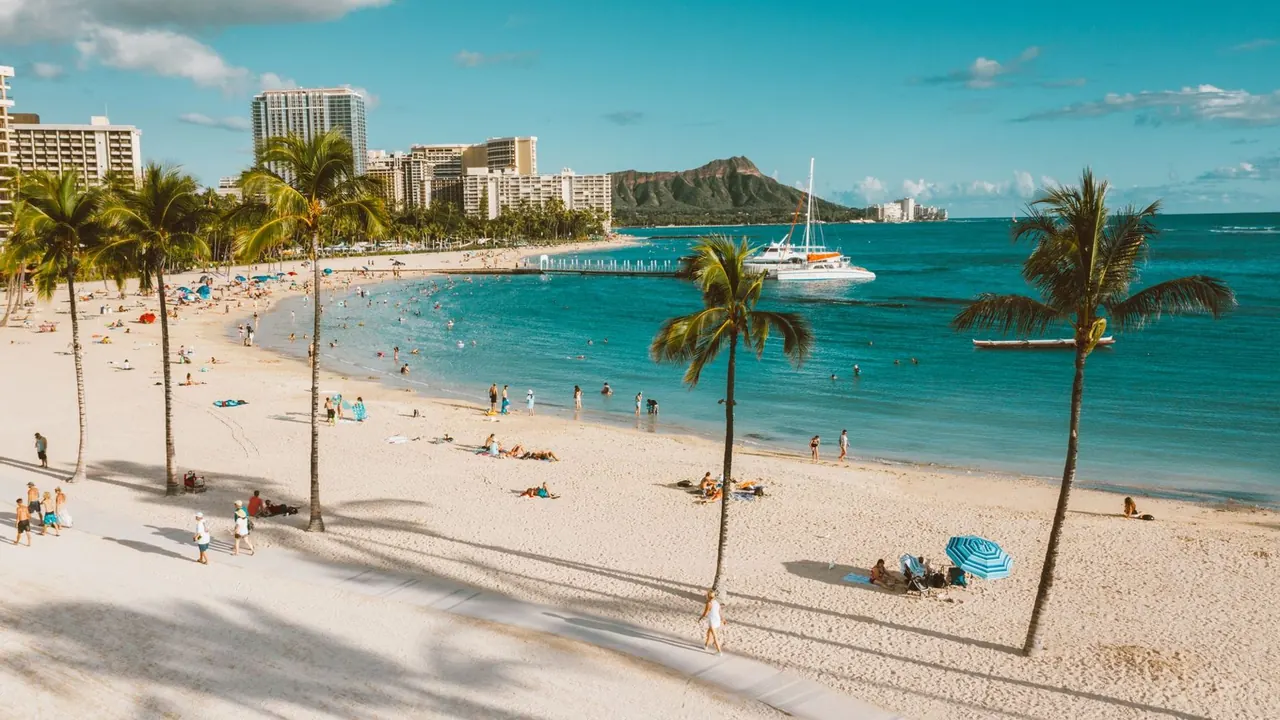
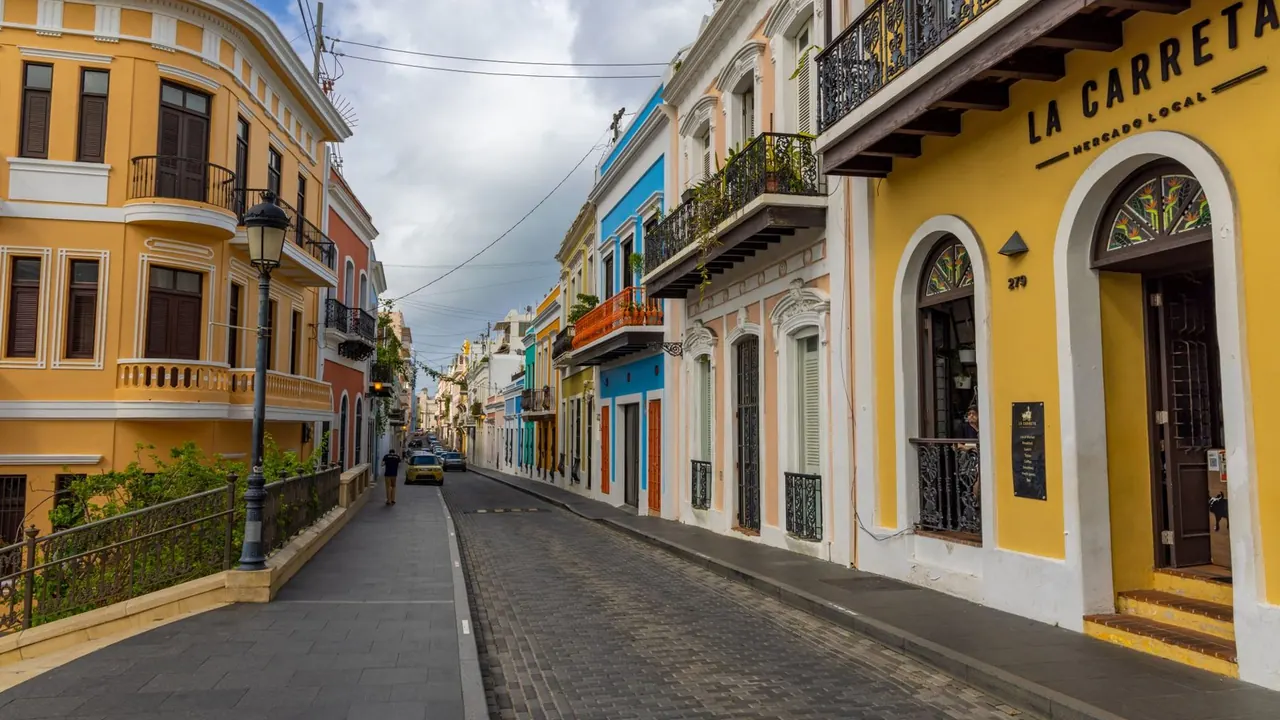
Photos: Honolulu by Jess Loiterton, Pexels License; San Juan by Mohan Nannapaneni, Pexels License.
Honolulu or San Juan?
Our verdict in twelve categories, each scored against the same fixed benchmark cities, and the climate month by month, so you can choose for your trip.
Choose Honolulu for
- families
- nature and the outdoors
- getting around
Honolulu is for travellers whose days revolve around water and mountains: gentle swimming off Waikiki, snorkelling with turtles at Hanauma Bay, and crater and rainforest walks starting almost from the hotel door. It is also the easier choice with children, as long as you can accept the long flight and the high cost of nearly everything.
Choose San Juan for
- nightlife
- prices
- live music and the arts
If you want your evenings to matter as much as your beach days, San Juan is the better pick. Old San Juan's walls, forts and cobbled streets give it more history to explore on foot, La Placita and Calle San Sebastián stay loud into the early hours, and salsa and bomba are part of ordinary nights rather than a staged show. It costs less than Honolulu, and Ponce, Loíza and the offshore islands give you more to see beyond the city.
Scoreboard
Twelve categories on one fixed scale from 0 to 100. The shaded stretch is the gap between the two.
Your match
Pick a travel style or drag the sliders, and both match scores follow your weighting.
Too close to call, level with your weighting
Wins on families and nature and the outdoors with your weighting.
Wins on nightlife and prices with your weighting.
What matters to you?
Category by category
What the scores mean for a trip.
Beaches & swimming
Both cities have warm water and beaches inside the city, but Honolulu's are easier to use and more varied. Waikiki's reef-sheltered water suits beginner surfers and gentle swimmers, Hanauma Bay is a natural snorkelling bowl, and the soft white sand of Kailua and Lanikai is under an hour away. In summer, the North Shore calms down enough for swimming.
San Juan's sea is a few degrees warmer, and Isla Verde and the bay at Escambrón are well protected. Still, more of its city coastline, including parts of Condado and the shore towards Piñones, has strong currents, so you often need a lifeguarded balneario. Luquillo is the classic escape.
Food & drink
The two are close for eating well, and in both the casual places beat the formal ones. The difference is in the cooking itself. Honolulu's food mixes what Hawaiian, Japanese, Chinese, Korean, Filipino and Portuguese families brought: poke sold by weight at fish counters, plate lunch, Portuguese malasadas, and excellent ramen and izakaya. Kaimuki and Chinatown are where locals eat.
San Juan cooks Puerto Rican food, heavier and built on plantain and pork, with mofongo, alcapurrias and the weekend roast-pork stalls of Guavate. Both have island coffee worth trying: Kona and other Hawaiian coffees in Honolulu, and coffee from the mountains in San Juan's cafés. San Juan also has rum and the piña colada, which it claims as a local invention.
Culture & sights
San Juan has the stronger set of sights, and they are all in one place. Old San Juan's walled grid of pastel houses, the forts of El Morro and San Cristóbal, and the cathedral with Ponce de León's tomb make a UNESCO-listed old town you can walk round in a day.
Honolulu's history is more spread out and more about the twentieth century: Iolani Palace and the Bishop Museum for the Hawaiian kingdom, and the Arizona Memorial and the Missouri at Pearl Harbor for the war. Both make a fine few days, but only San Juan offers centuries-old streets to wander.
Nightlife
This is one of the biggest gaps between the two. San Juan really goes out: crowds drink in the street at La Placita from Thursday to Saturday, and the bars around Calle San Sebastián switch between salsa and reggaeton until late.
Honolulu's evenings are about a mai tai at sunset, then a cocktail or craft beer in Chinatown or Kakaako, and an early night before a morning in the water. It suits couples well, but if you want to dance, go to San Juan.
Nature & outdoors
Honolulu has the landscape right on its doorstep. The Diamond Head crater, the Manoa Falls rainforest and the steep Koolau ridges are all close to Waikiki, and turtles, surf and passing humpbacks are in the water in front of the city.
San Juan has fine places too, but you have to drive to them. El Yunque's cloud-wrapped rainforest is under an hour away, and the bioluminescent lagoon near Fajardo is something Oahu cannot offer. In town, though, the open space is limited to the lawns around El Morro and the Piñones mangroves.
Day trips
San Juan has more to see beyond the city. Ponce, over the mountains, has a colonial plaza and a major art museum, Loíza is the home of bomba and Afro-Puerto Rican culture, and a short ferry takes you to the rum distillery at Cataño. Culebra and Vieques make an excellent overnight trip.
On Oahu, the choices are smaller: the surf town of Haleiwa, Kailua, the Polynesian Cultural Center and a loop around the island. The other Hawaiian islands need a flight and really deserve a few nights each.
Good for families
Honolulu is clearly better set up for children. It has a zoo, an aquarium, Sea Life Park, a water park, calm lagoons at Ko Olina, and surf lessons and the Pearl Harbor ships for older children.
San Juan is easy to manage, with familiar US standards and calm beaches at Escambrón and Luquillo, and children love El Morro's tunnels and the kite lawn outside it. Beyond that, little is built for families, and you have to plan around the steep cobbles and the midday heat.
Getting around
Honolulu is the easier city to get around without a car. Waikiki is flat enough to walk from end to end, and TheBus reaches Pearl Harbor, Chinatown and even the North Shore, so most visitors only hire a car for a day or two.
In San Juan, the old town is walkable but hilly, and its single rail line misses both the old town and the beaches. Taxis and ride-hailing link Condado and Isla Verde, and you will need a car or a tour for El Yunque, Luquillo or Ponce.
Shopping & style
Honolulu has more for shoppers. The luxury houses along Kalakaua Avenue and the vast open-air Ala Moana Center are destinations in their own right, and aloha shirts, koa bowls and ukuleles make souvenirs worth carrying home.
San Juan has one huge mall in Plaza Las Américas and a short run of designer shops on Ashford Avenue. Its best buys are crafts from Old San Juan: carved santos, vejigante masks, guayaberas and cigars.
Affordability
Neither is cheap, but San Juan is noticeably easier on the budget. Its costs are roughly those of a mainland US city, and kiosks, roadside stalls and the forts' modest entry keep the days affordable.
Honolulu is one of the most expensive places you could choose, with high hotel rooms, resort fees, car hire and restaurant bills. Plate lunches, poke counters, the bus and free hikes and beaches help, but the overall bill is still higher.
Live music & performing arts
San Juan has more live performance. Salsa bands play to full dance floors, open bomba sessions let visitors join in, and the Centro de Bellas Artes and the Casals Festival give it a proper classical and theatre calendar.
Honolulu's strength is narrower but distinctive: slack-key guitar, falsetto singing and hula, from the free shows at Kuhio Beach to the chanted ancient form. Beyond that, the Hawaii Theatre and short symphony and opera seasons are all there is.
Wellness & relaxation
Neither city has a bathing tradition, so in both, wellness means resort spas. Honolulu is more restful overall. It has its own lomilomi massage and dawn yoga on the sand, and Kahala, Ko Olina and the windward side give you real quiet close by.
San Juan is louder. Weekend music and traffic carry through the streets, so for real calm you either stay inside a Condado or Isla Verde resort or leave for the countryside or the small islands.
When should you go?
Pick your month. The climate figures are measured averages, not a forecast.
Honolulu in July
San Juan in July
Daytime high, °C
Rainfall in the month, mm
Temperature and rainfall are climate normals, averaged over the years shown. Honolulu: 1991-2020 normals, Honolulu International Airport (10.1 km from centre). San Juan: 1991-2020 normals, San Juan / Int., Puerto Rico (12.8 km from centre).
Honolulu is warm and fairly dry all year. Highs run from about 27°C in winter to 32°C in August, and April to September is the driest stretch, with very little rain at all. From November to March showers come more often, though monthly totals stay modest. The sea is coolest in late winter at around 24°C, which is still comfortable for swimming.
San Juan is hotter and much wetter. Its sea is warmer all year and reaches about 29°C in late summer, but rain is heavy from April onwards and peaks in autumn, with November the wettest month at about 178mm. February and March are the driest months, and March is also the sunniest, so late winter is the most reliable time to go. In both cities the summer midday heat makes long walks tiring, and that matters more on Old San Juan's steep cobbles than on Waikiki's flat promenade.
Which traveller are you?
On a family trip with children, Honolulu is the easier choice. Reef-calm water at Ala Moana and Ko Olina, the zoo and aquarium at the end of Waikiki, a gentle first snorkel at Hanauma Bay and hotel kids' clubs give you far more ready-made days.
For a food and nightlife trip, choose San Juan. Mofongo, roast pork from Guavate and kiosk snacks in Piñones fill the day, and then La Placita and Calle San Sebastián keep dancing to salsa and reggaeton long after Honolulu's sunset bars have closed.
On an outdoors trip, Honolulu has the edge. The Diamond Head rim, Manoa Falls rainforest and the Koolau ridges are all minutes from the city, and the reefs, surf and winter whales are right there too. In San Juan almost every outdoor day starts with a drive.
Before you go
| Measure | Honolulu | San Juan |
|---|---|---|
| Official language | - | Spanish, English |
| Currency | US Dollar (USD) | US Dollar (USD) |
| Sockets | AB120 V, 60 Hz | AB120 V, 60 Hz |
| Driving side | Right | Right |
| Time zone | UTC-10 | UTC-4 |
| Emergency number | 911 | 911 |
| Elevation | 12 m | 3 m |
| Main airport | Daniel K. Inouye International Airport (HNL)7 km from centre56 non-stop destinations | Luis Munoz Marin International Airport (SJU)12 km from centre59 non-stop destinations |
| Public holidays this year | 13 days | 21 days |
By the numbers
| Measure | Honolulu | San Juan |
|---|---|---|
| City population | 350,964 | 342,259 |
| People per km² | 1,981 | 2,847 |
| Museums within 10 km | 12 | 18 |
| UNESCO World Heritage sites within 50 km | 0 | 1 |
| Swim season, months above 21 °C | 12 months | 12 months |
Where else could you go?
Every comparison below shares a destination with this one, so you can follow Honolulu or San Juan somewhere new.