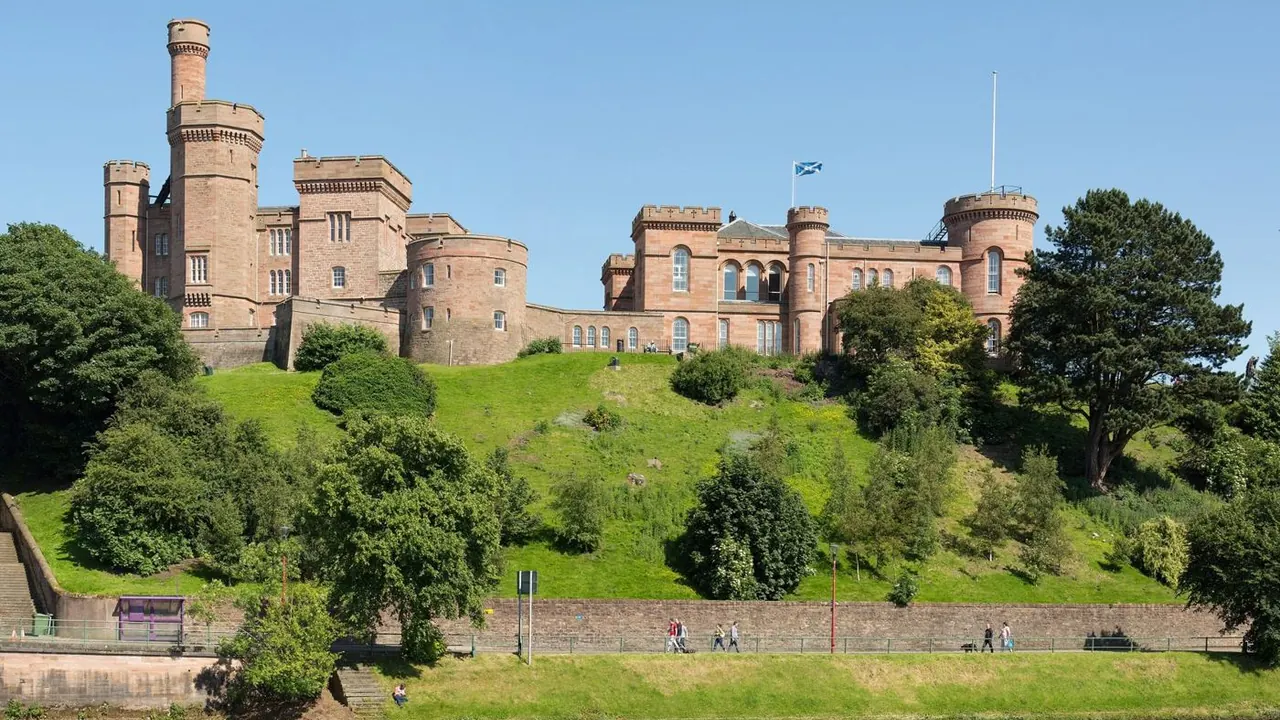
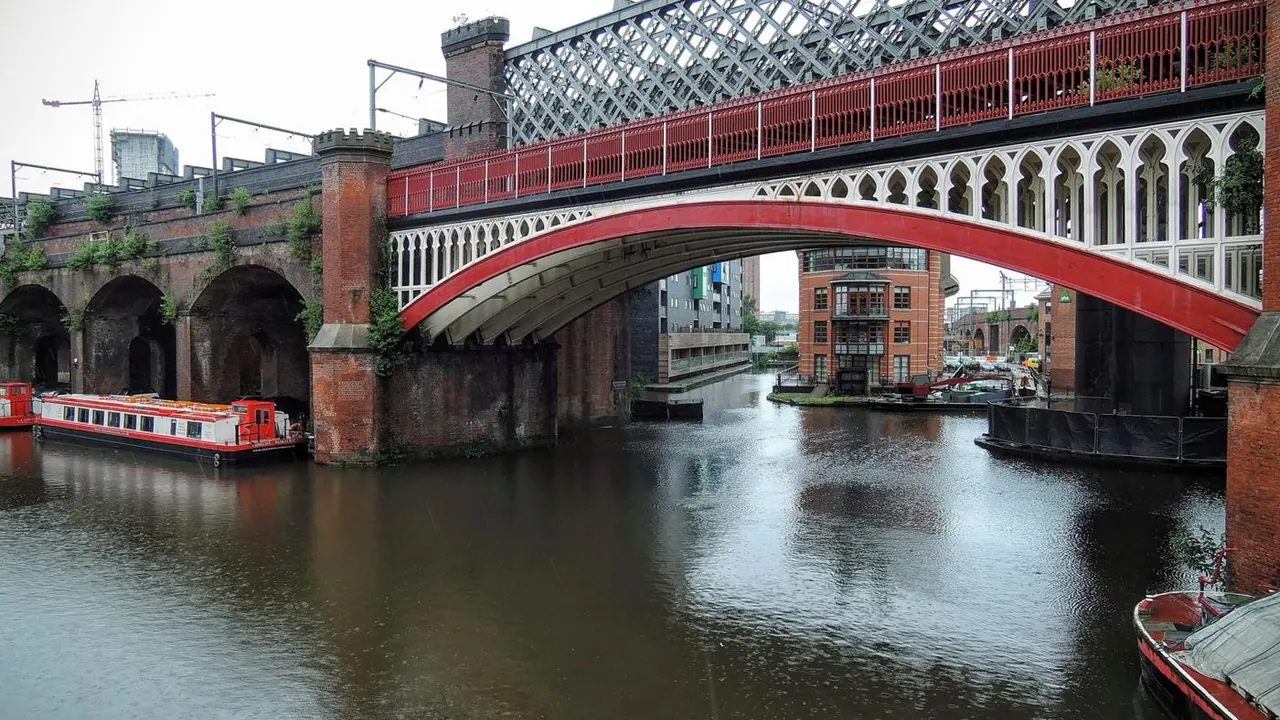
Photos: Inverness by Diliff, CC BY-SA 3.0, cropped; Manchester by IIya Kuzhekin, CC BY 3.0, cropped.
Inverness or Manchester?
Our verdict in twelve categories, each scored against the same fixed benchmark cities, and the climate month by month, so you can choose for your trip.
Choose Inverness for
- nature and the outdoors
- wellness
- beaches
Inverness is for travellers who come for the landscape. Loch Ness, Glen Affric and the Cairngorms are all within about an hour, and the town makes a quiet, walkable base where the evening ends with a dram rather than a late night. It suits a slower trip of glens, castle ruins and dolphin watching, ideally with a car or a few booked tours.
Choose Manchester for
- nightlife
- live music and the arts
- shopping
Pick Manchester if you want a city that keeps you busy after dark and indoors when it rains. It has a deep gig circuit, two major orchestras, the bars of the Northern Quarter and free museums about the industrial revolution. Its rail hub also puts Liverpool, Chester, York and the Peak District within an easy day, with no car needed.
Scoreboard
Twelve categories on one fixed scale from 0 to 100. The shaded stretch is the gap between the two.
Your match
Pick a travel style or drag the sliders, and both match scores follow your weighting.
Wins on nature and the outdoors and wellness with your weighting.
Wins on nightlife and live music and the arts with your weighting.
What matters to you?
Category by category
What the scores mean for a trip.
Beaches & swimming
Neither city is a place to swim, but Inverness at least has the coast on its doorstep. The long sands at Nairn and the shore at Rosemarkie and Chanonry Point make a breezy afternoon out, and you may see dolphins.
Manchester is inland, and Formby's dunes or Blackpool's promenade are an hour or more away by train. In both places the sea stays cold enough that hardly anyone goes in without a wetsuit.
Food & drink
Inverness eats well within a narrow range. A handful of good restaurants cook Highland produce such as langoustines, venison and smoked salmon, the pubs serve Cullen skink and steak pie, and whisky is the real drinking culture. A few nights covers it.
Manchester has far more variety, though less of a regional larder. It has Chinatown, the South Asian kitchens of Rusholme, food halls in old Ancoats mills and a craft-beer scene under the railway arches. For a week of eating your way around, it is the clear choice.
Culture & sights
Inverness has few sights of its own: the red sandstone castle above the Ness, the cathedral across the river and a compact museum with Pictish stones. Its most moving site, Culloden battlefield, lies outside town, and most of the region's castles mean a drive.
Manchester fills a fuller couple of days without leaving the city. Its sights tell the story of the first industrial city: the neo-Gothic Town Hall, the John Rylands Library, the Science and Industry Museum and a run of mostly free galleries, from the Pre-Raphaelites to the People's History Museum.
Nightlife
An evening in Inverness means a pub and a slow malt around Church Street or the riverside. On weeknights the town is quiet well before midnight, because most visitors are up early for the glens.
Manchester is one of Britain's big nights out. It has cocktail and dive bars in the Northern Quarter's old warehouses, the long-established Gay Village on Canal Street, the dressier crowds of Deansgate and warehouse raves in the colder months. Weekends run late and loud, which some visitors come for and others will find a drawback.
Nature & outdoors
This is where Inverness pulls clearly ahead. Loch Ness starts twenty minutes away, Glen Affric and the Cairngorms are about an hour off, and you can watch bottlenose dolphins from the shore at Chanonry Point. Torridon and the road to Skye are within a long day.
Manchester is better placed than most big cities. Trains reach Edale and Kinder Scout in under an hour, and canal towpaths lead out of Castlefield. Still, this is moorland walking from a city base, not wild Highland scenery all around you.
Day trips
Outings from Inverness are mostly to single sites rather than towns: Urquhart Castle, Cawdor, Fort George, the Clava Cairns and the Speyside distilleries. Most of them are much easier to reach by car or on a tour.
Manchester has the stronger choice, with whole cities in easy reach by train. Liverpool's waterfront, Chester's Roman walls and York Minster are all close, as are Chatsworth, Buxton and the Lake District towns. You can fill a week with varied days out without a car.
Good for families
Both cities work well enough with children, in different ways. Inverness offers outdoor treats: Loch Ness boat trips, castle ruins, dolphin spotting and the snow leopards at the Highland Wildlife Park. The Aquadome is the rainy-day plan, and the town itself is small and calm.
Manchester leans indoors, with hands-on galleries at the Science and Industry Museum, dinosaurs at the Manchester Museum, and the aquarium and snow slope at the Trafford Centre. Chester Zoo is about an hour away. Its centre gets rowdy on weekend nights, which is not a concern in Inverness.
Getting around
Both centres are flat and easy to walk. The difference shows once you leave them. Inverness has scenic rail lines and buses along Loch Ness, but the glens and distilleries lie down single-track roads, so most visitors hire a car or book tours.
Manchester's Metrolink trams run to Salford Quays, Old Trafford and the airport, buses fill the gaps and two main stations handle day trips. A car is useful only for the remoter parts of the Peak District.
Shopping & style
Shopping in Inverness takes an hour or two. You have the small independent shops in the Victorian Market's covered arcade, the high-street chains, and a second-hand bookshop in a former church. There is no luxury fashion and very little design.
Manchester is the main shopping city of northern England. It has department stores and designer labels around King Street and Spinningfields, record and vintage shops in the Northern Quarter, the stalls of Afflecks and the vast Trafford Centre. It does lack local crafts, though, so for tweed, knitwear, Celtic silver or a good Highland malt to take home, Inverness has the more distinctive souvenirs.
Affordability
Neither city is cheap, and costs come out much the same, for different reasons. In Inverness the main costs are rooms in summer and the car hire or tours you need to see the Highlands. The landscape itself is free, and rooms come down a lot in the quieter seasons.
In Manchester, room prices jump on football, concert and conference dates. Free museums and cheap meals in Rusholme and Chinatown help keep a city stay affordable.
Live music & performing arts
Inverness has Eden Court for touring theatre, dance and the Christmas pantomime. Its more distinctive side is traditional music, with fiddle and accordion sessions in pubs and Gaelic song at festivals and the summer Highland Games.
Manchester is in another league for live performance. The Hallé and the BBC Philharmonic play at the Bridgewater Hall, and the gig circuit runs from Northern Quarter back rooms to a huge arena. For theatre there is the Royal Exchange, a theatre-in-the-round inside the old cotton trading hall.
Wellness & relaxation
Neither city has a bathing tradition, but Inverness is the easier place to unwind. In town, the Aquadome has pools and a sauna, and the country-house hotels on the outskirts have spas. The riverside paths and the Ness Islands footbridges make a calm walk on a long summer evening.
Manchester's spa options are limited to hotel spas and a few day spas in the centre. They are fine for a treatment slotted between museums or shopping, but they are not a break in themselves. Its grandest bathing building, the Edwardian Victoria Baths, is a heritage visit, so you can admire the tiles and stained glass but not swim there.
When should you go?
Pick your month. The climate figures are measured averages, not a forecast.
Inverness in July
Manchester in July
Daytime high, °C
Rainfall in the month, mm
Where the figures come from
Inverness has no rain gauge within 25 km of the centre, so its rainfall comes from a gridded climate dataset read at the city rather than from a gauge further away.
Inverness's sunshine is measured 43 km from the centre, at Kinloss.
Temperature and rainfall are climate normals, averaged over the years shown. Inverness: 2005-2020 (sunshine 1991-2020, rainfall 1991-2020) normals, Inverness / Dalcross (11.9 km from centre). Manchester: 1991-2020 normals, Manchester Airport (14.8 km from centre).
Both cities are cool and damp all year, and neither has real beach weather. Summer is the best season in both. Inverness peaks at around 19°C in July and August and Manchester is a little warmer at 21°C. On either coast the sea is for walking beside rather than swimming in, and the Moray Firth only reaches 14°C. Inverness gets its sunniest weather in May, and the long light evenings of early summer suit hill walks and drives through the glens. Its winter days are short and dim.
From June to August Manchester gets more sunshine than Inverness, and from May to September it is pleasant for walking the streets. Its rain builds through autumn, with October the wettest month at 95mm and the months to December not much drier. Inverness is a little wetter at that time of year. Spring is a good second choice for both, cool but among the driest parts of the year.
Which traveller are you?
On an outdoors trip, Inverness is the stronger base. Loch Ness, Glen Affric's pine forest and the Cairngorms are all within about an hour, and dolphins swim off Chanonry Point. Manchester's Peak District walks are good but gentler, and you need a train to reach them.
For a food and nightlife trip, Manchester wins easily. Chinatown, the curry houses of Rusholme and the Ancoats food halls cover dinner. After that, the Northern Quarter's bars, Canal Street and the weekend raves run late. Inverness offers good seafood and quiet whisky bars.
On a relaxing and wellness trip, Inverness suits you better. The pace is slow, there are country-house spas around Loch Ness, and evenings end by a fire with a dram. Manchester is loud at weekends, and for proper rest you have to leave it for Buxton or the Peak District.
Before you go
| Measure | Inverness | Manchester |
|---|---|---|
| Official language | English | English |
| Currency | Pound Sterling (GBP) | Pound Sterling (GBP) |
| Sockets | G230 V, 50 Hz | G230 V, 50 Hz |
| Driving side | Left | Left |
| Time zone | UTC, UTC+1 in summer | UTC, UTC+1 in summer |
| Emergency number | 112 or 999 | 112 or 999 |
| Elevation | 7 m | 38 m |
| Main airport | Inverness Airport (INV)12 km from centre15 non-stop destinations | Manchester Airport (MAN)15 km from centre211 non-stop destinations |
| Public holidays this year | 10 days | 8 days |
By the numbers
| Measure | Inverness | Manchester |
|---|---|---|
| City population | 47,380 | 547,627 |
| People per km² | 2,289 | 4,737 |
| Museums within 10 km | 3 | 28 |
| UNESCO World Heritage sites within 50 km | 0 | 2 |
| Swim season, months above 21 °C | None | None |
Where else could you go?
Every comparison below shares a destination with this one, so you can follow Inverness or Manchester somewhere new.